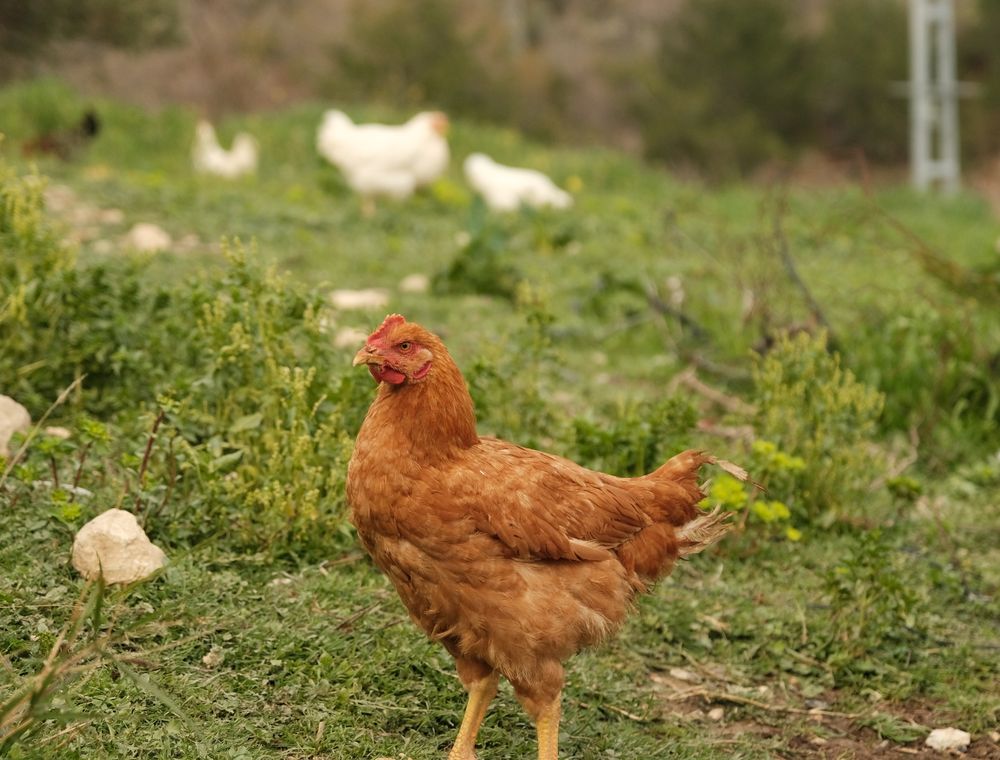
Short answer: The Rhode Island Red is a hardy dual-purpose breed that lays brown eggs steadily and reaches a useful table weight, which makes it a practical choice for mixed and free-range flocks in Ghana. It copes well with the local climate when it has shade, airflow and dry litter, and its main weak points are heat on hot afternoons and a large comb that needs watching. Plan the house and feed before the chicks arrive, and you will get a dependable flock for eggs and meat.
Key takeaways
- The Rhode Island Red is a dual-purpose breed, so it suits farms that want both eggs and a useful table bird from the same flock.
- Hens lay brown eggs steadily once they start, and output depends on feed, light and a calm, uncrowded house.
- Hardiness is a strength, but the large single comb and dense plumage need shade and airflow on hot Ghanaian afternoons.
- A phased feeding plan, from starter to grower to layer, does more for this breed than any single supplement.
- Test a first batch on your own farm and keep records of growth, lay and mortality before you scale up.
Where the Rhode Island Red comes from
The Rhode Island Red was developed in the United States in the late nineteenth century, in the state it is named after. Breeders wanted a bird that laid well, grew to a respectable weight and could live outdoors through the cold New England seasons. Over time the breed became one of the most widely kept dual-purpose birds in the world, and its red-brown plumage and brown eggs are easy to recognise at a glance.
That history matters for Ghana because the breed was built for a climate that is very different from ours. It was selected for cold winters and damp springs, not for heat. The good news is that its toughness and foraging habits carry over well. The task for a Ghanaian farmer is to keep the strengths and manage the one weakness that comes from its climate of origin, which is heat stress on hot days.
For the wider picture of breeds that suit our climate, see our breed guide.
You will see the breed described as a Rhode Island Red, as an RIR, and sometimes as a sex-link or hybrid in commercial catalogues. Those labels can mean different things, so when you buy, ask exactly what the parent stock is and what the expected output is. A clear answer is a good sign.
What dual purpose means for this breed
Dual purpose means the same flock gives you two products: eggs from the hens and meat from the cockerels and spent hens. The Rhode Island Red sits in the middle of the range. It is not a commercial layer that lays more than two hundred eggs in a year with a light, slim frame, and it is not a fast broiler that reaches market weight in six weeks. It is a sturdier bird that gives you a steady supply of eggs and a worthwhile carcass when it is time to sell.
That middle position is a strength for small and medium farms. You can run a flock that brings in eggs most of the year and still sell surplus cockerels and older hens to local buyers. You do not have to commit to one product before you know how the market in your town behaves. For a farmer who wants to learn the trade without betting everything on a single output, that flexibility is valuable.
The trade-off is that dual-purpose birds take longer and cost more feed per kilogram of meat than broilers. If your business is built on fast turnover of meat, this is not the breed to start with. If your business is built on a mixed, resilient flock, it fits well. Our guide on the best dual-purpose chickens compares it with other options, and our layer chicks page covers the production side.
Brown eggs: how many and what to expect
Rhode Island Red hens lay brown eggs with a warm, medium-to-large shell. The colour comes from the hen's breed and is not a sign of better nutrition, though buyers in many Ghanaian markets do ask for brown eggs specifically, so the colour can help you sell. Hens usually begin laying at around five to six months of age, depending on strain, feed and season. In well-managed flocks the lay rate is strong in the first year and then declines gradually.
For practical ways to push output, including light and feed timing, see our egg production guide and our lighting programme article.
Many references quote a yearly output in the range of two hundred or more eggs for a good hen under good management. Treat that as a general expectation rather than a promise, because your own results depend on feed, light, shelter and health. The best way to know what your flock is doing is to record eggs every day for the first season.
| Stage | Typical timing | What matters most |
|---|---|---|
| Chick to rearing | Weeks 0 to 8 | Brooder heat, starter feed, vaccines on schedule |
| Growing pullet | About weeks 8 to 18 | Grower feed, space, gradual light changes |
| Point of lay | About five to six months | Switch to layer feed, nests ready, calm house |
| Peak production | First laying year | Steady feed, clean water, daily egg collection |
| Later lay | Second year onwards | Gradual decline; plan replacements and sales |
Timings vary with strain and management, so use the table as a planning guide and confirm the details with your supplier and your vet.
Hardiness in Ghanaian conditions
Hardiness is the reason many farmers choose this breed. A healthy Rhode Island Red handles the rough edges of village and small-farm life well. It forages, copes with variable feed and holds its condition through the dry and rainy seasons better than many lighter birds. In the harmattan it keeps its weight if it has a windbreak and dry litter, and it does not panic easily when the house is busy.
Hardiness is not the same as immunity, though. Disease still spreads through a mixed flock, and a hardy bird in damp litter can still develop coccidiosis or respiratory trouble. Vaccines, clean water, dry litter and quick isolation of sick birds remain the foundation of good health. Follow your vet's advice on the programme for your area, and keep a record of any treatment given.
- Keep litter dry, especially in the rainy months when humidity inside the house rises.
- Check drinkers daily for leaks, since wet patches encourage disease.
- Separate a bird that is off its feed or sitting apart from the flock, and call your vet early.
- Keep rodents and wild birds out of the feed store to avoid contamination.
Heat, harmattan and the large comb
The Rhode Island Red has a large single comb, and it is one of the breed's few practical concerns in our climate. Combs help birds shed heat, so they are not a problem in themselves. The issue is that a large, exposed comb takes in heat from the sun on hot afternoons, and it can be damaged by cold, wet conditions. In Ghana the main risk is heat, not frost, but the same comb needs watching in the harmattan nights and in the rains.
On hot days, give the flock shade over the outside run and a house that moves air freely. Add drinkers so birds do not have to crowd round one point, and keep the water cool. In the harmattan, a windbreak on the side facing the wind, combined with a roosting area that stays dry, protects the comb and the rest of the bird. Check combs for pale or dark patches after very cold or very wet spells, and ask your vet if a bird looks distressed.
Plumage is another point to watch. The breed's feathering is fairly dense, which holds heat in. Free-range birds that can forage in the early morning and late afternoon handle the heat better than birds shut in a sealed house at midday.
Temperament and free-range living
Most Rhode Island Red hens are alert and active without being nervous. They forage well, scratch for insects and seeds and adapt to free-range or semi-intensive systems. A calm flock is a productive flock, and this breed generally settles into a routine once it knows where the feed, water and roosts are.
Cockerels can be more assertive, and a single cockerel with a large group of hens can cause feather loss and stress if the ratio is too high. Keep an eye on the flock's behaviour and remove a cockerel that becomes aggressive, especially if you are keeping hens for eggs and do not need a male on the farm. Our Australorp guide covers a calmer alternative if temperament is your main concern.

Free range has advantages and limits. Birds that forage eat less bought feed and enjoy more space, but they are exposed to predators, theft and parasites, and they can wander outside a safe area. A simple coop, secure fencing and a daily head count protect your investment.
Growth and meat from the flock
Rhode Island Red cockerels and spent hens provide the meat side of the dual-purpose system. A cockerel grows more slowly than a broiler and takes longer to reach a sale weight, so the feed bill per kilogram of meat is higher. The carcass is firmer and more flavourful for many buyers, and that matters in local markets where people choose birds by taste and texture.
Plan the meat side as an add-on rather than the core of the business. Sell surplus cockerels when they reach the weight your buyers want, cull the lowest-performing hens at the end of their lay, and keep the best hens for laying. Recording weight at regular intervals will help you judge when a bird is ready and when feed is working.
- Weigh a sample of birds every two weeks during rearing.
- Note the age and weight at which each cockerel is sold.
- Compare the feed used per bird with the price you get.
- Decide in advance which birds you will keep for laying and which you will sell.
Need chicks for your next batch?
Send breed, number and town. We reply with price, hatch date and delivery cost in writing.
Housing and space
A Rhode Island Red needs a house that keeps the rain off, lets air move freely and gives every bird enough room to roost and move. A common planning figure for deep-litter layers is around four to five hens per square metre of floor, but density should drop in the hot season, and a lower density is always kinder to a flock in our climate. Confirm the figures with your vet or the local extension officer before you build.
- Open sides with a windbreak, and a roof that sheds rain and heat.
- Perches or a roosting area set above the litter, where birds can rest out of the damp.
- Nest boxes in a quiet, shaded corner, one box for every few hens.
- Dry, deep litter that is turned regularly, especially in the rains.
- An outdoor run with shade, if the birds are kept semi-intensively.
Our poultry housing designs article explains how these elements fit together in different layouts, which helps when you are working with a limited budget.
Feeding a Rhode Island Red flock
Feed the birds for the stage they are in, not for the stage you hope they will reach. Chicks need a high-protein starter, growing pullets need a grower feed that builds frame without too much fat, and laying hens need a layer feed with calcium for shell quality. Changing feed too early or too late is one of the most common causes of poor lay.
| Phase | Approximate age | Focus | Watch for |
|---|---|---|---|
| Starter | Day one to about week 6 | Protein and energy for fast early growth | Feed intake, drinkers, brooder temperature |
| Grower | About week 6 to point of lay | Frame and steady weight gain | Uniform growth, not overfeeding |
| Layer | From point of lay onwards | Eggs, calcium and shell quality | Shell thickness, feed intake in heat |
Always have clean water beside the feed, and make feed changes gradually over several days. Grit and oyster shell should be available to laying hens as your vet or feed supplier advises. For a full schedule, see our layer feeding guide.
Common problems and how to prevent them
The problems we hear about with this breed are mostly management issues rather than breed faults. Knowing them in advance makes them easier to avoid.
- Feather pecking. Usually caused by overcrowding, boredom or a lack of protein. Lower the density, give them something to scratch at and check the feed.
- Egg eating. Often starts when a broken egg is left in the nest. Collect eggs regularly and keep nests dark and clean. Our guide on why layers eat their eggs covers this in depth.
- Broodiness. A hen that sits on the nest for days stops laying. Remove her from the nest and give her a calm space for a day or two.
- Thin shells. Often linked to calcium, heat or light changes. Review feed, shade and lighting before changing anything else.
Keep a simple daily record of eggs, feed, water and any bird that looks unwell. Patterns show up in records long before they show up in a lost flock.
Is the Rhode Island Red right for your farm?
This breed is a strong choice for a mixed, resilient flock with a steady output of brown eggs. It is less suited to a farm that needs very fast meat or very high egg counts from a light, slim bird. Use the checklist below to test your fit.
- Do you want brown eggs for local or shop sales?
- Can you give shade, airflow and a dry, windbreak-protected house?
- Are you happy with a slower meat cycle and a higher feed cost per kilogram?
- Will you feed in phases and keep records of lay and weight?
- Do you have a plan with your vet for vaccines and health checks?
If you answer yes to most of these, the Rhode Island Red is worth a closer look. To ask about current availability, send us a message on WhatsApp at +233 24 915 1503, or place an order through the order form and we will confirm stock and price in writing before you pay.
Questions farmers ask
Is the Rhode Island Red a good breed for Ghana?
It can be a very good choice. The breed is hardy, forages well and lays brown eggs steadily when managed properly. Its main challenges in Ghana are heat on hot afternoons and the large comb, which need shade and airflow. With those in place it suits mixed and free-range flocks well.
How many eggs does a Rhode Island Red lay in a year?
Many references quote around two hundred or more eggs a year for a good hen under good management, but results vary with feed, light, health and season. Record your own eggs daily in the first year to see what your flock actually produces.
At what age do Rhode Island Red hens start laying?
Hens usually begin laying at around five to six months, depending on strain, feed and season. Move them from grower feed to layer feed around point of lay, and make the change gradually over several days.
Are Rhode Island Reds good for meat as well as eggs?
Yes, they are a dual-purpose breed. Cockerels and spent hens provide a firm, flavourful carcass, although they grow more slowly than broilers and cost more feed per kilogram of meat. Many farmers sell surplus cockerels locally and keep the best hens for laying.
How do I stop a Rhode Island Red hen from going broody?
Remove her from the nest each time she sits, give her a calm space away from the laying boxes for a day or two, and keep her fed and watered. If she keeps returning, a short break from the nest usually works. Persistent broodiness that stops egg output is worth discussing with your vet or an experienced local farmer.
Does the big comb cause problems in Ghana?
It can. A large single comb takes in heat on hot afternoons and can be damaged by cold, wet conditions. Give shade over the run, keep the house airy and check combs after extreme weather. Most birds manage well when the basic shade and airflow are in place.
Can I buy Rhode Island Red chicks from Halaal Farms?
Ask us. Availability changes by hatch and import, so we confirm current stock and the price in writing before you pay. You can reach us on WhatsApp at +233 24 915 1503, or read our <a href="/delivery/">delivery page</a> to see how chicks reach all 16 regions.


