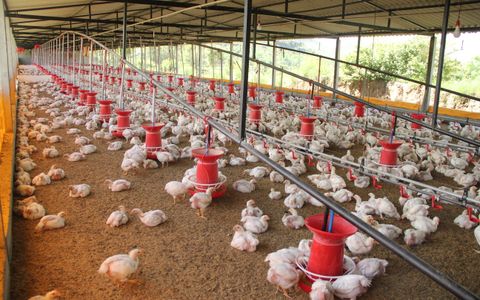
Berekum and its place in the Bono Region poultry trade
Berekum sits in the Bono Region, and it is known as a strong poultry area. Keepers there run everything from a few birds in the back of a compound to large broiler houses that supply local traders and the wider market. Demand for day-old chicks tends to follow the market calendar as much as the planting calendar, so the question most Berekum buyers ask is when a batch will be ready to sell, not only what it costs to start.
Berekum is a long way from our hatchery at Opeikuma in Kasoa. That is the first thing to plan for. We will not pretend the distance is small. What we can do is plan the hatch to your delivery window, quote the delivery cost clearly, and keep the chicks in a condition that makes the trip worthwhile.
Why a long-distance order needs more planning
An order to a distant town rewards a little extra thought. Settle the date, the number of boxes and the delivery point before anything else, because the hatch and the transport have to fit together. A late change to the date is harder to absorb on a long route than on a short one. If you can, give us a delivery window rather than a single day, so the crate can move when the route is ready.
Be honest with us about the state of your house and your water supply. If the house will not be ready on the day, tell us early. We would rather move a date now than have a crate wait in the heat for a house that is still being finished.
Prices
 Imported
Ross 308
The world's most widely grown broiler. Even, fast growth and strong feed conversion.
 Local hatch
Sasso
Coloured, slower-growing bird with firm, tasty meat. Hardy on free range and lays fairly well.
Ross 308 for a market-driven broiler cycle
Ross 308 is the broiler most Bono Region keepers consider first when they want a shorter cycle and a predictable sale. Chicks start at GH₵ 20 each, with a box of 50 at GH₵ 1,000. Plan the cycle around the market day you are aiming for, and work the feed bill out before the chicks are ordered. Our broiler profit calculator shows how the sale week changes the margin.
Ross 308 is a managed bird. It does best with a steady feed programme, clean water and a house that stays dry and well ventilated. If your system relies on birds foraging, a different breed will probably suit you better. Read the broiler chick page for the buying side of the decision.
Sasso for families who keep birds for home and market
Sasso is our locally hatched dual-purpose bird, and the starting price is GH₵ 13 per chick, or GH₵ 650 for a box of 50. Many Berekum families keep birds for their own table and sell the surplus, so a dual-purpose bird that can give both meat and eggs often fits better than a single-purpose broiler. Sasso usually grows more slowly and forages well, so it suits a yard where the birds can range.
If you want to keep some hens for eggs and sell the rest of the flock for meat, the dual-purpose chickens page explains the planning. The breeds page compares Sasso with the other options we supply.
Starting prices for a Berekum order
These are the starting figures for the two breeds most Berekum buyers ask about. Your written quote gives the exact price for your order, and the delivery cost is shown separately before you pay.
| Quantity | Ross 308 (per box of 50) | Sasso (per box of 50) |
|---|---|---|
| 1 box, 50 chicks | GH₵ 1,000 | GH₵ 650 |
| 3 boxes, 150 chicks | GH₵ 3,000 | GH₵ 1,950 |
| 5 boxes, 250 chicks | GH₵ 5,000 | GH₵ 3,250 |
| 10 boxes, 500 chicks | GH₵ 10,000 | GH₵ 6,500 |
To see the full range, the price list sets out every breed we supply. If you are planning a bigger hatch, the day-old chicks cost calculator adds the chick price, feed and labour into one figure.
Local demand in and around Berekum
Demand in a poultry town is steady, but it moves. Traders want birds on the market in the weeks before a busy season, and households buy more around festivals and family gatherings. A keeper who plans a batch to land in those windows often earns more than one who simply raises birds whenever the chicks happen to arrive.
Talk to two or three local buyers before you order. Ask what weight they want, whether they prefer live birds or dressed birds, and how often they buy. Those answers should shape the breed you choose and the number of chicks you order. A batch that matches the buyers' needs is easier to sell than one that is simply large.
It also helps to keep a short list of the people who asked about birds even when you had none ready. When your next batch is near the sale stage, those are the first people to message. A simple list kept in a phone note does the job well, and it costs nothing to start.
Requesting a quote for a Bono Region order
A clear request gets a clear quote, and that matters more when the delivery is long. Send the details below in one message on WhatsApp or by phone.
- Which breed you want, and how many boxes of 50 you need.
- The delivery window, with a first and last acceptable date.
- Your exact town and farm location, with a landmark.
- How you would like to pay: mobile money, bank transfer or cash.
- Any second batch you want to plan, so we can keep the dates in line.
We reply with a written quote that includes the delivery cost. If anything on it is unclear, ask before you pay. Orders are taken by WhatsApp or phone, and farm visits to the hatchery in Opeikuma are by appointment. The frequently asked questions page answers the common points.
Building a house that suits warm, dry weather
Berekum keepers often work through the dry season and the rains, and the house has to handle both. Raise the floor so water does not run in during wet weather. Make sure the roof does not leak and the walls let air move through at bird height. Shade the house from the afternoon sun, and keep the drinkers out of direct heat so the water stays cool enough to drink.

Set the feeders and drinkers down the centre of the house so the birds can reach them evenly. Check the layout before the chicks arrive, and walk the length of the house once with the feed and water in place to make sure nothing blocks the way.
Delivery timing and the hatch date
We deliver to all 16 regions, and the Bono Region is one of them. Chicks are dispatched on the day they hatch, so your delivery date and the hatch date are the same plan. Confirm the date a few days ahead so the hatch and the transport can be lined up, and let us know straight away if the date moves.
Chicks can travel about 48 hours on the yolk reserve they carry. That gives a normal journey room to work, but it does not make a long, hot wait acceptable. Keep the crate out of direct sun when it is unloaded, and move the birds into the brooder as soon as the house is ready. The delivery page sets out how we move orders, and the delivery guide covers receiving an order.
Book your chicks for your farm
Send breed, number and town. We reply with price, hatch date and delivery cost.
Receiving the crate and the dead-on-arrival rule
Open the crate with the driver present and count the birds before anyone moves them into the house. Look at their activity and note any that are dead on arrival. Send us the count and a photo of the crate that same day. Birds dead on arrival come back as free replacements in the next hatch, but the replacement depends on a clear count made at the crate.
Do not throw away the dead birds until we have seen the count. Keep them in a sealed bag, away from the living flock, while you wait. That simple step makes the replacement process smoother for both sides.
Brooding in the Bono heat
Day-old chicks need warmth early on, and a warm region can make the first days tricky in a different way. Heat lamps can push a brooder too high during the day, so watch the birds rather than trusting one reading on the thermometer. If the chicks spread out, pant or crowd the edges, adjust the heat and the ventilation together. Good airflow keeps the house fresh without blowing a chill onto the birds.
Keep the litter dry and change any that becomes wet. A wet floor in a warm house is a fast route to problems. Clean the drinkers every day, and make sure the water stays shaded so it does not warm up and lose its appeal to the birds.
Vaccination and the batch record for your files
Chicks reach you already protected against Marek's disease, Newcastle disease, Gumboro (IBD), infectious bronchitis and coccidiosis. A batch record comes with the order. For a keeper far from the hatchery, that record is the first document to file, because it tells the local vet exactly what the birds received before they arrived.
Plan your own follow-up work with the vaccination schedule calculator, and agree the timing with a local vet who knows the disease pattern in your area. The calculator suggests dates to discuss, not a plan to follow unchecked.
Growing the flock after the first batch
A first batch teaches you a lot. Write down the feed you used, the weight the birds reached, the day you sold and the price you got. Those numbers are the basis for the next order. A keeper who looks at last cycle's figures before ordering the next batch makes better decisions than one who starts fresh each time.
If the first batch went well, plan the next one so the sale days do not all fall in the same week. Staggered batches keep cash moving and keep the house in use. The guide to starting poultry farming in Ghana covers the steps from the first order through to the second and third batch. For the feed side of the plan, the poultry feed calculator estimates how much feed each batch will use.
Questions farmers ask
How much are day-old chicks in Berekum?
The starting price is GH₵ 20 per Ross 308 chick and GH₵ 13 per Sasso chick. A box of 50 costs GH₵ 1,000 for Ross 308 and GH₵ 650 for Sasso. The exact figure comes through in your written quote.
Do you deliver to Berekum in the Bono Region?
Yes. We deliver to all 16 regions, and the Bono Region is included. The delivery cost is quoted in writing before you pay, so you know the full amount before the order leaves Kasoa.
Is Berekum too far for a day-old chick order?
The distance is real, so we plan the hatch and the transport carefully for longer routes. Give us a delivery window, and we will quote the cost and confirm the date in writing.
Which breed suits a Berekum keeper, Ross 308 or Sasso?
Ross 308 suits a managed broiler house with a fixed sale date. Sasso suits a dual-purpose flock that forages and gives both meat and eggs. Decide your system and your market first.
What is the minimum order for a Bono Region buyer?
One box of 50 chicks is the minimum for both breeds. Larger buyers simply order more boxes at the same starting price per chick.
What happens if chicks die on arrival?
Birds dead on arrival come back as free replacements in the next hatch. Count the birds at the crate with the driver and message us the same day with the count and a photo.
Can I pay by bank transfer for a larger order?
Yes. Mobile money, bank transfer and cash all work with us, but online card payment is not available. Pay against the written quote and keep the transfer confirmation with your batch record.
Do you sell feed for the birds?
No. Halaal Farms sells day-old chicks and does not sell feed or equipment. Arrange feed with a local seller in your area before the chicks arrive.
Prices and details checked 18 October 2026 by the Halaal Farms hatchery team, Opeikuma, Kasoa.