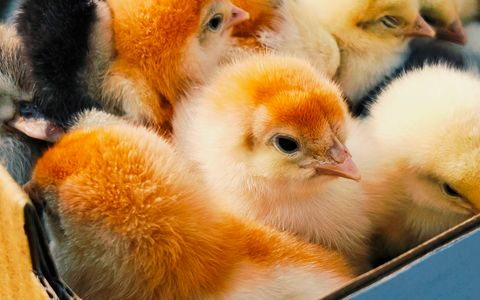
A small white layer built for efficiency
The Hy-Line White is a white-egg layer, and it is smaller than the brown layers most backyard keepers picture first. A mature white hen weighs noticeably less than a brown hen, and she eats less to keep that frame going. Everything about the bird points to turning feed into eggs with as little waste as possible, which is why many commercial egg farms choose it when feed cost matters most.
Our Hy-Line White chicks are imported from hatcheries in the Netherlands, Belgium and Germany. They reach our hatchery as day-old chicks and go out on the day they hatch. If you are unsure whether a white or a brown layer suits your plan, the layer chicks for sale page lists both options, and the Hy-Line Brown page sets out the other side of the choice.
What a white layer flock costs to start
The starting price is GH₵ 25.50 per chick, and one box of 50 costs GH₵ 1,275, the minimum order. These are starting figures. We confirm each order's price in writing before any payment, so the quote you get is the one you are charged.
| Quantity | Chicks | Starting price |
|---|---|---|
| One box | 50 | GH₵ 1,275 |
| Two boxes | 100 | GH₵ 2,550 |
| Three boxes | 150 | GH₵ 3,825 |
| Per chick | 1 | GH₵ 25.50 |
Set that against the brown option and the gap is clear. The white chick costs GH₵ 2.50 more per bird than the Hy-Line Brown at GH₵ 23, which is GH₵ 125 more on a box of 50 at the start. The day-old chicks cost calculator puts the chick line alongside feed, housing and vaccines, so you can compare the full cycle rather than the day-one price.
Prices
 Imported
Hy-Line White
Light white-egg layer that eats less feed per egg. Chosen by farms selling by the crate.
Why white layers often win on feed conversion
Feed conversion is the reason many buyers choose white. A smaller white hen usually eats less each day than a brown hen, and that matters when feed is the biggest running cost on the farm. In good conditions a white layer flock tends to need somewhat less feed per dozen eggs than a brown one, though the gap is modest and depends on the house, the feed and the weather. Treat any claim of a large difference with caution.
Daily intake for a white hen in full lay commonly sits around 95 to 110 grams of layer feed, rising in cooler weather and dropping in heat. Keep the feeders clean and filled at the same times each day, cut down on scratching waste, and make sure every hen can reach a feeder. The poultry feed calculator turns those daily figures into bags for your flock size and period.
Who buys white eggs in Ghana, and what that means for you
White eggs are not the automatic choice in every market, so think about the buyers before you buy the birds. Many bakeries and some institutional kitchens care more about size, freshness and price than shell colour. Some household buyers prefer brown eggs and will ask for them by name. In a number of towns the price gap between white and brown eggs is small, so the real question is whether your particular buyers pay more for one colour or the other.
Before you order, walk through your local market, speak to two or three egg sellers, and find out what they stock and what sells fastest. Ask a bakery what grade and colour they use. A white layer makes sense when the buyers you already have will take white eggs at a good price. If they will not, the brown option may be the better business even though it costs more to start.
Egg size, shell strength and collecting the eggs
White layers lay medium to large white eggs, and size depends on age, feed and weather. Young hens lay smaller eggs, and hens in heat often lay smaller eggs with thinner shells. Feed a layer diet with the right calcium level, and offer a separate calcium source so the hens can take what they need, rather than relying on the mash alone.
Collect eggs at least twice a day, especially in heat, because eggs left in a hot nest can crack or spoil. Grade out cracked, dirty or misshapen eggs, and keep the rest cool and dry. Good collection and handling protect the price per tray. The layer egg profit calculator lets you put in your tray price and laying rate to see what the eggs are worth to you.
Rearing white pullets so they start laying on time
White pullets reach point of lay at roughly 18 to 19 weeks when they are reared well. The rearing phase matters more than people think. Keep the brooder steady in temperature, give clean water and a good starter, then move the birds onto grower feed at the right age. Weigh a sample each week and compare with the breeder's target weights. Underweight pullets come into lay late and often lay at a lower rate for their first months.
Keep the rearing house calm. White pullets are nervous birds, and a noisy or disturbed house in the growing weeks sets them back. Keep the same people, the same routines and the same feed times. Small, steady routines produce a flock that settles into lay without drama.
Housing a flighty white hen
White layers are more flighty than the heavier brown birds, so housing needs a little extra thought. In a floor pen, provide perches at a height where the birds can roost safely, and keep walls and fences high enough that the hens do not fly out at the first noise. If you give them a run outside, a covered run or a higher fence stops losses to escapees and to predators from above.
Nest boxes should be dark, quiet and clean, with roughly one nest for every four or five hens as a planning figure. Keep the litter dry, check the air at bird height each morning, and avoid sudden changes to the house layout, which can startle the flock and send birds crowding into corners.
Heat, harmattan and the laying dip
Heat is the main threat to a white layer's output. In hot spells the hens eat less, drink more and lay smaller eggs, and the flock can lose output for days. Provide shade, plenty of clean cool water and extra drinkers if the house runs hot. Move the main feed to the early morning and evening, when the birds want to eat, and keep ventilation open at night.
The harmattan brings dust, which irritates the airways of any layer and can set off respiratory problems in a flock already under stress. Keep the litter damp enough to hold dust down, never wet, and look at the eyes and nostrils of the birds each morning. When the flock picks at feed less, check the house before you blame the feed.
Vaccines at the hatchery and your first boosters
Five diseases are covered at the hatchery before a white layer box leaves: Marek's, Newcastle, Gumboro (IBD), infectious bronchitis and coccidiosis. A batch record comes with the box, and it belongs with the rest of the farm paperwork. When your vet plans boosters for the rearing and laying phases, the batch record is the first thing they will ask to see.
Biosecurity is still your job once the chicks arrive. Limit visitors, keep house footwear separate from yard footwear, and do not mix birds from other sources without advice. A calm, clean house protects the vaccine investment you have already made.

Book your chicks for your farm
Send breed, number and town. We reply with price, hatch date and delivery cost.
Realistic egg numbers for a white layer flock
Figures depend on the house, the feed and the season, so read these as planning ranges rather than promises. Well-managed white layers commonly give around 300 eggs per hen in the first year of lay, with peak production above 90 per cent on a good day. Output usually settles into a steady decline after the peak, and how gently it declines reflects how well the flock has been kept.
Track your own numbers from the first egg. Write down the count each day, note any dips and their cause, and compare the weekly total with the week before. Your own figures will tell you more about your house than any breeder table. Use them to plan feed purchases and to decide when the flock is due for replacement.
Dispatch, delivery and paying for the order
Chicks leave our hatchery on the day of hatch, and a box can travel for about 48 hours on its yolk reserve. We send to all sixteen regions, and the delivery cost is quoted in writing before you pay. Tell us your town and the date you need the birds, and we will confirm which hatch fits and what the courier will charge.
Orders go in by WhatsApp or phone. Pay by mobile money, bank transfer or cash. Card payments made online are not something we accept. If you want to visit the hatchery first, ask for an appointment, since visits are arranged ahead of time. For the starting price on each breed, look at the price list, and the delivery page explains the regions and the packing.
When a brown layer is the better choice
A white layer is not the answer for everyone. Choose a brown layer if your buyers pay more for brown eggs, if you want a heavier bird that can be kept longer, or if your flock will run outside where a larger, calmer bird suits you better. Choose white if feed cost is the number you worry about most and your buyers will take white eggs.
If you are still deciding, the Hy-Line Brown chicks page is the natural comparison, and the layer breed guide looks at the choice more broadly. Work out the buyer side first, then the feed side, and let those two answers pick the bird.
Questions farmers ask
How much does a Hy-Line White chick cost in Ghana?
The starting price is GH₵ 25.50 per chick, and a box of 50 is GH₵ 1,275, our minimum order. We confirm the exact price in writing for each order before you pay. Delivery is quoted separately, also in writing.
Is Hy-Line White better than Hy-Line Brown?
Neither is better in every situation. White hens are smaller, eat less and often convert feed a little better, while brown hens are heavier and lay larger brown eggs. The right choice depends on your feed cost and on what your local buyers pay for each egg colour.
Do white layers sell for more than brown eggs?
Not always. In many markets the difference is small, and some buyers pay more for brown eggs. Speak to the buyers you plan to sell to before you order, and ask what they pay for each colour and size.
How many eggs will a white layer give me?
Well-managed white layers commonly give around 300 eggs per hen in the first year, with peak production above 90 per cent of the flock. Heat, poor feed and a disturbed house all cut that figure. Keep your own daily count from the first egg.
Are white layers harder to keep than brown ones?
They are more flighty and startle more easily, so they need a quieter house and sensible fencing. Otherwise they are a straightforward layer. Keep the routine steady, provide shade in the heat and keep the litter dry.
Can I buy fewer than 50 white layer chicks?
No, the minimum is a full box of 50, and we do not split boxes. If you only need a handful of hens, look for a smaller seller.
Do you deliver white layer chicks outside Kasoa?
Yes. We deliver to all sixteen regions of Ghana, with chicks leaving on the day of hatch. The delivery cost is quoted in writing before you pay, so you know the figure before you commit.
What if some chicks are dead on arrival?
Chicks dead on arrival are given free replacements from the next hatch. Photograph the box and the dead birds before you move them, and report the batch to us the same day with the details from your record.
How do I order and pay?
Order by WhatsApp or phone with the breed, the number of boxes, your town and the date. Settle by mobile money, bank transfer or cash once the written quote is in your hand.
Prices and details checked 18 October 2026 by the Halaal Farms hatchery team, Opeikuma, Kasoa.