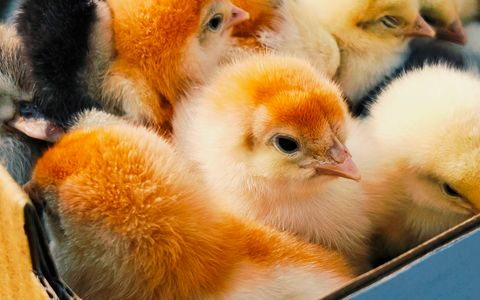
What a Hy-Line Brown hen is bred to do
The Hy-Line Brown is a commercial layer. The hen's job is to lay brown-shelled eggs day after day, and everything about the bird, from how it eats to how quickly it comes into lay, is shaped around that. It is not a meat bird. Its male chicks grow slowly and carry little meat, so if you buy a brown layer box you need a plan for the cockerels before the first ones start to crow. Selling them early or culling them humanely are the two usual routes.
Our Hy-Line Brown chicks are imported from hatcheries in the Netherlands, Belgium and Germany, and they reach our hatchery as day-old chicks. Layer breeds are chosen for egg numbers, shell quality and feed efficiency, and buyers who come to us for a laying flock usually want a bird they can keep for a long lay cycle rather than a short burst. If you are still choosing between layer types, the layer chicks for sale page lists what we stock, and the breeds page shows the rest of the range.
What a laying flock costs at the starting price
The starting price is GH₵ 23 per chick and GH₵ 1,150 for a box of 50, the minimum order. Those are starting figures, and we confirm the exact price in writing per order. The table gives the arithmetic for a few common flock sizes, so you can plan the budget before you call.
| Flock size | Chicks | Starting price |
|---|---|---|
| One box | 50 | GH₵ 1,150 |
| Two boxes | 100 | GH₵ 2,300 |
| Three boxes | 150 | GH₵ 3,450 |
| Four boxes | 200 | GH₵ 4,600 |
The chick is only the start. Pullet rearing, feed, housing and vaccines all come after it. The day-old chicks cost calculator puts the chick line beside the rest of the budget, and the layer egg profit calculator shows what a flock of that size might return once the hens are laying.
Prices
 Imported
Hy-Line Brown
Calm brown-egg layer bred for high egg numbers and strong shells over a long cycle.
Egg numbers you can reasonably expect
Egg numbers depend on the house, the feed and the hen, so read the figures here as typical ranges rather than guarantees. In good management a Hy-Line Brown usually reaches peak production above 90 per cent of the flock laying on a given day, and the first year of lay commonly gives somewhere around 300 eggs per hen. Expect the flock to climb slowly after point of lay, and do not panic if it takes a few weeks longer than the breeder chart suggests.
Where flocks lose ground is in the details. Hens stressed by heat, short of calcium, or sitting in a poorly ventilated house lay fewer eggs and more soft shells. A brown layer in a clean, calm, well-fed house keeps her numbers up. The same bird in a dusty shed with irregular feed will not. Count eggs every day and write the figure down, because the trend tells you more than any single morning.
Lay persistence: why staying on lay matters more than the peak
A high peak looks impressive on paper, but what pays is how long the hen holds her rate. Persistence means the flock keeps laying at a good level month after month, past the first peak, without falling off a cliff. A hen that stays productive lets you carry the flock longer before you need to replace it, and every extra month of good lay lowers the cost per egg across the life of the flock.
Persistence depends on management you control. Keep the light programme steady, feed the right layer diet, offer calcium in a separate source so the hens can take what they need, and avoid sudden changes in feed or routine. Hens that are moved, startled or left short of water tend to drop in lay quickly, and it can take weeks to recover. Persistence is partly the bird and largely the way you run the house.
Feed efficiency and what a brown hen actually eats
A Hy-Line Brown in full lay usually eats somewhere in the range of 110 to 120 grams of layer feed a day, depending on the weather, the egg output and the feed itself. Feed is the largest running cost on a layer farm, so every kilo that turns into an egg matters. Brown birds are heavier than white ones, so they eat more, but they also lay larger brown-shelled eggs, which some buyers pay for.
Ask for a layer mash or pellet with the right calcium and phosphorus balance for the laying stage, and keep the calcium source where the hens can reach it at all times. Waste is a hidden cost. Check the feeders for spillage, keep the troughs at a sensible height, and do not fill them so full that the birds scratch feed onto the litter. The poultry feed calculator gives a planning figure for bags across the lay period.
Rearing pullets to point of lay
A layer does not start earning on the day she arrives. The pullet has to grow, build her frame and get ready to lay, usually reaching point of lay around 18 to 19 weeks when raised to a good standard. Brooding comes first. Keep the chicks warm, give them clean water and a chick starter, then move them onto grower feed at the right time. Weigh a sample every week against the breeder's target weights, because underweight pullets come into lay late and at lower rates.
Light is part of rearing too. A pullet's light programme in the growing weeks affects when she matures, so plan lighting from the start, keep it consistent, and change it only as the breeder guidance says. In our experience, most rearing setbacks trace back to a week of poor feed or a cold night nobody noticed.

Nest boxes, perches and housing for brown layers
Whether you run floor pens or cages, a brown layer needs a quiet place to lay. A common planning figure is one nest box for about every four or five hens, with nests kept dark, dry and clean. Hens that lay on the floor break eggs, pick up dirt and turn clean eggs into a sales problem. Add perches at a sensible height, and make sure the house has enough headroom that the birds do not crowd into one corner at night.
Ventilation matters more than most new keepers expect. A layer house holding ammonia from wet litter loses egg output and invites respiratory trouble. Keep the litter dry, open the sides in the daytime, and check the air at floor height each morning.

Lighting and the Ghanaian seasons
Layers respond to day length, and a steady light programme keeps them laying. Switch-on and switch-off times should stay the same from day to day, and any change should be gradual. Power is uneven in many areas, so check the timer after every outage. Egg output often dips after a night without power, because the hens lose their routine and can skip a day or two of laying.
Seasons bring their own challenges. Midday heat cuts intake and egg size. Harmattan dust gets into the house and sets off respiratory trouble. The rains bring damp litter and predators that come in through gaps. Build a seasonal note into your records so you can see, next year, which weeks cost you eggs and which weeks you can spare for repairs.
What arrives vaccinated and what you add later
Before any Hy-Line Brown chick leaves us, it has had hatchery protection against Marek's disease and Newcastle disease, as well as Gumboro (IBD), infectious bronchitis and coccidiosis. A batch record comes with the order, and it is the first document to put in the farm file. It lists what the chicks were protected against, so your vet can plan boosters and any farm-level treatment without starting from scratch.
Layers need boosters, and the timing is set by your vet and the vaccine labels. Newcastle and infectious bronchitis boosters are commonly given during rearing and laying. Use the vaccination schedule calculator to set reminders, and keep vaccine vials cold and out of direct sun.
Book your chicks for your farm
Send breed, number and town. We reply with price, hatch date and delivery cost.
Hy-Line Brown or Bovans Brown: the honest comparison
Both are imported brown layers, and both are good birds in good hands. Our starting price for Hy-Line Brown is GH₵ 23 a chick, which is GH₵ 2.50 less than Bovans Brown at GH₵ 25.50. On a box of 50 that is a GH₵ 125 difference at the start. Whether that gap is worth it depends on what you know about the flock you are buying, and on how well the house and feed you already have suit the line.
The Bovans Brown is a sensible choice if your buyer or your feed plan already fits that line. If you have no preference, the lower starting price makes Hy-Line Brown the natural first look. Read the Bovans Brown chicks page before you decide, and do not let price alone make the call.
Selling brown eggs: buyers, trays and the numbers
Egg sales are where many small layer farms win or lose. Before you order a box, talk to two or three buyers in your town. Ask what they pay per tray, how often they buy, whether they collect or want delivery, and whether they care about shell colour. Some household buyers ask for brown eggs by name, while bakeries and some institutions mostly care about size and price. Their answers will tell you how much of the flock to plan for.
Collect eggs at least twice a day, grade out the cracked and dirty ones, and store the rest somewhere cool. Trays are a small cost that changes how buyers see you. For a rough view of the income side, the layer egg profit calculator lets you put in your own tray price and laying rate.
Dispatch and delivery for layer chicks
Layer chicks are shipped from our hatchery on the day of hatch. A chick can travel for up to about 48 hours on its yolk reserve, and a well-packed box handles a long road trip better than many new keepers expect. Delivery reaches all 16 regions. The cost is quoted in writing before payment, and the figure stays the same unless the route or the order changes, in which case we tell you first.
Plan the day the box arrives. Have the brooder heated, the water ready and a clean feeder set up before the courier reaches the gate. Chicks left in a box in the sun on a hot afternoon are at risk, so ask the courier to hand the box over quickly. The delivery notes cover how we pack and what to expect on the road.
Ordering a box and paying for it
Send your order through WhatsApp or by phone. Include the breed, the number of boxes, the town and the day you need the chicks. We send the exact price in writing, and payment follows. You can pay by mobile money, bank transfer or cash. Online card payment is not something we offer, so please do not look for it on the site.
If you would like to see the hatchery first, farm visits are by appointment. A visit lets you check the crates, the chick handling and the general condition of the place before you put money down. For starting prices across every breed, the price list page is the one to check, and the frequently asked questions cover the common questions buyers send us.
Questions farmers ask
How much is a Hy-Line Brown chick in Ghana?
Our starting price is GH₵ 23 per chick, and a box of 50 is GH₵ 1,150, the minimum order. We confirm the exact price in writing for each order. Delivery is quoted separately, also in writing, before you pay.
How many eggs does a Hy-Line Brown lay in a year?
In good management the first year of lay commonly gives around 300 eggs per hen, with peak production above 90 per cent of the flock. Feed, heat, housing and how calm the house stays all move that figure. Treat these as planning ranges, and track your own numbers from the first egg.
When will the pullets start laying?
Well-raised pullets usually reach point of lay at about 18 to 19 weeks. Cold nights, poor feed or a missed light programme can push that back. Weigh a sample of pullets every week against the breeder target to catch problems early.
Is Hy-Line Brown better than Bovans Brown?
Neither is better in every case. Hy-Line Brown starts at GH₵ 23 a chick and Bovans Brown at GH₵ 25.50, so the difference is GH₵ 125 per box of 50. Choose by how your feed, house and buyers match each line.
Can I buy fewer than 50 layer chicks?
No. One box of 50 is the smallest order we take. If you only need a few hens for the family, a backyard seller with smaller numbers will serve you better.
Do you deliver layer chicks to my town?
Yes, every one of Ghana's 16 regions is on our delivery list. Chicks leave on the day of hatch, and the cost is quoted in writing before you pay. Tell us where you are and which day the birds should land, and we will confirm the hatch and the cost.
What happens if chicks arrive dead?
Any chick found dead when the box opens is replaced at no charge from our next hatch. Photograph the dead birds and the box before you move anything, then report the batch to us the same day with the details from your record.
Are the chicks vaccinated before they leave?
Yes. Hatchery vaccines cover Marek's, Newcastle, Gumboro (IBD), infectious bronchitis and coccidiosis, and a batch record comes with the order. Your vet will still want to plan boosters and any farm-level treatment after arrival.
How do I pay?
Mobile money, bank transfer and cash are the options here. Online card payment is not available. Settle up only after the written quote arrives, and file the payment confirmation with the batch record.
Prices and details checked 18 October 2026 by the Halaal Farms hatchery team, Opeikuma, Kasoa.