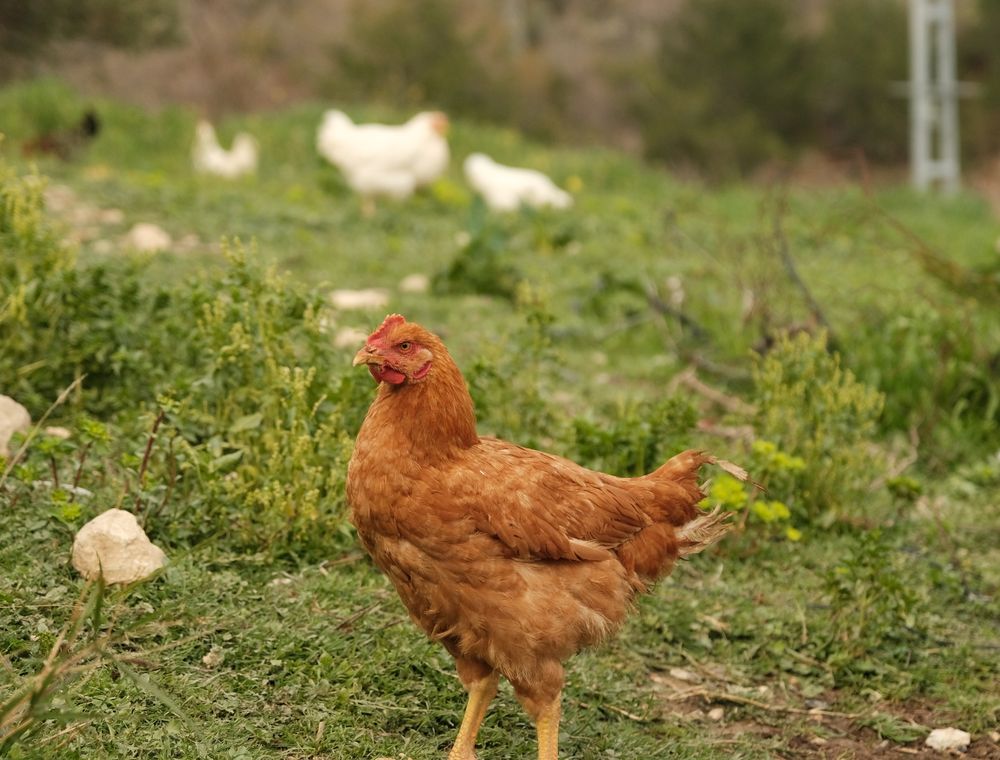
Short answer: Aseel are an old, upright heritage breed with tight feathers, strong legs and a slow, deliberate growth rate. In Ghana they handle free range and rough living well, but a cockerel can take most of a year to show his adult form and hens lay modest numbers of eggs. Keep them for hardiness and heritage rather than speed, and check the rules in your district before you keep gamefowl.
Key takeaways
- Aseel are a slow, heritage breed built for hardiness rather than speed or egg count.
- Expect a cockerel to look young for months, and give him most of a year before you judge him.
- Keep one cockerel to five or six hens, and plan what happens to the other males early.
- Check the rules on keeping gamefowl with your district assembly and your vet before you buy.
- Feed a grower ration built for steady growth, and keep the run dry and shaded all year.
Give an aseel six months before you judge it
The most common complaint we hear about aseel is that the bird is slow. A customer buys a cockerel that looks promising at ten weeks, and by the fourth month he is all legs and attitude, with none of the bulk he was supposed to have. The bird is not failing. It is just on its own clock.
Aseel are an old heritage breed from the Indian subcontinent. They were kept for their hard, upright build and their stubborn character, not for speed on the scale or eggs in the basket. If you come to them expecting a broiler's growth or a layer's count, you will be disappointed in both. If you come to them for a bird that stands up to rough ground, poor shelter and a hot afternoon, you will find a good deal.
This guide explains what an aseel is built for, how its growth runs, how to house and feed it in Central Region, and what a flock of one cockerel and a few hens looks like on a Ghanaian farm.

What an aseel is built for
Look at an adult aseel and the build tells you most of what you need to know. The body is firm and muscular, the posture upright, the legs long and strong, and the plumage tight and hard against the body. The comb is small, the head is bold, and the bird carries itself as if it expects to be challenged.
That build comes with trade-offs. The tight feathers shed rain well and protect the bird from scratches, which is useful in a free-range yard full of thorn and rough bush. The long legs and upright stance let it move quickly over uneven ground. The muscle is real, and an adult cock can weigh well over three kilograms, but the meat comes slowly and the bird is not a fast table bird.
Colour varies widely, from the wheaten and red-brown shades that most people picture to darker and paler forms. Colour tells you little about performance. Judge a bird by its frame, its legs, its eyes and how it moves, not by how it looks in a photograph.
The fighting reputation, and what this guide does not cover
Anyone who has spent time around gamefowl knows the aseel's name is tied to cockfighting in parts of the world. That history is not a secret, and we will not pretend otherwise. This guide is about keeping aseel as hardy, dual-purpose and heritage birds on a farm or in a backyard. It does not cover fighting, and we would not advise you on that.
The rules around keeping gamefowl, and around any form of cockfighting, are not the same everywhere and they can change. Before you keep any gamefowl, check with your district assembly and your local veterinary office. We are a hatchery, not the right source for the legal position, and we would rather you asked the people who can answer it than relied on what a neighbour says.
What we can say from the hatchery side is this. An aseel that is kept well is calm enough to live with other birds, provided its space is adequate and the cockerels are managed. Most of the difficulty we hear about comes from keeping too many males together, which is a management problem whatever the breed.
Growth on its own clock
Aseel grow more slowly than the meat breeds we sell, and they keep growing for longer. A cockerel will look like a young bird for several months, and a good number do not reach full size until well into their first year. Hens are lighter, settle earlier, and are easier to judge.
The table below is the rough sequence we describe to customers. Use it as a guide to what is normal, not as a fixed schedule, and take your vet's advice if a bird falls well behind the rest of its group.
| Age | What is normal | What to do |
|---|---|---|
| 0 to 8 weeks | Chicks look fluffy and quick, with feathers coming through slowly | Warm brooder, dry litter, and feed and water they can reach at once |
| 2 to 4 months | Legs lengthen faster than the body, and the bird looks gangly | Feed a grower ration and keep the run dry, because the legs are still soft |
| 4 to 6 months | Body begins to fill, comb stays small, cockerels start to show their temper | Separate the cockerels you do not plan to keep and check the feet and vent |
| 6 to 12 months | Cockerels fill out and carry their weight, hens begin to lay if they are going to | Decide your breeding pen, and move to a layer ration for the hens in lay |
| 12 months and up | Adult form, with the stance and shape the breed is known for | Judge the flock on its condition and on the eggs from the second year |
Feed does not make an aseel grow faster in the way it does a broiler. A bird pushed onto a high-protein ration will put on weight in the wrong places and may develop leg problems before its skeleton is ready. Give it a balanced grower ration, enough room to walk, and time.
Laying and broodiness
Do not buy aseel for eggs. The hens lay, but in numbers that are modest next to a commercial layer, and the eggs are generally smaller than the ones you find in a supermarket tray. A hen will often lay a clutch and then go broody, which is one of the breed's more useful habits if you want to hatch your own birds.
Broodiness can also be a nuisance. A broody hen stops laying, refuses to leave the nest, and bristles when you reach under her. If you do not want her to sit, lift her off the nest each day, keep the nest contents cleared, and give her a dark, quiet place to settle elsewhere if she keeps returning.
If you do want her to hatch a clutch, the steps are in our guide to hatching eggs with a broody hen in Ghana. Keep the nest dry, shaded and away from the other hens, and remember that a broody aseel is a tough sitter. She will hold the nest through a lot of weather. Make sure she can reach feed and water without leaving the eggs for long.
- Mark the eggs you set with the date, so you know when to expect them.
- Candle the eggs around day seven to remove infertile or early dead eggs.
- Check that the hen comes off the nest to feed and drink once a day, at least.
- Keep dust and mites out of the nest box, and change the lining if it gets damp.
Housing and fencing a bird that can fly up
An aseel is a strong, active bird and it will fly up to a roost if it has a reason to. Give it a secure house with a roost at a sensible height, and a run with a fence that stops it leaving at dusk. A fence of two metres is not always necessary, but a low fence that a healthy cock can clear in one jump will cost you birds.
The house should be well ventilated but free of draughts at roost height. Use dry litter on the floor and keep the roost clear of droppings. An aseel that sleeps in damp, dirty conditions develops foot problems faster than a bird that sleeps on clean wood.
Separate housing matters more than people expect. Two cockerels in one pen will fight, and the fights can be serious. Keep the cockerels apart, or at least provide enough space and cover that a beaten bird can escape. Visual barriers, such as a tall bush or a panel at head height, reduce the number of fights in a mixed pen.

Heat and the dry season in Central Region
The aseel's tight feathers and upright body are well suited to heat, and it handles the open ground better than many heavier breeds. That does not mean it can be left in the sun. A bird in full sun on a hot afternoon will pant, stand with its wings held out, and stop eating, and the cocks sometimes stand in the open all day to show off.
Give shade from the start, both in the run and at the house. Keep water cool and clean, and in the hottest weeks of the dry season change it twice a day. Feed early in the morning and again in the cool of the evening, so that the bird is not forced to eat in the worst of the heat.
The harmattan, from December to February, brings dust and cold nights. An aseel does well in the dry air, but dust in the eyes causes problems, so check the eyes each morning. On cold nights, a partly closed house keeps the birds warmer than an open shelter with a dusty draught.
The rains bring their own work. Standing water in the run is a problem for any breed, and it is worse for a bird with long legs that will spend time walking through it. Move the drinker and feeder to drier ground after storms, and top up the litter before the wet patches set.
Feeding a slow grower without wasting feed
Aseel are not hard to feed, but they are easy to over-feed in the wrong way. A grower ration that is too rich pushes weight onto a skeleton that is still developing, and a bird that has free-range scraps as well may take in much more than it needs. The aim is steady growth, not speed.
Here is the plan we describe to customers who want a slow, strong bird. Use a starter crumble for the first weeks, then a grower ration through the first year, and switch hens to a layer ration only when they are close to lay. Keep the protein level on the label in mind when you choose a grower, and do not add extra protein powders unless your feed supplier or vet recommends it.
- Clean water at all times, with a second drinker for a larger group.
- Grit available so the bird can grind whole grain and seeds.
- Scratch grain as a treat in the afternoon, never as the main ration.
- Green feed in small quantities, such as leaves and chopped greens.
- Feed on a clean, raised tray, so the feed does not pick up dung.
Feed is the largest cost on any flock, so do the sum. A worked example: one cockerel and five hens, all adult, eat roughly 110 to 120 grams each a day. That is about 0.7 kilograms a day for the group, or around 21 kilograms a month. Multiply that by the price of the bag you buy, and then by the scratch and treats you add, to find your real monthly bill. Feed prices have risen sharply lately, so check today's market before you set your budget.
The basics of mixing your own ration are in our guide to poultry feed formulation in Ghana. For a slow-growing bird, a simple ration you understand is better than a complicated one you cannot check.
Need chicks for your next batch?
Send breed, number and town. We reply with price, hatch date and delivery cost in writing.
One cockerel and his hens
A cockerel that runs with too many hens exhausts himself, and a cockerel with too few hens picks fights with the others. For a small aseel group we normally suggest one cockerel to five or six hens, and a clear plan for every other male before the group forms.
Young cockerels arrive at the age where they begin to test each other, usually well before they are fully grown. Watch for chasing, pecking at the head, and a bird that is always on the edge of the group. Remove the one that is clearly losing, and give him his own space rather than letting the fight run on for weeks.
Hens are less of a problem. They establish a pecking order, and it is worth making sure every hen can reach the feeder and the nest. A bird that is shoved off the feed every day will lose condition within a fortnight, and you will not see it until she is thin.
If you are running a breeding pen, keep records of which hen sits on which clutch and which eggs came from which pair. It sounds fussy. It saves you from selling the wrong birds as breeding stock later.
Health: everyday checks, and when to call the vet
Aseel are generally sturdy, but a sturdy bird can still hide illness until it is well advanced. A daily walk through the run is the best health check you will ever do. Look at the eyes, the feet, the vent and the way the bird stands. A bird that sits hunched, with feathers fluffed out and a closed eye, needs attention that day.
Keep the flock on a vaccination and biosecurity plan that your vet drafts for your area. Biosecurity matters more than most keepers expect: clean boots, a clean run gate, and no visitors who have been in other flocks on the same day. Our guide on biosecurity on a poultry farm in Ghana covers the practical steps, and our guide to vaccinating chickens in Ghana explains the general schedule. Follow your vet's advice on timing and products.
Parasites are common in free-range birds. Check the feathers around the vent and under the wings for lice, and watch for a bird that scratches or looks thin. Treat only with products your vet recommends, and never give a dose you found on a forum.
Call your vet early if several birds stop eating, if you see sudden deaths, or if birds show breathing trouble, discharge from the eyes or nose, or twisted necks. Report unusual deaths to your district veterinary office as well. Early contact is the single cheapest decision you can make on a farm.
Where aseel fit on a Ghanaian farm
Aseel suit three kinds of keeper. The first is the heritage keeper who wants a traditional breed with a long history and a bird that looks like it was made for the ground it walks on. The second is the backyard keeper who wants a hardy, long-lived bird to roam a family yard, and who accepts that eggs will be few. The third is the small breeder who wants to build a line of hardy birds and has the patience to wait for results.
Aseel are a poor choice if you need quick meat or a steady egg count for the market. A faster dual-purpose bird such as our best dual-purpose choices for Ghana will give you more meat and more eggs in a shorter time. For a faster meat bird, the broiler chicks on our broiler page are built for that job.
A sensible plan for a mixed farm is to keep the aseel as a small heritage group away from your production flock, so that the two groups do not share housing, feed or equipment. That keeps biosecurity simpler and stops a slow-growing bird from holding up your sales schedule.
Before you buy: a short checklist
Aseel are not on our standard price list, so please ask us on WhatsApp at +233 24 915 1503 before you plan a brooder or a pen. Our breeds page lists the birds we stock, and our price page shows the starting prices we quote. Tell us what you want the birds for, how many you need and when you want them, and we will tell you what we can offer and what the timing looks like.
Before you order, work through this list.
- Decide what the birds are for: heritage keeping, backyard flock or a small breeding project.
- Check the rules on keeping gamefowl with your district assembly and vet.
- Plan one cockerel to five or six hens, and decide now what happens to the other males.
- Build a secure run with a fence the cockerel cannot clear easily, and a house with dry litter.
- Set up shade and a water supply that stays cool in the dry season.
- Agree a feed plan that is built for slow growth, not a broiler ration.
- Arrange a vet who will see the birds if they fall ill.
When you are ready, place your order through the order form, and we will confirm the price in writing before you pay. We deliver to all 16 regions, and our delivery page explains how boxes travel. If you have questions about the hatchery or the wider day-old chicks service, ask us before you commit.
Questions farmers ask
How long do aseel take to reach full size?
Longer than most meat breeds. A cockerel usually looks like a young bird for several months and often does not reach full size until well into his first year, sometimes later. Hens settle earlier. Give the birds time, feed them a grower ration rather than a rich broiler mix, and judge them on their condition at six and twelve months rather than on the size they reached at ten weeks.
Are aseel good for meat?
They can produce a firm, flavourful carcass, but they are not a fast meat bird. The muscle develops slowly, and a bird that is sold young will be small. If your plan depends on a short grow-out for the market, a broiler or a faster dual-purpose cross will serve you better. Aseel make most sense for a heritage flock, where the meat is a side benefit and the main point is hardiness and breed character.
How many eggs do aseel lay?
Modest numbers. Hens lay, but well below a commercial layer, and the eggs are usually smaller than the ones in a supermarket tray. Hens often go broody after a clutch, which can reduce the total count further in a season. If you need eggs for sale, choose a layer breed. Keep aseel for their hardiness, their character and the chance to hatch your own birds.
Can aseel live with other chickens?
Yes, with sensible management. Keep the number of cockerels low, give every bird enough space to feed and rest, and keep a visual barrier in the pen so that a beaten bird can get away. Introduce new birds slowly and watch the first two weeks closely. Aseel housed alongside calm, medium-sized breeds usually settle, but a cockerel that picks fights will need to be separated.
Are aseel legal to keep in Ghana?
Keeping an aseel as a backyard or heritage bird is a question for your district assembly and your local veterinary office, because rules on gamefowl and on cockfighting can change and can differ by area. We are a hatchery and not the right source for the legal position. Check with the local authorities before you buy, and keep records of your birds.
Do aseel go broody?
Many hens do, and a broody aseel is a determined sitter. She will hold a nest through a lot of weather, so make sure she can reach feed and water without leaving the eggs for long. If you do not want her to sit, lift her off the nest each day and clear the nest box. For hatching her own clutch, our guide on <a href="/blog/natural-incubation-broody-hen-ghana/">hatching eggs with a broody hen</a> explains the practical steps.
Where can I buy aseel chicks in Ghana?
We run a day-old chicks hatchery at Opeikuma, near Kasoa in the Central Region. Aseel are not on our standard price list, so message us on WhatsApp at +233 24 915 1503 with your numbers and your timing before you plan a pen. We will tell you what we can offer and confirm any price in writing before payment. Delivery goes to all 16 regions.


