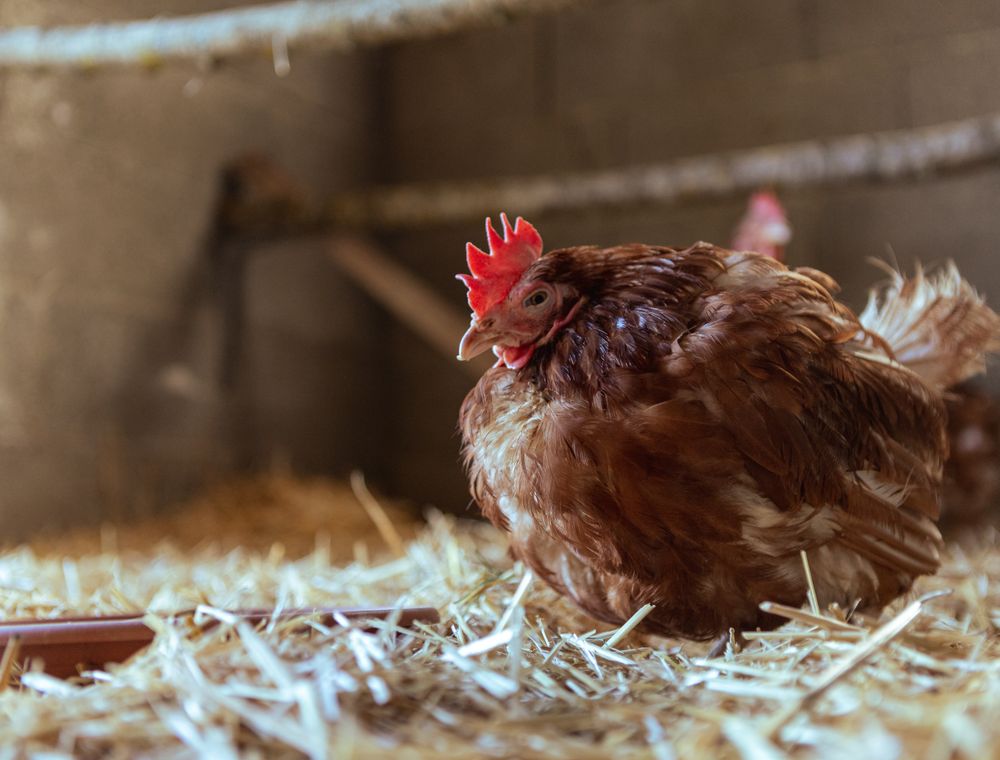
Short answer: A broody hen can hatch a small clutch with no electricity, which matters on the nights the power goes off. Pick a calm hen that has already gone broody, give her a dark, quiet nest off the wet floor, and set her with fresh, clean, similar-sized eggs. Keep her fed and watered, leave her alone on hatch day, and expect a smaller, slower hatch than a well-run machine gives you.
Key takeaways
- Choose a calm, settled hen that has shown broody behaviour, not a flighty young bird.
- Give her eight to twelve eggs of similar size, fresh and clean, not a big heap she cannot cover.
- Put the nest in a dark, quiet place raised off wet ground, and out of reach of rats and snakes.
- Leave her alone from day 18, and let the chicks dry under her for a few hours before you touch them.
- Expect a smaller and less predictable hatch than a machine, and plan the flock around that.
Why a broody hen still earns her place
A hen that wants to sit is the oldest incubator in the village. She keeps the eggs at body heat, turns them without being asked, and leaves the nest to feed and drink. No power bill, no thermostat, no fan. For a family that wants a few chicks for the compound, she is often the right tool.
She is not a tool for big jobs. A broody hen hatches a small clutch at a time, she hatches it on her own timetable, and she will sometimes abandon the nest with half the eggs still in it. We run a machine at our hatchery in Kasoa because a machine gives us the same set of conditions every day. The hen gives you a gamble with real rewards.
That gamble is worth taking in three cases. When you want a handful of chicks for your own birds, when the power has been off for two days and your eggs are already in the nest, or when you are learning what a hatch looks like before you spend money on a setter. Our article on choosing an egg incubator for beginners covers the other side of that choice.
Choosing the right broody
Not every hen that sits is a good sitter. A good broody stays on the nest through the day and night, puffs up and growls when you reach under her, and does not run off the moment the eggs are disturbed. A poor one hops out every hour, leaves the eggs cold, or sits on the floor in the open.
Look for these traits in the flock before you set any eggs:
- She has already gone broody at least once and sat a full clutch through.
- She is calm when handled and does not panic when you lift her from the nest.
- She is mature, not a pullet trying her first nest.
- She is in good body condition, not thin from a recent illness or too fat to move.
- She is not showing mites, lice or a runny nose, which spread to chicks quickly.
Local hens are often better sitters than the high-yield layers. A Kuroiler or a local cross that has been sitting in the compound for a season is a good bet. Our notes on Kuroiler and Noiler chicks cover the coloured dual-purpose birds, which many growers keep as both layers and sitters.
Building the nest in Ghana's heat and rain
The nest is where most broody hatches are won or lost. The hen needs a place that is dark, quiet, dry and off the ground. A ground nest in a wet corner will mould within a week in the rains, and a nest in the middle of the yard will be disturbed by children, dogs and the cockerel.
A simple nest works well. Use a wooden box, a plastic crate or a basket about the size of a bucket, with a little dry straw or grass in the bottom. Set it on bricks or a platform so the base sits above the wet. Put it in a corner of a shed or a coop, away from the feeders and drinkers, and out of the path of the other hens.
Harmattan and the rains work in opposite directions. In December the dust gets into everything, and the nest needs a light cover to keep the air clean without blocking the hen's view of the exit. In the rainy season the risk is damp. Change the straw more often, and check that the box does not sit in a draught or a puddle. Cold nights are a problem for chicks, not for the sitting hen, but a cold, wet nest can chill the eggs when she gets up.
- Choose a dark, quiet corner of a shed or coop, away from feeders.
- Raise the nest off the wet ground on bricks or a platform.
- Line it with dry straw or grass, and replace it when it is damp.
- Block rats and mongooses from getting in beside her.
- Check for snakes around the nest area before you set the eggs.
Choosing and storing the eggs you give her
The eggs decide the hatch more than the hen does. Use fresh eggs that are clean, unbroken and of a similar size and shape. A mix of very large and very small eggs means some get too little heat and others too much, and the hen cannot sort that out. Our notes on choosing fertile eggs give the checks we run on every egg that goes into a setter, and they apply just as well to a nest.
Store the eggs for no more than about a week before she sits on them. Keep them somewhere cool and steady, with the pointed end down, and turn them gently each day. The longer the storage, the lower the hatch, and an egg held for three weeks may never develop at all. Our article on storing fertile eggs sets out the details.
Do not wash the eggs. Wipe any soiled ones gently with a dry cloth, and do not set cracked eggs or eggs with a visible smear of faeces, because those can carry bacteria into the nest and the hen can pick them up.
How many eggs one hen can cover
A hen can cover only as many eggs as she can keep warm under her body. Too few and the eggs stay cool. Too many and the eggs on the edges miss the heat, and she may leave the nest. Hen size, feather cover and the breed all change the number.
| Hen type | A workable clutch | Notes |
|---|---|---|
| Small local hen | About 8 to 10 eggs | Good for a family flock; most clutches are small |
| Medium local or dual-purpose hen | About 10 to 12 eggs | A common size for Kuroiler-type sitters |
| Large or heavy hen | About 12 to 14 eggs | Check that all eggs get warmth; move eggs if the edges go cool |
These numbers are practical starting points, not limits set in stone. Watch her the first night. If she is comfortable and the eggs are all under her, the number is right. If she shifts about, pulls eggs out or leaves early, take a few eggs away and try again.
Setting her: the first night matters
Set the hen in the evening, after the other birds have gone to roost. A hen that is moved to a new nest in daylight will often walk off and not come back. Lift her gently, check her feet and her backside, and place her on the eggs with the box already in its corner.
Mark the eggs with a pencil and the date. A simple mark on the shell lets you tell the set eggs from any others that might be added later, and it lets you track what has happened to each one. Write the setting date in the flock book the same night.
Leave her alone for the first night, and do not check her every hour. A few minutes in the morning is enough. If she has come off the nest and the eggs are cold, put her back and check again in an hour. If she will not settle at all after two nights, move her to another nest or let her go, and try a different hen.
Days 1 to 18: what she does and what you do
Once she is settled, her routine will be: sit for most of the day, come off once or twice to eat, drink and empty, then go back to the eggs. Most hens leave the nest in the morning and return within twenty minutes or so. A hen that stays off for an hour or more is a warning sign, and so is one that never leaves at all.
Give her feed and water within reach of the nest, in a clean container she can get to without stepping far from the eggs. Keep a small amount of grit and a little green feed beside her. A hen that sits for three weeks without eating well loses condition, and her body heat drops.
Check for mites and lice every few days. A hen that scratches constantly, or whose skin looks red and dirty around the vent, has parasites. Treat her with a product your vet recommends, and dust the nest box. Infested birds in a nest spread mites to the chicks almost at once.
- Check she is on the eggs in the morning and evening.
- Top up feed and water once a day.
- Keep the straw dry and replace it weekly, or sooner after rain.
- Look for mites and lice every few days.
- Keep rats, dogs and cats out of the nest room.
Need chicks for your next batch?
Send breed, number and town. We reply with price, hatch date and delivery cost in writing.
Candling on day seven without stressing the hen
You can check the fertile eggs on day seven with a strong torch in a dark room. Lift each egg carefully and hold it to the light. A fertile egg shows a dark spot with thin red veins spreading out from it. A clear egg looks even all the way through.
Be quick. Each egg should take a few seconds, and the hen should go back on the nest within a minute or two. Do not do this in the heat of the afternoon, and do not do it if she is already restless. Lift the hen off only if you have to, and set her back on the nest the moment you finish.
Remove clear eggs from the nest. A clear egg left in the nest can start to smell and encourage the hen to lose interest. Write down the number of fertile and clear eggs. That number is the first real measure of your hen and your males, and it helps you decide whether the next hatch is worth setting.
Hatch day: leave her alone
Around day 19 to 21 you will hear the first chicks. Pipping, where the chick makes the first hole in the shell, can take many hours. The chick then rests and breathes before it zips around the egg. This is the most sensitive time in the whole hatch, and the single biggest mistake growers make is to help too early.
Do not lift the hen while chicks are emerging. Do not open the nest to see how they are doing. Each lift lets cold air in and disturbs the chicks already out. Our article on whether to help chicks hatch explains when intervention is ever reasonable, and the honest answer is that it is rarely right on a nest.
Leave the hen and the chicks alone for the first few hours. The chicks dry under her and become fluffy. Only then should you check the nest, removing any shells and any eggs that are clearly dead, and placing those away from the nest. A dead egg with a bad smell can go off in the nest and make the others worse.
After the hatch: mother and chicks
Once the chicks are dry and moving, the hen will stay on the nest for a day or two and then begin to take them out. Keep the nest and a sheltered run close together for the first week. Give the hen and the chicks feed, clean water and a dry corner away from the other birds, and watch the chicks closely for the first three days.
Night cold is a real risk in the harmattan. Chicks that cool down huddle, and a huddle of wet or cold chicks piles up and smothers. A small heat source or a sheltered box with a lid and a small opening will save chicks in the first week. Our article on the first 48 hours with new chicks covers the early care in detail, and the same rules apply to chicks raised by a hen.
Do not forget vaccination. Chicks hatched by a hen have not had the hatchery vaccines we give our day-old chicks. Ask your vet for a schedule for them, and follow it.
When it goes wrong, and what the hen teaches you
Broody hatches fail for ordinary reasons. The hen left too often, the nest was damp, the eggs were stored too long, or the hen was mite-ridden. When a clutch hatches badly, open a few failed eggs on the day after hatch. The stage at which they stopped developing tells you where the problem began. Our diagnostic notes in why eggs don't hatch walk through the same checks you would use for a machine.
Some hens will abandon a clutch halfway through. If she leaves for good, the eggs will not develop once they cool, so remove them and bury or dispose of them. Give the hen a rest and try again in a few weeks if she still wants to sit, or let her return to laying.
Keep a short record of each hen: the date she sat, the number of eggs, how many were fertile at day seven, and how many chicks she brought off. Over two or three clutches you will know which hens are worth keeping on the nest.
If you need a larger hatch than a hen can manage, or you want to plan a steady supply of chicks through the year, the easier route is to buy from a hatchery. You can see our day-old chicks range and place an order at the order form, or message +233 24 915 1503 on WhatsApp if you want to talk through what suits your compound.
Questions farmers ask
How long does a broody hen take to hatch eggs?
Most chicken eggs hatch in 21 days from the day the hen starts sitting full time. Eggs can take a day or two longer to hatch on a hen than in a machine, because she is not holding the temperature as tightly. Expect chicks around day 21 and allow a little margin, but do not lift the hen before day 22 unless the nest is wet or unsafe.
Can a broody hen hatch guinea fowl or turkey eggs?
Some can, but they take longer and the hen needs a larger nest for a larger egg. Guinea fowl eggs take around 28 days and turkey eggs even longer, so check the incubation time for the species before you set. Our notes on hatching guinea fowl and turkey eggs in a machine give the timings you would need to plan around.
Should I turn the eggs under a broody hen?
No. A sitting hen turns the eggs herself as she shifts on the nest. Do not lift and turn them yourself, because that cools the eggs and can break the shell. Only move eggs when you need to make room or remove a dead one.
How do I stop a hen from going broody again too soon?
Take her off the nest and put her in a separate pen with light and food for a few days. Lift her out at each attempt and keep the nest empty. A hen that is broody for weeks stops laying, so breaking the cycle quickly keeps her productive.
What hatch rate should I expect from a broody hen?
A broody hen usually hatches fewer chicks than a well-run machine, and the rate varies a lot from hen to hen. Treat the first clutch as a test. If fertility at day seven is good and the chicks come out, the hen is worth keeping for the next. Do not judge her on a single clutch alone.
Can I hatch eggs from my own hens or should I buy fertile eggs?
You can use your own hens if the males are sound and the eggs are clean, fresh and stored correctly. If your flock does not have a healthy male, or the eggs are being laid on the floor, buy fertile eggs from a reliable source instead. Ask for the age of the eggs and how they were stored before you pay.


