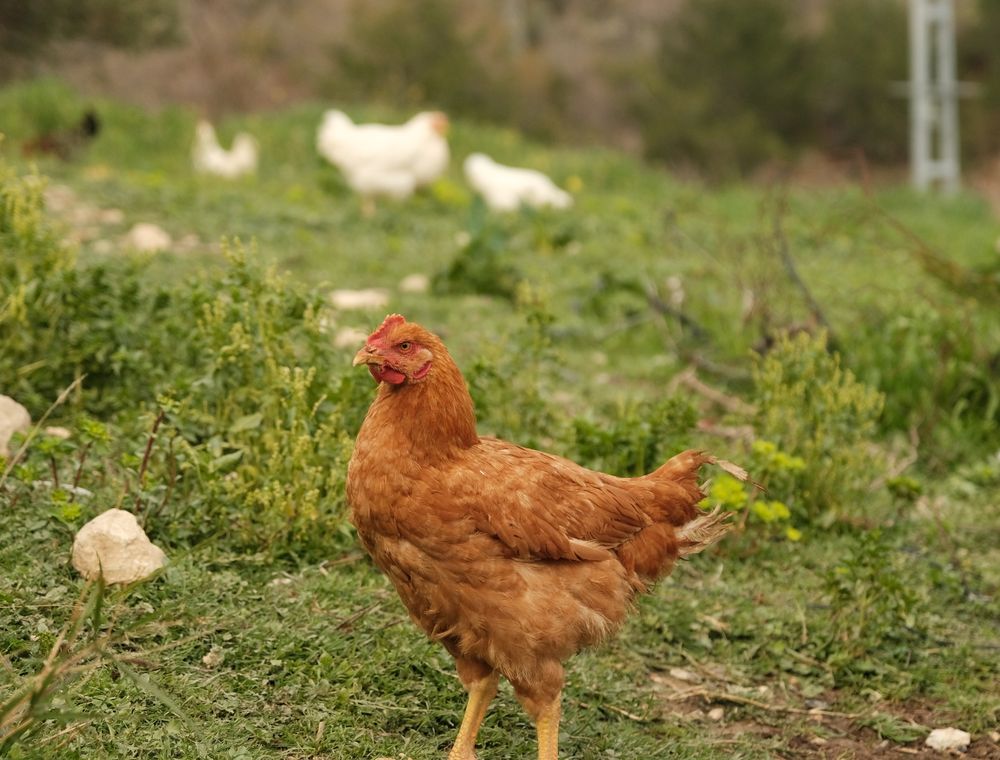
Short answer: A breeder flock sets the ceiling for every hatch. Fertility depends on the birds' weight, feed, health and how their eggs are collected and handled before they reach the setter. Weigh a sample every two weeks, collect eggs three to four times a day, and keep a weekly count so a fall in fertility shows up while you can still act on it.
Key takeaways
- Fertility starts in the breeder house, long before the incubator is switched on.
- Weigh ten males and ten females every two weeks and act on the trend, not one reading.
- Collect eggs three to four times a day and keep nests clean and dry.
- Feed breeders for body condition and vitamins, not just for bulk.
- Count eggs, fertile eggs and chicks each week so a drop shows early.
Why the breeder flock decides what hatches
The first egg you set is decided long before it goes into the machine. It is decided by the birds that laid it, what they ate last month, whether they were sick in the dry season, and how the eggs were handled between the nest and the tray.
At our hatchery in Kasoa we treat the breeder flock as the real factory. The incubator only finishes what the flock started. Weak eggs make weak chicks, and no amount of careful lockdown on day 18 will rescue a set that never had good fertility to begin with.
Most growers who ask why a hatch went poorly start with the machine. The answer is usually in the breeder house. The birds were too heavy, the males were crowded out at mating time, the eggs sat in a hot nest for hours, or a respiratory problem went through the flock quietly for three weeks. Fix the flock and the incubator suddenly looks fine.
Buying in parent stock or raising your own
Most small operations buy in point-of-lay breeders or hatching eggs from a supplier rather than rearing their own parent stock. That is a sensible choice. Parent stock from a dedicated breeder takes many months to rear, and a flock that is not managed to a proper breeder programme drifts in weight and fertility within a few cycles.
If you buy birds, ask for the flock's age, its vaccination record and the weight it was at point of lay. A good supplier sends that without fuss. If they cannot tell you the age of the birds, do not buy them. Ask whether the stock is local or imported, because the feed and health plan changes with the source. Our hatchery hatches locally and imports parent stock from the Netherlands, Belgium and Germany, and the two are not managed the same way.
Raising your own breeders is possible. It needs a separate rearing house, a proper growth plan and patience. For most readers the simpler route is to buy correct stock once, keep it healthy, and replace it on a schedule rather than trying to breed up a flock in the backyard.
Whichever way you go, write down the source, the arrival date and the weight on arrival. You will need those numbers when the fertility line starts to slide.
Weight and body condition: the numbers that matter
Breeders are not table layers. Their weight, and the weight of the males in particular, decides how well they mate and how many eggs come out fertile. A male that carries too much fat struggles to mount a hen. A thin, stressed male mates less often and with less force.
Weigh a sample every two weeks. Take ten males and ten females at random, weigh them in the morning before feed, and compare the averages with the target your breeder supplier gives for the age of the flock. A steady climb over several weeks means the birds are getting fat. A steady fall means they are short of feed or losing the feed race to a bully.
Look at the birds as well as the scale. A hen should feel supple over the breastbone with some muscle cover, not sharp bone and not a soft pad of fat. A male with a deep keel and firm breast is in good shape. Birds that are too heavy have a bigger problem later: they lay fewer eggs, and the eggs they do lay are less fertile.
Uniformity matters as much as the average. A flock where every bird sits in a narrow weight band mates evenly. If two or three birds are much heavier than the rest, they often dominate the others and keep the lighter ones from mating.
Feeding breeders: more than a layer ration
Breeder feed balances nutrients differently from a table-layer ration. The aim is to keep the birds in condition, support shell and yolk quality, and supply the vitamins and minerals that fertility depends on. A vitamin shortfall in breeders often shows up first in the hatch, not in the birds themselves.
Feed by the bird, not by the bag. Weigh what you put out, count the birds and work out grams per bird per day. Adjust in small steps, a few grams at a time, and check the weights two weeks later. Do not change the feed brand in the middle of a cycle without a plan. A switch in protein or energy can cut egg numbers for a week or more.
| Stage | What to watch | Typical problem if missed |
|---|---|---|
| Rearing to point of lay | Weight against the target curve, steady growth | Overweight birds at lay, late peak production |
| Early lay (first weeks) | Egg size, shell quality, daily numbers rising | Small eggs, soft shells, slow climb |
| Peak lay | Feed intake, stable body weight, fertility | Falling fertility while the birds look fine |
| Late lay | Weight gain, shell thickness, male condition | Fat birds, poor mating, weaker eggs |
Clean water matters as much as the ration. Breeders need fresh water at all times, and in the harmattan dust they drink more than most growers expect. A drinker that runs dry for a morning is a real setback for fertility the following week.
Nests and egg collection, four times a day
The nest is where a breeder egg loses quality fastest. An egg left six hours in a dirty nest picks up bacteria through the shell, and a restless hen can crack an egg or smear it with faeces. In Ghana's heat, one afternoon in a warm nest is enough to start the embryo in eggs you wanted to store.
Collect at least three times a day in the cool months and four in the hot season. The first round should happen early, before the birds have laid most of their eggs. Late collection is where most cracked and dirty eggs come from. Keep a clean tray for each round, and never carry the day's eggs in a bucket with yesterday's eggs still at the bottom.
Handle each egg with a clean hand. Do not wash hatching eggs with water unless you have a proper method and understand what it does to the cuticle. Water pulls bacteria through the shell. A dirty egg can be wiped gently with a dry cloth or fine sandpaper. Badly soiled eggs go aside for eating, and cracked eggs go to the kitchen, never to the setter.
- Collect at least three times a day, four in hot weather.
- Use clean, dry nest material and replace it when it is soiled.
- Label each collection with the date and the house.
- Move eggs to the store within a few hours of collection.
- Discard cracked, very dirty or badly misshapen eggs.
- Write the count for each house in the daily log.
When you are ready to store and select the eggs, our notes on choosing fertile eggs and storing them before incubation pick up where this section stops.
Health and the vet's schedule for breeders
Breeders are the birds you can least afford to lose, and the diseases that matter most for them are the ones that run through the whole flock quietly. Respiratory signs, a drop in egg numbers with thin shells, and a rise in deaths over a few weeks are the usual early warnings. Any of them should send you to your vet, not to a bottle from the shop.
Follow your vet's advice on the vaccination programme for breeders. Breeders usually need a different programme from table birds, because their job is to pass protection to their chicks through the egg. Ask your vet for a schedule that suits your source and your region, and keep the dates in your record book. The batch record we send with our chicks works the same way: it is only useful if the paperwork behind the birds is just as careful.
Biosecurity is where most breeder losses begin. Keep visitors out of the breeder house, use a footbath at the door, and keep wild birds away from feed and water. Our article on biosecurity on a poultry farm covers the whole site. For breeders the rule is simple: the fewer people who walk among the birds in a day, the better.
Do not medicate the flock without a diagnosis. Withdrawal times matter for eggs you plan to hatch, and a wrong treatment can cost more than the disease. If a bird looks unwell, isolate it, observe it and call your vet.
Taking birds out of the flock
A breeder past her best costs you money every day she stays. A hen whose egg numbers have dropped, whose eggs are getting smaller and whose fertility is falling needs replacing. So does a male that is lame, badly feathered or consistently poor at mating.
Replace males on a schedule rather than waiting for them to fail. When a male leaves, the flock behaviour changes for a few days. Introduce a new male gradually if you can, and expect fertility to dip while the birds settle. Our piece on male-to-female ratios in breeders goes into the numbers behind that decision.
Keep any removed bird apart until you know why it was removed. If you suspect disease, isolate it and get advice first. Do not return a doubtful bird to the breeder house because the numbers are short that week. That habit is how a single sick hen becomes a flock problem.
Need chicks for your next batch?
Send breed, number and town. We reply with price, hatch date and delivery cost in writing.
Light, heat and stress in the breeder house
Light drives the breeder cycle. Too little light in the dark months and the hens slow down. Random light, where the lamps go on and off at different times, and the birds lose their rhythm. Keep one fixed daily light period and do not move it by the hour. Dim the lights gently at night so the birds do not pile into the feeders or into each other.
Heat is the bigger problem in Ghana. Breeders in a hot house lay fewer eggs, and the eggs that come out are smaller and less likely to hatch. Give them shade, airflow and cool water. Our article on heat and egg drop in layers covers the detail. The short rule is to keep the house as close to the outside air as your design allows, and no hotter than it.
Stress from rough catching, loud noise, dogs and sudden feed changes also cuts fertility. Move slowly among the breeders and keep the routine the same from one day to the next. A flock that is startled every afternoon will not mate properly, however good the feed.
Records that tell you the truth
A breeder flock without records is a guess. You need four numbers every week: eggs collected, eggs saved for setting, eggs fertile when candled, and chicks hatched. The gap between the second and third tells you how well the males are doing. The gap between the third and fourth tells you about storage, temperature and the machine.
Add the weight samples and a line for feed given, water observations and any sickness. In a year you will have a picture that shows exactly when fertility starts to fall and what was happening at the time. The guide to poultry record keeping sets out a simple book you can start this week.
We keep the same kind of log at our hatchery. It is less exciting than a new feed or a new product, and it saves more money than either.
- Weights every two weeks: ten males and ten females, same time each day
- Eggs collected, saved and fertile, counted by house and by week
- Feed given in kilograms, and the grams per bird worked out from it
- Water checks: drinkers filled, cleaned and checked twice a day
- Vaccinations and treatments with the date and the vet's name
- Any death, with the bird's weight and a note on what you saw
When fertility falls: where to look first
Start with the data you have. Pull the last four weeks of egg counts and fertility. If fertility dropped first, look at the males and their weights. If egg numbers fell first, look at feed, light and heat. If chicks died in the first few days, look at storage and the setter.
Change one thing at a time and give it a week before you judge. Growers who change the feed, the lights and the males in the same week never learn which change helped. They just end up with a different set of problems.
If you cannot find the cause in the records, bring a sample of eggs and a few birds to your vet. Send the numbers too. A vet who can see the weights, the counts and the hatch results will get to the answer much faster than one who is guessing from a description of dead birds.
If you want a second opinion from people who run a hatchery every week, message us on WhatsApp at +233 24 915 1503 with your counts and weights. We will tell you honestly whether the figures look like a flock problem or a machine problem. If you are buying day-old chicks from us rather than rearing parent stock, our layer day-old chicks page lists what we supply, and you can place an order at the order form.
Questions farmers ask
How do I know when my breeders are at point of lay?
Use your breeder supplier's age and weight guide as the reference, since they know the strain. Start watching egg numbers and shell quality closely as the first eggs arrive. If the flock is not reaching a steady daily count within the time your supplier describes, check weights and feed before you blame the birds. Do not set eggs from the first few days of lay, because they are often small and less fertile.
How many times a day should I collect hatching eggs?
Three times a day in the cool months and four in the hot season is a sound starting point. The first round should be early in the morning, before most eggs are laid. Late collection is where dirty and cracked eggs come from, so a fourth round in the afternoon during heat is worth the labour. Keep each round labelled and move eggs to storage quickly.
Should I wash fertile eggs before setting them?
Not with ordinary water. Washing pulls bacteria through the shell and can make hatching worse. A dirty egg should be wiped gently with a dry cloth or fine sandpaper. Eggs that are badly soiled are better used for eating. If you have a method your vet or supplier has approved, follow that, but do not wash by habit.
Why did my fertility drop suddenly when the egg numbers looked normal?
The usual causes are males that are too heavy, too thin or unwell, a recent change in the male-to-female balance, or a respiratory problem that is not yet visible in the birds. Heat stress and a late change of feed can also cut fertility while egg counts hold up for a while. Check the male weights and the vaccination record first.
Do breeders need a different feed from table layers?
Usually, yes. Breeder rations are balanced for body condition, shell quality and the vitamins and minerals that support fertility. A table-layer feed can work for a while, but over several months many breeders end up too heavy or short of the nutrients that matter for the embryo. Ask your feed supplier or vet which breeder ration fits your source.
Can I keep breeders and table layers in the same house?
It is better not to. Breeders need controlled feed, weight checks and a steady routine, and table layers are managed for high egg numbers. Mixing them makes it harder to track which birds are producing the hatching eggs and which are not. Keep the flocks apart if you can, and label every collection by house.


