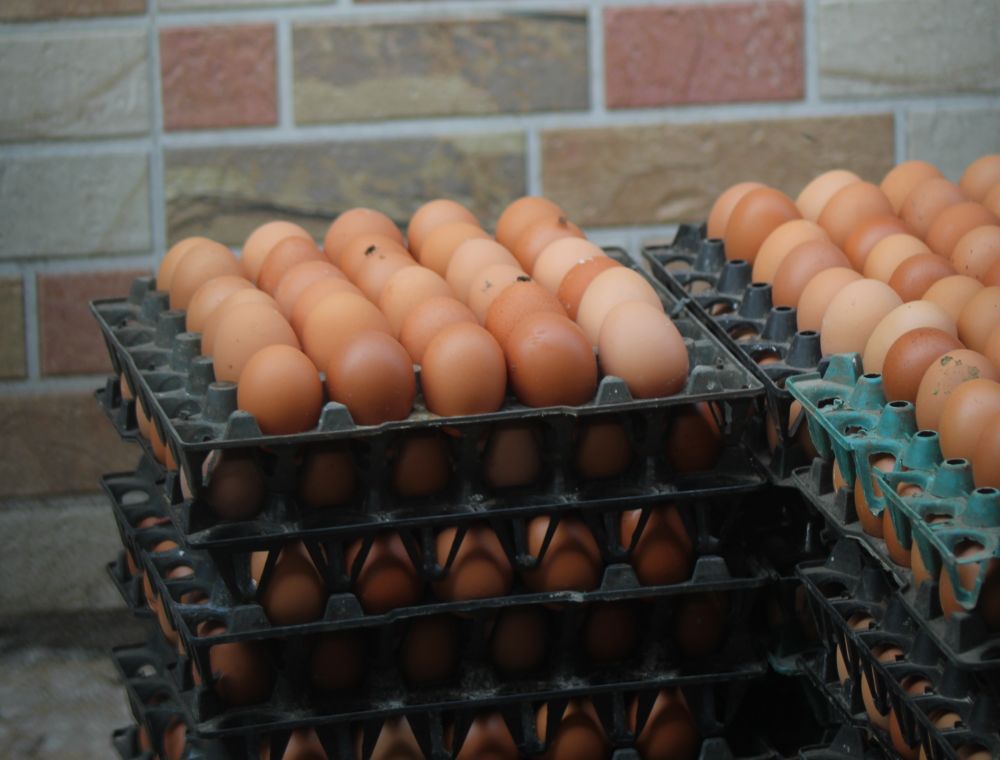
Short answer: Poultry record keeping means writing down the numbers that drive the business every day: birds alive, deaths, feed used, eggs or weight gained, and costs. Those numbers let you calculate feed conversion, mortality and profit per bird, and show you early when something is going wrong. A notebook with a simple daily template is enough to start, and it will tell you more than memory ever can.
Key takeaways
- Record birds alive, deaths, feed used and production every day, in the same format for every house and every batch.
- Calculate feed conversion ratio from feed used and weight gained, and compare it from one batch to the next.
- Record the cause and pattern of every death, not just the number, so you and your vet can act on it.
- Keep cost and sales records alongside production, because profit is what the records must finally explain.
- Review the records weekly and compare each figure against your last batch, not against a textbook.
Why records decide profit
Most farmers can tell you roughly how their birds are doing. They know whether the house looks full, whether the eggs seem fewer than last month, and whether the feed bags run out faster than expected. What they often cannot tell you is how much each bird costs, how much feed each kilogram of weight takes, or whether the batch made money. Without those numbers, decisions are guesses, and guesses on a poultry farm are expensive.
Poultry margins in Ghana are often narrow, especially when feed prices move. A farm that loses two per cent of its birds to avoidable deaths, or uses a fifth more feed than it should, can lose its profit without anyone noticing until the year ends. Records make these leaks visible while there is still time to fix them. They turn a vague feeling into a figure you can check, and they show the trend before it becomes a loss.
Records also protect you in practical ways. They help your vet understand a sudden problem, because the vet can see when the deaths started and what the feed and water intake looked like. They support a bank or supplier conversation, because you can show the performance of past batches. And they let you learn from each cycle, so that the next flock starts from better decisions than the last.
Our hatchery sells day-old chicks in boxes of 50, and a farm that keeps its records well can see exactly what worked in the last cycle and what to change before it orders the next batch.
The core daily record
The daily record is the heart of the system. Use one line per house per day, and fill it in at the same time each day, ideally before the morning feed. If you keep more than one house, use a separate line for each. Keep the columns the same from batch to batch, so that you can compare like with like.
| Date | House | Birds alive | Deaths | Feed used (kg) | Eggs collected | Temp am / pm (°C) | Notes |
|---|---|---|---|---|---|---|---|
| 3 Mar | House 1 | 1,000 | 2 | 185 | not applicable | 31 / 34 | Chicks eating well, one bird separated from the group |
| 3 Mar | House 2 | 500 | 1 | 210 | 415 | 30 / 33 | Two soft-shelled eggs in the morning |
The example shows a broiler house and a layer house on the same day. Each has the same core items, and the notes column holds what the numbers cannot. A note like "two soft shells" or "one bird lame" is often the first clue to a larger problem, so write it down even when it seems minor.
Birds alive is the figure that gives your mortality and feed conversion their meaning. Count the birds carefully once a day, and reconcile the count with the deaths you have recorded. If the count does not match the previous day's count minus deaths, you have a problem with the count, or birds have gone missing, and either needs attention.
Weekly and batch records
Some records do not need daily entry, but they are just as important. Weigh a sample of birds each week, and record the average weight. For broilers, weigh a random sample from several points in the house, not only the birds that come to the front. Use a scale that you check regularly, and record the sample size as well as the average.
At the end of each batch, add up the totals. Record the chicks received and their source, the number sold or lost, total feed used, average final weight or egg production, the total cost, and the total sales. Give the batch a name or a date, so you can find it later. This summary page is the one you will look at most when you plan the next batch.
- Weekly average weight, with the sample size.
- Feed used in the week, compared with the week before.
- Vaccinations and treatments given, with the dates and the vet's advice.
- Any change in the drinker, feeder or litter condition.
- Batch total: chicks received, birds sold, deaths, feed, cost and income.
Mortality: count, classify and explain
A death count alone tells you little. Two farms with the same number of deaths can have entirely different problems. One loses birds on the first day, which often points to transport or the early brooding environment. The other loses birds steadily from week four, which may point to disease, feeding or a stocking problem. Record when each death happened, where in the house, and any sign you noticed before it.
Keep a simple mortality log next to the daily record. Note the date, house, age of the bird, and what was seen: no signs, respiratory signs, diarrhoea, lameness, or sudden death. If a vet performs a post-mortem, record the diagnosis and the advice. The log builds a picture over time, and it tells the vet exactly where to look.
Work out the mortality percentage for each batch. Divide the total deaths by the number of chicks placed, then multiply by 100. A batch that runs much higher than your last batch deserves a review of brooding, feed, water, vaccination and biosecurity, in that order. Our article on biosecurity on a poultry farm covers the routines that prevent many of the causes of loss.
Feed records and the feed conversion ratio
Feed is usually the largest recurring cost, so it needs the most careful records. Record every bag or kilogram that goes into the house, and the stock left in the store. Weigh the feed if you can, because a bag labelled 50 kg is not always 50 kg after a few months in the store. The difference between feed bought and feed used is a number worth tracking in its own right.
The feed conversion ratio, or FCR, is the kilograms of feed needed to produce one kilogram of weight gain. It is one of the most important numbers on a broiler farm, and a lower figure means better efficiency. Here is a worked example for one broiler batch.
| Item | Figure | Working |
|---|---|---|
| Chicks placed | 1,000 | From the batch record |
| Birds alive at sale | 950 | 1,000 minus 50 deaths |
| Average weight at sale | 2.0 kg | From the weekly sample weights |
| Total live weight | 1,900 kg | 950 birds multiplied by 2.0 kg |
| Total feed used | 4,200 kg | From the feed records |
| Feed conversion ratio | 2.21 | 4,200 divided by 1,900 |
In this example the batch needed 2.21 kilograms of feed for every kilogram of live weight. Compare that with your previous batch. If the figure rises, check the feed quality, the feeding practice, the birds' health and any waste from spillage. A rise of a few hundredths can matter a great deal across a large flock.
Note that this calculation uses live weight, and the figure will differ if you sell dressed birds. Keep the basis the same from batch to batch so that the comparison stays fair.
Egg production records
For layers, the key figure is hen-day production, which is the number of eggs laid as a percentage of the hens alive. Divide the eggs collected in the day by the number of hens alive, and multiply by 100. Record the eggs each day, as well as the cracked, soft-shelled and undersized eggs, because these show you how the flock is doing beyond the simple count.
Here is an example. A flock of 500 hens lays 415 eggs in a day. The hen-day production is 415 divided by 500, multiplied by 100, which gives 83 per cent. If the figure drops to 70 per cent over a week without an obvious reason, check the feed, the light programme, the water supply, the temperature and the health of the flock. Our article on increasing egg production explains the common causes of a fall.

Egg sales are easier to track when you record the grading. Count the eggs into crates of 30, note the damaged eggs separately, and record the crates sold and the price. Our own table eggs are sold in crates of 30, so farms that compare against that standard find it easier to plan their pricing.
Cost and sales records
Production records show what the birds did. Cost and sales records show whether it paid. Keep a simple ledger with one line for every purchase and every sale. Record the date, the item, the category, the amount in GH₵, how it was paid, and a short note. Use the same categories each time, such as chicks, feed, medicine, labour, fuel, repairs, and sales of birds, eggs or manure.
| Date | Item | Category | Amount (GH₵) | Paid by | Notes |
|---|---|---|---|---|---|
| 1 Mar | Cobb 500 day-old chicks, 1,000 at the from-price of 20 each | Chicks | 20,000 | Bank transfer | Price confirmed in writing before payment |
| 5 Mar | Starter feed, 2 tonnes | Feed | record actual figure | Mobile money | Batch 1, house 1 |
| 12 Mar | Vaccine and vaccination day labour | Health | record actual figure | Cash | As per vet's schedule |
The chick price in the example is the from-price in our current list, and your actual cost will depend on the breed, the quantity and the date. Always confirm the price in writing before you pay. Use the figures you actually paid in your own records, and do not rely on a remembered price.
At the end of each batch, add the costs and compare them with the sales. The profit per bird is simple to calculate once the totals are in: total income minus total cost, divided by the birds sold. Our poultry farm budget guide sets out how to build the cost side before you start.
Need chicks for your next batch?
Send breed, number and town. We reply with price, hatch date and delivery cost in writing.
Vaccination and health records
Keep a separate health log for every vaccine, treatment and vet visit. Record the date, the product name, the batch number from the label, the route of giving, the number of birds treated and the person who gave it. For day-old chicks bought from us, the batch record we supply is the start of the file. Put it in the front of the health log so that every later entry follows on from it.
A health log is also your evidence when you talk to your vet. Instead of saying that birds were sick last month, you can show the vet the date, the signs, the feed and water records and the vaccine history for that flock. That speeds up diagnosis and keeps the advice accurate. The vaccine schedule itself belongs to your vet, and you should follow it closely.
Record withdrawal periods for any medicine on the label, and mark the date when birds are safe for sale or for eggs to be eaten. This is a simple line in the log, and it protects both your customers and your business.
Choosing a system: notebook, sheet or phone
The best system is the one you will use every day. A hardbound notebook is cheap, works without power and survives a rainy-season walk around the house. Print a daily template and stick it inside the cover, so that the columns never change. A spreadsheet on a phone or laptop makes calculations automatic, but it needs power and a habit of backing up the file.
Whichever you choose, keep a copy. Photograph the notebook pages each week, or save the spreadsheet to a second device or an email account. Records lost in a fire, a flood or a stolen phone are records you cannot recover. Keep the originals safe and dry, away from feed dust and chemicals.
- Use the same template for every house and every batch.
- Fill in the record at the same time each day.
- Write in ink, and correct mistakes with a single line through the old figure.
- Back up the records each week.
- Keep the batch summaries together in one place.
Turning records into decisions
Records are only useful if you act on them. Set a target for the key figures before the batch begins: a mortality ceiling, a feed conversion target, a weight at a given week, and a production target for layers. Then compare the actual figures with the targets each week. A gap is a question, not a verdict, and the question is what to check first.
Here is an example of the process. A broiler house is on track for its weight target at week three, but the feed used in the week is 15 per cent higher than the previous week, and the average weight has not moved. The records point away from the birds' health and towards feed waste, spillage or a change in the feed. Check the feeders for spillage, weigh the feed you think you put in, and look at the litter. The answer is in the records, once you read them together.
Use the batch summary to decide the next batch. If one house consistently has higher mortality, check the house, the drinkers and the entry routine before you blame the chicks. If the best house has a lower feed conversion, ask why, and copy that practice in the others. Records make these comparisons possible, and they make the next batch better than the one before.
A weekly review checklist
Set aside thirty minutes each week, ideally on the same day, to review the records. The checklist below keeps the review short and focused on the figures that matter most.
- Daily records are complete for every house, with no blank days.
- Birds alive reconcile with the previous count minus deaths.
- Mortality for the week is compared with the target and the previous batch.
- Feed used is compared with the weight gain or egg output for the week.
- Average weight or hen-day production is compared with the target.
- Costs and sales for the week are entered and categorised.
- Vaccinations, treatments and withdrawal dates are recorded.
- Any question raised by the figures has a named action and a date.
If you are setting up a first batch, or want help choosing targets for your breed, you can reach our team on WhatsApp at +233 24 915 1503. Our current price list and the frequently asked questions on our website answer many of the questions we hear about starting out, and when you are ready to order, use our order form. Our hatchery page explains what we do, and the delivery page sets out how chicks reach farms across Ghana.
Questions farmers ask
What records should a small poultry farm keep?
At minimum, keep a daily record of birds alive, deaths, feed used and eggs collected for layers, with a notes column. Add a weekly weight sample for broilers, a simple cost and sales ledger, and a health log for vaccines and treatments. These records are enough to calculate mortality, feed conversion, egg production and profit per batch.
How do I calculate feed conversion ratio?
Divide the total feed used by the total live weight gained over the batch. For example, 4,200 kg of feed for 1,900 kg of live weight gives a ratio of about 2.21. Use the same basis for every batch, so that you can compare one batch with the next.
How do I calculate mortality for a batch?
Divide the total number of deaths by the number of chicks placed, then multiply by 100. A batch that started with 1,000 chicks and lost 50 birds has a mortality of 5 per cent. Record the cause and the age of each death, because the pattern often tells you more than the total.
What is hen-day production?
Hen-day production is the number of eggs collected in a day divided by the number of hens alive, multiplied by 100. A flock of 500 hens producing 415 eggs has a hen-day production of 83 per cent. Track it daily, and look at the trend over a week rather than a single day.
Do I need a computer to keep poultry records?
No. A notebook with a printed daily template is enough to start, and it works without power. A spreadsheet makes calculations easier, but the important thing is consistency and backup. Choose the system you will use every day and keep a copy of the records somewhere safe.
How long should I keep poultry records?
Keep batch records for at least the length of your business cycle, and longer if you may need them for a bank, a buyer, an insurer or a vet. Store the originals dry and safe, and keep a copy in a second place, such as a photograph or a second device.
What should I do when the figures look wrong?
Check the count first, then the feed records, then the weights and the health log. Look for the simple explanation before the complicated one, such as a miscounted batch, a feed delivery recorded on the wrong day or a sample weighed from the wrong part of the house. Once the figures are right, decide on an action and set a date to review it.
Why do records matter for profit?
Records show where money is being lost, such as high mortality, excess feed use or low egg production, while there is still time to act. They also show which practices produce the best results, so that you can repeat them in the next batch. Without records, these questions remain guesses.

