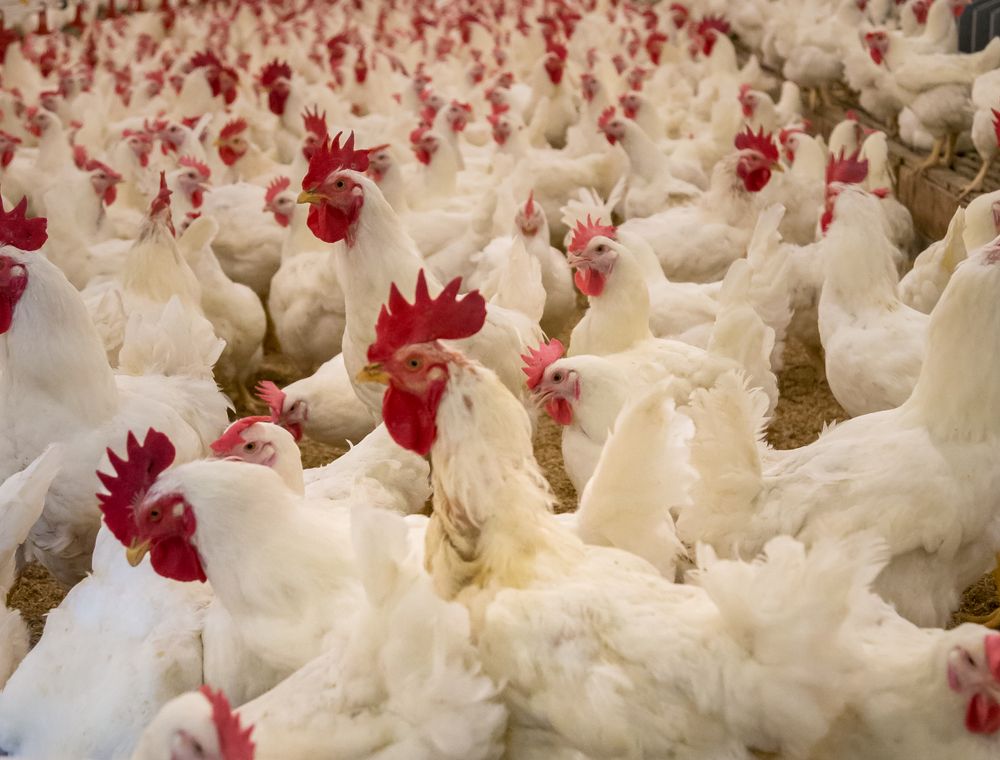
Short answer: Layers in Ghana usually lose lay when the air at bird height stays above roughly 30 degrees for several hours, and the drop shows in the egg tray within a day or two. Heat cuts feed intake, shell quality and lay rate together. Fix water first, then move feeding to the cool hours, then improve airflow. Read the birds at midday, not at dawn, because that is when heat stress shows.
Key takeaways
- Water comes first: check flow, drinker count and temperature at midday.
- Move the main feeding to the cool hours and keep feed fresh and dry.
- Keep the house airy and shaded, and do not add or move birds in the hottest weeks.
- Collect eggs more often when it is hot, and watch shell quality closely.
- Read the birds at 11 am and again at 2 pm, not only at dawn.
The first hot week shows up in the egg tray
At half past eleven on a March morning the house sounds wrong. The birds are quiet, many stand with their wings held a little away from their sides, and the feeder still holds more feed than it should at that hour. Two days later the egg count is down by a fifth. Farmers often blame the feed first, then the breed, then the vet, and only later look up at the roof.
In southern Ghana the hot, dry stretch before the major rains often runs from late February into April. That heat is the reason many flocks lose lay in the same weeks every year. The fix is not complicated, but it has to start before the birds show the problem.
Why heat cuts lay long before it kills
A hen is a small furnace. When the air around her is warmer than her body wants, she has to shed heat, and she does it by panting, lifting her wings away from her body and drinking more. Each of those costs energy. Panting uses up energy that would otherwise have gone into eggs, and it blows off carbon dioxide she needs to keep her blood chemistry steady.
Heat also cuts feed intake. A hen eats less when she is hot, so she takes in less energy, less protein and less calcium at the very time she is making an egg. The shell is where you see this first. Thin, rough or soft shells appear when calcium is not reaching the shell gland in enough quantity, and heat is one of the most common reasons it does not. Our egg production guide lists the other levers that protect lay.
The egg count falls because the hen is holding back. Some eggs are not laid, some are laid late in the day, and some come out small. Each of these shows up in the tray as a quieter house.
Read the birds at midday, not just at dawn
Dawn is the wrong time to judge a hot house. The birds are cool, the air is kind, and everything looks fine. Walk the house again around midday and again in the mid-afternoon, and look for the signs that heat stress is building.
- Birds with open beaks and fast breathing.
- Wings held out from the body, and birds bunching in the shade or along the edges of the house.
- Feed still sitting in the feeder at midday, when it should be going down.
- Drinkers running dry, or hens queuing at a drinker that looks slow.
- Eggs laid on the floor or in odd corners, where birds were looking for cooler spots.
Put a thermometer at bird height, not on the wall. A reading near the roof tells you little about the air the hens breathe. If you have a second thermometer, place it at the far end of the house, because the hottest spot is not always the middle.
Water first: flow, count and temperature
Water is the cheapest lever on the farm and the one most often overlooked. A layer drinks far more in very hot weather than in cool weather, and a drinker line that copes in March can run short by noon in April. Check three things every day during the hot season.

First, the flow. Run a hand along each drinker line and make sure every drinker is delivering. Air in the line, a blocked nipple or a kink in the pipe can cut the flow to the far end of the house while the front looks fine. Second, the count. There must be enough drinkers for the number of hens, and the hens at the back must be able to reach them without climbing over others. Third, the temperature. Water sitting in an open tank or a black pipe in full sun can warm enough to put birds off drinking. Shade the tanks, and cover the pipes where you can.
A simple test: on the hottest day, walk to the last drinker at midday and see whether water is coming out. If it is not, you have found part of the problem.
Shift the feeding to the cool hours
Hens eat less in the heat, and you cannot change that. You can change when they eat. Put the main feed out early in the morning, and top up again in the late afternoon as the house cools. Clear stale feed out of the feeder before it turns sour in the heat, and keep the stock in dry bags rather than a damp corner.
Calcium needs attention too. Layers that eat less may take in less calcium, so keep a separate feeder of oyster shell or a similar calcium source available at all times, and do not rely on the mash alone. Do not add a handful of anything to the feed on a whim. Talk to your feed supplier or your vet about whether the ration itself needs adjusting for the hot spell.
Do not change day length to try to fix the drop. Extra light in a hot house adds heat and does nothing for shell quality. Our lighting program notes explain why a steady day is better than a sudden change. For the full ration, see our layer feeding guide.
Housing: airflow, roofing and shade
Your house does most of the work, and it has to move air at bird height. Open sides, a good roof overhang and fans where there is power are the usual tools. Make sure curtains are fully open in the day, and that nothing blocks the air at the back of the house. A house with a closed side in the afternoon is one that will lose eggs.

Shade helps wherever sun strikes the roof and walls. Shade cloth on the sunny side, a tree line, or a well-set roof overhang all cut the heat load. Do not rely on a single fan in a long house. Fans work best when the air has somewhere to go, and in a long house the birds in the middle can stay hot even when the ends are cool. For layout ideas that handle heat well, see our poultry housing designs.
If you spray the roof to cool it, use clean water, keep the spray off the birds and stop once the house is comfortable. Wet litter in the heat brings ammonia and wet-floor problems, so keep the litter dry around the drinkers.
Shell quality in the heat: what to look for in the tray
Heat hits shells before it hits the egg count. Watch the tray for eggs with rough or chalky shells, very thin shells, or eggs that crack in the nest. Thin shells that appear in a hot spell usually recover once the house cools and calcium intake returns to normal. If shells stay poor for a week or two after the heat breaks, look at calcium, feed quality and health with your vet. Our note on soft-shelled eggs lists the common causes.
Collect eggs more often when it is hot. Three or four collections a day keep eggs out of the sun and reduce cracks and dirt. An egg left in a hot nest for hours is harder to keep clean and harder to store, so pick it up early and move it to a cool room. For storage rules, see our guide to storing table eggs.
A hot-season timetable for the house
Routine is the best defence. The timetable below is a starting point you can copy onto the wall of the house. Adjust the hours to your site and to the times your birds prefer, and keep the same routine every day so the flock record stays consistent.
| Time | Task | Why it matters |
|---|---|---|
| 6 to 7 am | Open curtains, check water flow, put out fresh feed | Birds eat most in cool air, so a full feeder early matters |
| 8 am | First egg collection and tray check for shell quality | Eggs leave the nest before the heat builds |
| 11 am to 1 pm | Read the birds, check temperature at bird height, top up water | Panting and wing-spreading show up at this time |
| 2 pm | Second egg collection | Keeps eggs cooler and cleaner |
| 4 to 5 pm | Top up feed and calcium, check water again | Hens eat again as the house cools |
| 5 pm | Final collection and evening count | The lay rate and any signs go into the flock record |
Need chicks for your next batch?
Send breed, number and town. We reply with price, hatch date and delivery cost in writing.
Do not add or move birds in the hottest weeks
A hot spell is the wrong time to bring in new birds, sell a batch or move hens between houses. Every handling event stresses the flock, and a stressed hen in the heat drops lay faster than one that is simply hot. If you must move birds, do it early in the morning, use shaded, ventilated crates and keep the time in the crate short.
The same goes for vaccinations and treatments. Give them in the cool hours, check the birds afterwards and record the times. Your vet will tell you which programmes can wait and which cannot. Do not skip a scheduled vaccine because the weather is hot without asking first. If a molt is mixed in with the heat drop, read our molting guide to tell the two apart.
Mistakes we see most in a hot spell
- Judging the house at dawn. The morning looks fine, and the afternoon loses the eggs.
- Checking the roof but not the last drinker. A dry drinker line at the back is one of the most common causes of a bad afternoon.
- Adding light to lift lay. It adds heat and does not fix the shells.
- Leaving eggs in a hot nest. Cracks, dirt and poor storage follow.
- Cutting feed too far. Hens need enough feed to hold their weight and their shell quality.
Checklist for the hot season
- Thermometer at bird height, read at midday and recorded.
- Drinkers counted, flow checked at the far end, and water kept shaded.
- Curtains open in the day, and fans running where the house has power.
- Shade cloth or overhang checked on the sunny side.
- Calcium available at all times in a separate feeder.
- Feed fresh, dry and out early, with an afternoon top-up.
- Eggs collected at least twice a day, with cracked or dirty eggs set aside.
- Lay rate and shell quality written in the flock record each evening.
When the heat breaks, and what to watch next
The first heavy rains bring relief, and they bring new problems. The house turns damp, the litter gets wet, and the flock can slip into coccidiosis or other wet-floor trouble. Lift the drinkers, replace wet litter and keep the house airy even though the air is cooler. Expect lay to recover over several weeks rather than a few days. Track the recovery in the egg record, and call your vet if it stays flat. Our coccidiosis notes cover the signs to look for after a wet spell.
If your flock is young enough and the house is well run, a hot spell should not change the plan. If the same losses come back every year, the fix may be the house itself, and then it is worth looking at the design before you restock. Ask us about restock timing by WhatsApp on +233 24 915 1503, or start an order through the order form once you have decided.
Questions farmers ask
At what temperature do layers start to lose lay?
Layers begin to struggle as the house warms well above their comfort range. Many flocks show a drop once the air at bird height sits in the upper 20s to around 30 degrees for several hours. The exact point depends on humidity, airflow and the condition of the birds. Measure at bird height around midday, and watch the egg count for changes.
Why did my egg count drop in a hot spell when the birds look fine?
Hens can look fine while they quietly cut back on eggs. Heat lowers feed and water intake, and the first sign may be a smaller count or softer shells rather than birds that look ill. Check water flow, feed timing and shade, and read the egg record as closely as you read the birds.
Should I give my hens ice or very cold water?
Clean, cool water is good. Ice in the drinkers can chill the birds and cut their intake for a while, and cold water in large amounts can put them off drinking. Shade the tanks and pipes, keep the water fresh, and avoid sudden changes in temperature.
Do I need extra calcium in the hot season?
Often yes, because hens that eat less take in less calcium. Keep oyster shell or a similar calcium source in a separate feeder at all times, so hens can take what they need. If shell quality stays poor after the heat breaks, ask your vet or feed supplier to check the full ration.
Can I use lights at night to help hens during a hot spell?
Changing the lighting to push lay during heat is usually a poor move. Extra light adds heat and can stress the flock. Keep the day length steady, follow your lighting plan, and protect lay with shade, water and airflow instead.
How long does a heat-related lay drop last?
Lay usually begins to recover within days of the house cooling, and it may take several weeks to return to its previous level. Track the count daily. If the lay rate stays flat for much longer than that, or the birds show other signs, call your vet and check the house and the feed.
Is it safe to eat eggs laid by hens during a heat wave?
Yes, provided the hens are healthy and the eggs are clean and stored properly. Heat does not make eggs unsafe on its own. Collect eggs early, keep them cool and clean, and discard any cracked or dirty eggs. If hens are sick or on medicine, follow the withdrawal period your vet gives.


