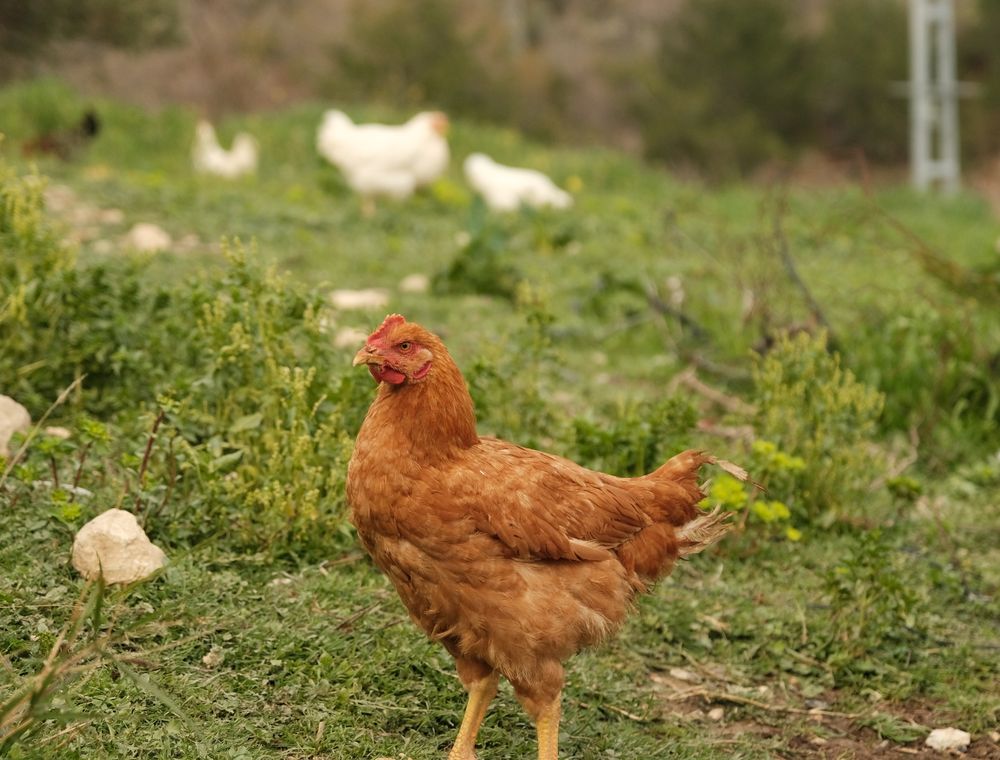
Short answer: Blood spots are specks of blood from a tiny bleed on the yolk at ovulation, and meat spots are small pieces of tissue picked up in the oviduct. Both are safe to eat once the spot is removed, but a rising rate points to age, feed quality, heat or disease. Keep the rate low with clean feed, steady temperatures and a quick candle at every collection.
Key takeaways
- Blood spots come from a small bleed at ovulation, and meat spots are tissue from the oviduct.
- Older hens, mouldy or poor feed, heat and disease all push the rate up.
- Spotted eggs are safe to eat once the spot is removed, but they are not clean grade eggs.
- Pull spotted eggs at collection and log the count by house every week.
- A jump in spots alongside falling lay is a call to your vet, not only a feed change.
What the spot actually is inside the egg
Two kinds of spot turn up in table eggs, and farmers mix them up all the time. A blood spot is a small red or dark speck on the yolk or in the white. It comes from a tiny bleed on the surface of the follicle at the moment the yolk is released. The yolk wall carries fine blood vessels, and when one ruptures, the mark travels with the yolk down the tract and ends up inside the egg.
A meat spot is different. It is a small brownish or greyish fleck of tissue, often firm, and it sits more often in the white. It is picked up as the egg moves down the oviduct, usually when a little lining or a small clot is shed and caught in the albumen. Meat spots tell you more about the tract than the yolk does, which is why they can come and go with infection or irritation.
You only see the difference clearly by candling or by breaking the egg into a saucer in good light. A blood spot is usually round and sits in the yolk. A meat spot is less regular and often floats in the white. Brown shells block more light when you candle, so look a little longer at brown eggs before you call them clean.
The usual causes, from the most common to the rarest
No single cause explains every spot. Most flocks show a mix, and the mix shifts with the season. The causes we see most often are age, nutrition, heat and disease, roughly in that order. Breed and genetics also matter, because some lines throw spots more often than others under the same conditions.
- Age. Spot rates climb as hens get older, especially past their peak. A young flock that suddenly shows spots is usually a feed or stress problem rather than age.
- Nutrition. Vitamin imbalance, poor-quality ingredients and mouldy feed can all raise the rate. Feed is the first thing to check because it is the cheapest to test.
- Heat and stress. A hot afternoon, a long power cut or a rough handling day can push spots up for several days afterwards.
- Disease. Infections of the reproductive tract cause meat spots and misshapen eggs. A sudden rise in spots alongside a fall in lay should prompt a vet visit.
Age, breed and the birds you started with
Older hens lay more spotted eggs than young ones, and the effect shows most in the second half of a long lay cycle. That is part of why a flock's spot rate often drifts up in its final months. It is also why a rising rate in a three-year-old flock is less alarming than the same rise in birds only thirty weeks old. Older birds have less margin for other problems, so they tip over sooner.
Breed and line matter too. Some heavy layers and some fast-laying strains show spots more often than others. Ask the supplier what the spot rate was in the parent stock, and whether the birds you are buying have a history of it. Our breed pages set out the general differences between the layers we supply, and our layer breed comparison explains how to choose between them for a Ghanaian house.
You cannot change the genetic line once the birds are in the house. You can change everything else: feed, heat, handling and disease control. That is where most of the improvement comes from, and it is where we would start.
Feed quality, mould and vitamins that carry the blame
Feed is the first suspect for a good reason. A ration that is short on vitamins, or a mash that has sat in a damp store, will push spots up quietly. Mould is the worst case. Mouldy grain produces toxins that stress the liver and the reproductive tract, and the hen may look perfectly well while her eggs go wrong.
Check three things. First, the bag: is the premix listed on the label, and is the mash the right phase for the age of the flock? Second, the store: is the bag off the floor, away from the wall and dry? Third, the smell and the feel: a sour, musty or warm mash has gone off and should not go into the trough. Our feed formulation basics explain what a balanced layer ration contains, and the layer feeding guide covers the phases in order.
Vitamins are a balance, not a bigger number. Too little of a vitamin causes trouble, but more is not always better, and extra supplements add cost without fixing a store problem. If you suspect a deficiency, ask your vet or your feed supplier to check the ration against the phase. Change one thing at a time, so you know what actually worked.
Heat, stress and sudden disturbance
Heat is the trigger farmers mention most. An afternoon at 33 degrees in a tin-roofed house, with the fan off because the power has gone, is enough to make a hen eat less, drink too much and lay in a strange rhythm. Eggs that come out after a bad day are more likely to carry a blood spot, a meat spot or a thin shell, and the effect can last three or four days after the heat breaks.
Disturbance does the same thing on a smaller scale. A rough catch, a dog in the house at night, a new feed mixed on the same day, or a vehicle parked against the pens can each cause a day of odd eggs. Keep the routine as steady as you can, and write down anything unusual, so you can link a spike to its cause later.
In the hot months the basic fixes are shade, airflow, cool clean water and feeding in the cooler hours. Our cage and deep litter comparison looks at house layout and ventilation in more detail. A simple test works on any farm: if the house is too hot for you to stand in comfortably, it is too hot for the hens to lay cleanly.
When disease is the reason and the vet must see the flock
Spots caused by disease come with other signs. A flock with a sudden fall in lay, watery droppings, coughing, swollen faces, or birds that huddle and stop eating needs a vet, whatever the spot count says. Newcastle disease is the one farmers ask about most when lay drops and the eggs look wrong. Our Newcastle prevention guide sets out the vaccination and biosecurity routine that keeps it away from the house.
Do not treat a disease-driven spot problem with a guess at medicine. Your vet should examine a few birds, take samples if needed and tell you what to change. Keep affected birds apart if the vet advises it, and do not move eggs or birds out of the house until you know what you are dealing with. Our biosecurity guide covers the everyday habits that stop one problem spreading to the next house.
Spots at a glance: cause, what you see and the first step
| Likely cause | What you see | First step |
|---|---|---|
| Older hens past peak | Gradual rise over several weeks, mostly blood spots | Record the rate by age and review your replacement plan with the vet |
| Poor or mouldy feed | Spots across the house, often with weaker shells | Check the store and the bag, then change the phase or the supplier |
| Heat or a long power cut | A cluster of spotted eggs for three or four days | Improve shade and airflow, and feed in the cooler hours |
| Rough handling or disturbance | A sudden spike on one or two days | Keep routines steady and log every disturbance |
| Reproductive tract infection | Meat spots, misshapen or thin eggs, lower lay | Call the vet and ask for a flock examination |
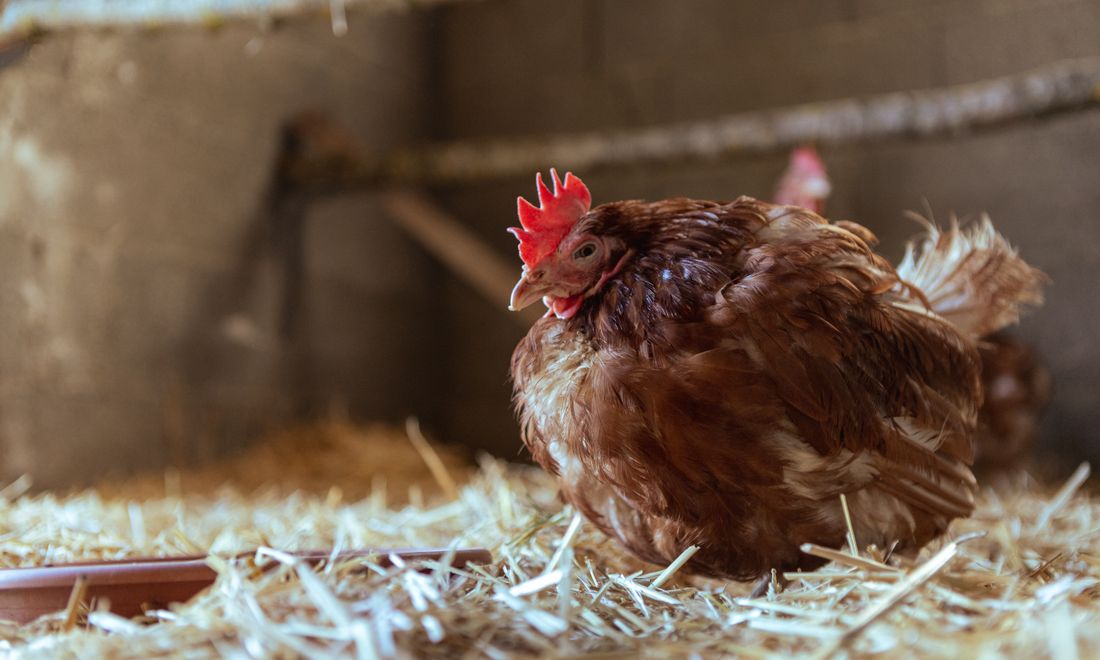
Use the table as a starting point, not a diagnosis. Two causes often operate together, such as heat and an older flock, and the first step is usually the one you can change this week.
Need chicks for your next batch?
Send breed, number and town. We reply with price, hatch date and delivery cost in writing.
Are eggs with spots safe to eat?
Yes, once the spot is removed. A blood spot or a meat spot is not a sign of contamination on its own, and many households have eaten spotted eggs for years without trouble. The usual method is to crack the egg into a bowl, lift out the spot with the tip of a clean knife or a spoon, and check the egg for smell before you cook it.
Spotted eggs are still not clean grade eggs. Sell only eggs that are clean, uncracked and free of visible spots. If a buyer wants a discount for spotted eggs, tell them exactly what they are getting and price it honestly. Discard any egg that smells wrong, has a green or black tint inside, or looks like it has leaked. Those are spoilage problems rather than spot problems, and they belong in the bin.
What spots cost you: a worked example
Take a flock that gives you 1,000 eggs a week. A crate of 30 table eggs starts at GH₵50 with us, so one egg is worth about GH₵1.67 at that starting price. Suppose your spot rate is 2 in every 100. That is 20 eggs a week, and 20 times GH₵1.67 comes to about GH₵33 a week in lost value if you cannot sell them. If the rate creeps up to 5 in every 100, the loss is 50 eggs and about GH₵83 a week.
Those numbers look small until you add the labour, the tray space, and the buyer who turns down your whole crate because of one bad egg. In our experience, a few changes to feed storage and shade cost far less than the eggs they save. Work out your own figures using your own price and flock size, and keep them on the same page as your tally.
Candling and sorting at collection
Do the first sort where the eggs are collected, not at the stall. A simple egg torch in a dim room shows most blood spots in a second or two. Hold each egg against the light, turn it once, and set aside any with a spot, a crack or a dark shadow. Put spotted eggs in a separate tray marked for home use, so they never get mixed into a sale crate by mistake. Our egg candling guide covers the same method for hatching eggs, where the stakes are higher.
- Collect at least twice a day, and once of those visits should be in the cool hours.
- Candle in a dim room, with a torch or a light box.
- Pull out spotted, cracked and dirty eggs into a marked tray.
- Write the spot count against the house and the date.
- Move the clean eggs into the cool, shaded store straight away.
Checklist to bring the spot rate down
- Check every feed bag for mould, sourness and a warm feel before it goes in the trough.
- Keep feed bags off the floor and away from the wall, in a dry store.
- Confirm the layer ration is the right phase for the age of the flock.
- Check shade, airflow and water on the hottest day of the week, not only on paper.
- Log every disturbance, delivery and power cut next to the spot count.
- Candle and sort eggs at every collection, and keep spotted eggs out of sale crates.
- Call your vet if the spot rate rises while lay falls, or if hens look unwell.
Questions farmers ask
What causes blood spots in eggs?
A blood spot forms when a tiny blood vessel on the surface of the yolk bursts at the moment the yolk is released. Older hens, heat, stress, poor or mouldy feed, and some infections all raise the chance. The spot is not a sign that the egg was fertilised, and it is not a sign of dirt or contamination on its own.
Are meat spots the same as blood spots?
No. A blood spot is a small bleed on the yolk, usually round and red or dark. A meat spot is a fleck of tissue picked up as the egg moves down the oviduct, often firm and found in the white. Meat spots are more often linked to irritation or infection of the tract, so a rise in them deserves a closer look at the flock's health.
Are eggs with blood spots safe to eat?
Yes, once you remove the spot with the tip of a clean knife or spoon and check the egg for an off smell. Spotted eggs should not be sold as clean grade eggs, though, and they should never be mixed into a crate sold as clean.
Can I hatch eggs that have blood spots?
We do not set them. A blood spot can interfere with embryo development, and those eggs rarely hatch well. Candle every egg before setting and take out any with a spot, a crack or two yolks. That keeps the setter space for eggs with a real chance.
Does washing remove blood spots?
No. The spot is inside the egg, under the shell and membranes, so washing cannot reach it. Washing only cleans the outside. Remove the spot by cracking the egg and lifting it out, and fix the cause in the flock rather than in the sink.
When should I call the vet about spotted eggs?
Call the vet if the spot rate rises while lay falls, or if spots come with watery droppings, coughing, swollen faces, lethargy or a sudden drop in water intake. Spots that rise slowly with an older flock are usually a management question, but a sudden jump in a young or mid-lay flock needs a proper examination.
Will changing the feed fix spotted eggs?
Sometimes, if the feed is the cause. Check the bag, the store and the phase first, and make the change gradually if you switch brands. Give it two to three weeks before you judge it, because the hens need time to show the new effect in their eggs. If the rate does not move, look at heat, disturbance and disease next.


