
Short answer: Cull a layer when what she lays no longer pays for what she eats and the space she takes up. At GH₵50 for a crate of 30, a hen laying half the time brings in about GH₵5.85 a week, and your own feed bill decides whether she is paying her way. Plan the replacement before lay falls too far, because a new brown flock needs about four months from chick to first egg.
Key takeaways
- Judge each hen by the eggs she brings in against her feed, not by how she looks.
- Use the decline across several weeks to make the decision, not one bad week.
- Work the replacement timeline backwards from the cull date.
- Never sell a bird that is sick or still inside a medicine withdrawal period.
- Write the sale in the flock record, with the buyer and the price.
The cull question is a money question, not an age question
A hen that still lays one egg a day can still be costing you money. Most farmers ask how old the bird is. The better question is what she brings in each week compared with what she eats, and what the space she occupies would earn if it were filled with something else.
We see this when farmers call to restock. The flock is still laying, so nobody wants to cut it. Then the feed bill climbs, the eggs get smaller, and the house is half full of hens barely covering their keep. Nobody decided to lose money. They just never wrote the numbers down.
Start with two figures you can pull from your own records: eggs collected per week and feed used per week. Divide one by the other for a rough feed-per-egg figure, and track it month by month. The trend will tell you more than any single week.
Signs that a hen has stopped paying her way
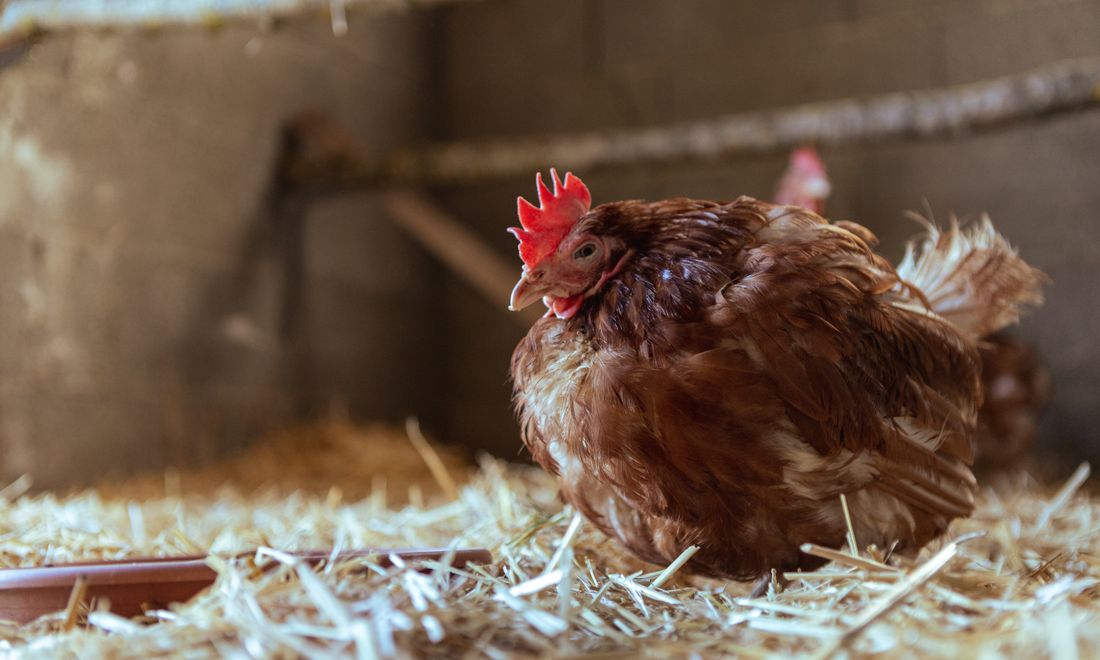
Some signs are plain on the day. Others only appear when you put this month's records next to last month's. Look at the whole flock first, then pick out the birds that show the same signs again and again.
- A lay rate that has slid for several weeks, not just one bad week after a hot spell.
- Eggs that keep getting smaller, softer or rougher in the shell, when feed and calcium have not changed.
- Thin body condition on a bird that is still eating, with a keel bone that feels sharp under your fingers.
- A pale comb and wattles on a bird that has stopped coming into lay altogether.
- Feathers gone in patches outside a normal molt, which may mean pecking or mites.
Some of these signs point to disease rather than age. A hen that is off her feed, sits hunched in a corner with ruffled feathers, or has watery droppings needs a vet, not a sale. Do not move a sick bird to market to get rid of the problem.
A worked example: what one hen is worth each week
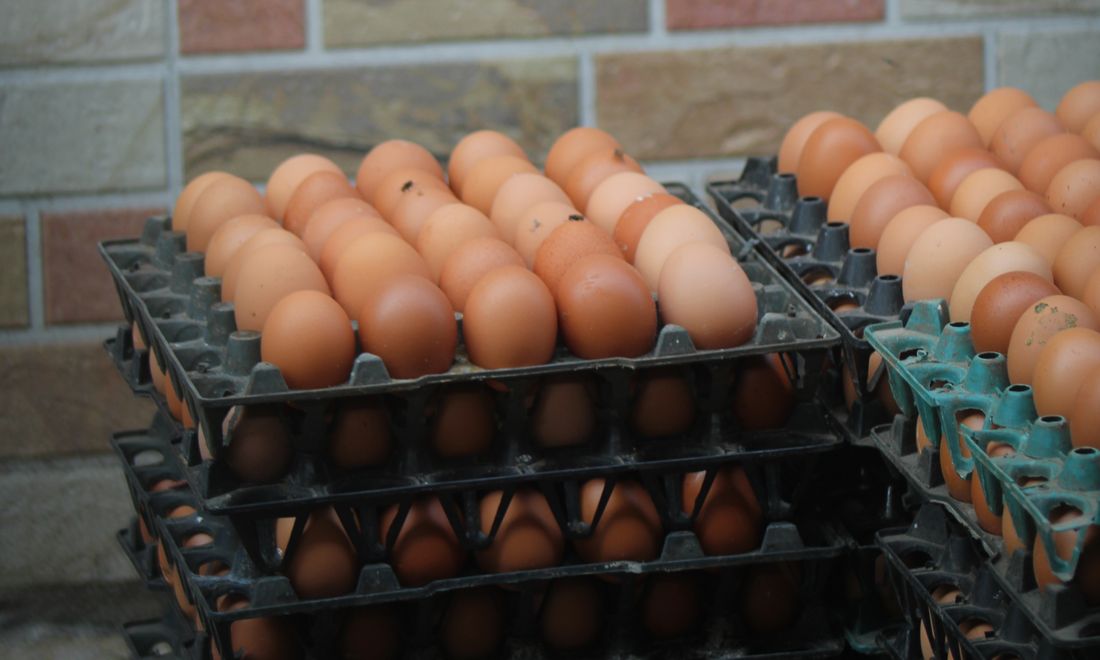
Here is a simple test you can run on a single hen or a whole house. The crate price on our list is GH₵50 for 30 eggs, which works out at about GH₵1.67 an egg. Your own market price may be higher or lower, so swap in your figure. The table shows what one hen brings in at three lay rates.
| Lay rate | Eggs per week | Egg value per week (GH₵) | What it means |
|---|---|---|---|
| 70 percent | 4.9 | 8.18 | Keep her. She covers her feed with room to spare. |
| 50 percent | 3.5 | 5.85 | Keep her only if your feed cost per hen sits below this figure. |
| 30 percent | 2.1 | 3.51 | Cull or sell unless she is young and clearly recovering. |
The last column is the one that matters. Once her weekly egg value falls below what you spend feeding her, every extra week she stays costs you money. Work out your feed cost per hen per week from the bags you bought and the birds you fed. Then compare the two figures.
Scale it up and the picture sharpens. A house of 200 hens at 30 percent lay produces about 420 eggs a week, worth roughly GH₵700 at the list price, and the feed for 200 hens does not fall just because the lay has.
Expect the slide after peak, and plan for it
A layer flock peaks early and then declines slowly. The lay rate at peak is not the rate to expect at the end of the flock's life. Many commercial brown flocks are moved on at roughly 70 to 80 weeks of age, though the right point depends on the strain, the feed and what the eggs are worth to you. Use your own records to draw your own curve. The first time the curve bends down faster than it did last month, start planning.
The mistake we see most is waiting for the crash. A flock that drops from 80 percent to 40 percent in a month is hard to replace, because the eggs were lost before the plan was made. A flock that slides steadily gives you time to order birds and sell the old hens at a sensible price.
The replacement clock: work backwards from the cull date
The replacement is the part farmers underestimate. A brown chick needs around four months before she lays her first egg, and a bird that is poorly reared takes longer. If you cull in March and only then order chicks, you will have an empty house for the best part of half a year.
Plan backwards. Pick the date you want the new birds laying, count back about four months to the day they must be in the brooder, and place the order at least two weeks before that. A day-old order is not the same as a point-of-lay order, so decide which you need before you call. Our guide to raising pullets shows what the chicks need week by week.
At the list price the sums are simple. 150 Hy-Line Brown chicks at GH₵23 each come to GH₵3,450, which is three boxes of 50 at GH₵1,150 a box. That is before housing, feed, labour and vaccines, and it is the amount your old flock's eggs have to replace. Check the current figures on our prices page.
Replace in one go or in stages?
There are two ways to replace a layer house. You can cull the whole flock and restock in one cycle, or stock in batches and cull in stages so some birds are always in lay. Both work. Each has a cost you should see clearly before you choose.
- One full cycle. A cleaner house, simpler records and easier disease control. The cost is a gap in egg supply and the need to move the whole old flock at once.
- Staged replacement. Steadier egg supply and cash flow, with ages spread across the house. The cost is more management and more movement of birds, which raises disease risk if you are careless.
In our experience, small and medium farms do better with one clean replacement once the old flock is clearly finished. Staging makes more sense when you have separate houses and enough room to keep the ages apart.
Selling culls without selling disease
A cull is a sale, and a sale has rules. Never load a bird that is sick, weak or still inside a medicine withdrawal period. Ask your vet to confirm the withdrawal times for any product used on the flock in recent weeks. A bird that leaves with medicine still in her system is a risk to the buyer and to you.
Keep the culls apart from the healthy flock until they leave, and catch them in the cool of the morning or at night when they are calmer. Use clean crates, and do not reuse a crate that carried sick birds without washing it first. Our record keeping guide shows what to write down, and the same record is what protects you if a buyer ever questions the sale. For the buyer side of the sale, read spent layers in Ghana.
Need chicks for your next batch?
Send breed, number and town. We reply with price, hatch date and delivery cost in writing.
When the house is needed before the flock is finished
Sometimes the hens still lay well but the house is needed. A roof starts leaking, a disease gets into the flock, or the market moves and you need the space for something else. Those are real reasons to move a flock early. They are not reasons to keep a flock that is already costing you money, so do not confuse the two.
If disease forces an early cull, call your vet before any bird is sold. Your vet can tell you whether the birds are fit to sell or should be destroyed and disposed of safely. Do not sell a bird with an unknown illness to someone who will not know what they are taking home.
The mistakes that cost the most money
- Keeping hens because they are still laying, when the feed bill has already passed the value of the eggs.
- Waiting for the crash, then ordering birds in a hurry and paying for a long gap in lay.
- Selling sick or medicated birds to get the problem out of the house.
- Culling by eye, so the best layers leave and the poor ones stay.
- Leaving the cost of feed out when you talk about profit.
A checklist before you decide
- Eggs per week and feed used per week for the last eight weeks, written down.
- Feed cost per hen per week, worked out from your own bags and bird count.
- Egg value per hen per week at your own market price.
- Signs of disease checked with your vet, not guessed at.
- Withdrawal times confirmed for every medicine used in the last weeks.
- Replacement date chosen, with the chick order placed at least two weeks before the rearing start.
- Buyers lined up for the culls, with the price agreed before anything is loaded.
Where replacements come from
For a brown replacement flock, Hy-Line Brown chicks cost GH₵23 each at list. Every box of 50 goes out in ventilated crates on the day it hatches, and each one comes with a batch record, so your vet knows what the birds had before they reached your farm. The layer day-old chick page covers the breeds we hatch and import, and the imported chicks page explains where our European parent stock comes from. Delivery is covered on our delivery page, and the questions page answers the common ones.
Tell us your cull date on WhatsApp at +233 24 915 1503 We then work out the restock dates with you. Once they are set, use the order form. Prices are starting prices, confirmed in writing before you pay, and delivery cost is confirmed before payment too.
Questions farmers ask
How do I know if a layer is worth keeping?
Compare what she lays with what she eats. Use the average for your flock across several weeks, not one good or bad day. A hen that lays steadily and covers her feed is worth keeping. If her weekly egg value falls below her weekly feed cost, and stays there, she is costing you money. Work out the feed cost per hen from your own bags and bird count, so the figure is yours and not ours.
At what lay rate should I start thinking about culling?
There is no single rate that fits every flock. A lay rate that drops steadily for several weeks and stays well below its peak is the point to start planning. Begin the replacement plan at that stage. Waiting until the rate has collapsed makes the gap longer and the replacement more expensive.
How long does a replacement flock take to start laying?
A brown chick usually needs around four months to reach point of lay, and the first eggs come after that. Plan the chick order so the new birds are ready when the old flock leaves. If you cull first and order later, expect a gap of several months with no eggs at all.
Is it safe to sell culled hens to a neighbour?
It can be, if the birds are healthy and clear of any medicine withdrawal period. Ask your vet before you sell, keep the birds apart until they leave, and record the sale. Do not sell a bird that looks ill, even at a good price, because you are the one who answers for it afterwards.
What should I do with the litter and the house after a cull?
Remove the litter and dispose of it away from any water supply. Clean and disinfect the house before the next flock arrives, and let it rest and dry for a while. A break between flocks helps interrupt the disease cycle. Your vet can advise on how to dispose of any birds that died or had to be destroyed.
Why is my cull flock worth less than I expected?
Old hens carry less meat, and what they carry is tougher, and buyers know it. A flock that was sick, poorly fed or recently medicated is worth less again. Sell early while the birds are still in reasonable condition, and agree the price before you load them.
Do I need a vet to sign off a cull?
For most normal culls you do not need a formal sign-off, but the birds must be healthy and clear of any withdrawal period. If you are culling because of disease, or you suspect disease, your vet should decide how the birds are handled. Ask them to note the decision in the flock file.


