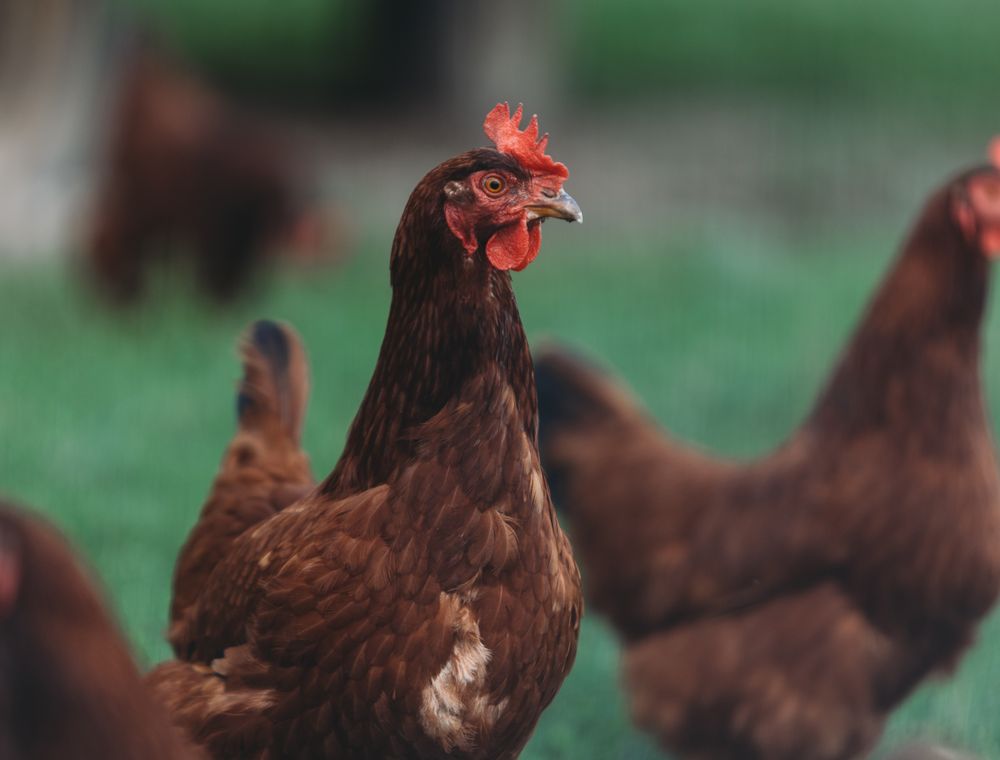
Short answer: A spent layer is a hen that has finished her useful laying life, often after 70 to 80 weeks in a commercial flock. Her meat is firmer than a broiler's and is best cooked slowly, so buyers pay less per bird than they would for a young one. The best returns come from selling early, in good condition, to buyers you know, after any medicine withdrawal period has cleared.
Key takeaways
- Sell spent hens while they still carry flesh, not after weeks of thin, idle waiting.
- Match the outlet to the bird: stew sellers, households and traders each want something different.
- Dress birds cleanly and chill them quickly, because buyers judge by sight and smell first.
- Clear every medicine withdrawal period before any bird leaves the farm.
- Record each sale so next year's cull plan rests on real figures.
The hen you fed for a year still has a use
The hen you fed for a year and a half is still worth something on the day she stops laying. Farmers often leave spent hens in the house for weeks, hoping the lay will pick up, or they throw them out with the litter. Both waste something. A spent hen is still meat, and in Ghana meat is never hard to find a use for. If you are still deciding when to move her on, our culling guide sets out the numbers.
The difficulty is that she is not a broiler. She has laid for a long time, her muscle has toughened and her fat has changed. You cannot sell her at broiler prices or cook her the way you cook a young bird. The rest of this article is about getting the most from her, and that mostly comes down to timing, honest condition and the right buyer.
What a spent hen is like on the scale and in the pot
Weight depends on the breed, her condition and how long she has been laying. A brown hen that has come through a full laying cycle is usually heavier than a young pullet, but the meat is firmer and darker and the bones are harder. Buyers in Ghana know this. They expect a stewing bird and they price her for the stew pot.
Cooking matters. Old hens need a long, slow cook, usually in a pressure cooker or a covered pot on a low flame, with enough liquid for a good stock. A patient cook turns an old hen into the best soup on the table. A hurried cook serves her tough, and the customer remembers the seller's name for the wrong reason.
That is why condition counts for more than weight. A spent hen that is still full on the breast and clean in the feathers sells better than a heavier bird that has been starved and moved about for weeks.
Who buys spent hens in Ghana
There is no single market, and you should know who you are talking to before you load the crate. The buyers we hear about most are these:
- Stew and soup sellers who need a steady supply and will pay for birds that cook well.
- Chop bar and cookshop operators who buy in small numbers and want birds dressed and ready for the pot.
- Households and neighbours who take one or two for a family meal or a celebration.
- Traders and aggregators who gather from many farms and move birds on to towns and markets.
Each group pays differently and asks for different things. A stew seller will want flesh on the bird. A trader may only care about the price per bird and the collection time. Ask what the buyer needs before you name a price, and write the agreed figure down. Our guide to selling poultry covers the wider market, from households to bulk buyers.
Four ways to move spent hens and what each one costs you
| Outlet | What you do | Main risk | Best for |
|---|---|---|---|
| Live sale to a neighbour or household | Agree the count and price, catch and hand over the birds | Haggling on the day, or payment that arrives late | Small flocks and short runs |
| Live sale to a stew seller or cookshop | Deliver on a set day in clean crates | Birds sit too long waiting for payment | A regular weekly supply |
| Dressed sale to a chop bar or market | Slaughter, pluck, clean and chill before sale | Hygiene complaints and extra labour on the farm | Farms with a helper and clean water |
| Bulk sale to a trader | Quote a price per bird and let the trader collect | A lower price and little control over where the birds end up | Large flocks that need one clear sale day |
Live sales keep the labour with the buyer and the risk with you until the birds leave the farm. Dressed sales earn more per bird, but only if your hygiene is good and your buyer comes back. Bulk sales close quickly and usually at a lower price, so settle the price and the collection day in writing before the truck arrives.
Timing the sale around the festive season and the rains
Demand for live birds rises before Christmas, Easter and Sallah, and sellers who can deliver in those weeks often do better than those who cannot. Plan the sale date at least two to three weeks ahead, so the birds are in condition when demand peaks. Do not hold birds for weeks chasing a better price. They lose flesh while you wait, and the price falls faster than the market rises.
The rains change the picture too. Wet weather makes roads slow and muddy, and it dirties birds in the crate. A sale planned for a dry week goes better than one stuck at a junction in a downpour. Check the forecast the day before, and have a plan for a delay.
Feeding and holding birds before they leave
Hold feed for a few hours before the birds travel, so the crop is not full. A full crop spoils in transit, makes the bird heavier to carry and messier to dress. Do not starve birds for days, though. A hen that has gone without feed for two days is thin, stressed and unlikely to fetch a good price.

Keep the spent hens in their own pen, apart from the healthy flock, for the days before the sale. Give them shade, clean water and a sensible ration. Watch for any bird that looks unwell, and take her off the sale list until your vet has seen her.
Dressing a hen cleanly for a chop bar or market
Dressed sales need discipline. A buyer can tell a clean bird from a careless one in seconds, and a dirty bird does not sell twice. The steps are simple, but they only work when you follow them in order and keep the water and knives clean.
- Hold back feed for a few hours, then stun and bleed the bird according to your local practice and the guidance your vet has given you.
- Scald in water at a steady temperature. Too hot tears the skin, and too cool makes the feathers stubborn. Test one feather before you dip the whole bird.
- Pluck while the bird is still warm, starting at the tail and working towards the head.
- Singe the pin feathers over a flame, or remove them carefully by hand.
- Draw the bird cleanly, taking out the internal organs without breaking the gall bladder or the gut, and rinse the cavity with clean water.
- Chill the bird quickly in clean, cool water or a cool, shaded place, then pack the giblets with it if the buyer wants them.
Withdrawal periods, records and why buyers ask
Before any bird leaves, check your records. Every medicine used on a flock has a withdrawal period, the time that must pass before meat or eggs from the treated bird can be sold. Ask your vet to confirm those times for each product you used in the last few months. If you are unsure, hold the birds back. A good buyer will wait a few days for a clean bird, and a single bad outcome can end your sales for good.
Write the sale into the flock record: date, number of birds, buyer, price and the withdrawal checks you made. Next year that record shows how much a spent flock actually returned, and it helps you decide when to replace it. Our record keeping guide has a simple layout you can copy.
Need chicks for your next batch?
Send breed, number and town. We reply with price, hatch date and delivery cost in writing.
A worked example for a 150-hen flock
Suppose you have 150 hens that have finished laying, and you sell them live to a stew seller at a price agreed before the sale. You deliver in one trip and the buyer pays on the day. Your costs are the feed in the final week, the crates, the transport and your own time. Your return is the total price minus those costs.
Now compare that with holding the same birds for another two months in the hope that lay will return. Each week they eat feed, take up space and lose a little flesh, while the price you can get for them slips. Unless your records show the flock is still close to a sensible lay rate, holding is almost always the more expensive choice. Run the sum with your own feed bill and your own price, not with ours.
Clearing the house for the next flock
Once the spent hens have gone, the house needs more than a sweep. Remove the litter and dispose of it well away from water. Wash the house, feeders and drinkers with a proper cleaner, let everything dry, and then disinfect. A rest before the next chicks arrive breaks the cycle of disease. Our biosecurity guide covers the steps in order, and it is worth reading before you bring in any new birds.

Mistakes that lose money on old hens
- Waiting for lay to recover, then selling the birds when they are thin and cheap.
- Agreeing a price on the phone and then arguing about the count when the truck arrives.
- Selling a bird still inside a withdrawal period because the buyer did not ask.
- Dressing in a hurry and leaving feathers or gut contents that put buyers off.
- Giving credit to a new buyer and then chasing payment for weeks.
Checklist before the sale
- Birds are healthy, carry reasonable flesh and are separated from the flock.
- Withdrawal periods are confirmed with your vet for every medicine used.
- Buyer, outlet, count and collection day are all agreed.
- Price is agreed in writing or in a clear message before any bird is caught.
- Payment method is agreed, and payment is made at collection or a deposit is taken.
- Crates are clean, dry and kept in the shade until loading.
- The sale is written into the flock record with date, count and price.
Replacing the flock when the old hens leave
When the spent hens go, the house needs its next flock. Our Hy-Line Brown chicks start at GH₵23 each (see our price page), and every box of 50 is dispatched the day it hatches. If you are not sure whether a brown layer suits your market, the breeds page sets out the options, and our layer chick page covers what to expect from each. Want to talk it through first? WhatsApp us at +233 24 915 1503, or go straight to the order form. Delivery cost is confirmed before you pay, and our delivery page lists how it works.
Questions farmers ask
When is a layer spent?
A layer is spent when her lay rate has dropped to a level where she no longer covers her feed, or when she reaches the age at which her flock is normally moved on, often somewhere around 70 to 80 weeks in a commercial brown flock. The practical test is the egg record. Check it weekly against your feed bill, and decide before the lay rate collapses.
Is meat from an old hen safe to eat?
Yes, when the bird is healthy and has cleared any medicine withdrawal period. Old hens need proper cooking, usually slow and long, and the meat is firmer than a broiler's. Dress birds cleanly, chill them quickly, and do not sell a bird that looks sick, even when the price is good.
How much should I charge for a spent hen?
There is no fixed price, because it depends on weight, condition, buyer and season. Check what the local market is paying on the day, agree a figure before the bird is caught, and write it down. Do not price a hen as if she were a broiler, because a buyer who cooks one will know the difference.
Is it better to sell live or dressed?
It depends on your labour, your hygiene and your buyer. Live sales keep the work with the buyer. Dressed sales can earn more, but only if your cleaning is good and the buyer returns. Start with the outlet you can run well, and move to dressing once your routine is steady.
How long should I keep spent hens before I sell them?
Sell as soon as the decision is made and the birds are fit to travel. Holding them for weeks costs feed and space, and the birds lose flesh while you wait. The only good reason to hold is a planned sale date for a festive or market peak, and even then the wait should be days rather than weeks.
Should I sell to a stranger who offers a good price?
Be careful. Find out who the buyer is, where the birds will go and how they will pay before you load anything. Take payment on collection or a deposit up front. A buyer who will not give a name or a phone number is a risk to your money and to your flock.
What should I do with birds that die before the sale?
Do not sell them. Dead birds need to be removed and disposed of safely, away from water and from other birds. If you are losing birds before a sale, ask your vet to look at the flock. Record the number and the suspected cause in your flock file.


