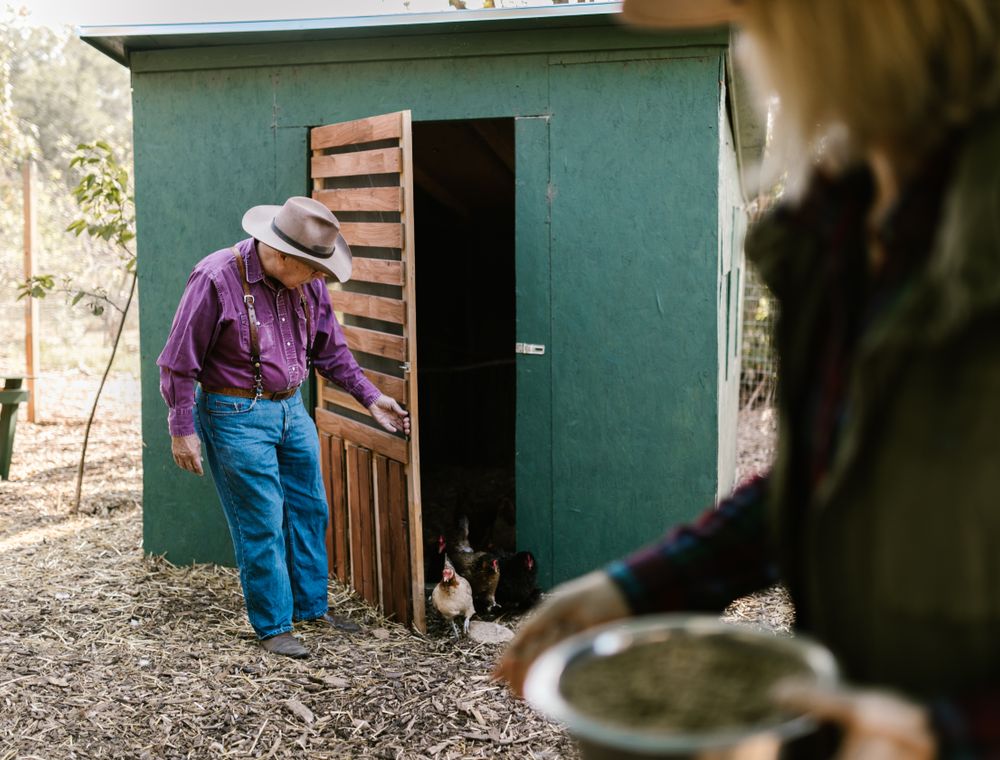
Short answer: Poultry sells best when you know exactly who is buying, what they want and when they want it. In Ghana the main channels are direct sales to households and chop bars, bulk orders from caterers and community events, and festive peaks at Christmas, Easter and Sallah. Price by weight and condition, take deposits for bulk orders, and keep a record of every buyer so repeat sales do most of the work.
Key takeaways
- Decide what you are selling first: live birds, dressed birds or eggs. Each one has different buyers, handling needs and margins.
- Map your buyers before the birds are ready, and aim for at least three reliable buyers before you hatch.
- Time the flock backwards from the festival date, so birds are ready a little before demand peaks rather than on the day.
- Price by weight and condition, quote in writing, and take a deposit for any bulk order.
- Keep a buyer list with names, areas, orders and dates, and treat repeat customers as the core of the business.
Decide what you are selling: live birds, dressed birds or eggs
Many new farmers start by asking where they can sell, but the better first question is what they should sell. The answer changes who your buyers are, how you handle the birds and how much risk you carry. Three products cover most of what farms in Ghana sell.
| Product | Typical buyers | Handling needs | Main risk |
|---|---|---|---|
| Live birds | Households, individuals who slaughter their own birds, caterers and some food sellers | Clean crates, shade, calm handling and quick transport | Weight loss if birds are held too long, and sudden price changes |
| Dressed birds | Chop bars, food sellers, restaurants and hotels | A clean processing space, cold storage and hygiene rules | Higher standards to meet, and more time per bird |
| Table eggs | Households, bakeries, shops and egg sellers | Daily collection, cool storage and clean trays | Breakage and shell quality, and you need volume to stay steady |
Many small farms start with live birds because the equipment is simple. Once you have a steady buyer for dressed birds, the margin often improves, but the hygiene work rises too. If you are thinking about eggs, our layer chick range is the starting point for that flock.
Map your buyers before the birds are ready
A bird that is ready on Friday needs a buyer on Friday. Waiting until the birds are big to start looking for customers is one of the most common reasons good flocks are sold cheaply. Before you order chicks, write down who will buy from you and how you will reach them.
- Households: families who buy for home cooking, celebrations or a weekly pot. They want small quantities, a fair weight and a dependable seller.
- Chop bars and pepper soup spots: they buy regularly and in quantity. They care most about consistent weight, a reliable delivery day and a fair price per bird.
- Caterers and event hosts: they buy for weddings, funerals, outdoorings and church events. They plan ahead and will often pay a deposit.
- Restaurants and hotels: they need steady supply and clear hygiene standards. They are demanding, but they can be the most stable customers you will find.
- Other farmers and dealers: they buy birds to restock or resell. Price is important, but so is trust in your health records.
Aim for at least three reliable buyers before you hatch. If one of them stops buying, you still have a business rather than a crisis. Our guide to starting a poultry farm in Ghana on a budget shows how to include sales planning in your first costing.
Timing for festive demand: Christmas, Easter and Sallah
Festive demand is the biggest opportunity in Ghanaian poultry, and also the easiest to miss. Demand builds for several weeks before each festival, and buyers often place orders early. Birds that arrive at the market a week late can lose their buyers to someone else.
Plan backwards from the date. A broiler breed often reaches market weight within about six to eight weeks, depending on the breed, feed and management, so the chicks need to arrive early enough for the birds to be ready when buyers start asking. Our guide to Christmas broilers and when to buy chicks works through that timeline in detail.
- Christmas: demand peaks in the days before the holiday. Confirm buyers in early December, and plan for the harmattan season, which can slow some transport.
- Easter: a strong moment for family and church gatherings. Start taking orders a few weeks before the holiday weekend.
- Sallah: Eid al-Adha and Eid al-Fitr are both called Sallah in many Ghanaian communities. Buyers in Muslim communities often order ahead, so talk to local leaders and food sellers early.
- Funerals, weddings, outdoorings and naming ceremonies: these happen all year, and they give you steady, if small, orders that fill the gaps between festivals.
Keep a simple calendar with the festival dates, the date you need birds ready and the date you need to order chicks. Adjust it each year, because demand in your town may peak earlier or later than in the capital.
Pricing per bird: a worked example with real starting costs
Price is where many small sellers lose money without noticing. The simplest fix is to work out your cost per surviving bird, then add a margin that reflects your time and risk. The example below uses our starting prices, and it deliberately leaves out feed and labour so you can add your own figures.
| Item | Figure | Note |
|---|---|---|
| Ross 308 day-old chick | From GH₵20 each | A box of 50 costs GH₵1,000 |
| Birds lost during rearing (example) | 2 of 50 | An assumed figure for this example only |
| Birds that reach sale | 48 | 50 less 2 |
| Chick cost per surviving bird | About GH₵20.83 | GH₵1,000 divided by 48 |
| Feed, vaccines, water, power, labour and transport | Your own figures | Add these to the chick cost before you set a price |
| Live broiler, about 2.5 kg | From GH₵110 | Our starting reference price, confirmed at order |
In this example, 48 birds sold at GH₵110 bring in GH₵5,280 before feed and running costs. Feed is usually the largest cost in a broiler flock, so the figure you care about is what remains after every cost is subtracted. Write the full costing down before you hatch, and check it again at the end of each batch.
Price by the weight the buyer receives. A bird sold on a scale is easier to defend than a bird sold on a guess, and buyers will return to a seller whose birds consistently meet the weight they expected.
Quote in writing and take deposits for bulk orders
Bulk orders are where a poultry business grows, and also where misunderstandings begin. A caterer who orders 40 birds for a Saturday wedding expects 40 birds of the right size on the right day. A simple written quote protects both of you.
- Write down the number of birds, the expected live weight or dressed weight, the price per bird and the total.
- State the pickup or delivery date and time, and the place.
- Agree the payment terms, including the deposit and the balance due.
- Confirm the order the day before pickup by phone or WhatsApp.
- Keep a copy of the message or note, and record the payment when it arrives.
A deposit is a reasonable request for a bulk or festive order, because it shows the buyer is serious and covers part of your feed and transport cost. Set the amount in advance and apply the same rule to every buyer, so nobody feels singled out.
If you cannot fill an order, say so early. A buyer who hears on Monday that you can supply only 30 of 40 birds can plan around it. A buyer who hears on the day will remember it for a long time.
Marketing without a big budget
You do not need an expensive campaign to sell poultry. Most small farms in Ghana sell through personal contact, a clear price list and a reputation for reliable birds. The steps below cost little but work well together.
- WhatsApp status and broadcast lists: post clear, dated photos of healthy birds, your price per bird and your pickup days. Keep the list tidy so people do not leave.
- Local groups and marketplace pages: share your price list in community groups where buyers are already looking for food.
- Chop bars and food sellers: visit in person, bring a sample of a dressed bird if the owner is interested, and leave a card with your number.
- Church, mosque and community notice boards: a simple notice with your number, product and pickup day can bring in orders for weeks.
- Farm visits: invite serious buyers to see the house. A clean house and calm birds are the best advertisement you have.
- Referrals: ask every happy buyer to tell one friend, and remember the people who send you business.
Keep your claims honest. Describe the birds as they are: their age, their weight range and how you raised them. Overpromising a weight or a breed will cost you buyers faster than any slow week.
What buyers look for: weight, condition and honesty
Buyers come back for three things: birds that match the weight they expected, birds in good condition and a seller who is straight with them. Use this checklist before every sale.
- The birds are within the weight range you quoted, and you have weighed a sample
- Crates are clean, dry and suitable for the journey
- No bird shows signs of illness, and any sick bird is left out of the sale
- The count is right, and you have checked it with the buyer before they leave
- The price was agreed in writing or by a clear message, and the buyer knows the total
- The buyer knows when and where to collect, and who to call if anything is wrong
- You have sent a photo or a short note confirming the handover
If a buyer has a complaint, listen first, check the facts, and respond promptly. A quick, fair answer usually keeps the customer. If you are not sure whether a bird was sick, ask your vet before you sell any more birds from that pen.
Need chicks for your next batch?
Send breed, number and town. We reply with price, hatch date and delivery cost in writing.
Common mistakes that cost sales
Most poultry sellers make the same handful of mistakes. Avoid them and you will be ahead of most of your competitors.
- Selling on guesswork. Without a scale and a weight target, you cannot price fairly or prove the birds are what you said.
- Holding birds too long. Birds that grow past the target weight eat feed you are not paid for, and the price per kilogram may not rise to match.
- Overcommitting for a festival. A promise of 100 birds that you can only fill with 70 damages trust. Promise what you can deliver, then add a small buffer.
- No price list. Buyers who must ask the price every time may go elsewhere. A simple list, updated when your costs change, saves time.
- Selling birds from a sick or recently treated pen. Ask your vet first, and respect withdrawal periods on any medicine. Our Newcastle disease guide explains why this matters.
- Relying on one buyer. If one customer makes up most of your sales, your business is only as stable as that relationship.
- No records. Without a record of orders, payments and complaints, you cannot see which buyers and seasons make you money.
Building buyers who come back
Repeat customers are the cheapest sales you will ever make. They already trust your birds, they already know your price and they will often order again without much persuasion. Building that trust is a matter of consistent records and consistent follow-up.
For each buyer, record the following in a notebook or a simple spreadsheet:
- Name, phone number and area
- Product, quantity and the weight they asked for
- Order date, pickup date and the amount paid
- Any feedback, complaint or special request
- The date you last contacted them
Follow up two or three days after each sale to ask whether the birds were right. Remind your best buyers a few weeks before each festival, and offer a reserved slot for those who pay a deposit early. A short, personal message on WhatsApp does more than a bulk message that everyone ignores.
You can also grow your buyer list by putting your best customers in touch with each other, as long as they agree. A community of buyers who trust one seller is one of the strongest sales tools a small farm can have.
Start with chicks that match your market
Your choice of chick should follow your buyers. A broiler farm for chop bars is a different project from a free-range flock for households who want slower-growing birds. Use the list below as a starting point, and check the current prices before you commit.
- Broilers: Ross 308 and Cobb 500 chicks start from GH₵20 each. Read our broiler chick guide for timing and housing.
- Dual-purpose birds: Kuroiler and Noiler chicks start from GH₵11 each, and they suit households that want both meat and eggs. See our Kuroiler and Noiler page.
- Sasso: starts from GH₵13 each. Sasso birds grow more slowly than broilers and suit farms selling to buyers who want a firmer, free-range style bird. See our Sasso chicks page.
- Layers: Hy-Line Brown starts from GH₵23 and Hy-Line White from GH₵25.50, with Bovans Brown also from GH₵25.50. Lohmann Brown is quoted on request. See our layer chicks page.
- Guinea fowl keets and turkey poults: guinea fowl keets start from GH₵17 each, and turkey poults from GH₵65 each, sold in boxes of 10.
Not sure which to start with? Our article on broiler, layer or Sasso: which chicks to start compares them side by side. Prices are starting points and are confirmed at the time of your order.
A weekly selling routine
Good selling is a habit, not a single campaign. A simple weekly routine keeps you in touch with buyers and keeps your flock on schedule.
- Monday: weigh a sample of birds and write the average down. Compare it with your target weight for the sale date.
- Tuesday: update the buyer list, add new enquiries and reply to every message.
- Wednesday: post your price list and availability in your chosen groups and on your WhatsApp status.
- Thursday: confirm pickups and deliveries for the weekend, and collect any deposits due.
- Friday: check the flock, the crates and the house, and make sure everything is ready for handover.
- End of the week: review sales, costs and losses, and note what you would change next time.
Over a few cycles, this routine will tell you which buyers pay on time, which products sell fastest and when your festive peaks really fall. Those three answers are worth more than any advert.
Questions farmers ask
What is the easiest way to sell poultry in Ghana when you are starting out?
Start with direct sales to households and chop bars that you can reach personally. Set a clear price per bird, post your availability on WhatsApp and in local groups, and aim for two or three regular buyers before you hatch. Direct selling keeps your margin higher than a middleman would, and it gives you immediate feedback on weight and condition.
Should I sell live or dressed birds?
Live birds are simpler to start with because they need less equipment and less hygiene work. Dressed birds can earn more per bird and suit chop bars and restaurants, but they require a clean processing space, cold storage and careful hygiene. Most farms begin with live birds and move into dressed sales only once they have a reliable buyer and the right facilities.
When is the best time to sell broilers?
Sell when the birds reach your target weight and before feed costs start to outweigh the extra weight. Plan the sale date so the birds are ready a little before a festive peak rather than on the day. Watch the weight each week, because birds that grow past their target waste feed without adding much to the price.
How do I set a price that is fair to me and the buyer?
Work out your cost per surviving bird, including chicks, feed, vaccines, water, power, labour and transport, then add a margin for your time and risk. Check what similar birds sell for in your area, and publish a price per bird for a stated weight range. Revisit the price each month, because feed and chick costs change.
How do I handle a festival order I cannot fill?
Tell the buyer as early as possible, and say exactly how many birds you can supply. Offer a clear alternative, such as a smaller quantity on the same day or a later date, and honour any deposit you have taken. A buyer who is told early will often order from you again, while a last-minute shortfall usually ends the relationship.
Do I need permission to move or sell live birds between towns?
Rules on moving live birds can differ by area and can change over time, so check with your local Veterinary Services office before you transport birds to another district. Follow your vet's advice on any health records or documents you may need, and keep copies of your vaccination and health records for every batch.
Does Halaal Farms sell table birds too?
Yes. We list live broilers of about 2.5 kg from GH₵110, dressed broilers from GH₵120 and mature cocks from GH₵150, with the price confirmed at the time of your order. For chicks, you can order through our <a href="/#order">order form</a> or WhatsApp us on +233 24 915 1503. Our <a href="/faq/">FAQ page</a> covers the most common questions about ordering.


