Short answer: A farm visit can bring in money on top of your birds and eggs, but only if the day pays for itself and no visitor walks near the flock with dirty boots. Charge a fixed entry fee, offer one thing people can take home, and keep the visit to a route you can walk in under an hour. Treat it as a small extra income, not a second business that eats your mornings.
Key takeaways
- Pick two income sources from a visit, not five, and keep each one small enough to run on a Saturday.
- Set a minimum paying headcount below which you do not open the gate, and say so in the booking message.
- A visitor is a disease risk before they are a customer, so footbath, overshoes and no entry to any house.
- Serving cooked food needs a different permit from selling a tray of eggs, so ask your district assembly first.
- One route, one guide, under an hour, and the houses stay shut to the public.
Can I charge people to look at my chickens?
That is the question we hear most from farmers who have a tidy site, a few hundred birds and a school asking about a trip. The short answer is yes, people will pay to see a working farm. The longer answer is that most of them will pay less than you hope, arrive later than you planned, and touch things you would rather they didn’t.
Agritourism means visitors coming to a working farm for a morning, a meal, a lesson or a photograph. Cocoa estates and fish farms have tried it around the country, and the same pattern works for poultry. A family from Accra who has never held a hen will pay for an hour of that. A class on a trip will pay if the teacher can tick a box on a worksheet. A farmer already selling eggs at the market can add a few cedis per head without changing much else.
What we would not do is open the gate before the numbers are on paper. A visit takes time. Someone has to meet the car, explain the rules, walk the route, answer the questions, clean the boots afterwards and mop up whatever a child dropped by the feed store. If that time is not paid for, the visit is a hobby that costs you the morning you needed for feeding.
Five ways a visit can bring in cedis
Farms that make money from visitors rarely rely on one source. They pick two, maybe three, and keep each one small enough to run with the family on a Saturday. These are the five we see working for people who already keep birds.
- A fixed entry fee for a guided walk. Thirty to forty minutes, one route, one guide, and no entry to any house with live birds. Charge per head, with a lower price for children in a booked group so the teacher does not haggle at the gate.
- Egg sales at the end of the walk. A tray of 30 table eggs is the easiest extra sale on any farm. Visitors who have just handled a hen often want to buy her eggs. Keep the trays in a cool box, never on a table in the sun.
- Hands-on sessions for schools. A lesson on how an egg becomes a chick, using an incubator window and a candling lamp, is worth more to a teacher than a stroll round the yard. Book these by appointment only.
- A farm-to-table meal. This is where the risk and the paperwork both go up, so we deal with it separately below.
- Photo days and seasonal openings. A December open morning or a harmattan family day works because people are already looking for something to do with the children. Keep these to once or twice a year so they stay special.
If you are running a layer flock already, the egg sale is the one to build first. A broiler flock near market weight is the one you should protect most, and it should not be on the route at all.
Does a Saturday pay for itself? A worked sum
Before you change anything, write down what one visitor day costs you in cedis and in hours. Then decide how many paying visitors you need to break even. The figures below are our own worked example. Pick your own entry fee and your own hours, because the prices in your town will not match ours.
Say you run a Saturday visit from nine until one, with one guide, one helper and a maximum of forty people. You set the entry fee at GH₵20 a head. That number was picked only to make the sums easy to follow, not as a market rate. Here is the sum for a full day and for a quiet one.
| Item | Full day (40 visitors) | Quiet day (6 visitors) |
|---|---|---|
| Entry fees at GH₵20 each | GH₵800 | GH₵120 |
| Drinks, water and biscuits for guests | GH₵120 | GH₵50 |
| Helper paid for the morning | GH₵100 | GH₵100 |
| Cleaning supplies and footbath disinfectant | GH₵40 | GH₵40 |
| Net before your own time | GH₵540 | GH₵-70 |
| Your own morning, valued at what you would earn feeding and checking the flock | Your figure | Your figure |
On the full day the entry fees cover the helper, the drinks and the disinfectant with GH₵540 left over, before any egg sales. On the quiet day you are GH₵70 short before you have paid yourself a cedi. The lesson is not to chase big groups at any cost. It is to set a minimum number of paying visitors below which you do not open, and to tell people that in the booking message so nobody is offended when you say no.
Egg sales sit on top of this. If you sell ten trays on a full day at a price you have set yourself, that money is yours to keep, and it is often what turns a thin morning into a worthwhile one.
Every visitor is a risk to the flock before they are a customer
This is the part that gets skipped. A visitor who drove through another farm yesterday, or walked past a live-bird market on the way, can carry the viruses behind avian influenza, Newcastle disease or infectious bronchitis on the soles of their shoes. Most of them will never know. Your flock will.
So the first rules are simple. Visitors do not enter any house where birds are kept. They walk the route you set, stand where you show them, and clean their feet at the footbath before they start. If there is an outbreak in your area, or a disease on a neighbouring farm, the gate stays shut until the Veterinary Services Directorate or your district vet says otherwise. Our guide on visitor biosecurity on a poultry farm goes through the policy in more detail, and the same logic holds for a farm of 200 birds as for one of 20,000.
- A footbath at the gate, with fresh disinfectant mixed to the label on the day
- Plastic overshoes or boot covers for visitors, in three sizes so nobody walks in socks
- A visitor sign-in sheet with a name and a phone number for each person
- No visitors on the day a bird is found dead, and no visits for a week after any disease report
What children can handle, and what they should only watch
Children make up most of the bookings on a visit day, and they are the part farmers plan for least. A seven-year-old will want to hold a chick. A chick in a child’s hands in a crowded yard is a small disaster waiting to happen, for the chick and for the child. Let the children hold a bird at a table set well away from the houses, after the footbath, with a helper watching. Everything else they can watch from the path.
Teachers tend to ask about toilets and shade before they ask about animals. Check both before you advertise. A group of thirty needs a shaded place to sit for ten minutes while the guide explains the route, and a handwashing point near the exit. Keep the group to a size one guide can answer properly. A guide shouting over thirty chattering pupils is not showing them a farm, only making noise on it.
A route that takes forty minutes and never enters a house
A good visitor route has a start, three stops and an exit that comes back past the footbath. Mark it with cones or a rope so that nobody wanders off to look through the wire of the house on the left. This is the order we would use on a farm of a few hundred birds.
- Meet the group at the gate, check the numbers and collect the entry fees before anyone walks in.
- Footbath and overshoes. Nobody passes this point without them, including the owner.
- Stop one at the feed store, with a short talk on what chicks eat in the first week and why feed is kept dry.
- Stop two at the viewing point, looking into a pen from outside the fence. Explain the vaccination card on the wall and what each vaccine is for.
- Stop three at the egg table, where the trays are displayed and questions come with a mouth full of biscuit.
- Exit through the footbath again and sign the visitor book on the way out.
Time the route yourself, twice, with a slow group in mind. If it runs past an hour with a full group, cut a stop rather than rushing the guide.
Serving food needs a different permit from selling eggs
A plate of rice and chicken served to a visiting family is food service, not farm produce. Once you cook and serve, you are in the territory of food hygiene rules and local permits, and those are not the same as the rules for a tray of eggs. Ask your district assembly what they need before you take a booking for lunch, and check what the Ghana Food and Drugs Authority requires for food preparation. Do not start with a full kitchen. Start with bottled water, biscuits and fruit, which carry far less paperwork.
If you do want a meal, cook it in a separate building away from the birds, use someone who has been trained in food handling, and keep a written note of what you served and when. A farm that sends eight children home with stomach upsets does not get a second booking, and it may end up with an inspector at the gate asking for those notes.
Need chicks for your next batch?
Send breed, number and town. We reply with price, hatch date and delivery cost in writing.
Getting the first twenty visitors without paying for ads
Your first visitors will come from people you already know. Tell your church or mosque group, the teachers at the school your children attend, the market women who buy your eggs and the neighbours who keep asking what the noise is about. Ask each one for a name and a phone number, then send a single message with the date, the time, the price and the rule about footwear.
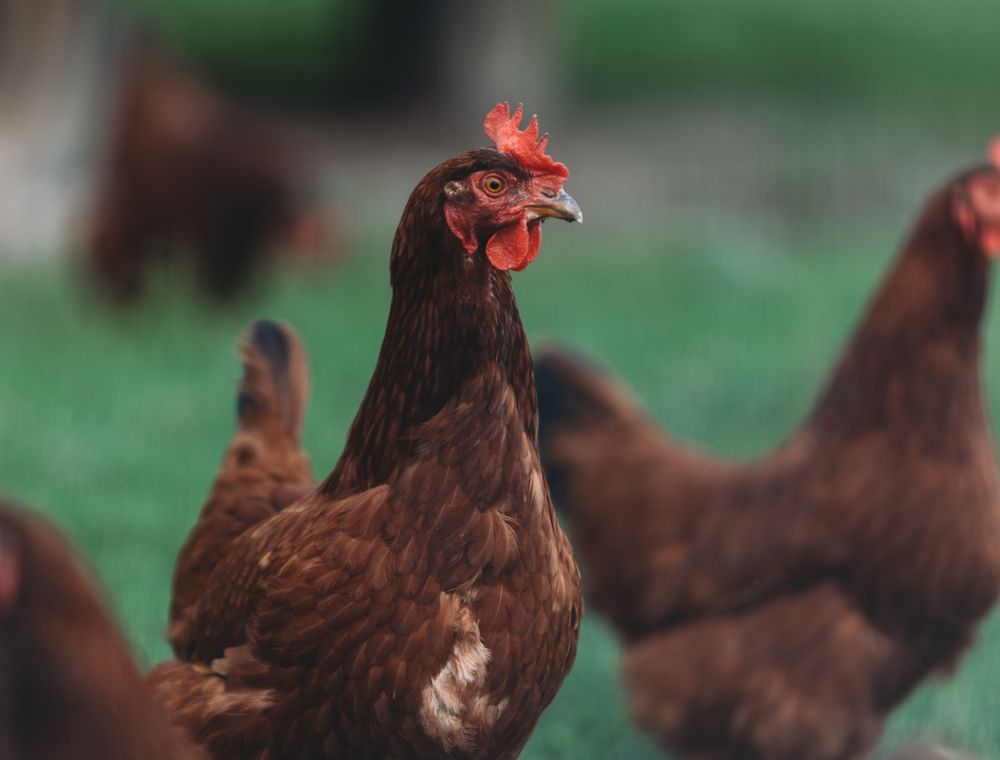
Post one clear photo on your WhatsApp status, not a poster with five logos. A picture of a row of brown hens on grass, with a line saying Saturday visits by appointment and your own phone number underneath, does more than a printed flyer taped to a shop window. Say how many places there are. Limited places sell faster than open days, and they keep the morning manageable.
If you need a short guide to selling the products once people have seen the farm, our piece on how to market and sell poultry in Ghana covers the buyers who come back, and the same habits apply to visitors who leave with a tray of eggs.
When a farm should keep the gate shut
There are farms where a visit day is a bad idea, and we would be doing you no favours by pretending otherwise. If you are still building the houses, if your biosecurity is a footbath and a hope, or if your broilers are at their heaviest weeks, keep the gate shut. Birds near market weight in a broiler house are the most exposed birds on any farm to a visitor who has just come from somewhere else.
Think about your staff too. A worker who has to stop feeding to walk a group round the yard will feed badly and resent it. If there is no one trained to guide visitors, the job falls back on you, and the birds lose the attention they need. Wait until you can hand a visitor to someone who knows the rules and still have the morning for the flock.
What visitors to a hatchery should know
Halaal Farms is a day-old chicks hatchery and importer in Opeikuma, Kasoa, and our visits are by appointment. We would rather meet a small group with a plan than a crowd that turns up on a Sunday. A hatchery and a laying house carry different risks, though, and the chicks in a hatchery are the most delicate birds you will ever stand near. Newly hatched chicks are fragile, and they should not be handled by visitors at all.
The point for a farm thinking of opening its gate is this. A visitor who has been near a hatchery, a live-bird market and a neighbour’s broilers in one day is a bigger threat than a visitor who has been nowhere. If you keep a flock of your own and want to bring new birds in, the safest visitor is the one who never goes near the new box. You can read who we are and how we work before you call, or place an order through the form if you have already decided to restock. For WhatsApp, the number is +233 24 915 1503.
Checklist before the first visitor arrives
Run through this list the week before your first open day, and again the morning of it. Anything you skip here is the thing a visitor will notice.
- A written price list and a booking message with the date, the time and the number of places
- Entry fees collected before the walk, with a receipt or a line in the visitor book
- Footbath filled with fresh disinfectant, and overshoes in three sizes
- Route marked, every house closed, and no visitors planned on a day a bird has been found dead
- Shade, water and toilets for the group, with a handwashing point at the exit
- Written answer from your district assembly on permits, and from the Food and Drugs Authority if you serve food
- A check with your insurer on whether your farm policy covers visitors, since poultry cover is written for the birds and a visitor who slips on a wet floor is a separate claim
- One named guide, trained on the route and the rules, who is not also feeding the birds
If you tick every line, a Saturday visit is a manageable piece of work. If you cannot tick two, wait a fortnight and tick them.
Keep farm biosecurity first, tell visitors what we are about, and if a visit turns into a real plan to keep birds, point them to our day-old chicks or a partnership.
Questions farmers ask
Do I need a special licence to run farm visits in Ghana?
Ask your district assembly first, because they handle local business permits for any activity that brings the public onto premises. A walk round the farm may need nothing more than your normal business permit, but the assembly may also ask about parking, toilets and the maximum crowd size. If you serve cooked food, the Ghana Food and Drugs Authority is the next call. Get the answers in writing before you advertise a date.
How much should I charge per visitor?
We cannot give you a market rate, because a farm visit costs different amounts in different towns and changes with the season. Work backwards instead. Add up the helper, the drinks, the cleaning and the expected headcount, then add a margin for your own time. Test two prices across two Saturdays, write down the numbers each time, and keep the price that fills the morning without leaving you short.
Can children hold chicks during a visit?
Only in a controlled way. Let them hold a point-of-lay or older bird at a table set away from the houses, after footbath, with an adult watching. Day-old chicks are fragile and should not be handled by visitors at all. Keep the handling short, wash hands afterwards, and do not let children carry birds from one pen to another.
How many visitors can one farm take in a day?
Count your guides, your footbath and your toilets rather than your ambition. One trained guide can usually take a group of twelve to fifteen round a fixed route without losing anyone. For bigger bookings, split the group into timed slots and run them one after another. The number that matters most is the number you can keep away from the houses at the same time.
Will visitors spread disease to my birds?
They can, and this is the main risk of the whole idea. Visitors who have been to other farms, markets or live-bird trucks can carry virus on their shoes and clothes. Footbath, overshoes, a fixed route and closed houses cut that risk a great deal, but they do not remove it. Stop all visits during a disease alert, and ask your district vet for the current position before you reopen.
Should I sell eggs to visitors at the end of the walk?
Yes, if you handle the eggs properly. Collect them in clean trays, keep them out of direct sun, and avoid putting the egg table next to the feed or the shoe rack. Visitors who have just seen the hens are often the easiest buyers you will get. Put a clear price on the trays and keep a simple tally of how many you sold on each open day.
Can a visit bring in enough to be my main income?
Usually not on its own. For most farms it is an extra cash line that covers a bill, a feed top-up or a school fee, not the reason the farm exists. Treat the visit as a way of selling more of what you already produce, and keep your main income tied to birds and eggs sold in volume to buyers who come back.

