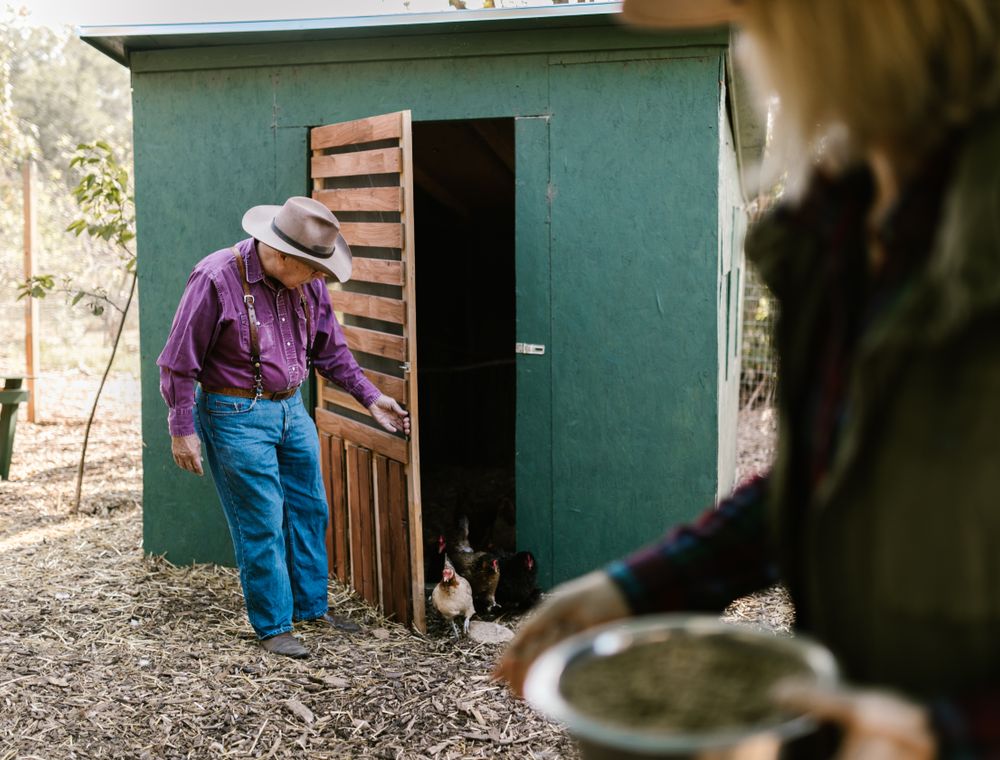
Short answer: A visitor policy for a poultry farm is a short set of written rules on who may enter, what each person must declare, what they wear and where they may go. The question that matters most is where the person has been in the last two days, because people carry disease on boots, clothing, hands, bags and vehicles, often from places you never see. Write the policy in English and Twi, apply it to family and staff as well as strangers, and review it every quarter.
Key takeaways
- People carry disease on boots, clothing, hands, bags and vehicles.
- Ask every visitor where they were in the last 48 hours, and whether they touched birds.
- Keep visitors out of the bird houses, and keep vehicles out of the yard.
- Write the policy on one page and post it at the gate in English and Twi.
- Apply the same rules to family, staff and the owner.
- Keep a sign-in book, and review the policy every quarter and after any illness.
Why the first question is where they have been
Forty-eight hours is the gap we would ask any visitor to leave between another poultry premises and your birds. It is not a magic number, and your vet may set a longer one if a sick flock sits nearby. But it is a clear rule that a gateman can apply without a debate, and a clear rule is the whole point of a policy.
The risk is simple to state. A person who has been at a live bird market, on another farm or among sick birds can carry the virus or bacteria on shoes, clothes, hands or a phone, with no sign of it on themselves. Most visitors are not careless. They simply do not know where the last bird they touched came from.
A visitor policy does not replace the wider routine of footbaths, rodent control and all-in-all-out flock management. Our biosecurity guide covers that routine. This article is about people, and the rules that decide who gets close to the birds and when.
Who counts as a visitor, and who farms forget
Most farms think of a visitor as the buyer or the friend who wants to see the chicks. The list is longer than that. Here is what we would include.
- Veterinary staff and vaccination technicians.
- Feed and medicine sales representatives, and their drivers.
- Delivery drivers, including the crate and feed truck drivers.
- Egg buyers, traders, and anyone collecting birds or eggs.
- Electricians, masons and contractors on a repair job.
- Family, friends, school groups and anyone who wants a look round.
- Inspectors, journalists and researchers.
- Staff coming back from a market, a funeral, or a visit to a neighbour's birds.
Staff and family are the category most often left out. A worker who goes to the Saturday market and then walks straight into the house has done more harm than any stranger at the gate. The policy has to cover them in the same words it uses for everyone else.

The parts a policy needs before it is worth anything
A policy is a document you can point to. If it lives only in your head, it will drift within a month. Keep it to one page, with these parts in this order.
- Purpose, in one sentence: to keep disease away from the birds on this farm.
- Who it applies to: every person on the farm, and every visitor.
- The gate: who opens it, and where visitors must stop.
- The sign-in book, and the questions asked at the gate.
- Clothing and footwear, and where visitors change into them.
- Vehicle rules, and where drivers wait.
- Zones: which areas visitors may enter, and on what conditions.
- Deliveries and the handover point.
- What happens when someone refuses or breaks a rule.
- Who reviews the policy, and when.
Write it in English, and in Twi wherever your workers need it. A rule nobody can read is a rule nobody follows. The person on the gate is often the one who needs the translation most, so do not leave the language to chance.
The sign-in book and the five questions at the gate
The sign-in book is your memory when something goes wrong. Ask every visitor the same questions, and write the answers down. A visitor who will not answer does not go past the gate.
- Name, phone number, and the company or family they come from.
- Time in, and the reason for the visit.
- Where they were in the last 48 hours: which farms, markets, slaughter points or hatcheries.
- Whether they have touched poultry, eggs, feathers, litter or droppings in that time.
- Whether there has been sickness or sudden deaths in birds where they live or work.
Answers will sometimes be untrue, which is why the third and fourth questions matter as much as the first. A person who says they were nowhere near a market, but has a bag of live birds in the car, is telling you something whether they mean to or not.
Keep the book for at least a year, so you can trace a visit if a flock falls ill. Its only job is to tell you who was near the birds, so do not use it as a guest list.
Zones: who goes where, and on what conditions
Divide the farm into zones and decide in advance who may enter each one. The table is a sensible starting point for a small or medium farm. Adjust it to your layout, but keep the order: the closer a zone is to the birds, the fewer people may enter it.
| Zone | Who may enter | Conditions |
|---|---|---|
| Gate and office | Any visitor who has signed in | Sign-in book and the five questions completed |
| Yard and feed store | Delivery drivers and feed staff | Marked path only, and no contact with birds |
| Clean corridor outside the houses | Vets, technicians and approved contractors | Farm overalls and boots on, hands washed before entry |
| Bird houses | Farm staff on duty only | Farm clothing, no outside footwear, no visitors in the same session |
| Chick or breeder rooms | Farm staff on duty only | No visitors at all unless management approves in writing |
Some farms put a visitor viewing point at the edge of the clean corridor, so a buyer can see the birds without stepping inside. That is a good compromise for a customer who needs to see the flock, and it costs you nothing in risk.
Clothing and footwear: what a visitor wears at the gate
Visitors should not walk into a bird area in the shoes they wore on the road. The simplest rule is that the farm supplies boots and overalls for anyone who needs to go past the clean corridor, and visitors who only stand at the gate go no further. Keep the boots at the gate, labelled by size, and have them returned there when the visit ends.
Boots that are caked in mud from the road carry the mud straight through any footbath. So ask visitors to clean off the worst of it before the gate, then give them the farm's boots. Hands are the other route. Give visitors a place to wash before they touch a gate handle, a feed bin or a bird.
Do not let a visitor keep a bag, a phone and a stick while they walk the yard. Bags go on the gate shelf. A bag that has been on a market table is a bag that has been on a market table.
Vehicles stay outside the yard, and drivers wait at the gate
Vehicles are a disease route that people underestimate. Tyres pick up mud and manure at the last farm or market, and the cab carries dust, feathers and droppings. The rule we would set is simple. No visitor vehicle enters the yard unless it has to, and any that must come in stops at a marked point near the gate.
Drivers stay with their vehicle or at the gate, unless the policy says otherwise. A feed truck driver who needs to unload hands the bags over at a marked spot, and the farm's own staff carry them from there. Nobody walks past the clean corridor carrying a delivery. Write the handover point into the policy, and paint it on the ground if you can. If you collect chicks from us rather than having them brought to the farm, our delivery page sets out the options.
If a vehicle has recently carried live birds to market, treat it as a risk in its own right. Our guide to transporting live birds to market explains why those trips matter for the farm that comes after.
Need chicks for your next batch?
Send breed, number and town. We reply with price, hatch date and delivery cost in writing.
Vets and technicians who have come from a sick flock
A vet who has been to a sick flock does not walk straight into your houses. This is the visitor the policy has to handle with the most care, because the visit is often necessary and urgent. The rule is about order and clothing, not about turning help away.
- Ask the vet where they have been, and record it in the book without judgement.
- Where you can arrange it, let the vet visit healthy flocks before any suspect farm.
- Give them farm overalls and boots, and keep their own clothes and boots out of the bird area.
- Let them wash and change at the gate before they enter the clean corridor.
- Follow the vet's advice on any return visit, including how long to wait before coming back.
If your own birds are the sick ones, call the vet first, then keep to the policy until they arrive. Do not let curiosity bring other visitors into the yard while the vet is working. For any new birds brought onto the farm, the separate steps in our quarantine guide for new birds apply. If the vet suspects avian influenza, read our avian influenza guide before the next visitor arrives.
When someone refuses, and when a rule is broken
A policy is only as good as the first time somebody asks for an exception. Decide in advance what the gate staff will do, so the answer is not a debate on the spot.
- Say the rule once, politely, and in the local language where needed.
- If the visitor still wants to go in, offer the outside option: a conversation at the gate, a view from the fixed point, or a return visit by appointment.
- If the visitor refuses the questions, they do not enter, and the refusal goes in the book.
- If a member of staff breaks a rule, the manager records it and retrains that person the same day.
- If someone has entered without signing in, the manager checks which birds they were near and tells the vet.
Do not make exceptions for relatives of the owner, or for a visitor who has brought a gift of food or a crate of eggs. Those are the visits that cause the most trouble, because nobody at the gate wants to be the one who turns them away.
Staff, family and the owner follow the same rules
The hardest part of any visitor policy is the people who already live on the farm. A worker who goes to the market on a Saturday and then cares for the birds on Monday is a disease route, however careful the gate is. The rule for staff is a change of clothes and boots, and a rest from bird contact, before they go back into the houses. Work out what that means for your own roster, and write the number of hours down.
Family members who come to help are visitors too. A child who wants to feed the chickens after a visit to a neighbour's farm should be asked the same questions as anyone else. It sounds strict. In practice it is the easiest way to keep the policy honest, because nobody gets a free pass, and nobody has to argue about it.
When you restock after a clean-out, day-old chicks for Ghana farms arrive into a house that is already following the policy. That is the time to set the rules, before the birds are on the floor. You can start that order on our order page once the policy is written.
Reviewing the policy every quarter, and after any illness
A policy written in January is out of date by the rains. Review it once a quarter, and always after a sick bird, a new supplier, a new delivery route or a change of staff. Read the sign-in book at the same time. Patterns show up quickly: the same supplier arriving on the day after a market, or a worker who has signed in as a visitor twice in one week.
Keep the sign-in book with your other farm records, so the visit history sits beside the batch and health notes. Our poultry record keeping guide shows a simple layout that works for a small farm.
Before each gate shift, check the following:
- Sign-in book open, with a pen tied to it.
- Boots and overalls ready and clean for the visitors who need them.
- Handover point marked and clear of obstacles.
- Policy posted at the gate in English and Twi.
- Visitors asked the five questions, every time.
- Refusals and exceptions written down the same day.
Questions farmers ask
Do visitors really need to sign in on a small farm?
Yes, and a small farm needs it more than most, because each bird lost is a bigger share of the flock. A sign-in takes thirty seconds at the gate. If you cannot trace who came in the week a bird fell sick, the book is the only record you have to work from.
What if a visitor does not want to answer the questions?
They do not enter. Say so politely, and offer a conversation at the gate or a later visit by appointment. Write the refusal in the book. Someone who will not say where they have been is telling you something about the risk, and you should act on it.
Should the delivery driver come into the yard?
Not into the clean areas. Set a handover point near the gate and have your own staff carry the goods from there. Keep the driver's vehicle outside the yard wherever you can, and make sure the driver does not walk into the bird area.
How long should a visitor stay away from birds before visiting?
Two days is a sensible minimum, and some vets ask for longer after contact with a sick flock or a live bird market. Use the period your vet recommends and write it into the policy, so the gate staff are not guessing on the day.
Do family members need to follow the policy?
Yes. Disease does not check the family tree. If a family member goes to a market or another farm, they change clothes and boots and stay away from the birds for the agreed period, the same as anyone else.
Is a footbath enough on its own?
No. A footbath only helps when the boots are already reasonably clean. Clean the mud off first, then use the bath, then wear farm boots in the clean areas. A footbath treated as the whole policy gives a false sense of safety.
What do I do if a visitor has been near sick birds and I did not know?
Stop that visitor from entering the bird houses, record the visit, and call your vet. Watch the birds closely over the next days for changes in feed and water intake, droppings, egg output and deaths, and report any sudden change at once. Do not wait for a second bird to fall ill before acting.


