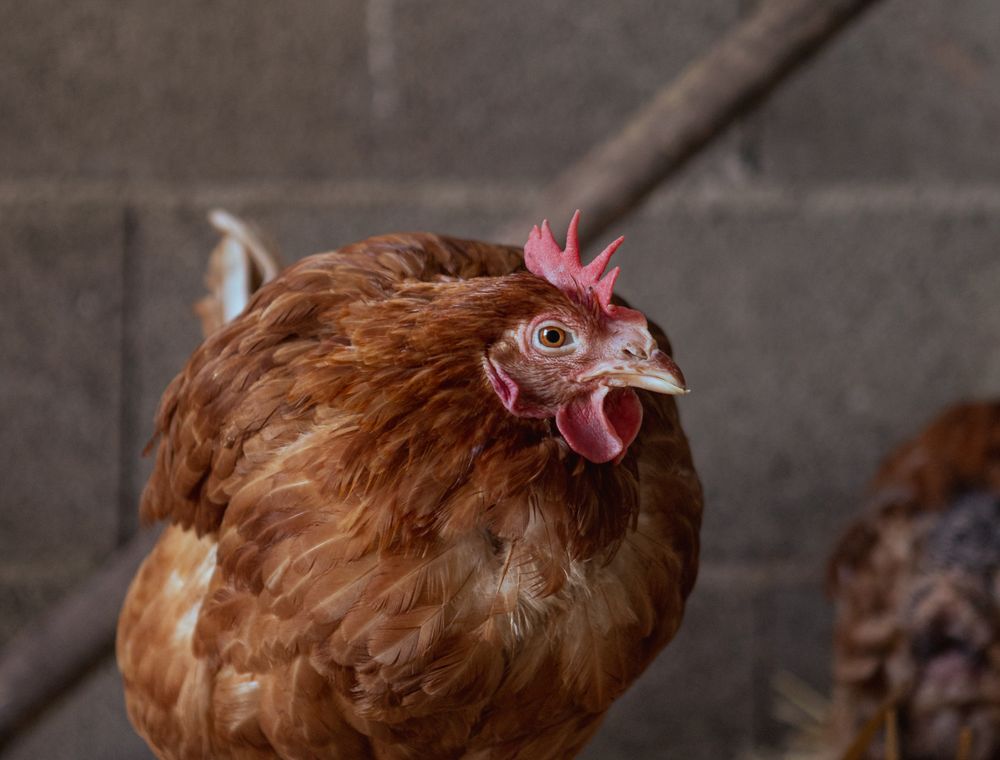
Short answer: The Barnevelder is a calm Dutch dual-purpose hen that lays dark brown eggs, typically 150 to 180 in a good year, and keeps that shell colour through the laying year. She suits a fenced plot or a deep-litter house, but her dense feathers need shade and cool water in the hot months. Keep a close eye on the quiet hen, because she will go broody without much warning.
Key takeaways
- Expect 150 to 180 dark brown eggs per hen in a good year, and judge the flock over the full season.
- Give her shade over half the run and a cool water point, because the dense feather cover holds heat in March and April.
- A Barnevelder fits deep litter well, but a cake of damp litter under the perches will cut lay quickly.
- Watch for the quiet hen that stops coming out of the house, and collect eggs twice a day when she is getting broody.
- Add a second nest box once the flock passes twenty hens, so eggs stop turning up on the floor.
How many eggs, and what the brown looks like in the nest box
The question we get most about the Barnevelder is a fair one: how many eggs does she actually lay, and does that dark brown last? The honest answer is somewhere between 150 and 180 eggs in a good year, and yes, the brown holds. The shell is a deep chocolate-brown, darker than most of the brown eggs on a supermarket shelf, and it stays that way through the laying year.
Pigment can soften a little as a hen gets older, which is normal, but a sharp change in the same hen's shells is a signal to check her feed and her health rather than blame the breed. The table below gives the traits we describe to buyers, so you know what to expect before the first egg lands.
| Trait | What a typical Barnevelder hen gives you |
|---|---|
| Eggs per year (good season) | 150 to 180, brown to dark brown |
| Mature hen weight | Around 2.5 to 3 kg |
| Mature cockerel weight | Around 3.5 to 4 kg |
| Temperament | Calm, quiet, tolerant of handling |
| Broodiness | Occasional, not constant |
| Foraging | Moderate; does well on a fenced plot |
Treat those numbers as a guide, not a guarantee. A hen on a poor ration in a damp house will lay fewer and smaller eggs, however good her breed.
The double-laced look and the colours you will find
Barnevelders come from the town of Barneveld in the Netherlands, where they were bred in the early 1900s as a hardy farm hen with a good egg and a usable carcass. The variety most people picture is the double-laced. Each feather has a dark ring at the edge, set against a lighter ground, and when the light hits a flock it looks almost hand-painted.
In most flocks you will also see black birds, and the breed has blue types too. Colour does not change how the hen lays, but it does change how she looks in a crowded run. A black hen hides dust and a double-laced hen shows it, so choose the colour that suits how closely you want to look at your birds.

When you buy chicks, the colour pattern shows up slowly. Do not expect the adult plumage on day one. Wait until the feathers come through at around 8 to 12 weeks, then check the pattern against what the breeder or supplier has sent.
Calm birds, but not lazy: a Barnevelder's day in the run
A Barnevelder hen is one of the easiest layers to keep in a mixed yard. She will walk up to you at the feeder, she tolerates children, and she does not panic when a dog barks at the gate. That calm is a real asset when you are moving birds, weighing them or treating a sick one.
Calm does not mean idle. A healthy hen spends the morning scratching, dust-bathing and working through the litter, then settles in the shade in the middle of the day. If your birds sit in one place from breakfast to dusk, look at the ground, the water and the shade before you assume the breed is lazy. The usual cause is a run with nothing to do.
Give them something to work at. Scatter a little grain in the litter so they scratch for it, hang a cabbage or a bundle of green leaves where they have to reach, and keep a patch of loose soil for dust bathing. These are cheap and they keep a flock busy during the hottest part of the day.
Dense feathers and the hot months in Ghana
The Barnevelder carries a heavy feather cover, and that is good insulation in the cool nights of the harmattan and a problem in March and April. A dense coat holds heat, so a hen that has been sitting in full sun will pant, lose appetite and lay fewer eggs in the afternoon. We see the dip most clearly in the weeks before the first rains, when the air is still and the iron roofs are at their hottest.
There are three things we tell customers to do. Put shade over at least half the run, using a shade net or a tree that the birds can use from mid-morning. Move the water to a cool spot and check it twice a day, because a dish left in the sun can warm to a temperature the birds will not drink. And open the house at the top and the sides in the afternoon so the hot air leaves before the next night.
- Shade over at least half the run from mid-morning onward.
- Water in a cool corner, checked morning and afternoon.
- Roof openings wide in the afternoon, closed only at bird level at night.
- Feed in the early morning and late afternoon, when the birds are most active.
If you want the broader view on temperature and birds, our heat stress article explains what to look for, though it is written for broilers and the signs translate directly to layers.
Deep litter or perches: picking the floor for this breed
A Barnevelder is happy on deep litter. She scratches it, moves it, and keeps herself busy in it. Deep litter also gives you a warm, absorbent floor in the rains and a steady supply of manure you can use on the vegetable plot. The trade-off is that the litter needs managing, and a damp, caked floor will bring coccidiosis and ammonia problems quickly.

Perches still matter, because the Barnevelder roosts well and prefers to sleep high. Give her 25 to 30 centimetres of perch per hen, set on a board that catches the droppings, and keep the perch low enough for a heavy hen to climb onto without hurting her feet. The perch is where she spends the night, and a cold, draughty perch will make her restless.
If you run mixed ages in the same house, use a separate section for the young birds with a lower perch. Our brooder temperature chart covers the heat the chicks need before they are ready to move to the adult section.
Why a Barnevelder goes quiet before she sits
A Barnevelder hen that is about to go broody usually gives you a warning. She stops coming out of the house in the morning, she sits low in the nest even when you are standing close, and she does not bother with the feeder until the afternoon. Many farmers miss this, because the bird looks content, and they only notice when the eggs stop.
Collect the eggs twice a day when a hen is getting quiet. A hen that sits on eggs will often pull them under her and wait, and a clutch of cold eggs that is left alone for days goes off quickly. If she is sitting on a nest with no eggs in it, move her to a different box. Barnevelder hens sit on the same spot, which makes them easy to find, and that is also why it is easy to move them.
When you need the broody stopped, a quiet, shaded spot works better than a crowded cage, and we would rather see you wait a few days for a hen to recover than rush her back into the lay box before she has finished.
Point of lay, and the first eight weeks of eggs
Barnevelder pullets start laying a little later than some of the lighter breeds, usually around 22 to 24 weeks. The first eggs are small and sometimes ill-shaped, and the hen will not lay every day for the first few weeks. That is normal, and it is not a reason to change the ration in a panic.
In the first eight weeks, watch three things. Count the eggs each day so you can see the curve rise. Check that the shells are not thin or rough, which points to calcium or a stress problem. And keep the nest boxes clean and dry, because the first hens that lay in a box set the habit for the whole flock.
- Move the pullets to the layer house at about 16 to 18 weeks, before the first egg.
- Switch from grower to layer feed over seven days, with oyster shell in a separate dish.
- Count eggs every day for eight weeks and write the numbers down.
- Check shell quality weekly by handling a sample from different hens.
- Mark any hen laying soft or misshapen eggs and recheck her in a week.
For the first weeks of a flock's life, the poultry vaccination schedule sets out the typical timings, and your vet's advice should set the actual dates for your birds.
Need chicks for your next batch?
Send breed, number and town. We reply with price, hatch date and delivery cost in writing.
A worked example: 24 hens on a Kasoa plot
Take 24 Barnevelder hens on a fenced plot in Kasoa, averaging 160 eggs each in the year. That gives 3,840 eggs, or 128 crates of 30. Sold at our GH₵50-per-crate table-egg rate, the gross is GH₵6,400 before you spend anything on the flock.
Feed is the next line. At about 105 grams of layer ration a day, 24 hens eat roughly 920 kilograms in a year. Put your local price per kilo against that, then add the shell grit, litter, a few litres of disinfectant for the house, and the vet visits you will not avoid. The eggs earn the money. The feed takes most of it.
The easy saving is the cracked egg. Say 4 percent of the year's output is lost to cracks, dirty shells or eggs laid out in the grass. That is 154 eggs, about five crates, or roughly GH₵250 at the crate price. A second nest box in the quiet corner, and a closing routine that stops hens laying in the bush, usually recovers most of that for almost no money.
Before you buy, check the figures on our prices page. For a breed that is not listed there, send us a WhatsApp message and we will say what the hatch holds.
Mistakes that cost Barnevelder keepers eggs
Most Barnevelder problems come from treating a calm bird as a low-maintenance one. These are the mistakes that show up most often at the farm gate.
- Leaving one nest box for twenty hens, so the rest lay on the floor where they get trodden.
- Letting the litter cake under the perches, which invites coccidiosis and a sudden drop in lay.
- Waiting until the eggs stop to notice a hen has gone broody.
- Putting feed out only in the afternoon during the heat, so birds eat little and lay less.
- Keeping a cockerel with the hens without checking that he is calm, which causes feather loss on the backs of the hens.
If you want to compare the breed with other layers before you commit, our best layer breeds guide lists the options side by side, and the breeds page covers the families we work with.
A checklist before the first Barnevelder hen goes into lay
Tick these off before the pullets are moved into the layer house. Most of them take an afternoon, and missing one usually costs weeks of eggs.
- One nest box for every four or five hens, dark, clean and lined with dry husk.
- Perch length of 25 to 30 centimetres per hen, with a droppings board under it.
- Litter spread to a depth you can turn, and dry on the day of the move.
- Layer ration in the feeder, and oyster shell in its own dish.
- Shade over part of the run and a cool water point checked twice a day.
- A closing routine with a headcount at dusk, every evening.
Once the house is ready, our layer chicks page and the order form are the next steps, and the about page explains how we hatch and dispatch.
Questions farmers ask
How many eggs does a Barnevelder lay?
A good Barnevelder hen typically lays around 150 to 180 eggs in a year. Output is lower in the first months of lay, in the hottest weeks and in a moult. Feed quality and shade have a bigger effect on the number than most farmers expect.
What colour are Barnevelder eggs?
They are a deep chocolate brown, darker than most brown eggs. The colour is genetic and holds through the laying year, though it may soften slightly as a hen gets older. A sharp change in one hen's shells is worth checking for feed or health problems.
Are Barnevelders good with children?
They are one of the calmer layers. Many families keep them in a backyard run because the hens tolerate handling and do not panic easily. Keep the run closed at night, and supervise young children around any cockerel, since a cockerel can be protective.
Do Barnevelders go broody?
Some do, and usually not constantly. A broody hen goes quiet, sits low in the nest and skips the feeder in the morning. Collect eggs twice a day when you see this, and move her to a shaded, quiet place if you want her stopped quickly.
Can Barnevelders handle the heat in Ghana?
They can, with shade, cool water and open roof vents in the afternoon. Her thick coat holds heat, so the hot months from March to April need the most attention. Feed early in the morning and late in the afternoon when the birds are most active.
Do Barnevelders suit deep litter?
Yes. They scratch and work the litter, which keeps them busy and spreads the droppings. Keep the litter loose and dry, turn it regularly and change the top layer when it cakes, because damp litter is the main route to coccidiosis and ammonia trouble in the house.
Where can I check Barnevelder chick availability?
Before you draw up a house plan around this breed, ask us what is in the hatch that week through our WhatsApp line, +233 24 915 1503. The batch card that comes with each order lists the vaccinations, so you can check them against your own calendar.


