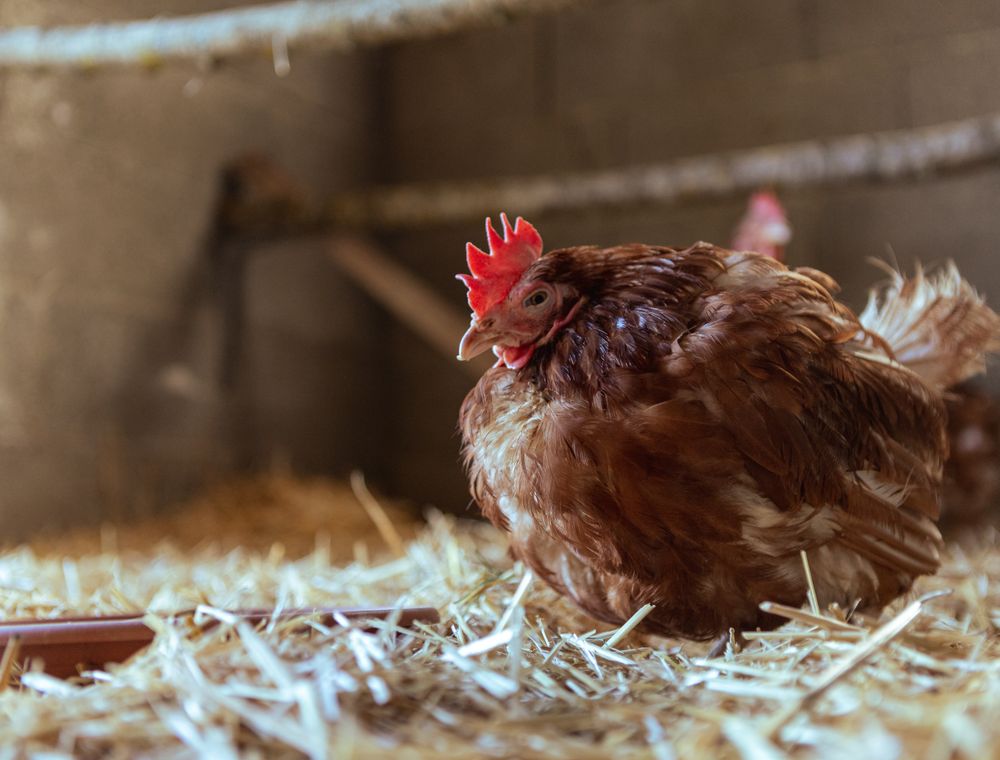
Short answer: The Australorp is a calm, large dual-purpose bird that lays brown eggs steadily and handles handling and daily routines well, which makes it a good fit for a family or small commercial flock in Ghana. Its dark plumage takes in more sun and its size means it needs shade, space and cool water in the hot months. Feed it in clear stages, keep a sensible cockerel ratio if you want fertile eggs, and it will repay you with a dependable, easy-to-manage flock.
Key takeaways
- Australorps are calm and easy to handle, which makes daily checks, collecting eggs and managing a mixed flock simpler.
- Hens lay brown eggs steadily through their first laying year, and output depends on feed, shade, light and a settled house.
- The dark plumage absorbs more sun, so shade and cool drinking water matter more for this breed than for lighter birds.
- Their size and steady growth mean the meat is useful but takes longer and costs more feed per kilogram than a broiler.
- Keep one cockerel for roughly every eight to ten hens if you want fertile eggs, and manage broodiness as it appears.
An Australian bird with Orpington roots
The Australorp was developed in Australia in the early twentieth century from black Orpington stock that had been imported into the country. Breeders selected for good laying, a sound body and a calm, friendly temperament, and the result was a bird that became popular on farms well beyond Australia. The name blends its origin with its Orpington ancestry, and you will see it written as Australorp, Australian Black Orpington or simply Orpington in some catalogues.
The modern Australorp is a large, deep-bodied bird with glossy black plumage that often shows a greenish sheen in the sun. It is heavier than most commercial layers, carries itself low and broad, and has a single comb. Hens are generally smaller than cockerels, and both sexes are steady rather than flighty.
For a Ghanaian farmer, the breed's origin matters less than what it does on your farm. It was bred for a temperate climate with real seasons, so it needs some help in the heat. The rest of this guide focuses on the practical steps that make the breed work well in our conditions, from shade and water to feeding and flock ratios.
Laying checkpoints in the first year
Australorp hens are known as steady, regular layers. They lay brown eggs with a sturdy shell, and in good management they keep laying through a long first year. Reports vary a great deal between flocks and strains, so use the checkpoints below to judge your own birds rather than relying on any single figure.
| Checkpoint | What you should see | If it is not happening |
|---|---|---|
| Point of lay | First eggs appear, usually around five to six months | Check feed stage, light and general weight |
| First month of lay | Eggs rise steadily, with regular laying days | Look at nests, space and stress in the flock |
| Mid first year | Lay is strong and eggs are a consistent size | Review calcium, shade and feed intake in heat |
| Late first year | Lay eases gradually, as expected | A sudden drop needs a health check with your vet |
Keep a daily count of eggs, eggs cracked or soft, and any days with no eggs at all. Those three numbers will show you more about flock health than any general guide, and they help you spot a problem early.
Calm temperament and easy handling
The Australorp is one of the most relaxed birds you can keep. Hens tolerate being handled, cockerels are usually steady rather than aggressive, and the flock settles into a routine quickly. For a family farm, that makes a real difference. Children and older helpers can collect eggs and check drinkers without the flock running in all directions, and a calm bird is less likely to be injured or to pile into corners.
Calm does not mean careless, though. A relaxed flock still needs gentle, regular handling so that birds stay used to people. Pick up a few birds each week, check their weight and condition, and look at their feet and vent. A bird that is used to handling is easier to treat when it does get sick.

Keep the flock calm in other ways too. Avoid sudden noise and changes in the feed routine, give them a set time for feed and checks, and do not introduce large numbers of strangers into the house at once. A quiet flock eats more and lays more consistently.
Broodiness: useful or a nuisance?
Australorp hens go broody more often than many commercial layers. A broody hen stops laying, sits on the nest, fluffs her feathers and resists being moved. Some farmers welcome this, because a broody hen will hatch and raise chicks without an incubator. Others find it wastes weeks of egg production, especially if the hen sits on nests with no eggs in them.
If you want chicks from your own hens, allow a broody hen to sit on a clutch of fertile eggs in a quiet, shaded box with food and water close by. If you do not want broodiness, remove her from the nest each time she sits, give her a calm space away from the laying boxes for a day or two, and make sure she has feed and water.
- Collect eggs at least twice a day so hens do not get used to sitting on full nests.
- Keep nests dark and clean, and keep them in a cooler part of the house.
- Move a persistent broody to a separate pen for a few days rather than letting her block the nest.
- If a hen stops eating or looks unwell while broody, call your vet.
Our guide to choosing fertile eggs explains how to select clutches for a hen to hatch, and the storage article covers how to keep them before setting.
Meat, size and the dual-purpose question
Australorps are large birds, and both cockerels and older hens can provide a worthwhile carcass. Their size is a real asset for buyers who want a substantial bird, but it has a cost. A larger body takes longer to reach a sale weight and needs more feed for each kilogram gained. A dual-purpose Australorp flock is therefore a steady business rather than a fast one.
Think of meat from this breed as a useful by-product of a laying flock. Sell surplus cockerels at the age and weight your buyers want, and keep the best hens for laying. Hens past their best can be sold for the pot. Track feed used and the price you receive for each bird, so you know whether the meat side is paying its way.
- Weigh a sample of birds every few weeks through rearing.
- Decide early which cockerels you will keep for breeding and which you will sell.
- Record feed per bird and compare it with the price you can get locally.
- Sell surplus birds in batches to keep your stock manageable.
If fast turnover is your main goal, a broiler strain will serve you better. If you want a calm, steady flock that gives both eggs and meat over a long period, the Australorp fits that plan well.
Dark plumage, sun and shade
Black feathers absorb more solar radiation than light ones, and that matters in a hot country. An Australorp standing in full sun at midday will feel the heat more than a white bird beside it. This is not a reason to avoid the breed, but it is a reason to plan shade carefully, especially for outdoor runs and birds kept on bare ground.
Shade should cover the places birds go when the heat builds, not just a corner of the run. Use a shade cloth, a roof overhang or planted shelter that stays in place through the hot months. Put drinkers in the shade, and check that water stays cool, because a warm drinker is one of the first things a bird avoids. Our guide to breeds for Ghana's climate compares heat tolerance across the common options.
- Shade over the outdoor run from late morning to mid-afternoon.
- Two or more drinkers spaced across the house, not bunched together.
- Fresh, cool water checked morning and afternoon.
- Feed scheduled in the cooler hours.
- Extra airflow through the house on the hottest days.
Housing for a large, calm hen
The Australorp needs room. A large bird in a crowded house is more likely to suffer feather loss, pecking and heat stress than a lighter bird with the same space. Plan for space and airflow first, then fit the roosts, nests and feeders around them. A house that works for a light layer may be too tight for this breed.

Roosts should be wide enough for a heavy bird to grip and settle on, and placed above the litter so the birds stay out of damp. Give nest boxes a quiet, shaded corner, and keep the floor dry and deep enough to absorb droppings. Feeders and drinkers should be spaced so that a calm hen can reach them without a queue forming.
- Roosting space set above the litter, at a height the birds can reach easily.
- Nest boxes in a quiet, shaded spot, with one box for every few hens.
- Feeders and drinkers spaced across the house to reduce crowding.
- Dry, deep litter, turned regularly and kept away from the drinkers.
- Open sides with a windbreak for the harmattan and a roof that sheds heat and rain.
For a broader view of house designs that suit a mixed flock, read our article on poultry housing designs.
Need chicks for your next batch?
Send breed, number and town. We reply with price, hatch date and delivery cost in writing.
A feeding plan from chick to hen
Feed the Australorp for the stage it is in. A chick needs a high-protein starter, a growing bird needs a grower feed that builds frame steadily without excess fat, and a laying hen needs a layer feed with calcium for good shell quality. Changing too early or too late reduces growth or lay, and it is the most common feeding mistake we see.
- From hatch, feed a starter ration and keep clean water and grit available in the brooder.
- Around the age your vet or feed supplier advises, move to a grower ration in gradual steps over several days.
- Begin the layer ration around point of lay, again changing gradually.
- Keep oyster shell or a calcium source available to hens so they can take what they need.
- Cut back on energy-rich treats in the hot months, and keep the balance of the main feed intact.
- Record feed used each week so you can see changes in intake early.
Our feeding schedule article explains the stage-by-stage logic in detail, and the principles carry across to dual-purpose birds. If you are unsure which feed suits your flock, your feed supplier or vet can help you match the ration to your bird's age and purpose.
Flock ratio and fertile eggs
If you want fertile eggs from your own flock, you need a cockerel. As a general planning guide, one cockerel for roughly every eight to ten hens works well for most flocks. Too few hens and the cockerel can overmate them; too many and the cockerel can struggle to cover the flock, and fertility drops. A single healthy cockerel with good hens will produce fertile eggs for hatching.
Keep an eye on the cockerel's behaviour. An Australorp cockerel is usually calm, but a dominant bird can still injure hens by overmating or by chasing them into corners. If that happens, remove him or split the flock into smaller groups. Fertile eggs should be collected regularly, cleaned gently if needed and stored cool and still until setting.
If you are buying chicks rather than hatching your own, the ratio is less important, but it still shapes your flock's long-term health and productivity. Our layer chicks page describes the stock we can supply, and our team can advise on flock mix at +233 24 915 1503.
Problems to watch and first steps
The Australorp is a robust bird, but it is not immune to the common problems of a Ghanaian flock. Most issues show up first as a change in egg numbers, feed intake or behaviour. Spot them early and act before they spread.
- Falling egg numbers. Check feed stage, shade, water supply and whether hens are broody. A sudden fall should prompt a health check with your vet.
- Soft or thin shells. Review calcium, heat stress and light changes. Our soft-shelled eggs guide covers the causes in more detail.
- Feather loss. Often from overcrowding, a dominant cockerel or boredom. Lower the density and check for pecking.
- Lethargy or a hunched posture. Separate the bird, check water and feed intake, and call your vet early.
Use the flock as your early warning system. Walk the house every morning and note any bird that is standing apart, drinking less or losing weight.
Before you buy: a short checklist
Before you commit to Australorps, work through these questions. They will help you decide whether the breed suits your farm and what you need to prepare.
- Do you want a calm, easy-to-handle flock for eggs and occasional meat?
- Can you provide shade over the run and cool drinking water in the hot months?
- Do you have enough space and a house with good airflow?
- Will you feed in stages and record feed use and lay?
- Do you want fertile eggs, and if so, can you manage one cockerel for every eight to ten hens?
- Are you prepared for broodiness and a slower meat cycle?
If most of your answers are yes, an Australorp flock is a sound choice. To ask about stock and the price confirmed in writing, WhatsApp us at +233 24 915 1503 or place a request through our order form. We will tell you what is available and how delivery works for your region.
Questions farmers ask
Are Australorps good layers in Ghana?
They are steady layers that lay brown eggs with a sturdy shell. Output depends on feed, shade, light and the calm of the house. Keep daily records of eggs for the first year so you can see what your own flock is achieving, and fix problems such as heat stress quickly.
Do Australorps go broody often?
They do go broody more often than many commercial layers. Some farmers use a broody hen to hatch chicks, while others prevent it by removing the hen from the nest each time she sits. Collect eggs twice a day to reduce broodiness and give the hen a calm space if she settles in a nest box.
Are Australorps good for meat?
They are large, dual-purpose birds, so cockerels and spent hens provide a worthwhile carcass. They take longer to reach market weight than broilers and use more feed per kilogram of meat. They suit a flock that is kept mainly for eggs, with meat as a useful by-product.
How do Australorps cope with the heat?
Their dark plumage takes in more sun, so they need shade over the run, several drinkers spread through the house, cool fresh water and feeding in the cooler hours. With those in place they cope well. Without shade they are more likely to suffer heat stress on hot afternoons.
How many hens should one Australorp cockerel cover?
A common planning guide is one cockerel for roughly eight to ten hens. This gives good fertility without overmating. Watch the cockerel's behaviour, and remove or split the flock if he injures hens or leaves them stressed.
Are Australorps easy to handle?
Yes. They are known for a calm temperament, and hens tolerate handling well when they are used to it from a young age. Gentle, regular handling makes health checks and egg collection easier and helps the flock stay settled.
Can I order Australorp chicks from Halaal Farms?
Ask us. Availability changes by hatch and import, so we confirm stock and the price in writing before you pay. Message us on WhatsApp at +233 24 915 1503, and see our <a href="/delivery/">delivery page</a> for how chicks reach all 16 regions and how collection works at the farm.


