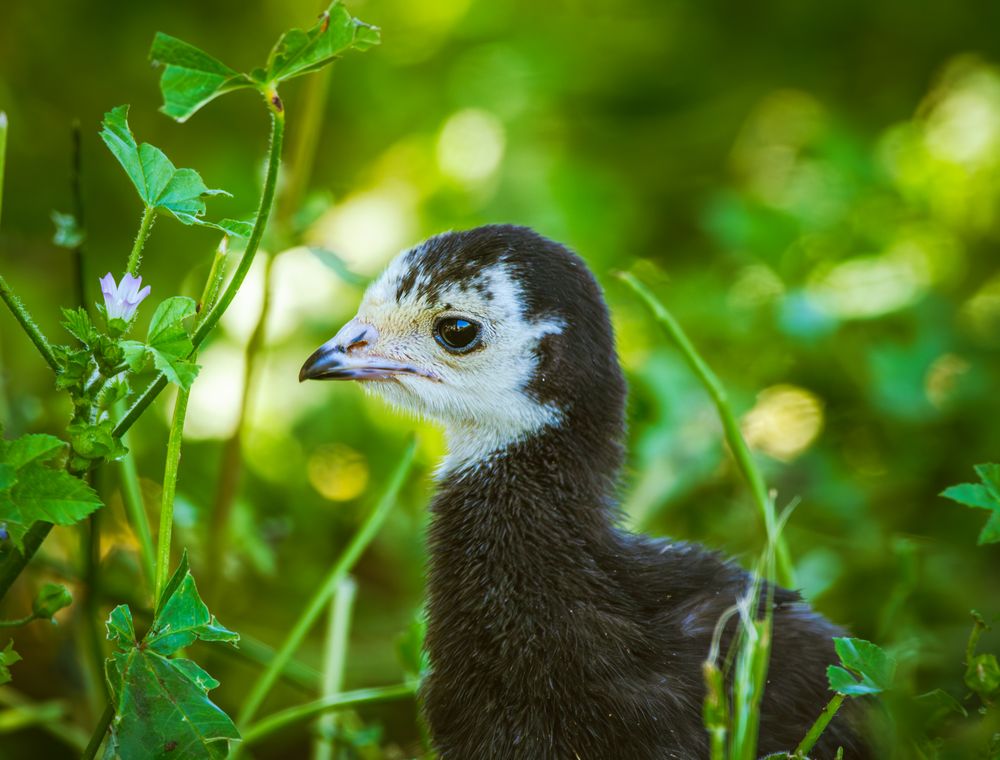
Short answer: The turkey breed sets your calendar, your feed bill and how much of the mating work you do by hand. Broad breasted types reach market weight in roughly fourteen to twenty weeks and yield the most breast, while heritage types take far longer, forage well and mate on their own. Hybrids sit in between, and the only reliable test is a growth curve you can check against your own weighing.
Key takeaways
- The breed sets your calendar, so choose it from the buyer's date and weight backwards.
- Broad breasted types grow fast and yield more breast, but the males often cannot mate on their own.
- Heritage types take twice as long, forage well and mate naturally, but cost more feed overall.
- Ask every seller for the growth curve in writing, and check it against your own weighing.
- Run the feed bill for each plan before you buy, at the bag price you will pay on the day.
A turkey breed is a timetable
Pick the wrong turkey and you will spend the season waiting, or selling too early at a weight nobody wanted. The breed sets the calendar before the poults ever leave the box, and most of the disappointments we hear about trace back to a choice made in the first week of planning.
Turkeys are not a bigger chicken. The types differ in how fast they grow, how much of the carcass is breast, whether the males can mate naturally, how well they forage and how much feed they take to reach the weight you want. Each of those differences changes your costs, your space and your sales date.
This guide compares the main types a Ghanaian farmer is likely to meet, sets them against each other in a table, and works through the feed and timing sums for two plans. It stays with the breed question. For the day-to-day care of the fast birds, our separate guides go deeper, and we link to them where they help.

The types you will meet in Ghana
The names overlap and the sellers do not always use them the same way, so it helps to group the birds by what they are for. Five groups cover most of what you will be offered.
- Broad breasted white. The commercial meat turkey. Fast growing, very heavy in the breast, and the type most often sold for the festive table.
- Broad breasted bronze. A similar commercial frame with bronze plumage. It grows fast like the white type and shares most of its handling needs.
- Heritage bronze and related heritage lines. Slower growing, longer lived and more able to mate and forage without help. Narragansett, Bourbon Red and Royal Palm belong to this family of older breeds.
- Hybrid and dual-purpose lines. Crosses sold as a middle ground between the fast commercial type and the slower heritage birds. Their performance depends on the line, so the growth figures from the seller matter.
- Village or mixed turkeys. Birds kept in family flocks for generations, usually without any selection. They can be hardy, but their size and timing vary widely.
We sell turkey poults in boxes of ten at GH₵65 each, which comes to GH₵650 a box. Before you order, ask us which type the next hatch carries, and ask for the growth figures in writing. A poult box with no stated type is a box you cannot plan around.
The comparison table
The table sets the types side by side on the points that change your plan. The entries describe the usual pattern for each group, so treat them as the right direction rather than a guarantee for a particular flock.
| Type | Time to market (typical) | Breast meat | Natural mating | Free-range fit | Feed demand | Best use |
|---|---|---|---|---|---|---|
| Broad breasted white | About 14 to 20 weeks, longer for toms | Very high | Often poor in males | Low, needs controlled housing | High, bred for fast gain | Festive meat on a set date |
| Broad breasted bronze | Similar to the white type | Very high | Often poor in males | Low to moderate | High | Meat, with a different look |
| Heritage bronze and related lines | Often 26 to 30 weeks or more | Moderate | Good | Good, forages well | Lower per week, but longer overall | Breeding, forage, specialty sales |
| Hybrid and dual-purpose | Depends on the line | Moderate to high | Varies | Moderate | Moderate | Mixed systems, middle-ground plans |
| Village or mixed | Highly variable | Low to moderate | Usually good | Good | Variable | Family flocks, low-cost keeping |
The row that surprises most farmers is natural mating. A broad breasted male can be so heavy in the breast that he cannot mate on his own, and we explain the practical side of that in our broad breasted turkey guide. The heritage types do not have that problem to the same degree, which is one reason they keep their place in breeding programmes.
Growth speed and the market date
Speed is the attraction of the commercial types, and it is also the reason they are unforgiving. A bird that reaches market weight in four months needs everything right for four months. Feed, water, space, heat and handling all have to hold steady, because there is little time to recover from a bad fortnight.
Heritage types take longer to reach a similar carcass size. That slower curve gives you more room for mistakes, and it spreads the feed bill over a longer period. The cost is time. A heritage bird that is sold in the last weeks of the year can miss the festive window entirely if it was started late, so the calendar has to be settled before the poults arrive.
The middle types sit between the two. Their time to market depends entirely on the line, so ask for the growth curve in writing, and check it against the first two weeks of your own weighing. A curve you cannot check is only a claim.
Meat yield and flavour: what the buyer wants
The broad breasted types give the largest breast yield from the smallest amount of time. That is why they dominate the festive trade. A buyer who wants a big roast for a family gathering will pay for that yield, and a heritage bird may look small beside it on the table.
Flavour is a different question, and it is a matter of taste rather than arithmetic. Many keepers say that heritage birds have richer meat, and that is plausible given their slower growth and more active muscles. We would not promise it to a buyer without tasting it first, and we would not promise it at all if the bird was slaughtered very young.
Ask your buyers two questions before you choose. What weight do they need on the day, and do they care more about size or about taste? A buyer who is choosing for size will pick the commercial type every time. A buyer who is choosing for a particular flavour will be happy to wait for a heritage bird, provided the price reflects the time you put in.
Mating and breeding stock
If you plan to hatch your own birds, the breed decides how much of the work you do by hand. Broad breasted females can be bred on, but the males often need to be managed closely, and many farmers rely on artificial insemination or on a managed breeder pen. Heritage males generally mate on their own, which saves labour and keeps the breeding line in your hands.
Keep the breeding pen small and the records clear. One male to a group of hens is the usual starting point, but the exact number depends on the breed and the size of the males. Write down which hen laid which egg, and which male she was running with. Without those records you cannot tell a good line from a lucky season.
The eggs need their own care. Turkey eggs take longer to hatch than chicken eggs, and the setting and turning routine has to be strict. Our guide on hatching turkey eggs in Ghana covers the practical steps, and it is worth reading before you commit a breeding pen.
Free range and foraging: which turkey can walk the land
Heritage turkeys were bred to walk, roost and forage, and the difference shows as soon as you let them out into the bush. They eat grass, insects, seeds and fallen fruit, and a good heritage flock can cut its purchased feed bill noticeably on a larger, well-managed range.
The commercial birds do not do well on open range. Their breast weight limits how far they can walk, and they tire quickly in the heat. Keep them in a managed run with shade, dry litter and a clean water supply, and do not expect them to forage their way to a good weight.
Predators and mud are the risks on open range. A heritage bird can roost high and defend itself better than a heavy commercial bird, but it still needs a secure house at night, a fence that keeps out dogs and a plan for dry ground after the rains. A free-range turkey left in the open with no roost and no shelter is a turkey you will lose sooner or later.

The feed bill: two plans with the same twenty poults
Here is a worked comparison for twenty poults in two plans. One plan uses a commercial type that reaches market weight in about sixteen weeks. The other uses a heritage type that reaches a similar carcass size in about twenty-eight weeks. The figures for feed are illustrative, so replace them with your own intake and your own bag price before you rely on the result.
| Line | Commercial type, 16 weeks | Heritage type, 28 weeks |
|---|---|---|
| Poults | 20 at GH₵65 each, GH₵1,300 | 20 at a price your breeder quotes |
| Weeks on feed | 16 | 28 |
| Illustrative feed per bird per week, averaged | About 3 kilograms | About 2.5 kilograms |
| Feed for the flock | About 960 kilograms | About 1,400 kilograms |
| Feed cost | Kilograms x your bag price | Kilograms x your bag price |
The arithmetic is simple and the answer is not. The heritage plan uses more feed in total, because it runs for twelve more weeks, even though it eats less each week. The commercial plan is faster and more intense, and it is less forgiving if the feed or the weather goes wrong. Work out both columns with your own numbers before you decide.
Feed prices have risen sharply lately, so check today's market before you put a figure on the plan. A plan that works at last season's prices can fail at this season's, and a heritage flock that runs past the festive date is a cost you carry for months with no sale to show for it.
Need chicks for your next batch?
Send breed, number and town. We reply with price, hatch date and delivery cost in writing.
Pens, fences and the bird that can fly
The commercial types cannot fly and rarely try, so a low fence and a secure pen are usually enough. Keep the floor dry and the shade generous, and make sure they can reach water without struggling. A heavy bird that has to walk through mud to the drinker will lose weight quickly.
Heritage turkeys can fly up to a roost and will do so if they feel threatened. Fence them to a height that keeps them in, and give them a roost high enough that they are not sleeping on the wet floor. A fence that works for a commercial flock can fail for a heritage flock, so check the fence before you move the birds in.
Whichever type you keep, keep the poults and the growing birds apart from older birds, and keep chickens away from the turkey pen where you can. Mixed species flocks spread disease in both directions, and the risk is not worth the saving in fencing. Our guide to avian influenza in Ghana covers the general steps, and any unusual deaths should be reported to your district veterinary office or to the Veterinary Services Directorate.
Hybrids and the middle ground
Hybrid and dual-purpose lines are the sellers' favourite answer when a buyer wants a bit of both worlds. They promise a better growth curve than a heritage bird, a better forager than a commercial bird and an easier mating story than the broad breasted types. Some of those promises hold, and some do not.
The test is simple. Ask for the growth curve, the expected weight at each week and the breast yield, all in writing. Then weigh a sample of your own birds at fixed intervals and compare the results with the seller's curve. A hybrid that tracks its curve is worth keeping. A hybrid that falls behind it in the second month is not the middle ground you were promised.
Keep the hybrid group separate from your pure lines, and keep the records of which birds came from which parents. The offspring of a hybrid are not a clean line, and that matters if you plan to sell poults rather than meat.
Matching the breed to the buyer
A breed is only as good as the buyer it reaches. The festive table buys a specific weight on a specific date, and it will not accept a bird that is late or small. A family flock sells birds one at a time, often as the need arises, and can accept a wider range of sizes. A specialty buyer may want a particular look or a particular flavour and will pay for it.
Write the buyer down before you choose the breed. Name the date they need the bird, the weight they need on that date, the number they will take and the price they have agreed. Then choose the breed that meets all four. If no breed meets them, change the buyer or change the date. Do not hope the bird will make up the difference.
For festive timing in particular, our turkey production plan for the festive season works through the calendar in detail, and our turkey farming guide for Ghana covers the stages from poult to market. Read them with the breed comparison in mind, because the right plan for a fast type is not the right plan for a heritage type.
Checklist before you choose a breed
Use this list before you commit to a breed. If you cannot answer a line, that is the question to solve before the poults arrive.
- Who is the buyer, what weight do they need, and on what date?
- What is the growth curve for the type, in writing from the seller?
- Can the males mate on their own, or will you manage breeding by hand?
- Is there room for a free-range plan, or does the bird need a managed run?
- Does the feed plan still work at the price you will pay on the day you buy?
- Is the fence high enough for the type you keep, and is the roost safe?
- Do you have a vet who will see the flock if it falls ill?
Then check the calendar against the weights. Count back from the buyer's date, add the weeks the breed needs, and confirm that the poults can arrive in time with room to spare.
What to ask us before you order poults
Our turkey poults come in boxes of ten, and each box is dispatched the day it hatches. Before you order, message us on WhatsApp at +233 24 915 1503 with the type you have in mind, the number of poults and the date you need them. Ask which type the next hatch carries, what the batch record will show and what the price is in writing before payment.
Count the poults on arrival and send us a photo on WhatsApp the same day. Dead on arrival is replaced free in the next hatch. You can place your order through the order form, and our turkey poults page sets out what we offer. We deliver to all 16 regions, and our delivery page explains how boxes travel.
If you are planning a larger programme, our partner with us page covers the longer working arrangement. For the wider picture of birds we stock, our breeds page is the place to start, and our frequently asked questions answer the everyday questions about ordering and delivery.
Questions farmers ask
Which turkey breed is best for a Ghanaian farmer?
There is no single best breed. Broad breasted types grow fast and give a large breast yield, but they need controlled housing and careful feed. Heritage types take longer, forage well and mate on their own, but they need more feed overall and more time. Choose by buyer, date and the feed you can afford, and write those down before you choose the bird.
How long do turkeys take to reach market weight?
It depends on the type. Many broad breasted white birds reach market weight in roughly fourteen to twenty weeks, often longer for males. Heritage types often take twenty-six to thirty weeks or more. Hybrid lines vary by line, so ask the seller for the growth curve in writing and check it against your own weighing.
Can broad breasted turkeys mate naturally?
Often not well. Males can be so heavy in the breast that they struggle to mate. Many farmers manage breeding by hand or use a managed breeder pen. Our broad breasted turkey guide explains the practical side in more detail. Heritage males generally mate on their own, which is one reason they are kept for breeding.
Are heritage turkeys better for taste?
Many keepers say so, and slower growth and more active muscles can give a richer flavour. It is a matter of taste rather than a measurement, and it depends on the age at slaughter. Taste your own birds before you promise it to a buyer, and let the buyer decide whether the flavour is worth the extra time and feed.
Can turkeys and chickens share a run?
We do not recommend it. Mixed species flocks can spread disease in both directions, and the risk is not worth the saving on fencing. Keep turkeys in their own pen, separate from chickens, and keep the poults and growing birds apart from older birds. Report any unusual deaths to your district veterinary office.
How many poults come in a box?
Turkey poults come in boxes of ten. We sell them at GH₵65 each, which comes to GH₵650 a box. Check the count on arrival, send a photo on WhatsApp the same day, and expect any dead on arrival to be replaced free in the next hatch, as with our other chicks.
Where can I buy turkey poults in Ghana?
Halaal Farms is a day-old chicks hatchery in Opeikuma, Kasoa, Central Region. Message us on WhatsApp at +233 24 915 1503 with the type, number and date you need. Ask which type the next hatch carries and confirm the price in writing before payment. We deliver to all 16 regions.


