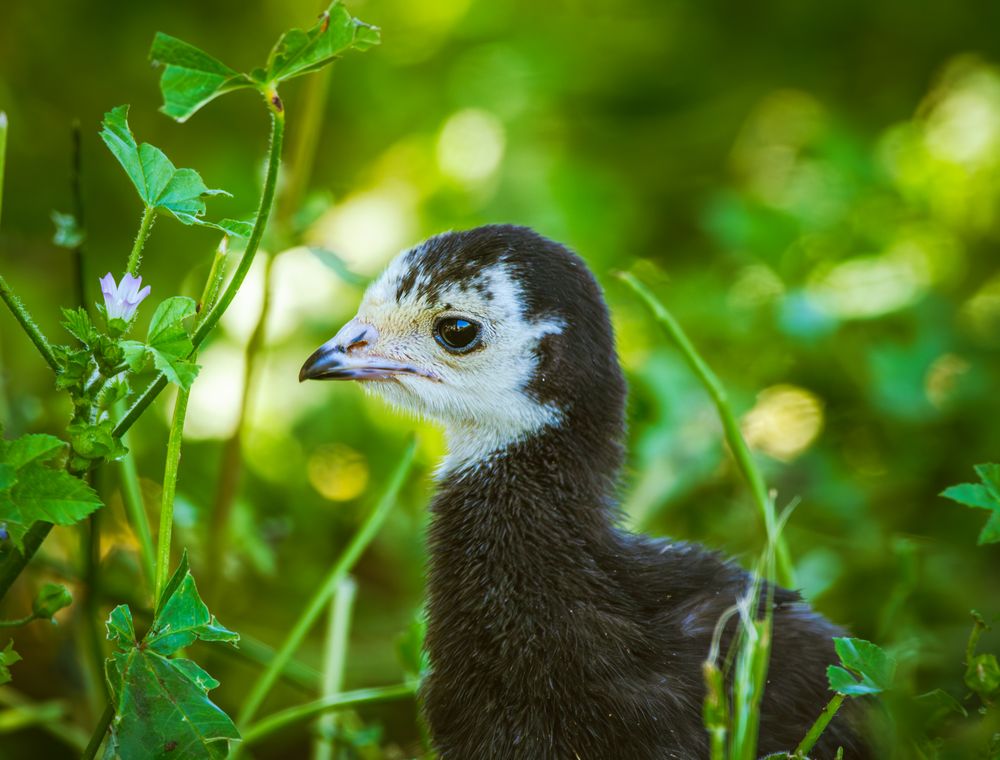
Short answer: Turkeys are a slower, more demanding bird than chickens, and they need warmth, dry litter and more floor space in the early weeks. Our poults come in boxes of 10 at 65 GH₵ each, and the Christmas market pays for birds that reach weight on time. Work backwards from 15 December, keep turkeys away from chickens, and write the feeding and vet schedule down before the box arrives.
Key takeaways
- Keep poults warm and dry in the first weeks, and check their behaviour as well as the thermometer.
- Feed a poult starter through the early weeks, then move to a grower and finisher as the birds fill out.
- Keep turkeys and chickens apart, because shared ground carries disease risk that is hard to clear.
- Plan the Christmas sale backwards, starting from the week you want the birds on the market.
- Call the vet at the first sign of lethargy or drooping, not when the flock starts to thin.
Why turkeys are a different job from chickens
A turkey poult is slower to start eating, more fragile in the first week and more sensitive to damp than a chick. It also takes longer to reach a useful weight. Many farmers who run broilers well find turkeys harder, because the same routine that works for a chick leaves a poult cold, hungry or stressed.
The payoff is the market. Turkeys sell in a season that chickens do not, mainly at the end of the year, and a farmer with birds ready in December can sell at a price that a broiler farmer rarely sees on the same day. That demand is also the reason to be careful. A missed date costs you the whole season, not just a few days. Before you buy, decide three things: whether you want hens, toms or a mix, whether you will sell live or dressed, and which buyers will take the birds on the day. Those three answers set the house size, the feed budget and the number of weeks you need. Farmers who skip them usually find out in the fourth month, when the money is already spent.
Checking a box of poults when it arrives
Our poults leave in boxes of 10, and the box is the unit you buy. Delivery covers all 16 regions, and we confirm what it costs before any money changes hands. The delivery page explains how it works for your area. At 65 GH₵ each, a box is 650 GH₵. Count the poults as soon as the box opens, the same way we ask you to count chicks. Send a photo to +233 24 915 1503 on WhatsApp the same day if any are dead on arrival, because the free replacement depends on that record.
Look at how the poults stand and move. Healthy poults stand, move about and peck at the feed or bedding within the first hour. A poult that sits hunched under the others, with its eyes shut and its feathers ruffled, needs warmth and water fast. Put drinkers with water at a height they can reach and keep the light low for the first few hours so they settle.
Setting up the brooder for poults
Set up the brooder a full day before the poults arrive. The floor needs dry litter, shallow enough that the poults do not sink in it, and a heat source that warms the zone at poult height. A common guide for the first week is about 35 degrees Celsius at the level where the poults stand. Reduce the heat slowly each week, about two to three degrees at a time, and watch the birds. Poults that crowd tightly under the lamp are cold. Poults that spread to the edges and pant are too hot.
Use a brooder guard. Poults pile into corners and smother each other, and a guard with a bit of space around the heat keeps them moving. Clean the drinkers twice a day. Turkey poults are messy drinkers, and wet litter around the drinkers is the first thing to watch in the rainy season.
Feeding poults through the first weeks
Use a poult starter, which is a higher protein feed than the chick starter most chicken farmers know. Poult starters are commonly sold at around 26 to 28 per cent protein. Check the bag, and ask your feed supplier which product they carry. If the bag says chick starter, do not assume it is right for poults.
Feed in shallow trays for the first days so the poults can see and reach the feed, and move to a feeder as they grow. Poults that do not eat in the first 24 to 48 hours need checking. Dip their beaks gently in water and feed to show them, and check the crop is filling. Do not force feed a poult that is clearly sick. Call your vet.
The growing house, space and why turkeys need dry ground
Turkeys need more floor space per bird than broilers, and the figure rises as they grow. Check your breed's guidance with your supplier before you fill the house. A house packed to broiler density will give you more disease, more pecking and more ammonia by the sixth week.
Keep the litter dry. Turkeys are more sensitive to wet ground than chickens, and the harmattan dust makes the air rough on their eyes and lungs. Use a fine mesh that lets air through without a draught, and clean it every few days. In the rainy season, check the roof and the sides for leaks before the first storm of the year, not after.
Keeping turkeys and chickens apart
This is the rule we would least like you to break. Chickens can carry a parasite that does not harm them much but can pass a serious disease, called blackhead, to turkeys. Turkeys that catch it can decline quickly, and the disease is hard to clear once it is in the soil.
Keep the two flocks in separate houses and separate runs. Do not let them share feeders, drinkers or the same bare ground. Clean boots and tools between the houses, as our biosecurity guide explains. If you already keep both, ask your vet to walk the site with you and show you where the risk is. Do not rely on a dose or a cleaning product to fix a shared run.
Timing the Christmas sale backwards
Turkeys are a seasonal sale, so the calendar is the first thing to plan, as our Christmas broiler timing article explains for chickens. Pick the day you want the birds ready, then count back the weeks your birds take to reach weight. The breed and the feed you use decide that number, so ask your supplier for the target weight and the weeks to reach it.
A worked example. Say you want birds on the market by 15 December, and your birds take about 16 weeks to reach the weight your buyers want. Counting back 16 weeks from 15 December lands on about 25 August. That is the week the poults need to be in the brooder. Hen birds usually take less time than toms, so a mixed flock needs its own plan. Write both dates on the wall.
Build a buffer of a week or two into the plan. Birds that reach weight early can be held a short while on the right feed, but birds that reach weight late miss the buyers who ordered on the day.
Need chicks for your next batch?
Send breed, number and town. We reply with price, hatch date and delivery cost in writing.
What to watch for and when to call the vet
Turkeys hide illness well, so you need to watch the flock more closely than you watch a chicken house. Walk the house in the early morning and again in the evening. Note any bird that stands apart, drops its wings, stops eating, or has loose, discoloured droppings. Write it in the daily record with the time and the number of birds affected.
Call the vet early. Do not wait for the deaths to start, because by then the disease has already moved through the flock. Your vet will tell you which tests and treatments apply to your area. Follow their advice, and keep the treatment log up to date so the withdrawal period is clear before sale.
What a starter batch of 50 poults costs before feed
Here is the first line of the budget, using our current price. Fifty poults is five boxes of 10. At 65 GH₵ each, five boxes come to 3,250 GH₵. That is the chick cost before anything else.
| Item | How to work it out | Your figure |
|---|---|---|
| Poults, 50 birds | 5 boxes of 10 at 65 GH₵ each | 3,250 GH₵ |
| Poult starter | Bags used through the early weeks, at your supplier's price | Fill in |
| Grower and finisher feed | Bags used to the sale date, at your supplier's price | Fill in |
| Vet visits and treatments | Your vet's invoices and the schedule | Fill in |
| Brooder fuel and power | Your monthly bills during the brooding weeks | Fill in |
| Losses | Birds that do not reach sale, times the chick price | Fill in |
The chick line is the easy one. Feed and time through the growing weeks usually cost more over the cycle, which is why turkey farmers who sell well plan the sale before they buy the chicks.
Mistakes that cost turkey farmers the season
A few mistakes come back again and again when turkey farmers call us. None of them are unusual, and all of them are avoidable.
- Brooding in a cold corner of a damp building, then wondering why the poults huddle and die.
- Keeping turkeys in the same run as chickens because the space is there.
- Starting with a chick feed and never changing to a poult starter.
- Sizing the house for the number of birds, not the floor each bird needs as it grows.
- Waiting for the sale to decide the weight, instead of weighing a sample weekly.
- Selling on the same day the birds finish, with no cold chain or buyer in place.
Selling the birds and where the Christmas buyers are
Turkey buyers in Ghana are often families, caterers and church groups that want a bird for a specific day. They order early, and they want the bird weighed in front of them. Agree the weight range, the price and the collection day before the birds leave the house, and write them down. Our FAQ covers the common questions about orders.
Dressing turkeys takes more time and more space than broilers, and the bigger birds need more care in the scald and the chill. If you plan to dress them, read our dressing and selling guide first, and do a test on two or three birds before you commit to a whole batch.
Questions farmers ask
How much does a turkey poult cost in Ghana?
Turkey poults from Halaal Farms are 65 GH₵ each, sold in boxes of 10 for 650 GH₵. A starter batch of 50 poults is five boxes, which comes to 3,250 GH₵ before feed, vet costs and housing. Confirm the price and the box count when you <a href="/#order">place your order</a>.
How long does a turkey take to reach market weight?
It depends on the type of bird and the feed. Commercial white turkeys can reach market weight in roughly 12 to 16 weeks for hens, and toms usually take longer. Local types are slower. Ask your supplier for the target weight and the time to reach it, then plan your sale from that figure.
Can turkeys and chickens share a run?
It is best not to. Chickens can carry a parasite that passes a serious disease called blackhead to turkeys, and that disease is hard to clear once it is in the ground. Keep the flocks in separate houses and runs, with separate feeders, drinkers and tools.
What temperature should a turkey brooder be?
A common guide for the first week is about 35 degrees Celsius at poult height, reduced slowly each week. Watch the birds as well as the thermometer. Poults crowded under the heat are cold, and poults spread out and panting are too hot. Adjust the heat to suit their behaviour.
What feed do turkey poults need?
Use a poult starter with a higher protein level than chick starter, commonly around 26 to 28 per cent. Feed in shallow trays at first, then move to a feeder. Check the bag with your supplier, because a chick starter is not automatically right for poults.
When should I buy poults for Christmas?
Work backwards from the day you want the birds sold. If your birds need about 16 weeks to reach the weight you want and the sale is 15 December, the poults go in around 25 August. Add a week or two of buffer, and confirm the timing with your supplier before you order.


