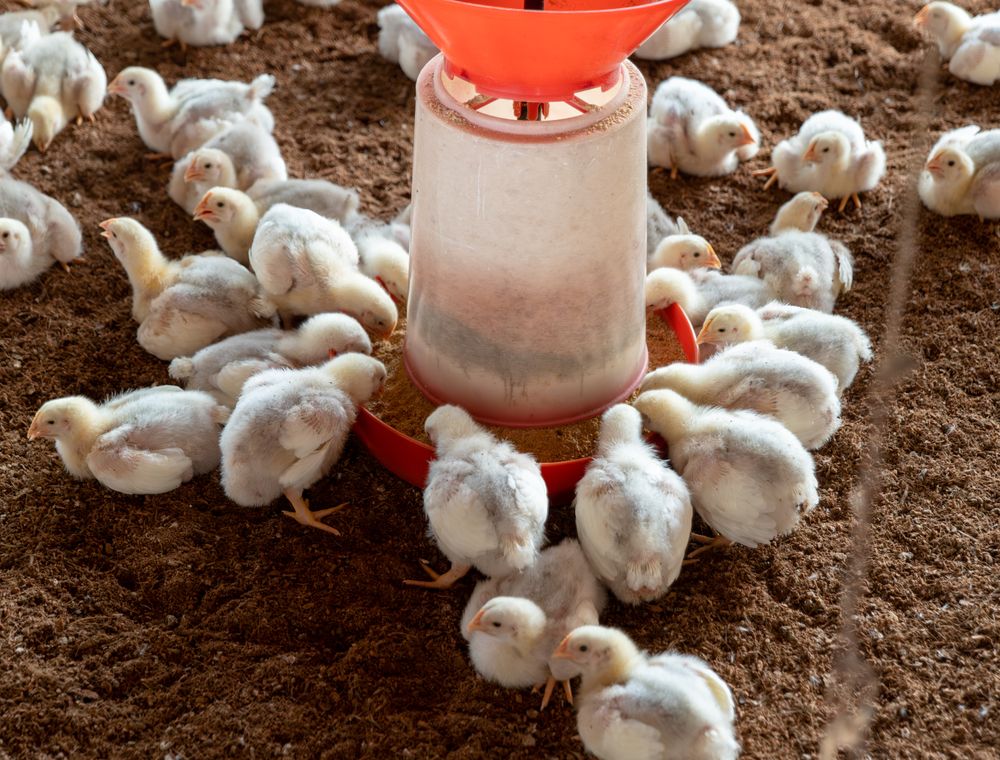
Short answer: Dressed chicken sells for more than live birds in most Ghanaian markets, but only if the bird is clean, chilled and weighed honestly. Withhold feed the evening before, bleed and scald carefully, chill below 4 degrees Celsius, and pack each bird in a labelled bag. Work out the cost of processing against the extra price you get before you commit to dressing birds yourself.
Key takeaways
- Dressing adds value only when the bird is clean, cold and weighed honestly.
- Withhold feed the evening before slaughter and keep water on until then.
- Chill birds below 4 degrees Celsius quickly, because Ghana's heat spoils them fast.
- Label every bag with the weight, the date and your phone number.
- Check the withdrawal period on any medicine before a bird goes to the table.
Why dressed birds fetch more than live ones
Some buyers want a live bird because they plan to slaughter it at home, and that is a fair choice. Many others want the job done for them. A caterer preparing for a party, a chop bar that cooks by the afternoon, or a family burying a relative do not have time to pluck thirty birds. They pay for the service, and the price difference is the reason to dress at all.
The price gap is not a gift. You take on the knife, the water, the cold chain and the risk of a bad bird reaching a customer. If any of those go wrong, the buyer does not come back, and a single bad bird can cost you a regular customer for the whole season.
Live weight, dressed weight and what you really sell
A broiler at around 2.5 kg live is typical at the point of sale in our market. Once it is dressed, the weight you can sell drops, because the feathers, head, feet and guts go. Expect a dressed bird to weigh roughly two-thirds to three-quarters of its live weight, depending on whether you keep the feet, neck and giblets in the bag.
Here is the sum to do before you start. Say your dressed bird weighs 1.8 kg and you ask 120 GH₵ for it. That is about 67 GH₵ per kilo. A live bird at 2.5 kg and 110 GH₵ is about 44 GH₵ per kilo. The dressed price looks better, but you did the work to get there. Subtract the cost of ice, bags, water, labour and the time it takes to clean up before you decide the extra money is real.
Weigh every bird after it has drained and been chilled, not before. The buyer will weigh what they take home. A bird that loses water on the scale at the stall is the one that loses you the sale.
Withdrawal periods and medicines before slaughter
Every medicine has a withdrawal period, which is the time the drug must clear from the bird before its meat can be eaten. The period is printed on the label and set by your vet. If a bird is in withdrawal, it does not go to the table, and that includes the bird you were planning to dress for the weekend.
Keep a treatment log next to the daily record. Write the date, the product, the reason and the date the withdrawal ends. When a buyer asks, you can show them the log rather than making promises. Follow your vet's advice on every medicine, and do not guess the period from a neighbour's bottle.
A dressing space that works in a Ghanaian yard
Do the work away from the house. Feathers, blood and the smell of guts draw flies and attract the other birds, and the flock should never see the process. A corner of the yard with a concrete or hard, washable floor is enough. A shaded table at waist height makes the job easier on the back and on the bird.
Keep the equipment simple and clean. You need a sharp knife, two boards or tables kept apart for raw and packed birds, a scald bucket with a thermometer, a washing bowl, a chill tank or cooler box, ice, and bags for packing. Wash everything with clean water after each batch and let it dry in the sun.
Scald water is where beginners make the most mess. Too hot and the skin tears. Too cool and the feathers stay in. Test the water with a thermometer and try one bird before you start the batch. If you are unsure, ask a trained processor to show you on a single bird before you do twenty.
From the pen to the pack, step by step
Here is the order we would follow. Skip a step and the bird pays for it later, usually at the buyer's end.
- Withhold feed the evening before, and keep water on until the morning.
- Catch the bird calmly, and slaughter it humanely using a method your processing training or local practice recommends.
- Bleed fully before the scald, and keep the bird off the ground.
- Scald briefly in water at the temperature you have tested, then pluck while the feathers are still loose.
- Remove the head, feet and internal organs carefully, so the gut does not burst and contaminate the carcass.
- Wash the bird in clean cold water, inside and out, and let it drain.
- Chill quickly in iced water or a cooler, aiming for below 4 degrees Celsius.
- Weigh, label and pack each bird in a clean, food-grade bag, then keep it cold until handover.
The most common mistake at step five is cutting the gut too early or too hard. A ruptured gut costs you the bird and puts faecal bacteria on everything the knife touches afterwards.
Keeping the cold chain going in Kasoa heat
Afternoon temperatures in the Central Region can sit above 30 degrees Celsius, and a dressed bird left in the sun warms fast. Bacteria multiply in that warmth, and the smell tells the buyer long before a test would. The fix is discipline, not equipment you cannot afford.
Chill the birds as soon as they are dressed. Put them in iced water or a cooler box with ice, and keep the box in the shade. Use a thermometer in the cooler, not a guess. For a sale later the same day, a cooler with plenty of ice is enough. For anything held overnight, you need a fridge or a freezer with a clear temperature.
Keep ice off the bird's skin for the final pack, and let the bird drain before it goes in the bag. Water trapped in a sealed bag warms up and sours the meat on the way to the buyer.
Packing and labels that tell the buyer something
A plain bag with a clean label does more for your price than any sales talk. Use a food-grade bag, sized to the bird. Write the weight, the date you dressed it, your farm name and a phone number on the outside, in marker that will not run in the cold.
For retail buyers, one bird per bag works well. For a chop bar or a caterer who wants a crate, pack in a clean crate with ice under the bags, and write the total weight and number of birds on the lid. A buyer who finds the same number on the lid and in the bag will trust the next delivery.
Do not write 'fresh' or 'organic' on a label unless you can explain exactly what you mean. A buyer who asks and does not get a straight answer will remember that too.
Need chicks for your next batch?
Send breed, number and town. We reply with price, hatch date and delivery cost in writing.
Where dressed birds sell in Ghana
Dressed birds find buyers in a few steady places. For the wider sales picture, see how to sell poultry in Ghana. Chop bars and food sellers want consistent weights and a delivery before the lunch rush. Caterers and party hosts order in bulk for weddings, naming ceremonies and church events. Families buying for funerals need a lot of birds at short notice, and they often pay well for a farmer who answers the phone. Restaurants want a regular supply and will ask for the same weight every week.
Festive seasons multiply the demand. Christmas, Easter and the Eid days all bring a rush, and the farmer who has birds ready on the right week is the one who gets the orders. Our Christmas timing article explains how to work backwards from the day you want to sell.
Your name matters too. Our business name says halaal, so buyers will ask what that means for a bird they buy from you. Be ready to describe your slaughter method in plain words. Do not claim a certificate or a standard you cannot show.
A margin worksheet you can fill in tonight
Most small processors never write down what a bird costs them. Fill this in with your own figures and you will know whether dressing pays before you buy the next box of chicks.
| Line | What to put in | Where to find it |
|---|---|---|
| Chick cost per bird | Box price divided by 50 | Our current price list |
| Feed per bird to sale | Bags used divided by birds sold | Your feed receipts and the daily log |
| Medicines and vaccines | Total spent divided by birds sold | Your vet's invoices |
| Ice, bags and water | Weekly spend divided by birds dressed | Your cash notebook |
| Labour | Hours spent times your day rate, per bird | Your timesheet, even a rough one |
| Total cost per dressed bird | Add all of the above | Sum of the lines |
| Sale price per bird | Price you actually received | Your receipts |
| Margin per bird | Sale price minus total cost | Result |
If the margin is thin on dressed birds, the answer is usually not a better price. It is more birds per sale, fewer losses, or a buyer who takes a whole crate. Check each line before you raise the price.
Mistakes we see on the dressing table
Most problems we hear about are small and easy to fix. They look like bad luck until you see the same mistake three weeks running.
- Feeding birds right up to slaughter, so the crop is full and the gut is hard to empty cleanly.
- Using one board and one knife for raw birds and packed birds.
- Leaving birds in the sun while the next batch is plucked.
- Packing birds while they are still warm, then sealing the bag.
- Writing a weight on the bag that the scale does not show.
- Selling a bird still in withdrawal because the date was not written down.
Timing the dressing around the calendar
Dressed birds need a plan that starts weeks before the sale. Choose the day, count backwards to the slaughter, and count backwards again to the chick order. A dressed bird that goes out on a Friday before a holiday weekend has been planned from the day the chicks arrived.
Do not slaughter a batch that is not ready. Birds dressed too light or too heavy fail the buyer's expectation, and an overweight bird is tough and slow to cook. Weigh a sample a week before the sale and pull the batch when it reaches the size your buyers want.
Questions farmers ask
Is it worth dressing chickens to sell in Ghana?
It can be, if the extra price covers your ice, bags, water and labour, and if your birds are clean and chilled on the way out. Do the margin worksheet with real figures for two batches before you decide. If the numbers only work on paper, sell live birds and keep your time for the next batch.
How long should I withhold feed before slaughter?
Take feed away the evening before and keep water on until the morning. A crop that is full at slaughter makes the gut harder to remove cleanly. Confirm the timing with your vet or a trained processor, because the right period depends on the bird and the setup.
What temperature should dressed chicken be kept at?
Chill birds to below 4 degrees Celsius as quickly as you can, using iced water or a cooler with ice. Keep them cold until the buyer collects. In Kasoa afternoon heat, a bird left in the sun for an hour can warm enough to spoil, so keep the cooler in the shade.
Do I need a licence to sell dressed chicken?
Rules for food sales and slaughter in Ghana depend on where you sell and at what scale. Check with your district assembly and the relevant regulators before you start selling to shops or caterers. We do not give legal advice, and what applies to a backyard seller may differ from a bigger operation.
How do I handle medicine withdrawal periods?
Read the withdrawal period on the label and agree it with your vet. Do not sell or slaughter a bird inside that period. Keep a written treatment log with the product, the date given and the date the withdrawal ends, so you can show it to a buyer who asks.
Can I sell dressed birds in bulk to a caterer?
Yes, many small farms do. Agree the weight range, the number of birds, the delivery day and the price in writing before you process anything. Pack in a clean crate with ice, and write the total weight and count on the lid. If you are a trader buying from several farms, our <a href="/partner-with-us/">partner page</a> explains how to talk to us about regular supply.
How much does a dressed broiler sell for from Halaal Farms?
Our dressed broiler starts at 120 GH₵, and live broilers of about 2.5 kg start at 110 GH₵. Prices are confirmed in writing before payment, and you can start from <a href="/#order">our order form</a>. For the chicks that go into those birds, see our <a href="/day-old-chicks-prices-ghana/">day-old chick prices page</a> or call +233 24 915 1503.

