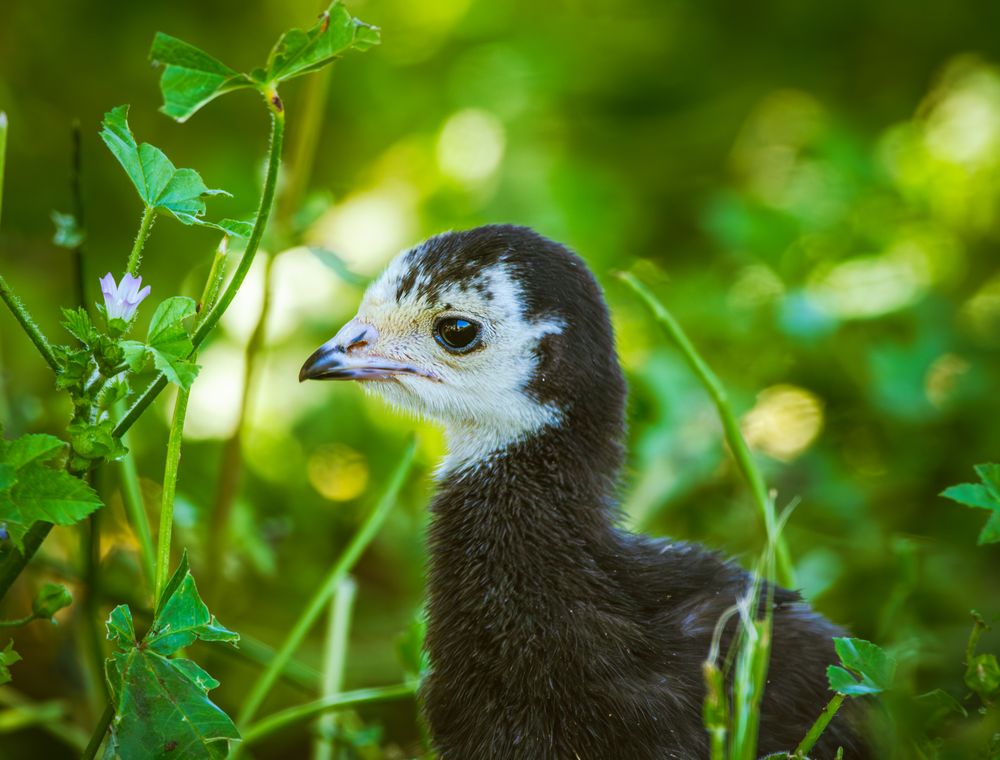
Short answer: A Christmas turkey is decided in July and August, not in November. Count back from the day your buyer pays, start the poults in the window that puts birds at weight a week or two before that day, and write each feed switch on a calendar before the box arrives. Most farmers who miss Christmas did not have bad birds. They had a start date nobody wrote down.
Key takeaways
- Count back from the sale day, then allow a week for dressing and delivery.
- Plan hens and toms as two sale groups, because they reach weight at different ages.
- Switch feed on the weights you actually took, not on the calendar alone.
- Agree the price per kilogram in writing before the birds are ready.
- Count the poults on arrival and send the photo the same day.
Count back from the day the money changes hands
Most Christmas turkeys that go wrong were never late in December. They went wrong in August, when the poults were ordered on a good feeling and nobody wrote down the day the birds had to be ready.
Work it the other way round. Put the day your buyer will pay on the calendar, usually somewhere between 15 and 20 December for a family order or a caterer. Take off a few days for killing, dressing, chilling and delivery. That gives you the ready-by date. Then take off the number of weeks your birds need to reach the weight your buyer wants. Your own weight records set that number, not ours and not a book.
Say your buyer wants birds on 18 December and you want two days in hand. Ready-by is 16 December. If a tom needs about 18 weeks to reach his target, the poult had to be in the brooder around 12 August. Give it a week either side and you have the window: the first half of August. Miss that window and you are no longer buying a Christmas bird. You are buying a bird for the new year, and the price you agreed with the buyer will not hold.
If the same festive buyers are also taking chickens, our Christmas broiler timing article works the same sum for chicks, and the two plans are easier to compare on one calendar.
Hens and toms are two different jobs
A hen and a tom in the same run do not finish together. Toms grow much heavier and take longer. Hens reach a sensible table weight sooner and eat less while they do it. Put both on one feed programme and one sale date and you will end up with a pile of hens that were ready three weeks early and toms that were not ready when the buyer came.
Decide early which group you are selling, and when. Many farmers sell the hens first, in the middle of December, and keep the toms for the week of the big orders. That is a sensible split if your buyers want different sizes. It also means you need space and feed for two sets of birds at once, which is where the budget gets tight.
If you are still choosing between species, our breeds page sets out what each bird asks of you. For turkeys, the question that matters most is not which bird is hardier. It is whether you can carry two groups to two different weights on time.
When you order, ask us what the box contains before you pay. Find out whether you are getting a mixed box or single sex, and write the answer on your order. The worst conversation you can have in December is about a bird that does not weigh what you planned for.
A week-by-week calendar for a run of 50 poults
This is the calendar we would give a farmer starting a run of 50 poults for a December sale. Treat the weeks as a guide and move them when your weight sample says so. Write your own weights in the last column as you go.
| Weeks from the box | Stage | Main job | What to check each week |
|---|---|---|---|
| 0 to 4 | Brooder | Steady heat, dry litter, starter feed in shallow trays | Birds spread out, not piled in a corner, and water is being drunk |
| 5 to 8 | Grower | Move to the growing house and give more floor and perches | Droppings, feet and wings, and feed left in the trough |
| 9 to 12 | Grower to finisher | Switch ration on weight, not on the date | Weight of 10 birds picked at random against your target |
| 13 to 16 | Finisher, hens ready | Keep feed steady and water cool | Weight, appetite and any birds standing apart |
| 17 to 20 | Finisher, toms ready | Keep toms calm and plan the catch and the dressing day | Weight against the buyer's order and the day it is due |
The table looks tidy on paper. In practice the hardest weeks are the first two and the last two. The brooder needs you at night, and the final weeks need you to be sure of the buyer before the birds are at their heaviest.
What feed does to the budget
After the poults themselves, feed is the biggest cost on a turkey run. It is also where farmers lose money without noticing, because a turkey eats steadily for months and nobody weighs what goes into the trough.
Here is a working estimate for 25 toms and 25 hens. Toms may eat somewhere near 40 kilograms each before they are ready, and hens perhaps 18 kilograms each. That is about 1,000 kilograms for the toms and 450 for the hens, roughly 1,450 kilograms in all, which is close to 30 bags of 50 kilograms. Replace these figures with your own feed records the moment you have them. Your miller's ration, your waste and your birds' appetite will all move the number.
Do not switch to the cheaper finisher early to save a few cedis a bag. A bird held back on a grower ration loses weight at the end, and weight is what the buyer pays for. Switch when the sample says the birds are ready, and not before. Our blunt view is that a farmer who switches early to save money has usually spent more than they saved.
Keep the feed in a dry store, off the floor and away from the wall, and count the bags in and out every week. Damp feed and missing bags cost more than the price difference between two brands. For the wider money picture, our starting budget guide shows where feed sits against the other costs.
Heat in August and the harmattan in December
Brooding in August means brooding in the tail of the rains. The air is damp and the litter wants to cake. The two things we watch most in that season are wet litter and draughts that come through the side vents at night. A poult that sits in a damp corner will chill, and a chilled poult stops eating. Change the wet patches the same day, not at the weekend.
By late November the harmattan is on its way. Dust rides in on the wind, settles on feed and gets into the airways of growing birds. Keep the feed sealed and the water covered. Wet the litter lightly in the morning when the air is dry, so the dust stays put instead of lifting. If the house has open sides, a sheet of netting on the windward side helps more than another fan.
December nights can also be cooler than many farmers expect, especially after a dusty week with clear skies. Turkeys that were used to a warm yard will crowd and pile up on a cold night. Check the house before dark, close the gaps on the cold side, and leave the air moving.
Put the vet on the calendar too
Your calendar should carry the vet's dates as well as your feed dates. Ask your vet to write the vaccination, worming and check-up days against the weeks in the table, and to tell you what to watch for between them. We will not give drug names or doses here. A turkey run differs from farm to farm, and the vet who visits your house is the right person to decide.
Biosecurity is cheaper than treatment, and it is simple. Keep a pair of boots for the turkey house. Do not carry feed bags in on the same hands you used in the chicken house. Anyone who has been in a chicken house that day should stay out of the turkey pen. Dead birds leave the yard the same day they are found, to the place your vet tells you to take them.
When a bird goes off its feed or stands apart from the group, write down the time, the weight of the bird if you have it, and how many birds are affected. A phone call to your vet with those three facts gets a better answer than a description from memory the next morning. The questions we hear most are on our FAQ page if you want to check a basic point first.
Weights that tell you the plan is on track
A calendar tells you when to do something. Weights tell you whether the birds are doing it. Weigh ten birds picked at random once a week and take the average. Do it at the same time of day, on the same scale, with the birds calm. Weighing a bird that was just chased round the pen gives you a number you cannot use.
Compare the average with the target you set when you wrote the calendar. One week behind is normal. Two weeks behind is a problem with feed, water, heat or disease, and you should find out which before you change the ration. A bird that is ahead of target is not a reason to relax. It means you should bring the sale date forward and call the buyer.
- Pick ten birds at random, not the ten nearest the gate.
- Weigh them one by one on the same scale and write each weight down.
- Work out the average and compare it with the target for that week.
- If you are more than a week behind, check water, feed and house temperature before the next feed order.
- Give the buyer the weight trend every two weeks, not only at the end.
Need chicks for your next batch?
Send breed, number and town. We reply with price, hatch date and delivery cost in writing.
Selling a Christmas turkey without a rush at the gate
The sale is the step most farmers plan last and need most. Settle the price per kilogram with the buyer while the birds are still growing. Put it in a text message or on paper, and keep a copy each. A price agreed on the morning of the catch is a price one of you will regret.
Decide whether the buyer wants live birds or dressed ones, and say so early. Dressed birds need a clean space, a way to chill them quickly, and a clear picture of the weight after the feathers and insides are off. Live birds need a crate and a driver who knows the road. If the handover is at a bus station, agree the place, the time and who carries the crate before the morning of the sale.
Weigh on your own scale, in front of the buyer if you can. If the buyer weighs too and the two scales disagree, settle it on the spot and not by phone the next week. Keep the weights, the price and the names of the people who received the birds in one notebook. That notebook is the first thing you will want when the next season's buyers ask what you did last time.
What leaves birds unsold on 20 December
We see the same few mistakes every season, and most of them happen before the poults arrive.
- Starting in October because the money came in October. The birds will not be ready for the rush, and the rush is what pays.
- Counting from the box date instead of the sale date. A month of ordinary growing time disappears when nobody checks it.
- Switching feed on the calendar and not on the weight. The birds either stall or put on fat they do not need.
- Selling by eye. A farmer who guesses the weight of a bird usually guesses high on the big ones.
- No buyer on the list before the birds are heavy. An unsold turkey in the last week of December is worth far less than the same turkey in November.
The fix for all five is the same. Write the plan down in week one and look at it every Monday.
Ordering poults for a July or August start
Our turkey poults come in boxes of 10 at GH₵65 each, and we deliver to all 16 regions. You can also collect at the farm in Opeikuma, Kasoa, by appointment. Delivery cost is confirmed with you before you pay, so you know the full bill before any money moves. We take mobile money, bank transfer or cash, and the price goes to you in writing first. The turkey poults page has the box details, and the delivery page explains how we get birds to your door. Our about page has directions to the farm.
Count the box the moment it arrives. A poult that is dead on arrival is replaced free in the next hatch, but only if we have the count and a photo the same day. Send the photo to +233 24 915 1503 on WhatsApp with the count, and keep the box label until the run is over.
If you are planning a larger programme, or more than one batch through the year, message us early with your sale date and the number of birds. A plan that starts in July gives you time to settle the price and the delivery calmly. You can place the order through our order form once the details are agreed. If you run a shop or a catering business that wants turkeys every season, our partner page explains how we work with regular buyers.
Questions farmers ask
When should I start turkeys for Christmas in Ghana?
Work back from the day your buyer pays. Allow a few days for dressing and delivery, then count back the weeks your birds need to reach the weight you agreed. For most Christmas plans that puts the poult box in late July or early to mid August. Hens can start a little later because they reach table weight sooner, and toms need the longer start. Replace these rough numbers with your own weight records once you have a season behind you.
How long does a turkey take to reach market weight?
It depends on the strain, the sex and the feed. Hens usually reach a table weight in a shorter time than toms, and toms take considerably longer. Use the number you measure on your own birds, not a figure from a book or a neighbour. Weigh a sample every week from the start, so that by the second month you know the answer for your own house and ration.
Should I sell Christmas turkeys live or dressed?
Both work, but they suit different buyers. Live birds move the weighing and killing risk to the buyer, and they need a crate and a clear handover place. Dressed birds need a clean space, a way to chill them quickly and a scale in front of the buyer. Decide with the buyer before the birds are ready, and agree whether the price is per kilogram live or per kilogram dressed.
How much feed does a turkey need before market?
Toms may eat around 40 kilograms over the whole run, and hens considerably less. Those are working estimates, not guarantees. Your miller's ration, the heat in the house and the feed wasted in the trough all change the figure. Keep a feed record for the first batch and work out the kilograms per bird from the bags you actually used.
Does the harmattan affect turkeys sold in December?
Yes, mainly through dust and cold nights. Dust settles on feed and gets into growing birds' airways, so keep feed covered and lightly dampen the litter on dry mornings. Cold nights can make birds crowd, so check the house before dark, close draughts on the cold side and keep the air moving. The harmattan rarely loses a sale on its own. A plan that started late does that more often.
How many poults should I buy for a small Christmas run?
Buy the number you have a buyer for, then add a margin for losses and for birds that do not make weight. Our rule of thumb is to order a little more than you need, because a bird short on weight can still be sold, just at a lower price. Ask us about box sizes before you pay, and confirm what you will receive in writing.
What should I do when the poults arrive?
Count the birds in the box as soon as it is opened, and note any that are dead or weak. Take a photo of the count and send it to us on WhatsApp at +233 24 915 1503 the same day. Dead-on-arrival birds are replaced free in the next hatch when the count and photo are on record, so keep the box label until your run is finished.


