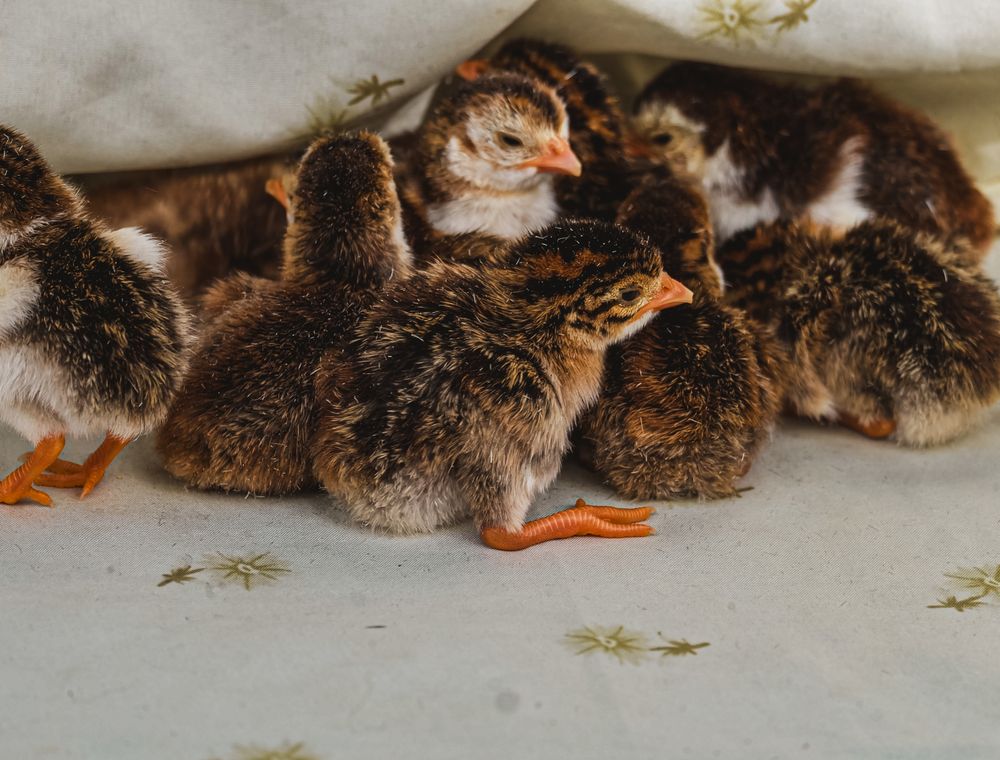
Short answer: Local guinea fowl are hardier and forgive poor management, but their size and laying are irregular. Improved birds lay more regularly and weigh more evenly, but they need better feed and housing to show that value. On a thirty-bird flock the feed gap alone can decide the choice, so run the sum on your own bag price and ask every seller for the parent line in writing.
Key takeaways
- Local birds are hardier and forgive poor management, but they are less predictable in size and laying.
- Improved birds lay more regularly and weigh more evenly, but they need better feed and housing.
- Feed is the biggest cost gap between the two types, so run the sum on your own bag price.
- Do not mix the two types by accident, because the offspring are a mixed and unpredictable blend.
- Ask every seller for the parent line in writing before you pay.
Two farms in one village, one rainy season
Take two keepers in the same village with the same rains and the same bush around them. One keeps birds that lay their eggs in the cassava and disappear for a week, then turn up with a clutch of nine or ten. The other keeps birds that walk back to the house at dusk and lay in a box he built for them. Both are keeping guinea fowl. Both think they chose well.
The difference is usually in the birds they started with, not in how hard either man works. One flock came from the local population, bred in the village for generations with little selection. The other came from a line that a hatchery had bred for body size or laying. That single choice shapes the next five years of the enterprise.
This guide is for the person standing at that choice. It explains what local and improved guinea fowl mean in practice, sets out the differences in a table, works through the feed and market sums, and ends with a checklist you can take to the person selling you keets or eggs.

What we mean by local and improved
The words are used loosely. A seller may call a bird local when it is simply hatched in the village, and another may call a bird improved when it has nothing more than a better name. So it is worth agreeing what the two terms mean before you spend money.
A local guinea fowl, in the sense we use here, comes from the existing village population. Nobody has chosen its parents for a trait beyond survival and appearance. Its strengths are its hardiness, its foraging and its long experience of Ghanaian weather. Its weaknesses are variable size, an unpredictable laying season and a flock that is hard to plan around.
An improved guinea fowl comes from a line that has been selected over several generations for a trait the breeder cares about, usually body weight or the number of eggs a hen lays. The birds are more predictable in size and output, but they often need better feed and housing to show what they can do. Ask any seller for the parent line in writing. If they cannot tell you, treat the bird as local, whatever the label says.
The comparison table, row by row
The table below sets the two types side by side. The entries describe what we usually see, and they are not a promise for any single bird. Read the last column as the question you need to answer for your own farm.
| Feature | Local birds | Improved birds | What it means for your farm |
|---|---|---|---|
| Body size | Variable, often smaller at a given age | More uniform, generally heavier | Improved birds give you a more predictable carcass for the table |
| Laying rate | Lower and irregular | Higher and more regular | If eggs for sale are the aim, improved birds pay more attention |
| Nesting habit | Hidden nests, hard to find | Hidden nests too, but more regular laying makes collecting easier | Both need a daily search, so plan labour either way |
| Hardiness on free range | Strong, adapted to local bush and weather | Good when managed well, less forgiving of neglect | Local birds tolerate a lazy keeper better |
| Feed need | Lower if they forage well | Higher, especially when confined | Feed is the main cost difference (see the worked example) |
| Temperament in confinement | Often nervous and flighty | Usually calmer in a pen | Improved birds are easier to manage in a small run |
| Chick or keet cost | Usually lower where you find them | Usually higher from a hatchery | Price the whole plan, not the chick |
| Predictability of the flock | Low | Higher | A predictable flock makes a sales plan easier |
Two rows matter more than the others for most farms: feed need and predictability. Get those two right and the rest of the decision is usually clear.
Hardiness: which bird survives the bad season
Local birds have spent generations in the same heat, rain and bush that surround your farm. They forage well, they recover from short shortages of feed, and they are less bothered by the small inconveniences that make a confined bird sulk. An improved bird can be just as hardy, but it is more likely to suffer if you slacken on feed, water or dry housing.
In our experience of talking to keepers, the losses rarely come from breed alone. They come from wet ground, a dirty drinker, a house with no shade, or too many birds on too little space. Those problems hurt every type of guinea fowl. The improved bird simply shows the damage more quickly if the feed plan is weak, because it is asked to do more.
If your farm has a poor record of management, a local bird may be the more forgiving choice. If you run a tidy operation with a feed plan and dry housing, an improved bird will repay the care you give it.
Body size and the table bird
If the birds are going to the pot or to a buyer who wants a particular weight, body size is the number that matters. Improved birds are usually more uniform and heavier at a given age, so a buyer gets the same size each time. Local birds vary more. Some are good size, others are small, and you may need to sort them before you sell.
Weigh a sample of your birds at sixteen weeks, and again at twenty-four. Write the figures down and compare them with the line sheet from the seller. Weigh the same birds on the same scale, at the same time of day, and do not weigh a bird that is ill or has just been moved. A single weigh is a guess. Two or three on the same group is a plan.
Buyers differ. Some want a large bird with a fat carcass, some want a smaller bird with firm meat, and some pay for the look of a local bird alone. Ask three buyers what they want before you choose a type. Their answers will do more for your decision than any brochure.
Feed and housing: where the money goes
Feed is where the two types separate most in cost. Here is a worked example for a flock of thirty birds. It uses illustrative figures, so replace them with your own feed intake and your own bag price before you rely on the result.
Assume an improved bird kept in a run and fed a full commercial ration eats about 120 grams a day. Assume a local bird that forages well and gets half that from purchased feed eats about 60 grams a day. Over a thirty-day month:
- Improved birds: 30 birds x 120 grams x 30 days = 108 kilograms of feed a month.
- Local birds: 30 birds x 60 grams x 30 days = 54 kilograms of feed a month.
- The gap: 54 kilograms a month, which you multiply by the price of the feed you actually buy.
The sum changes if the local birds forage less than you expect, or if your run is bare and dusty. It also changes with housing. An improved bird kept in a poorly ventilated house will eat more and lay less, so the cheapest housing is not always the cheapest bird. Feed prices have risen sharply lately, so check today's market before you put a figure on the sheet.
For a basic guide to what goes into a ration, see our feeding guide for guinea fowl. It covers the stages a keet and a grown bird need, and it is worth reading before you choose between the two types.
Markets: who buys which bird
A flock is only as useful as the buyers it can reach. Local birds may suit a buyer who knows them and wants a bird of the familiar type. Improved birds may suit a buyer who needs a steady size for a restaurant or a festive order. Neither is automatically better.
Before you buy any birds, sketch your sales plan on one page. Who buys, what size they want, what they pay, when they buy, and how far the birds must travel. A market in Kasoa is not the same as a market in the north, and the buyers on your street may want something different again.
If you plan to sell fertile eggs or keets rather than grown birds, the picture changes again. Buyers of fertile eggs often care most about the parent line, because they want to hatch consistent birds themselves. Our fertile eggs page is the place to start if that is your route.
Need chicks for your next batch?
Send breed, number and town. We reply with price, hatch date and delivery cost in writing.
Keets, fertile eggs or your own hatch
There are three routes into a flock. You can buy keets, you can buy fertile eggs and hatch them yourself, or you can keep a breeding group and produce your own. Each route has a different cost and a different risk.
We sell guinea fowl keets by the box of fifty, at GH₵17 each from the standard price sheet, which comes to GH₵850 a box. Fertile guinea fowl eggs are GH₵10 each. Keets skip the hatching stage, but they still need a warm, dry, clean brooder and careful feeding in the first weeks. If you would rather hatch the eggs yourself, the egg hatching service page explains what we offer. Ask us for the current terms before you plan the set.
The choice comes down to how much risk you can carry. Keets from a line you trust give you the fewest surprises. Fertile eggs give you control over the parent flock, but they need a working incubator and a hen or a clear plan for the hatch. Keeping your own breeding group saves money over time, but it takes a season or two to show a result.
For more on the fragile first weeks, read our general guide on guinea fowl farming in Ghana. For the egg side of the same question, our guide on guinea fowl egg production covers collecting and storage.
Mixing local and improved birds in one flock
Some keepers buy one improved cockerel and put him among a group of local hens, hoping to lift the size of the flock. It rarely works the way they expect. The offspring are a mix of both lines, and the mix is different for every chick. You lose the predictability you bought the improved bird for, and you do not gain a clean local line either.
If you want predictability, keep the types apart. Give each group its own pen and its own records, and do not let the birds mix at the feeder or the water. If you want to try crossing, do it on purpose, with a written plan, a record of the parents and a clear idea of what you will do with the offspring. Do not do it by accident, and do not sell mixed birds as pure.
The same goes for the cockerels. One or two males per group is the usual target, and too many cockerels create fights that cost you hens and eggs. Plan the number of males before you buy, not after the first crowing.
A decision checklist for the buyer
Take this list to the person selling you birds or eggs. A seller who can answer every question clearly is worth more than a cheaper seller who cannot.
- What is the parent line, and can you put it in writing?
- What is the expected body weight at sixteen and twenty-four weeks?
- What laying count do your own records support, and for how long?
- What feed do the birds need in the first eight weeks, and what do they need after that?
- What is the price per bird or per box, and is it confirmed before payment?
- What happens if birds die on arrival, and how do I report it?
- Can you show me the birds I am buying, or a recent photo of the flock?
Then check your own side. Do you have dry housing, a fence that stops the birds leaving, shade and a feed plan for the type you choose? If the answer is no, fix that first. The best bird in the world will not survive a wet, unshaded yard.
Which guinea stock to ask us for
Our guinea fowl keets come in boxes of fifty, and we quote larger orders individually. Message us on WhatsApp at +233 24 915 1503 with the type of bird you want, the number you need and the date you need them. We will tell you what the next hatch looks like, confirm the price in writing, and explain the batch record that comes with the birds.
You can place your order through the order form, and we deliver to all 16 regions. Our delivery page explains how boxes travel and what to check on arrival. If you are not sure whether a local or an improved bird suits your plan, tell us your market and your feed situation and we will help you think it through. A quick conversation now saves a bad season later.
Our breeds page sets out the other birds we stock, and our price page lists the starting prices. If you are still deciding, our frequently asked questions answer the common questions about delivery, payment and first weeks.
Questions farmers ask
What is the main difference between local and improved guinea fowl?
Local birds come from the existing village population, with little selection for traits beyond survival. Improved birds come from lines bred over several generations for body size or laying. Local birds are usually hardier on poor management and forage well. Improved birds are usually more predictable in size and output, and they need better feed and housing to show what they can do.
Which type lays more eggs?
Improved birds generally lay more regularly, and their count is more predictable. Local hens can lay well in a good season, but their output is irregular. Both types hide their nests, so a daily search is needed either way. Keep a simple log from the first laying week and use your own figures rather than the figure on a seller's sheet.
Are local guinea fowl hardier?
They are often more forgiving of a lazy keeper and of rough foraging conditions, because they have spent generations in the local bush and weather. Improved birds can be just as hardy when managed well, but they show the damage faster if feed, water or dry housing slip. Hardiness depends on management as much as on breed.
Which type is better for meat?
Improved birds are usually heavier and more uniform, which suits a buyer who wants a consistent size. Local birds vary more, and some buyers prefer their taste and look. Weigh a sample at sixteen and twenty-four weeks, then ask three buyers what they want before you choose. The right answer depends on who buys from you.
Can I cross local and improved birds?
You can, but the offspring are unpredictable. A mixed flock produces birds that are a blend of both lines, and each chick differs. If you want a clean, predictable flock, keep the types apart. If you want to try crossing, plan it on purpose with written records of the parents, and do not sell the offspring as pure birds.
Where can I buy guinea fowl keets in Ghana?
Halaal Farms is a day-old chicks hatchery in Opeikuma, Kasoa, Central Region, and we sell guinea fowl keets by the box of fifty. Message us on WhatsApp at +233 24 915 1503 with the type, number and date you need. We confirm the price in writing before payment and deliver to all 16 regions.
Do I need a hen to raise guinea fowl keets?
Not necessarily. Keets can be brooded under a warm, dry, clean brooder with good feed and water, and many keepers do exactly that. Some keepers prefer to use a broody hen where one is available. Either way the first weeks are the fragile part, so plan the brooder before the keets arrive.


