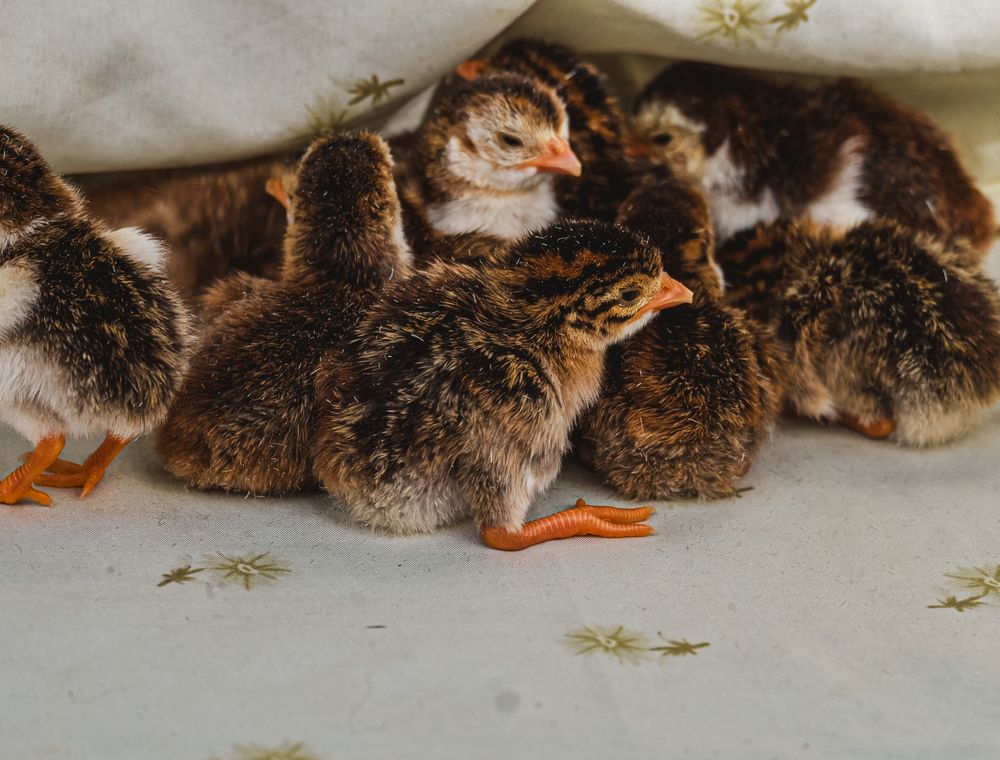
Short answer: Guinea fowl are hardy, good foragers and a traditional bird in northern Ghana, but their keets are much more fragile than chicks. Success depends on warm, dry brooding, a high-protein start, a house they cannot easily escape from and realistic expectations about laying in the dry months. Buy keets in boxes of 50 at GH₵850, plan your costs before you order, and speak to your vet about any medicine.
Key takeaways
- Guinea fowl keets are more fragile than chicks, so brooding warmth, dryness and calm handling matter even more.
- Start with a high-protein starter, clean water and a brooder with room to move, and watch the keets rather than the thermometer.
- Guinea fowl fly and roost, so fencing and roosting space need planning from the start.
- Expect laying to follow the rains, with a dip in the dry harmattan months; track your own flock to know your real numbers.
- Plan costs per surviving bird, and check with your vet before using any medicine on guinea fowl.
Why guinea fowl suit many Ghanaian farms
Guinea fowl have been part of Ghanaian farmyards for a long time, especially in the north, where many households keep small flocks that range over the compound and the surrounding bush. They are hardy birds, they forage well and they make useful companions on a farm. Their loud alarm call warns the household of visitors, snakes and other intruders, and they are known for eating insects and some of the pests that trouble crops and gardens.
At our hatchery in Kasoa we supply guinea fowl keets and fertile eggs to farmers who want to add a second product to a poultry business, or who want a flock that is less dependent on bought feed. Guinea fowl do not replace chickens for every purpose, but they fit well into a mixed farm, and they can be a sensible choice for buyers who already know the bird.
Guinea fowl are also more independent than chickens. They roost high, they can fly over ordinary fences and they dislike being handled. Those traits are a strength in the right setting and a challenge in the wrong one, so plan your house and your routine before the keets arrive.
Colour varieties and what buyers ask for
Guinea fowl come in several colour varieties. The pearl grey is the most common in most flocks, and it is the variety most people picture when they think of guinea fowl. White and lavender varieties also exist, and some farmers keep them for the look of the bird or for a particular local buyer.
For a commercial sale, colour matters less than size, health and condition. A buyer who wants a bird for a celebration will care about weight and how the bird has been raised. A buyer who wants eggs will care about laying and how the eggs look. Tell your buyers which variety you have, and let them choose on that basis.
Whatever colour you keep, buy from a source that can tell you the age of the keets, their hatch date and their general health. Ask for the details, and keep them with your records.
Keets: the fragile first weeks
A guinea fowl keet is not a small chicken. It has a different temperament, a different metabolism and a much lower tolerance for chill, damp and crowding in the first weeks of life. Many keet losses come from the same handful of causes: cold, draughts, wet bedding, crowding in a corner and a feed or water supply that is not right from the start.
Keets that are huddled together in a corner are telling you something. They are cold, frightened or both, and they will not recover quickly if the cause is not fixed. Watch them several times a day, especially in the first week, and be ready to change the set-up when the birds show you a problem.
The keets you buy should arrive in good condition, and you should count them on arrival. Keep the batch record, note any weak birds and tell the supplier straight away. Our guide to brooder setup before chicks arrive covers much of the preparation, and the same principles apply to keets, with more care on warmth and draughts.
Brooding keets step by step
A good brooder is the difference between a strong start and a poor one. Prepare it before the keets arrive, and check it with your own hand before you bring the birds in.
- Clean and dry the brooder thoroughly, and set up a heat source so the keets can move to warmer and cooler areas.
- Lay dry, clean bedding to a depth that will not clump or cake. Remove any wet patches as soon as you see them.
- Run the heat source for a few hours before arrival, and check that the warm zone is comfortable at keet level.
- In the first week, many keepers run the brooder close to 35 °C at keet level, and then reduce the heat gradually over several weeks. Watch the birds rather than the thermometer.
- Place feed and water close to the warm zone, so the keets can find them easily without wandering into the cold.
- Use a shallow water container with a way out, or add clean pebbles around the water, so the keets do not get wet or drown.
- Keep the brooder free from draughts and from pets, rats and children who might startle the birds.
- Check the keets morning and evening, and note their spread, their appetite and any birds that stay apart.
A brooder that is too cold leaves keets crowded in one corner, and a brooder that is too hot leaves them panting and spread to the far edges. Adjust the heat until they move freely between the warm and cool areas.
Feeding keets and growing birds
Keets need a high-protein start, and a feed designed for chicks or game birds is usually the safest choice. Give clean, fresh water at all times, because keets that do not drink well will not eat well either. Feed should be kept dry and off the floor where possible, and replaced when it starts to look damp or dusty.
As the birds grow, the diet can change. Keep the protein level in line with the feed label, and introduce changes gradually rather than all at once. Many keepers add grit once birds are eating a mixed diet or foraging outdoors, because guinea fowl need it to grind food in the gizzard.
Before you give any medicine or medicated feed, speak to your vet. Guinea fowl can react differently from chickens to some products, so do not assume that a chicken programme is safe for them. Follow your vet's advice, and keep a written record of every product used.
Guinea fowl that range freely will eat insects, seeds and greens, and that can reduce feed costs in the rains. Do not rely on foraging alone, though. Birds that are not fed properly will lose weight and lay less, whatever the weather.
Housing and fencing: guinea fowl can fly
Guinea fowl are strong fliers for their size, and they will use any gap in a fence or roof. Plan the house and the run around that fact, or you will spend your time chasing birds across the compound.
- Build a fence high enough to stop the birds from flying over, or cover the run with netting
- Provide roosting bars at a height that suits the birds, and keep them away from draughts
- Include nesting places in quiet, dark corners, because hens will choose their own spots if you do not
- Keep the house dry and well ventilated, and use dry litter
- Protect the flock from snakes, rats, dogs and birds of prey, which are all common in Ghanaian compounds
- Shut the birds in at night, so predators cannot reach them while they roost
A well-planned house also makes it easier to count the flock, collect eggs and notice when a bird is missing. Guinea fowl can be harder to manage than chickens, so the set-up is worth getting right the first time.
Seasons: how the rains and harmattan change laying
Guinea fowl laying follows the seasons more closely than many farmers expect. Many keepers see the bulk of their eggs in the rainy months, when food is plentiful and the birds are most active. The dry harmattan months, when the air is dusty and dry, often bring a dip in production. The table below sets out the pattern that most keepers report, but your own flock is the best guide.
| Season | What to expect | What to do |
|---|---|---|
| Rains | Good foraging, active birds and higher laying for many keepers | Collect eggs daily, keep the house dry and watch for wet, muddy runs |
| Between rains | Warm, humid spells that can favour parasites and wet litter | Keep ventilation open and check litter at the coolest and wettest corners |
| Harmattan | Dust, dry air and sometimes a drop in laying | Keep water clean and available, feed well and protect the birds from dust |
Plan your sales around this pattern. If you want fertile eggs for hatching, start collecting in the rains, when the supply is strongest. If you are selling birds for meat, plan the sale date so you are not holding mature birds through a long dry spell without much return.
Breeding: fertile eggs, hidden nests and incubation
Breeding guinea fowl takes patience. Hens often choose hidden nests in the bush or under cover, and they may lay in the same place for several days. Collect eggs every day, and mark the date on each one, so you can see the laying pattern and use the freshest eggs for setting.
Guinea fowl eggs need a longer incubation than chicken eggs, typically about 26 to 28 days, so plan the setter and hatcher accordingly. Keep the incubator steady, turn the eggs as your incubator requires, and check humidity carefully. Our guide to choosing an incubator and our temperature and humidity guide cover the basics.
Fertile eggs should be stored cool and clean before setting, and turned regularly if you hold them for more than a day or two. Our article on how to store fertile eggs explains the steps. If you buy eggs rather than collect them, choose from a source that can show you the flock's health and laying history, and read our guide to choosing fertile eggs.
Need chicks for your next batch?
Send breed, number and town. We reply with price, hatch date and delivery cost in writing.
Northern markets, southern buyers and what sells
Guinea fowl have a strong place in northern Ghana, where they are kept in many households and sold in local markets. Demand in the north is established, and buyers there often know the bird well, including its size, its flavour and how it should be prepared. A seller who understands those expectations has a head start.
Southern buyers are a different market. Restaurants, event hosts and households who want something different from chicken may be interested in guinea fowl, but they will need to be shown the bird and told what to expect. Be honest about the bird's size and its natural temperament, and give buyers a clear price per bird.
- Northern buyers: local markets, households, traders and food sellers who already buy guinea fowl
- Southern buyers: restaurants, caterers and households who want a specialist bird for a special meal
- Eggs: households and food sellers who want fresh, clean eggs, especially in the rains
- Fertile eggs and keets: farmers who want to start or expand their own flock
Whatever market you choose, check current prices locally before you set yours. Demand can rise around festivals, and the local price can change quickly. Our guide to marketing and selling poultry in Ghana covers the channels and the timing in more detail.
The economics: a worked cost example
Guinea fowl can be profitable, but only if you count every cost. The example below uses our keet price and deliberately leaves out feed, housing and labour, so you can enter your own figures. It shows the cost per surviving bird, which is the figure you need when you set a price.
| Item | Figure | Your figure |
|---|---|---|
| 50 keets at GH₵17 each | GH₵850 | Enter your own |
| Keets lost during rearing (example) | 8 of 50 | An assumed figure for this example only |
| Birds that survive to sale or point of lay | 42 | 50 less 8 |
| Chick cost per surviving bird | About GH₵20.24 | GH₵850 divided by 42 |
| Feed to point of sale | Enter your own | Largest cost in most flocks |
| Housing, fencing, medicine, vet visits, labour and transport | Enter your own | Add to the chick cost |
If you hatch your own keets from fertile eggs, the arithmetic changes. At GH₵10 per fertile egg, 50 eggs cost GH₵500. If only 25 of them become keets you keep, that is GH₵20 per keet in egg cost alone, before incubation, electricity and losses. Hatching is cheaper only when your hatch rate is good, so track it from the first batch.
Once you have the cost per surviving bird, compare it with the price you can get locally for birds or eggs. Keep the margin realistic, and revisit the numbers at the end of each batch, not only at the start.
Common mistakes with keets and grown birds
Most problems in guinea fowl flocks trace back to a few avoidable mistakes. Check this list before you order, and again when the keets arrive.
- Brooding in a cold, draughty corner of the house, or letting the keets crowd into one spot
- Using a chicken brooder with gaps that a keet can squeeze through, or a container with no way out for a wet bird
- Waiting too long to fix a wet floor or a leaking drinker
- Letting the flock escape because the fence is too low or has gaps at the top
- Giving medicines or medicated feed without checking with a vet first
- Keeping no records of hatch dates, losses, eggs or sales
- Setting a price without working out the cost per surviving bird
- Holding grown birds too long in the hope of a better price, while feed costs keep rising
Keep a simple diary for the flock. Note the hatch date, the number of birds, the weight at intervals, the deaths and the eggs collected each day. That diary tells you more about your flock than any general guide.
How to start with keets from Halaal Farms
We supply guinea fowl keets from GH₵17 each, sold in boxes of 50 for GH₵850. We also supply fertile guinea fowl eggs at GH₵10 each. Prices are starting points and are confirmed at the time of your order, so check the current figure before you commit. Our keets are part of the same range of day-old chicks that we deliver to all 16 regions, and you can collect from the farm if that is easier.
When you order, tell us your region, the number of birds you want and whether you plan to brood them yourself or with a helper. Read the delivery and collection options on our delivery page, and check the current guinea fowl keets page for the latest details. If you prefer eggs, our fertile eggs page explains what we supply.
Farmers in the north can see the region-specific information on our Northern Region page, and those in the Ashanti Region can use our Ashanti Region page. For a conversation about your plans, WhatsApp us on +233 24 915 1503, or place an order through our order form. If you are still building the business, our guide to starting a poultry farm in Ghana on a budget is a good place to begin.
Questions farmers ask
How are guinea fowl keets different from chicks?
Keets are more fragile than chicks, especially in the first weeks. They chill more easily, crowd more readily and need a higher-protein start. As adults they are more wary and more independent, they fly and roost high, and they mature more slowly than most chicken breeds. Careful brooding, a dry and draught-free house and a secure fence make the biggest difference to success.
How long do guinea fowl take to start laying?
Hens often start laying at around six months of age, although the exact timing depends on the bird, the feed and the season. Keep a daily record of eggs from the first week of laying, so you can see the pattern for your own flock rather than relying on a general guide.
Do guinea fowl need vaccination?
Ask your vet which vaccines suit guinea fowl in your area and when they should be given, because guinea fowl can respond differently from chickens. Follow your vet's advice on any programme, keep a written record of every dose, and check with your vet before using a product designed for chickens on your guinea fowl.
Are guinea fowl good for free range?
Yes, they are excellent foragers and will eat insects, seeds and greens. Free ranging can lower feed costs in the rainy season, but the birds need a safe place to roost, protection from predators and a way to be shut in at night. Watch the flock closely if they range near busy roads, markets or other poultry.
How many guinea fowl keets should I start with?
Start with a number you can brood well and protect properly. A box of 50 keets is the size we supply, and it gives you a flock large enough to learn from without overwhelming a small brooder. Make sure your brooder, fence and feed budget can handle the number before you order.
Can guinea fowl be kept with chickens?
They can share a farm, but keep keets in their own brooder, away from chicks of other species, because each bird has different stress and disease patterns. When adult birds share space, watch for bullying, feed competition and fencing problems, and separate them if you see any trouble. Ask your vet if you are unsure.
Does Halaal Farms supply guinea fowl keets?
Yes. Our guinea fowl keets start from GH₵17 each, with boxes of 50 at GH₵850, and we also supply fertile guinea fowl eggs from GH₵10 each. Prices are confirmed at order. You can reach us on +233 24 915 1503, or place an order through our <a href="/#order">order form</a>.


