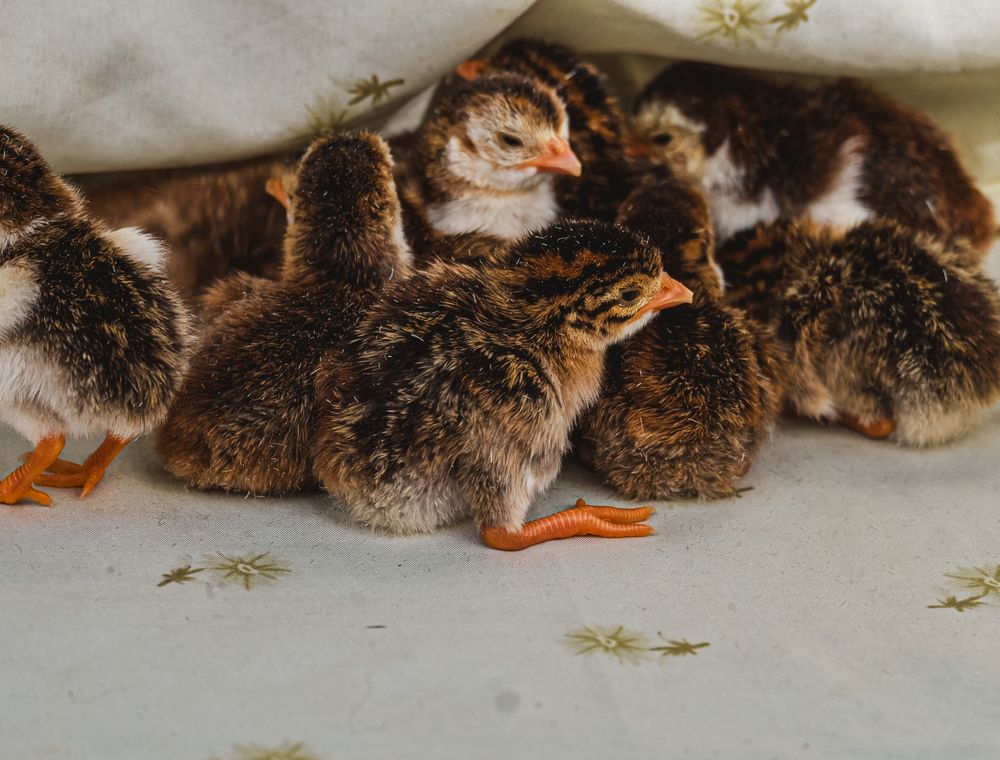
Short answer: Guinea fowl hide their eggs, so the first skill in this business is finding them every day before the rain, the dogs or the rats do. Fertile eggs at GH₵10 only beat keets at GH₵17 if you hatch better than about six in ten, and you learn that from your own records. Collect daily, date every tray, store the eggs cool, and decide early whether you are selling table eggs, fertile eggs or keets.
Key takeaways
- Collect eggs every day, because a guinea hen hides her clutch and the bush wins most races.
- Keep one cock for every three to five hens, and watch for fights.
- Fertile eggs at GH₵10 beat keets at GH₵17 only if your hatch rate is above about 59 per cent.
- Store eggs cool with the pointed end down, and set them within a week.
- Decide early whether a tray is for the table or for the incubator, because the handling differs.
How often a guinea hen lays, and what the seasons seem to do
A guinea hen lays in runs. She may lay on most days for a stretch, then stop, then go broody and sit on a clutch. The length of each run depends on the bird, the feed and the weather, and no two flocks behave the same way. Be wary of any calendar that claims to know the exact yearly count, including ours, until you have a year of your own figures.
Many keepers in Ghana report that laying picks up with the rains and drops in the dry months, and some feel the harmattan slows the flock. Treat that as a hypothesis to test. Keep a record of eggs per hen per week for twelve months. You will see the pattern in your own birds, and it will tell you more about your feed and housing than any general rule.
When a hen stops laying and sits quietly in one place, check her before you assume she is broody. Look for a hen that refuses to leave the nest, feathers pulled from her breast and a nest that is becoming a mess. A broody hen needs quiet and a steady supply of feed and water close by. She should not be disturbed every hour to count eggs.
Cocks, hens and the cost of extra males
A cock with too many hens is a source of trouble, and guinea fowl are no exception. One male for every three to five females is a workable ratio for most flocks. More males than that means fights, bruised hens and eggs lost to stress. Fewer males than that means more infertile eggs and a set that disappoints.
If you are starting from scratch, buying keets is often the simpler route. Halaal Farms sells guinea fowl keets at GH₵17 each, in boxes of 50 at GH₵850, and the price is confirmed in writing before payment. Keets let the birds grow up in your yard and learn its habits. Buy a few more than the ratio needs, because some will not make it through the first weeks and some will be the wrong sex. Our guinea fowl keets page has the box details.
Keep notes on every bird you keep. Write the hatch date, the sex if you can tell, and the day each bird started to lay. A flock that was bought as a mix needs that record more than a flock you hatched yourself.
Decide now: table eggs or fertile eggs
Before the first collection, decide what the eggs are for. Table eggs and fertile eggs are handled differently, and a tray that mixes them will cost you a buyer. Fertile eggs go to a hatcher and must stay clean and unwashed. Table eggs go to a kitchen and need to be clean enough for a cook to trust.
Do not wash fertile eggs with water. Wipe off obvious dirt with a dry cloth and set them aside. Washing can strip the protective layer on the shell and open a way in for bacteria. A fertile egg with a crack goes to the table tray, not the hatching tray.
Label every tray with the collection date and its purpose. A buyer who asks for eggs from last week should get eggs from last week. A buyer who asks for hatching eggs should never receive an egg that has sat in a hot room for four days. Our fertile eggs page explains what we supply in that category.
Storing eggs without losing them before the set
A fertile egg is alive, and it starts to lose its ability to hatch the longer it waits. Keep eggs in a cool, dry room out of direct sun. The kitchen counter on a hot afternoon is the wrong place. A store room on the north or shaded side of the house is much better. Store the eggs pointed end down, in a tray that keeps them still.
Set the eggs within about a week of collection. The longer they wait, the lower the hatch you should expect, and the more careful you must be with turning and humidity once they are in the incubator. If you cannot set within a week, do not sell those eggs as hatching eggs. Sell them as table eggs or keep them for your own kitchen.
If you hold a tray for more than a couple of days, turn the eggs by hand once a day. A tray that is never moved can leave the yolk resting against one side of the shell. That is a small fault, but it shows up later as a poor hatch, and by then you cannot undo it.
Buy keets, buy eggs or hatch your own: the break-even sum
This is where most guinea fowl plans go wrong. People compare the price of one egg with the price of one keet and stop there. The right comparison is the cost of a keet that actually hatches and survives its first week, and that depends on your hatch rate.
| Route | What you pay | What you get | Main risk |
|---|---|---|---|
| Buy keets | GH₵17 each, or GH₵850 for a box of 50 | Birds ready to rear, with the hatch risk already taken | Losses in the first weeks, and the sex mix |
| Buy fertile eggs | GH₵10 each | Eggs to set in your own incubator | Your hatch rate and your incubator |
| Hatch your own | Hen time, breeder feed and incubator power | Keets from your own stock and your own records | Egg supply, weather and a poor first season |
Here is the working sum for fertile eggs. At GH₵10 an egg, a hatch rate of 50 per cent makes each keet cost GH₵20 in eggs alone. A hatch rate of 70 per cent brings that down to about GH₵14. The break-even point against a keet at GH₵17 is a hatch rate of about 59 per cent, before you count electricity, your time or the keets that die later. If your incubator only manages half, buying keets is the cheaper choice, even though the keet looks dearer on the label.
Work the sum with the hatch rate from your own first setting, not with a number you hope for. Write it on the same page as the feed bill, and the decision usually makes itself. Our starting budget guide shows how to put these lines into a wider plan.
Hatching your own eggs in an incubator
If you decide to hatch, the routine is close to chicken hatching with a few differences in timing. Guinea eggs take about 26 to 28 days to hatch, a little longer than a chick egg. Candle the eggs during the set to remove clear eggs and dead embryos, and keep a count at each candling so you know your hatch rate before the hatch day arrives.
Temperature, humidity and turning are covered in our guide to hatching guinea fowl eggs. Read it before your first set, not after. A set that goes wrong in the second week is the most expensive lesson in this business, and the guide is free.
Power cuts are the other problem. A guinea egg in the middle of its incubation cannot be left cold for an afternoon without a loss. Plan a backup before you set. Write down what you will do if the power goes off for six hours on the third day, and make sure the person who is home knows it too. If you would rather not run an incubator at all, ask us about our egg hatching service.
Need chicks for your next batch?
Send breed, number and town. We reply with price, hatch date and delivery cost in writing.
Clean eggs, clean trays, and a shorter list of losses
Dirty eggs are a bigger problem with guinea fowl than with hens, because the nests are on the ground and the hens do not always keep their clutch clean. A tray of eggs that has been rolled through mud will hatch badly and sell badly. Clean the nest material every week, and move any hen that is sitting in dirt to a clean spot as soon as you notice.
- Collect the eggs twice a day in the laying season and once a day in the dry season.
- Wipe dirty eggs with a dry cloth, and do not wash fertile eggs with water.
- Put cracked eggs in a separate container, never in the table tray.
- Label each tray with the collection date and its purpose, table or fertile.
- Store the trays cool, and set the fertile eggs within a week.
- Record the eggs per hen each week in your notebook.
The list is short, and that is the point. The keepers who follow it are the ones still running the flock a year later.
Who buys guinea fowl eggs, and what they want
Guinea fowl eggs are smaller than hen eggs and speckled, and not every household has seen one. The buyers are usually people who already know and like them, or who have a reason to try them. That might be a keeper who wants eggs for setting, or a household that has eaten them before. The market is smaller than the one for hen eggs, and the customer is more particular.
Two sales tend to work. One is fertile eggs sold to other keepers or to people starting a small flock. The other is table eggs sold in a small tray to a buyer who wants them every week. Both need a clear date on the tray and a price that stays the same from one sale to the next. We sell our own fertile guinea fowl eggs at GH₵10 each, and a keeper pricing their own eggs should compare against that, not against a hen's egg on the shelf.
Do not promise more than the flock can deliver. A buyer who orders thirty eggs a week and receives twelve will not order again. Tell them the realistic count and let them decide whether to wait. If you are weighing this against a quail egg project, our quail egg business article compares the same questions for a smaller bird.
Where guinea egg sets usually fall apart
- Buying males without a plan for them. A cock that outnumbers the hens breaks eggs and wears the flock down.
- Leaving eggs in the grass for two days because the hen seems to be laying somewhere else.
- Washing fertile eggs and then wondering why the hatch fell.
- Setting eggs that have spent a week in a hot room.
- Giving a buyer a tray of eggs that is mixed, undated and priced differently each time.
None of these need a large budget to fix. They need a notebook, a dry cloth and the habit of checking the nests before breakfast. Answers to the common questions are on our FAQ page, and the about page explains where the hatchery is and how visits work.
Questions farmers ask
Do guinea fowl lay eggs every day?
Not usually. A hen lays in runs, often most days for a stretch, and then stops, rests or goes broody. How often she lays depends on the bird, her feed, the weather and whether she is sitting on a clutch. Keep a daily count for a few weeks to see the pattern in your own flock, rather than assuming a fixed rate.
How many eggs does a guinea hen lay in a year?
The figure varies a great deal between flocks, and village flocks rarely give clean counts. Breeder figures are a starting point, not a promise. For your own planning, count the eggs from each hen for twelve months and use that total, because it reflects your feed, your housing and your weather. Do not build a business on a single good season.
Can I sell guinea fowl eggs for hatching?
Yes, provided the eggs are clean, unwashed, stored properly and not too old. Tell the buyer the collection date, how long the eggs have been stored and whether a male is running with the hens. A buyer who gets a clear answer will order again. One who gets a poor hatch will not, however good the eggs looked in the tray.
How long can guinea fowl eggs wait before setting?
Set them within about a week of collection for the best chance of hatching. Store them cool, dry and out of direct sun, pointed end down. The longer they wait, the lower the hatch rate you should expect, and the more closely you must watch humidity and turning once they are in the incubator. Eggs stored too long are better sold as table eggs or eaten.
How many hens should one cock cover?
A workable ratio for most flocks is one male for about three to five females. Too many males cause fights, injured hens and more infertile eggs, while too few males leave eggs unfertilised. Watch the flock for a few weeks after any change, and adjust the ratio according to how many of the eggs you set actually hatch.
How long do guinea fowl eggs take to hatch?
Most guinea fowl eggs hatch in about 26 to 28 days in an incubator, a little longer than chicken eggs. Candle at intervals to remove clear eggs and dead embryos, and keep a written count so you know your hatch rate before the hatch day. Keep the incubator steady, keep the eggs turned, and open it no more often than you must.
Are guinea fowl eggs safe to eat?
Yes, many households in Ghana eat them. Treat them as you would any other egg. Keep them clean and cool, check each one before you crack it, and cook them thoroughly, especially for children, older people and anyone unwell. If an egg smells wrong or looks unusual, throw it away.


