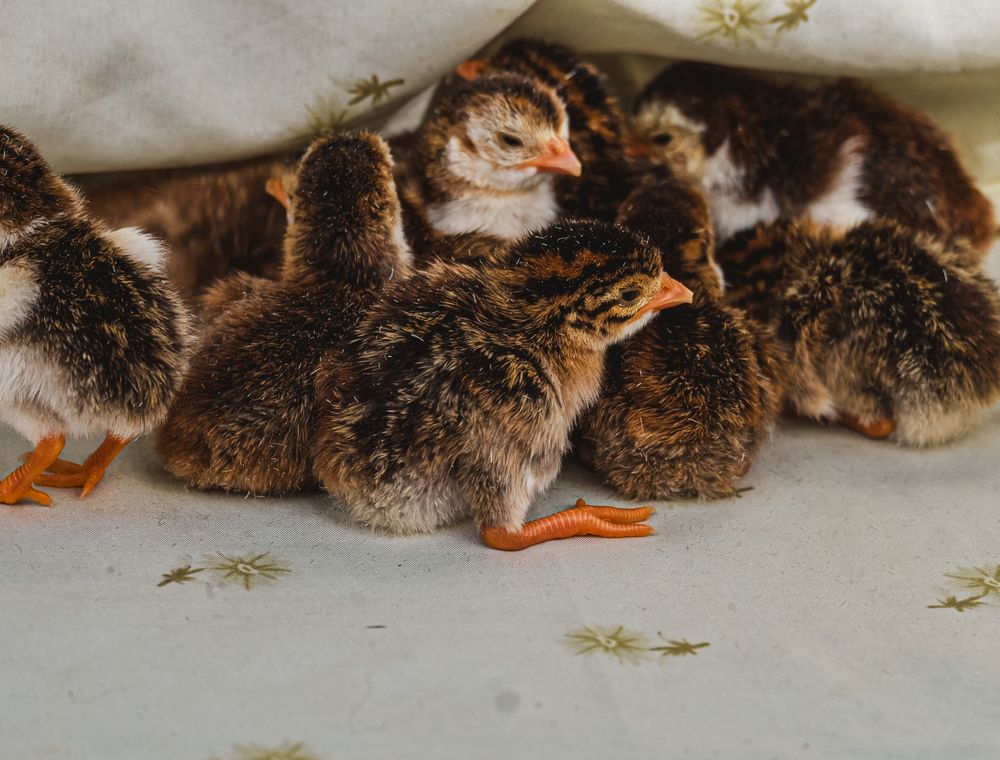
Short answer: Guinea fowl eggs take about 28 days to hatch, usually 26 to 28 in practice, and you should run the machine at roughly 37.5 to 37.8 °C with a setting humidity near 50 to 55 percent, then raise it for the hatch. Their thick, speckled shells make candling harder, so use a stronger light in a darker room and turn the eggs at least three times a day. Set eggs that are fresh and stored correctly, because a guinea egg that sits too long or too hot loses its hatch faster than a chicken egg does.
Key takeaways
- Plan for 26 to 28 days in the machine, and count from the day you set, not the day the hen laid.
- Guinea eggs have hard, dark shells, so candle with a bright light and a dark room, and expect to see less than you do with chicken eggs.
- Lock down around day 24 or 25, a few days before the expected hatch, and raise humidity at that point.
- Compare your hatch cost with the price of keets. At a 60 percent hatch, home-hatched keets cost about the same as bought ones before labour and power.
- Store eggs for no more than about seven days before setting, and keep them pointed end down in a cool room.
Why guinea eggs do not behave like chicken eggs
The first guinea set we ever ran here went wrong in a way the chicken notes did not explain. We had followed the chicken schedule to the day, and the eggs were still in the machine on day 21 with nothing to show. The problem was not the machine. We had treated a guinea egg as a small chicken egg, and it is not one.
Guinea eggs are smaller, with a harder and often speckled shell. They take longer, and the chick inside needs more time to finish. The shell is thicker, so the air cell develops more slowly and the weight loss through the shell is lower. Each of those differences changes the schedule a little, and together they change the way you should candle, turn and move the eggs.
Timing: 26 to 28 days, and when to expect the first keets
Most guinea eggs hatch between day 26 and day 28. The first keets often break out a day or so before the main hatch, and a set can run across three or four days. A keet that pips on day 27 may still be in the shell on day 28, and that is normal.
Count from the day you set the eggs. If you set on Monday, the first keets are due on the Friday or Saturday of the same week, and the last keets from that set may not come out until the following Monday. Write the expected dates on the machine card, and do not discard eggs until day 30 unless they are clearly dead.
| Day | What to do | What you should see |
|---|---|---|
| 1 to 2 | Load eggs, check temperature and humidity at tray level | Stable readings, trays turning |
| 7 | First candle, remove clear and dead eggs | Veins visible in most eggs, harder to see than chicken |
| 14 | Second candle and weight check | Embryo filling most of the egg, shadow clearer |
| 24 to 25 | Lockdown: stop turning, raise humidity | Air cell visible, eggs settled |
| 26 to 28 | Hatch, keep the lid shut | Pipping, then keets zipping out |
| 29 to 30 | Final check and clean-up | Remaining eggs open for a look |
Temperature and humidity: the settings we use as a starting point
For guinea eggs in a forced-air machine, we start with a setter temperature of about 37.5 to 37.8 °C, which is about 99.5 to 100 °F. Chicken eggs run a little cooler at 37.5 °C, so guinea eggs are not much different, but the margin for error is smaller because the schedule is longer.
Setting humidity should sit around 50 to 55 percent. For the hatch, raise it to roughly 65 to 75 percent from lockdown. These are starting points, not fixed rules. Your machine's guide and your own log should decide the final setting, because every machine reads humidity differently and every room has its own air.
Do not assume that a higher humidity is safer for guinea eggs. Their shells are thick, so they lose less water. If the room is damp and you set the humidity too high from the start, the chick can drown in fluid at pipping, and you will see chicks dead in the shell with a wet, sticky membrane.
Candling a speckled shell: what you can and cannot see
Candling guinea eggs is harder than chicken eggs. The shell is darker and often speckled, so light passes through less and in patches. On day 7 you may see veins in some eggs and only a faint glow in others. That does not always mean the egg is dead.
Use a strong, focused light in a completely dark room. Hold the egg against the light and turn it slowly, looking for movement of the shadow rather than a sharp outline. Give each egg a few seconds before you decide. If you are unsure on day 7, leave the egg and look again on day 14, when the embryo is larger and easier to see.
Our general egg candling guide covers the technique for chicken eggs. The principles are the same, but the patience you need for guinea eggs is greater.
Turning, trays and loading the machine
Turn guinea eggs at least three times a day until lockdown, and more often if your machine allows it. An automatic turner is worth having for a set of guinea eggs, because a missed turn costs more here than in a chicken set, where the embryo tends to be more forgiving of a late turn.
Load trays evenly. A half-empty tray in the middle of a full machine heats differently from the trays around it, and guinea eggs react to small temperature drifts. Keep the eggs pointed end down, and leave a clear gap between trays so the air can circulate.
Storage before setting: the seven-day rule
Guinea hens often lay in hidden nests, which means eggs can sit for a day or two before they are found. That is not a problem by itself. The problem is eggs that wait a week or more in a hot room, or that are cracked when collected.
Store fertile guinea eggs in a cool room, pointed end down, at around 15 to 18 °C, and set them within about seven days. Turn them gently once or twice a day while they wait. Our notes on storing fertile eggs cover the same principles for chicken eggs, and the rule applies with extra force here, because the guinea embryo has less margin for a poor start.
When you buy eggs, check them against our guide to choosing fertile eggs before you pay. Clean, normal-sized eggs with no cracks are the right starting point.
A worked cost example: hatching your own versus buying keets
Here is a simple comparison using our starting prices. Guinea fowl fertile eggs are GH₵10 each. Guinea fowl keets are from GH₵17 each, sold in boxes of 50 for GH₵850. Those are our starting prices, confirmed at order.
| Option | Hatch rate | Cost per keet, eggs only |
|---|---|---|
| Hatch your own from 100 fertile eggs | 50 percent | GH₵20.00 |
| Hatch your own from 100 fertile eggs | 60 percent | GH₵16.67 |
| Hatch your own from 100 fertile eggs | 70 percent | GH₵14.29 |
| Buy day-old keets | Not applicable | From GH₵17.00 |
At a 60 percent hatch, hatching your own works out a little cheaper than buying keets, before you count electricity, the machine, your time and the losses from a bad set. At 50 percent it costs more. That is the honest picture. Hatching your own pays when your hatch is good and your machine is already paid for. It does not pay when you are learning and the hatch is unreliable.
Need chicks for your next batch?
Send breed, number and town. We reply with price, hatch date and delivery cost in writing.
What usually goes wrong in a guinea set
- Setting old eggs. A week-old egg from a hot room hatches poorly, and the losses often show around day 18 to 22.
- Stopping the turn too early. Lockdown is a few days later than with chicken eggs, so turning stops later too.
- Raising humidity too soon. Thick shells do not lose water quickly, and early humidity can leave the embryo wet and weak.
- Discarding eggs on day 22. Guinea keets can be late. Wait until day 30 before you write off the set.
- Pulling keets from the shell. The same rules as chicks apply. Wait, check the membrane, and act only if the keet is stuck for a long time with a dry membrane.
A checklist for every guinea hatch
- Eggs collected within a day, checked for cracks, stored pointed end down in a cool room.
- Set within about seven days of laying, with the set date written on the machine card.
- Machine stable at about 37.5 to 37.8 °C for at least 24 hours before loading.
- Setting humidity around 50 to 55 percent, checked daily with a second hygrometer in the room.
- Turning at least three times a day until lockdown.
- Candling on day 7 and day 14 in a dark room with a strong light.
- Lockdown on day 24 or 25, with humidity raised for the hatch.
- Hatch record kept, with the number of keets out and the number of dead eggs opened.
After the hatch: brooding keets and what comes next
Keets are more fragile than chicks, and a warm, dry brooder is the first priority. Once they are dry and standing, keep them in the brooder with a steady heat source and a high-protein start. Our article on guinea fowl farming in Ghana covers the brooding and housing needs of keets in more detail.
If you are buying keets rather than hatching, our guinea fowl keets page sets out what we supply and how we pack them. Minimum order is one box of 50, and the price is confirmed in writing before payment.
When to send us your log
If your guinea hatch is poor and you cannot see the cause, send your log, your machine model and a few opened eggs on WhatsApp to +233 24 915 1503. A guinea set that fails at day 18 has a different cause from one that fails at day 27, and the log tells us which.
For the general principles that apply to any bird, read our beginner's incubator guide, and for the day-by-day routine, see the 21-day guide. If a hatch goes wrong and the keets are stuck, our assisted hatching article explains when to wait and when to act.
You can place a fertile egg or keet order through our order form. The fertile eggs page covers what we can supply.
Questions farmers ask
How long do guinea fowl eggs take to hatch?
Most guinea fowl eggs hatch in 26 to 28 days. The first keets often break out a day or so before the main hatch, and the last ones may take up to three or four days. Keep the eggs in the machine until day 30 before you write off the set.
What temperature should I use for guinea fowl eggs?
A starting point for a forced-air machine is about 37.5 to 37.8 °C, which is roughly 99.5 to 100 °F. Check your machine's guide and your own thermometer at tray level, because readings differ between machines and between trays.
What humidity do guinea eggs need?
Setting humidity around 50 to 55 percent works as a starting point, and the hatch humidity is raised to roughly 65 to 75 percent from lockdown. Guinea shells are thick and lose water slowly, so do not raise humidity too early.
Is it harder to candle guinea fowl eggs?
Yes. The shell is darker and often speckled, so the light shows less than it does through a chicken egg. Use a strong light in a dark room, look for movement of the shadow, and leave doubtful eggs to be checked again on day 14.
Is it cheaper to hatch guinea eggs or buy keets?
It depends on your hatch rate. At our starting prices, a 60 percent hatch from fertile eggs works out slightly cheaper than buying day-old keets, before counting electricity, machine costs and your time. At 50 percent it costs more. Hatching your own pays only when the hatch is reliable.
How long can I keep guinea fowl eggs before setting?
Aim to set within about seven days. Store the eggs pointed end down in a cool room, around 15 to 18 °C, and turn them gently once or twice a day while they wait. Eggs held in a hot room lose hatch quality quickly.
Can I use the same machine for chicken and guinea eggs?
Yes, but not at the same time in the same run. The schedules differ, and the candling and lockdown days differ too. Keep the two sets separate and label them clearly, so you do not lock down a chicken batch on the day you meant to lock down the guinea eggs.


