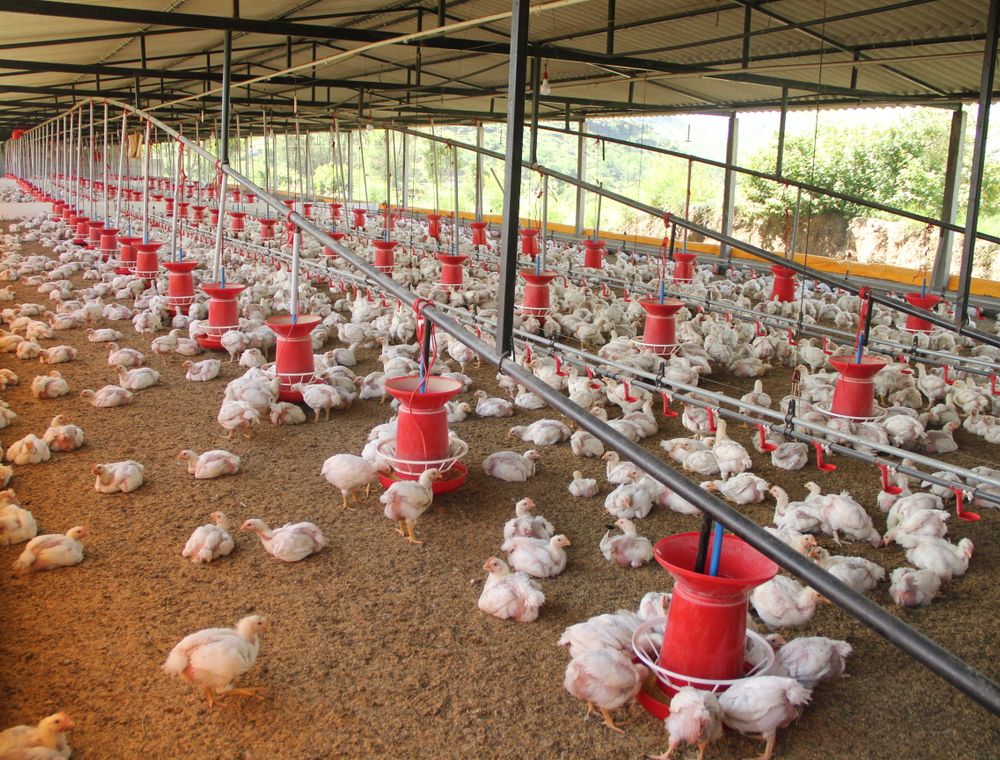
Short answer: A weekly cleaning plan works because it spreads small jobs across seven days instead of one heavy Saturday. Wash feeders and drinkers, clean the egg room and crates, do one house pass for dust and cobwebs, and change the footbath on a fixed day. Write each job in the record book so a missed week shows up at once.
Key takeaways
- Spread the work across the week, one or two jobs a day, instead of one heavy clean.
- Feeders and drinkers come first every week, because the birds use them every hour.
- The egg room and crates are a sanitation job, and they need their own days.
- When labour is short, drop the house pass before you drop the drinkers.
- Write each job in the record book with the day and the initials of the person who did it.
- This plan runs between the empty-house clean-outs, which are a separate and bigger job.
Why one big Saturday clean does not work
Sunday evening is when most farms clean, and by Thursday the drinkers are green again. The big clean happens after a busy week, when everyone is tired, and it covers too much ground to be done properly. The feeders get a rinse, the drinkers get a splash, and the egg room is left until it is needed. Then the week runs on from there with dirty equipment, and nobody notices until a bird goes off her feed.
A weekly plan fixes the timing rather than the effort. Small jobs spread across the week are easier to fit in, easier to check, and harder to forget. The birds get clean equipment on the day they need it, not on the day you find the time. We have seen farms that clean hard once a week and still have a dirty house by Wednesday, because the one big session missed the jobs that build up fastest, such as the drinkers and the wet spots.
The plan below is written for a small or medium commercial house, either layers or broilers. It assumes one or two workers and a house that is already in production. It does not replace the empty-house clean between batches, which is a separate and much bigger job.
What the weekly clean covers, and what it does not
Cleaning on a farm happens at three speeds, and mixing them up is the first reason a routine falls apart. The daily jobs keep the flock going, the weekly jobs keep the equipment and the surfaces clean, and the longer jobs deal with the house between flocks. Each one needs its own time in the calendar.
| Level | How often | What it covers |
|---|---|---|
| Daily | Every day | Count, collect eggs, top up water, scrape the worst litter, pick up spills and dead birds |
| Weekly | Once or twice a week | Feeders, drinkers, egg room, crates, house pass, footbath, wet spots (this plan) |
| Between flocks | Once per batch | Empty the house, deep clean, disinfect and rest the shed, covered in our between-batches guide |
The weekly clean does not replace the daily count, and it does not replace the between-batch clean. If the house is still dusty and the litter is still caked after the weekly session, the problem is in the daily routine or in the house itself, not in how hard you scrubbed on Saturday. Our daily poultry farm routine sets out the jobs that belong on the first level.
How long each job should take in a 1,000-bird house
Here is a worked example for a made-up house of 1,000 hens with two workers. The times are a starting point. A farm with long feeder lines or a dirty roof will need more, and a clean house with good habits will need less. Write your own times after the first two weeks, because the numbers you guess at the start are usually optimistic.
| Job | Minutes per visit | Visits per week | Minutes per week |
|---|---|---|---|
| Full wash of feeders | 45 | 1 | 45 |
| Drinkers and nipple check | 40 | 1 | 40 |
| Egg room and crates | 35 | 2 | 70 |
| House pass: dust, cobwebs, fans, walls | 90 | 1 | 90 |
| Footbath and boot area | 15 | 2 | 30 |
| Wet spots and caked litter | 25 | 2 | 50 |
| Record sheet check | 10 | 7 | 70 |
| Total | 395 |
That comes to about six and a half hours a week. Shared between two people, it is just over three hours each, which fits in a working week without anyone staying late. If the total is much higher on your farm, the cause is almost always the house pass or the feeder wash, so start there when you look for savings.
A seven-day plan that spreads the work
The table gives each day a main job and a second job, so the heavy tasks are not stacked together. Adjust the days to your own roster, but keep the order: feeders early in the week, because they are the thing the birds use most, and the house pass later, because the dust it lifts settles on whatever you have already cleaned.
| Day | Main job | Second job |
|---|---|---|
| Monday | Full wash of feeders | Wet spots and caked litter |
| Tuesday | Egg room and crates | Footbath and boot area |
| Wednesday | Drinkers and nipple check | Check the cleaning stock and the record sheet |
| Thursday | House pass: dust, cobwebs, fans | Wet spots and caked litter |
| Friday | Egg room and crates | Footbath and boot area |
| Saturday | Quick feeder wipe-down | Yard, vehicle and visitor area |
| Sunday | Daily jobs only | Read the week's record and plan the next one |
Notice that the house pass sits on Thursday, not Saturday. A house pass lifts dust into the air, and if you clean the feeders afterwards, you are wiping the dust back on. Clean the top of the house first, and let the dust settle on the floor you will clean last.
Feeders and drinkers come first, every week
The birds touch their feeders and drinkers all day, every day, so a dirty feeder or drinker does its damage before anyone sees it. The weekly wash is the moment to scrape out the old feed, rinse the dust and droppings off, and check that everything still works. Do it in the same order each time, and the job takes less time as the team gets used to it.
- Empty the feeders and bag up any stale or wet feed. Do not tip it back into the bin.
- Scrape the trough and the rims with a stiff brush, and take the dried feed out of the corners.
- Wash with a warm detergent solution suited to equipment that touches feed, and rinse until the water runs clear.
- Stand the feeders to dry in the sun or in the shade before refilling, because wet feed goes mouldy fast.
- For drinkers, take each one apart at the joins, scrub the bowls and pins, and rinse. Check the height against the birds' backs, because the drinkers need raising as the flock grows.
- Run water through the lines and watch the nipples or the bowls for leaks or trickles that wet the litter.
A wet patch around a drinker is a daily problem, and the weekly visit is the time to fix the cause. A worn washer or a drinker set too low will soak the litter every day until someone replaces it, and by then the ammonia is already in the house. The tank and lines that feed those drinkers need their own schedule, set out in our guide to cleaning and sanitising poultry water tanks.
The egg room and the crates are a sanitation job
The egg room is where hands, crates and eggs meet, so it needs a different kind of cleaning. The aim is to keep dirt, droppings and damp off the surfaces that touch the eggs, and to keep the room cool and dry enough that the eggs do not sweat before they go to market.
Wipe the work tables, the scales and the door handles with a clean cloth and a suitable sanitiser each time. Sweep the floor, and do not let dirty crates pile up in the corner. Crates should be emptied of loose shell and feathers, washed with mild detergent, rinsed and left to dry fully before they go back into use. A damp crate is a breeding ground for mould, and a mouldy crate will mark the eggs it carries.
- Clean and dry every crate and tray before it touches a new batch of eggs.
- Keep the work surface dry, and wipe spills as they happen rather than waiting for the afternoon.
- Keep the egg room away from manure, feed bags and the bins.
- Do not wash eggs unless you have a clear reason to. Our guide to egg washing and cleaning explains when it helps and when it does harm.
- Keep cleaning chemicals on a separate shelf, labelled, and away from the eggs.
The house pass: dust, cobwebs and the fans nobody cleans
The house pass is the job everyone skips, and it is the one that causes the most trouble when it does. Dust and cobwebs collect on the walls, the rafters and the fan blades, and they carry bacteria and feed particles down onto the birds. In the harmattan the house collects dust daily, and a monthly pass is not enough to keep up with it.
Work from the top of the house down. Start with the cobwebs in the roof and the rafters, then the light fittings and the fan blades, then the louvres and the walls, and finish with the floor and the feeder lines. Gravity brings the dust down onto each surface you clean next, which is why the order matters. Use a dry brush or a broom with a long handle for the high work, and only use a damp cloth where you can see the dust is stuck.
- Switch off the power before you touch any fan, light or switch.
- Do not point a high-pressure hose at electrics, motors or the control box.
- Clean the fan blades and the guards, because a dusty fan moves less air and runs hotter.
- Brush the louvres and the vent screens so the air can still move through the house.
- Check the walls and corners for droppings, nests and the places where mice and rats get in.
A house pass done properly takes most of an hour in a 1,000-bird house. If it is taking longer than that, start doing a smaller part each week rather than the whole house once a month, because the dust builds up faster than you think. Flies follow the same wet spots and dirty corners, so pair the pass with our fly control guide.
Wet spots and litter: a dry floor counts as cleaning
Many farmers think cleaning means the water and the detergent. On a live house it is mostly about keeping the floor dry. A dry floor smells less, carries fewer pathogens, and gives the birds a better place to stand. A wet floor, on the other hand, is a daily problem that builds into ammonia and sore feet within days.
Each week, walk the house with a rake and a bucket and look for wet patches, caked litter and spilled feed. Rake the wet material out and replace it with dry litter, and make sure you find the source of the wet spot. A leaking drinker, a cracked trough or a roof that drips at the same place will cause the same wet patch next week unless you fix it. Our guide on broiler litter management covers the bedding side, and the deep litter guide covers the bed itself.
Do not turn the whole floor over because one corner is wet. Lift out the bad patch, check its cause, and mix in fresh material. A deep bed that is turned as a whole can raise dust and spread the wet material around the house, so keep the work local.
Need chicks for your next batch?
Send breed, number and town. We reply with price, hatch date and delivery cost in writing.
The footbath and the gate on the same day
The footbath is the cheapest biosecurity job on the farm, and it is also the most neglected. A footbath that has been used all week is mostly dirt and water, and the disinfectant in it has been used up or diluted by the rain. Change the solution on the same two days every week, scrub the tray and fill it fresh.
Pair the footbath with the boot area and the gate. Keep a brush and a bucket of clean water by the footbath, so people can clean the boots before they step in. Remove loose mud from the tyres of vehicles that come onto the farm, and keep a clear line between the clean area and the yard. For the principles behind the footbath, our guide to disinfectants and footbaths is the place to start, and the biosecurity guide covers the wider farm.
Which product goes with which job
Most cleaning mistakes come from using the wrong product for the job, or using the right one at the wrong strength. The table gives the broad choice for each weekly job. Always follow the label and your supplier's instructions for dose and contact time, and check with your vet before you change a product that the birds are already used to.
| Job | What to use | Mistake to avoid |
|---|---|---|
| Feeders and drinkers | Warm detergent solution for equipment that touches feed, then a full rinse | Splashing a disinfectant on dirty equipment and calling it clean |
| Walls, floors and crates | Detergent and water first, then disinfectant on a dry, clean surface | Mixing two chemicals in the same bucket |
| Footbath | A disinfectant registered for footbaths, changed on a fixed day | Topping up an old solution and assuming it still works |
| Fans and electrics | A dry brush and a dry cloth | Water sprayed into motors, switches or the control box |
| Egg crates and trays | Mild detergent, rinse, then full drying | Stacking damp crates that then grow mould |
Chlorine-based products are useful, but they must never be mixed with acids, ammonia-based cleaners or other chemicals, because the mix can release dangerous fumes. Keep each product in its own labelled container, and write on the record sheet which product was used on which day.
When labour is short: what to drop first
Every farm has a week when someone is sick, away at a funeral or simply not turning up. The plan should be strong enough to survive that week, and it needs a clear order of priorities so the most important jobs still get done. This is the order we would follow with one person and a full house.
- The daily count, the water and the eggs. These cannot be skipped in any week.
- Feeders and drinkers. The birds use them every hour, so they go second.
- The footbath and the gate. A missed footbath change is cheap to make up the next day.
- The egg room and the crates. Do a quick wipe rather than the full job.
- The wet spots. Clear the worst patches, and leave the rest for the next visit.
- The house pass. This is the job to drop, and it goes to the next week rather than being lost.
Drop jobs by moving them, not by forgetting them. Write the house pass onto the next week's sheet so it is done first when someone is free again.
Starting a new house, or restocking after a clean-out? Our layer day-old chicks and the current starting prices are online, and you can order through the order form or WhatsApp us on +233 24 915 1503. For delivery questions, see the delivery page or our FAQ.
The record sheet that keeps the week honest
A cleaning plan that is not written down is a plan you only remember when it has gone wrong. Keep a single sheet on the wall or in the record book, with the days across the top and the jobs down the side. Every job gets a tick, the initials of the person who did it, and a short note if something was wrong. The notes are where the real value is, because they show you the problems before they become sick birds.
- Feeders washed and dried, with the date and initials.
- Drinkers washed, nipples checked, and any leaks noted.
- Egg room and crates cleaned, with mould or damage noted.
- House pass done, with the fans and louvres included.
- Wet spots cleared, and the cause written down if it was a leak.
- Footbath changed on the right day, with the product and strength.
- Cleaning stock checked, and any product running low written on the list for the next order.
Questions farmers ask
How is a weekly clean different from a deep clean between batches?
A weekly clean keeps a live house tidy while birds are in it. It covers feeders, drinkers, the egg room, the footbath, the wet spots and a house pass. A deep clean is done when the house is empty, and it removes all the litter, washes the whole structure and rests the shed. You need both, and they do different jobs.
How long should a weekly clean take?
For a 1,000-bird house with two workers, around three hours each per week is a reasonable target. Measure your own times for two weeks and adjust the plan to match. Long feeder lines or a dusty roof will add time, and a well-kept house with good habits will take less.
Can I skip the weekly clean if the house looks clean?
A house can look clean and still have a dirty drinker line, a footbath full of dirt and a dusty fan. The weekly clean is about the surfaces you cannot see at a glance, so keep to the plan even when the house looks fine. The record sheet is how you know the jobs were done.
What is the minimum weekly routine for a small backyard flock?
Wash the feeder and drinkers, clear the wet spots and the droppings, and do a quick check of the house and the nests. Once a fortnight, give the house a proper look for dust and cobwebs. Keep the footbath simple, and write down what you did so the routine survives a busy week.
Should I use bleach on feeders and drinkers?
Feeders and drinkers are equipment that touches feed and water, so use a detergent suited to that job, rinse thoroughly and check the label before using any disinfectant. Bleach is strong and easy to get wrong, and a poorly rinsed drinker can leave the birds with a bad taste. Ask your vet or supplier which product to use.
Who should do the weekly clean?
Name one person for each job and write their initials on the sheet. Shared jobs that nobody owns are the ones that get skipped. If the whole team cleans, rotate the jobs each month, so everyone knows how each one is done.
How do I keep the cleaning record useful?
Write the date, the job, the initials and a short note for anything that was wrong. Review the sheet at the end of each month. Repeated notes about the same drinker or the same wet corner show you where the real problem is, and that saves more time than any product you can buy.


