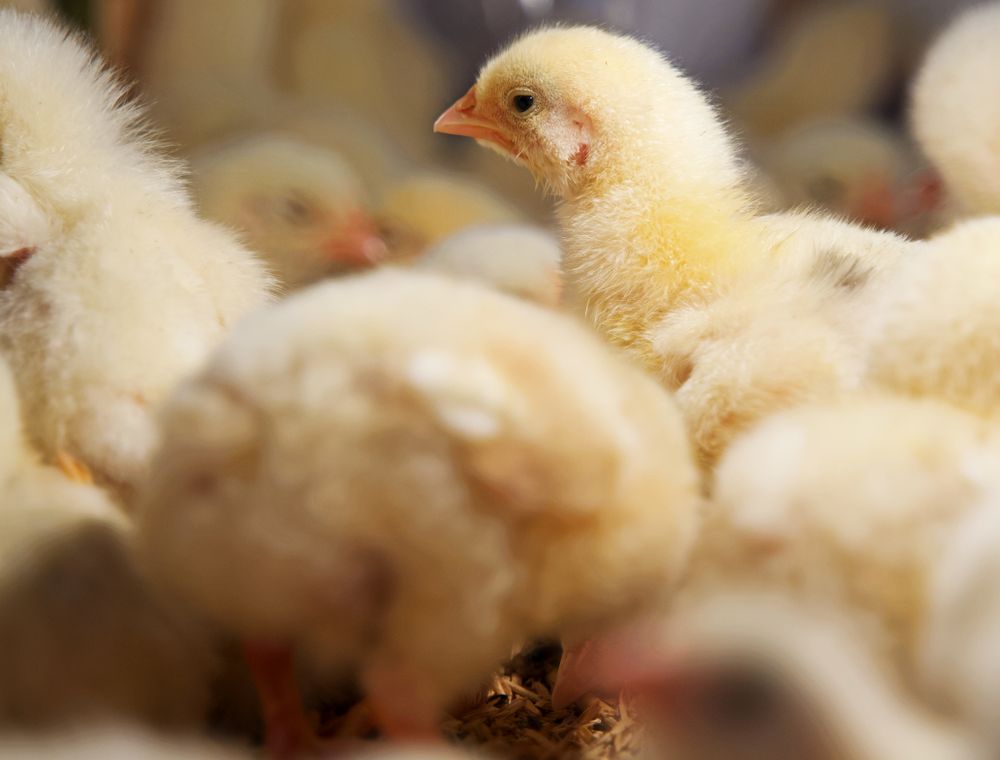
Short answer: Electrolytes help a stressed bird hold on to the water it drinks. Farmers reach for them in heat, after transport, during diarrhoea and after a vaccine day. They are supportive care, not treatment. Give them in clean, fresh water, mixed exactly as the label says, and never in place of plain water or a vet's diagnosis. If a bird is weak or stops drinking, call your vet the same day.
Key takeaways
- Electrolytes support hydration in stressed birds. They do not treat infection, and they do not replace water.
- Clean, fresh, plain water is the first line of support. Additives come second, and only if the stress calls for them.
- Follow the label for every figure, measure with the supplied scoop, and mix fresh. This article gives no dosages.
- Keep additives out of the water used for live vaccines unless the vaccine instructions or your vet say otherwise.
- A bird that has stopped drinking, or is sunken, cold or unsteady, needs your vet, not another additive.
The bird that stops drinking is already in trouble
A hen that stands at the drinker and does not drink is telling you something, and it is rarely good news. By the time a bird looks dull and sits with its feathers puffed, it has usually been losing water for hours. The farmer who reaches for an additive at that point is trying to catch up with a problem that started in the morning.
That is the blunt truth about electrolytes. They are useful, and in the right situation they help a stressed bird recover. They are not a rescue for a flock that has run short of clean water, and they are not a substitute for finding out why the birds are stressed. Read this article as a guide to support, with a clear line between what an additive can do and what only your vet can do.
If you want the wider picture of hot-day losses, our plan for preventing heat-stress deaths covers the hour-by-hour routine. This article stays with water and additives, because that is where most farmers go wrong.
What electrolytes actually do
Electrolytes are the mineral salts that carry electrical charge in the body, and the ones usually found in poultry products are sodium, potassium and chloride, with some bicarbonate. They help the bird keep the right balance of fluid inside and outside its cells, and they help the gut absorb water. When a bird loses fluid quickly, through panting in heat, watery droppings or a stressful journey, it loses these salts along with the water.
An electrolyte product replaces some of those salts while the bird drinks. That is the whole mechanism, and it is worth stating plainly, because the marketing on some products claims far more. A product of this kind does not kill germs, does not reverse a disease and does not make a sick bird healthy. It supports the bird while the real cause is dealt with.
The packaging will list the salts and the carbohydrate or other components. Read the list. A product with a short, clear list and a clear use on the label is easier to judge than one that promises everything. We do not give dosages in this article, because the right figure depends on the product, the species and the size of the flock. Follow the label, and ask your vet when the label leaves a question open.
The situations where stressed birds need support
Not every stress calls for an additive, and some stresses are better met with plain water and a calm shed. The table below sets out the situations where farmers in Ghana most often consider electrolytes, what changes in the bird, what to watch and when to call the vet.
| Situation | What changes in the bird | What to watch | Call the vet when |
|---|---|---|---|
| Hot spell, afternoon heat | Panting and fluid loss, salts lost with the breath and droppings | Open-beaked panting, wings held out, slow to stand | Birds collapse, stop drinking or die despite clean water |
| Transport or day-old chicks arriving | Time in a box, no drinking, fatigue after the journey | Chicks huddled, not reaching the drinker, sticky vents | Many chicks weak or dying in the first 24 hours |
| Vaccination day | A short reaction, quiet birds, less drinking for a time | Birds quiet but still moving, drinking when they feel like it | Severe swelling, breathing trouble or a sudden drop in flock |
| Diarrhoea or a sick flock | Fluid and salt loss through the gut | Watery droppings, dull birds, dirty vents | Blood in the droppings or several birds down |
| Moving birds to a new shed | Short-term stress from handling and a new layout | Birds crowding into corners, slow to find drinkers | Stress lasts past a day or two, or losses start |
Notice what the table does not say. It does not tell you to add an electrolyte to every row. In the vaccination row, for example, the best support is often plain water and a quiet shed. Use the additive where the bird is losing fluid, and leave it out where the job is to keep the water clean.
Clean water comes first, every time
Before any additive goes in, check the water the birds already have. Most stressed flocks are short of good water long before they are short of electrolytes. A drinker with a blocked nipple, a line that has lost pressure in the afternoon, a tank that has warmed to bathwater temperature or a row of drinkers that a hen cannot reach are all more common causes of trouble than a lack of salts.
A common rule of thumb is that birds drink roughly twice as much water as they eat, by weight, in mild weather. In heat that ratio climbs, and a flock that drinks normally on a cool morning can run short by mid-afternoon. Check the drinkers at three times in the day, not once, and count the drinkers against the number of birds, not against the number you think you bought.
- Check each nipple or cup flows freely, and clean the bell drinkers before a hot spell.
- Keep the tank or header in shade, and keep the lid on to stop dust and droppings falling in.
- Give the birds cool water in the afternoon, and avoid water that has sat in the sun for hours.
- Drain and rinse the line when the water goes cloudy, green or smells sour.
- Check the water level after power cuts, because a pump that stops leaves the line dry for longer than you think.
Our guide to cooling a poultry house covers the shade and airflow side. Clean, cool, reachable water is the cheapest support you can give a stressed bird, and it works without any product on the label.
Reading the label without guessing
Every electrolyte product has a label with the figure written on it, and the figure is the only one you should use. Farmers who guess the amount, or who double it because the birds look bad, make stress worse. Too much of a salt product can make the water taste strong, and a bird that tastes the water may drink less of it, which defeats the whole point.
- Read the label before you open the packet, and check the species, the use and the expiry date.
- Measure with the scoop or dispenser that comes with the product, not a tea cup or a bottle cap.
- Mix the stated amount into the stated volume of water, and never guess the volume.
- If the label gives a time limit for the mixed solution, write the mixing time on the container.
- Store the packet in a cool, dry place away from fertiliser, pesticides and feed, and keep the lid closed.
When the label does not match what your vet has told you, ask the vet, and do not pick the figure you like. We do not give any figure in this article. The product is the only reliable source for the amount, and your vet is the only reliable source for whether the flock needs it at all.
Mixing and the water line in Ghana heat
In Ghana's heat a mixed solution goes off faster than most farmers expect. Mix it in clean water, dissolve it fully, and put it in the line in the cool part of the day. A solution that sits in an open bucket through a hot afternoon becomes a warm, sugary bath for bacteria, and the birds drink it.
Stir the powder into the water until no grains remain on the bottom of the container. Pour the mixed solution through a clean cloth or a fine strainer into the tank, so that lumps do not block the nipples. If you run a header tank, clean it out before the mix goes in, and rinse it after the stress period is over.
A practical routine looks like this. Mix in the early morning, when the water is cool. Fill the line and check the drinkers. Replace the solution at the time the label gives, or at the end of the working day, whichever comes first. Never top up an old solution with fresh powder, because the strength will be wrong and you will not know by how much.
Additives that clash with vaccines
Some vaccines are given through the drinking water, and those vaccines are the reason a water additive can cause a problem. A live vaccine is designed to be taken up by the birds from plain water, and anything in the water that changes the taste, the chlorine level or the pH can reduce how much of the vaccine the birds take. A sanitiser that is strong enough to clean the line can do the same.
The rule is simple. On a day when a live vaccine goes into the water, keep the water plain, unless the vaccine instructions or your vet say otherwise. Do not add electrolytes, vitamins or glucose to the same water. Clear the line of any additive the day before, flush it, and give the vaccine in plain, cool water at the time the vaccine instructions give. Our guide to water vaccination sets out the steps in order.

If you give vaccines by injection or spray, the water rule relaxes, but the warm-weather rule does not. A bird that has just been vaccinated is a bird under extra stress. Give the water first, and only then decide whether an electrolyte is needed.
Vitamins, glucose and what electrolytes cannot do
Farmers often mix electrolytes with vitamins, glucose and other products in the same bucket. Each one may be useful on its own, and each one changes the water in a different way. The more things go in together, the harder it is to tell which one helped and which one caused the problem.
Glucose gives a quick source of energy, but it feeds bacteria just as quickly, which is why a sweet solution sitting in the sun is a risk. Our guide to vitamins and glucose for new chicks covers when they help and when they harm. Vitamins are a question of diet and of the flock's real needs, not a quick fix for a bad morning. Electrolytes support fluid balance. They do not correct a vitamin deficiency, and they do not replace a proper feed programme.
If you want a supportive probiotic alongside a stress plan, read our guide to probiotics first. The sanitiser and chlorine trap described there applies to electrolytes too. A product that is added to a line that is also being cleaned with a strong sanitiser may do less than the label promises.
Need chicks for your next batch?
Send breed, number and town. We reply with price, hatch date and delivery cost in writing.
Day-old chicks: the first water after the box
Chicks that arrive from a long journey are the most common reason we are asked about electrolytes. A box of chicks has been in transit, the birds have not drunk, and the farmer wants to give them something in the first water. The question is fair, and the answer is still plain water first.
Chicks from our hatchery are boxed and dispatched the same day they hatch, in ventilated boxes of 50, bound for any of the 16 regions. A chick that has had a long journey needs to find the drinkers quickly, with clean, cool water at a height it can reach. Dip the beaks gently in the water if the chicks are slow to drink, and check that every chick has found a drinker within the first hour. The acclimatising routine in our day-one guide sets out the steps for the first day.
If you do add a product in the first days, use only one, mix it exactly as the label says, and check the chicks again in a few hours. The brooder routine still matters more than the bottle. Our delivery page explains how the chicks travel and what to check when the box arrives.
Supportive care or treatment: a plain difference
Farmers often use the word "treatment" for anything that makes a sick bird look better. That habit causes real harm, because the bird gets the wrong product for the wrong cause while the real problem runs on. The difference is worth writing down.
| Type of product | What it does | Example of use | Who decides |
|---|---|---|---|
| Supportive care | Helps the bird hold fluid and energy while the cause is treated | Electrolyte during a hot spell or after transport | You, guided by the label and your vet |
| Feed and water quality | Keeps the bird eating and drinking well | Clean drinkers, balanced feed, shade | You, with good daily routine |
| Treatment for a cause | Acts on a bacterial, parasitic or viral cause | An antibiotic or an antiparasitic prescribed for a diagnosis | Your vet, after a diagnosis |
The electrolyte belongs in the first row, and nowhere else. If the birds are still sick after the water is clean and the additive has been used correctly, the answer is a diagnosis, and that means your vet. Our poultry first aid kit guide lists what to keep on hand and when to stop treating at home.
Signs that need the vet, not another additive
Some signs mean the bird is past what water and an electrolyte can fix. These are the signs that send us to the phone, and they are the signs to act on the same day.
- A bird that has not drunk for many hours, even with fresh water at hand.
- Sunken, dull eyes and a dry, tacky-looking beak and mouth, with the bird unwilling to eat.
- Cold to the touch, unsteady on its feet, or sitting apart from the flock with its head down.
- Watery droppings with blood in them, or droppings that stay wet long after the water has been fixed.
- More than a few birds down in one day, or deaths that continue after the water and shade are corrected.
Write the signs, the number of birds affected and the time they started in the record. A vet who sees those notes can act faster. For the more common causes of diarrhoea and weakness in Ghana flocks, our guide to coccidiosis and note on pasty butt in chicks are good places to compare what you are seeing.
Mistakes we see on stress days
These are the errors that come up most often when a flock is stressed and the farmer is trying to help. Each one is avoidable with a calm routine and a clear record.
- Mixing three or four products into one bucket, so no one knows which one helped.
- Doubling the figure on the label because the birds look bad, which tends to make them drink less.
- Leaving the mixed solution in the sun through the afternoon.
- Adding an electrolyte to the water on vaccine day without checking the vaccine instructions.
- Continuing the additive for a fixed number of days after the birds have recovered.
- Assuming the water is clean because it looks clean, and never cleaning the drinkers or the tank.
- Waiting for a bird to die before calling the vet, when the warning signs were there for hours.
Most of these come from wanting to do something, and the answer is usually to do the simpler thing well.
A stress-day checklist for the shed
Pin this near the water tank and go through it when the birds start to look wrong. It takes five minutes, and it tells you whether an additive is the right step or whether the real fix is somewhere else.
- Drinkers checked for flow, cleaned, and reachable by every bird.
- Tank or header in shade, lid on, water cool and free of dirt.
- Count of birds drinking and standing, noted at the time.
- Vaccine day checked, and the water kept plain if a live vaccine is due.
- Label read, figure measured with the supplied scoop, and expiry checked.
- Solution mixed fresh in the cool part of the day, with the mixing time written on the container.
- Only one additive in use at a time, and the start day in the record.
- Vet called the same day for any bird that has stopped drinking, or any sign on the list above.
If your flock is young and the stress is about the first week, our day-old chicks page explains what we supply, and the order form is there for when you are ready. For questions about water and stress, you can message us on WhatsApp at +233 24 915 1503, though for any sick bird the first call should go to your vet.
Questions farmers ask
Are electrolytes the same as treatment for sick birds?
No. Electrolytes are supportive care. They help a bird hold fluid and salts while the real cause is dealt with. They do not kill germs or reverse a disease. If a bird is sick, call your vet for a diagnosis, and treat the cause the vet names, not the symptom.
When should I give electrolytes to my chickens?
Most often in hot spells, after transport, after a vaccine day when the birds have gone quiet, and during watery droppings or fluid loss. Start only when the stress is visible, use the product as the label says, and stop when the birds are drinking and standing normally again.
Can I put electrolytes in the water when I vaccinate?
Not if the vaccine is given through the water, unless the vaccine instructions or your vet say it is fine. Live vaccines are sensitive to what is in the water, and additives can reduce the amount the birds take. Keep the water plain on vaccine day and clear the line of additives the day before.
How much electrolyte should I use?
Use the figure on the label, measured with the supplied scoop, in the stated volume of water. This article does not give dosages, because the right figure depends on the product, the species and the flock. If the label and your vet disagree, ask your vet before you mix.
Can I give vitamins and electrolytes together?
You can, but mixing many products together makes it hard to tell what helped. Use one additive at a time, record the start day, and watch the birds. Glucose in the same solution can also feed bacteria in the heat, so keep the solution fresh and out of the sun.
What do I do with day-old chicks that seem weak after the box?
Give them clean, cool plain water first, make sure every chick finds a drinker within the first hour, and keep the brooder warm and dry. If many chicks are weak or dying in the first day, call your vet and the hatchery the same day, and write the numbers in your record.
When do I call the vet about a stressed bird?
Call the same day if a bird has not drunk for many hours, has sunken eyes or cold skin, is unsteady or sitting apart, has bloody droppings, or if more than a few birds are affected in one day. Do not wait for losses to continue before you call.


