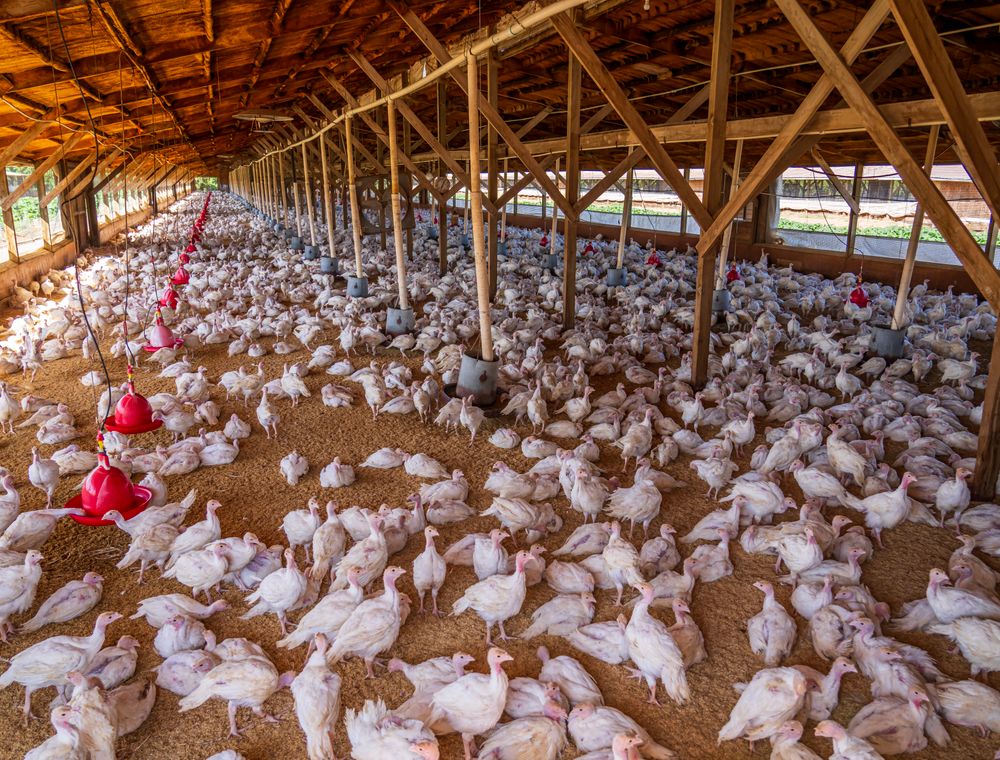
Short answer: Heat-stress deaths happen when a flock cannot shed heat as fast as it makes it, usually in the hottest hours of a day that followed a night that never cooled. Prevention is a whole-flock job: check water and airflow early, act at the first panting bird, keep people and handling out of the house in the heat, and plan for power cuts. If birds die in numbers, follow your vet's advice on electrolytes and on post-mortem.
Key takeaways
- Heat deaths cluster in the hours after a hot spell peaks, often when a power cut stops the fans or the pump.
- Water is the first line of defence. A flock that cannot drink enough cannot cool itself.
- Act at the first panting bird, not after the first dead one.
- Do not catch, move or handle birds in the heat. A chase can kill a bird that was already struggling.
- Keep a daily record of deaths and conditions, so you can tell a heat loss from a disease loss.
Why birds die on a hot day that started out fine
A chicken has almost no way to sweat. It cools itself by panting, by holding its wings away from the body, and by drinking. When the air around it is nearly as warm as its body, it has little left to work with. Heat builds inside, breathing gets fast and shallow, and a bird that ate well at breakfast can be dead by mid-afternoon.
What makes a day dangerous is rarely the peak temperature alone. The night before matters. A house that never cooled overnight starts the next day with birds already tired. A flock that drank too little the previous afternoon starts short of water. A flock that is heavy and crowded has less room to shed heat. Put those together with a midday peak and you get a bad afternoon.
The hour-by-hour pattern through a hot day
The table below is a rhythm, not a timetable. Your house, your season and your flock will shift the times. The point is that every part of the day has a job, and the job is written down before the heat arrives.
| Time | What the flock is doing | What you do |
|---|---|---|
| Before dawn | Birds should be settled, not bunched at the walls | Check the house for a warm night, open the inlets, confirm the fans are on the timer or working |
| Morning | Feeding is normal, and water use rises as the day warms | Walk the house, check every drinker, top up the tank, move the main feed to the cool hours |
| Late morning | Birds spread their wings and stand away from the feeder | Turn on cooling, check the airflow at bird height, check the water line again |
| Early afternoon | Panting, open beaks, birds sitting apart from the group | Full check of water, airflow and density. Act now, do not wait for the first death |
| Late afternoon | The peak is passing, but the house still holds heat | Keep cooling running and water flowing, and add no handling |
| Evening | Birds begin to settle | Count the dead and the sick, note the times and numbers, and plan the next day |
Water is the first line of defence
A bird short of water cannot cool itself, and the heat hits it harder. On a hot afternoon a broiler can drink a great deal more than on a cool morning, sometimes close to double. A drinker that runs dry for twenty minutes at midday is a problem the flock will remember.
Walk the drinker line with the birds in the house and watch the water move. Check that it reaches the far end, that nipples or bells are not blocked with dirt, and that the header tank does not run empty before the pump stops. The pump that stops in a power cut is the most common gap we hear about in the water line during a heat event. Our broiler water management guide explains how to set drinker numbers and heights.
Water that is warm enough to taste bad can put birds off. Keep the tank in shade, clean the lines on a fixed day, and keep a store of clean water for the worst afternoon. The water quality guide goes through testing and cleaning in more depth.
Acting at the first panting bird
Most farmers wait for the first dead bird before they act. By then the heat has been working on the flock for an hour or more, and the birds that are going to die have already started. Act at the first panting, the first wing spreading and the first birds standing apart.
- Turn on or boost every cooling tool you have, starting with the fans and then any foggers you own.
- Check the water at the far end of the house. Clear blocked drinkers and open any valve that has been closed.
- If the outside air is dry, wet the outside walls and the ground around the house, so the evaporating water cools the air coming in. Do not soak the birds or the litter in a humid spell.
- Leave the birds where they are. Do not pick them up or drive them around the house.
- Count the birds sitting apart and the ones with open beaks every half hour, and write the numbers down.
- Tell everyone on the farm what you are doing, so nobody opens a door at the wrong moment.
Power cuts: the quiet killer in a hot spell
Dumsor is the event that turns a hot day into a bad one. The fans stop, the pump stops, and the house warms up by degrees while nobody can see it happening. In a house with birds packed in, the temperature can climb faster than you would guess, and the birds cannot wait for the lights to come back.
Plan for it before the season starts. List which tools run on the mains and which can run on a generator or a battery. Keep the generator fuelled and tested, and know who to call when it fails. Keep a way to get water to the birds that does not depend on the pump, such as containers filled from a source you control. When the fans stop, open the inlets wide if the outside air is cooler than the house.
The backup options for chicks are covered in our heat source guide, which uses the same thinking. For the wider cooling picture, read the cooling guide.
Electrolytes, and what your vet will want to know
Some farmers add electrolytes to the water on a hot day. Birds that have been panting lose salts and fluid, and an electrolyte product in fresh water can help a bird that is still drinking. Electrolytes are not a rescue for a flock that is already collapsing, though, and they do not replace shade, air and water.
Use them only on your vet's advice, at the strength on the label, mixed fresh. Do not mix a salt and sugar cocktail on a guess, because the balance is easy to get wrong and a bad mix can make things worse. Follow your vet's advice on how long to use a product and when to stop it.
Telling heat losses from disease
Heat deaths often look like sudden deaths, and sudden deaths can also be disease. A bird that dies in the heat is usually one that was already breathing hard, and the losses cluster in the hottest hours and in the crowded corners. Disease losses tend to be spread across the house, and they come with other signs such as diarrhoea, a drop in feed intake, or birds that look hunched before the heat has even reached the house.
Keep a simple note. Each morning, write the number of dead birds, where they were found, and what you saw the day before. After a few days the pattern will tell you whether to treat it as a heat problem or call your vet for a disease check. Our sudden death guide lists the first checks, and the mortality guide shows how to classify each death week by week.
Need chicks for your next batch?
Send breed, number and town. We reply with price, hatch date and delivery cost in writing.
Dead birds, records and the next day
Remove dead birds from the house straight away. Do not leave them in the sun or where other birds can peck at them. If the deaths are in numbers, keep one or two carcasses for the vet. Follow your vet's advice on post-mortem, sampling and disposal.
The record is what makes next year easier. Note the date, the outside temperature if you have a thermometer, the number of deaths, the time they happened and what you did about it. A farm that keeps that record can plan cooling, water and feed timing for the next hot spell instead of guessing again. The record keeping guide shows a simple layout.
Feed timing and density on a hot day
Feed is a heat source. Digesting a meal produces heat, so a bird that has just eaten a large meal in the afternoon carries more load. Move the main feed into the cool hours, early morning and late evening, and keep only as much feed in the trough during the day as the birds will eat.
Density matters too. A house that is comfortable at week three can be crowded by week five, and the heat margin shrinks quickly as birds grow. Plan the number of birds for the weight they will reach in a hot month, not the weight they have on the day they arrive. Our stocking density guide works through the numbers. Layers face the same problem in a different form, which is why our hot season note for layers covers egg drop and feeding time.
What we ask when a farmer calls in a heat wave
When a farmer calls us in a hot week, the first question is about water, the second is about the house, and the third is about the birds already lost. We ask about the flow at the far end of the line, the fans and the power, and the age and weight of the flock.
We supply the chick and the batch record, and we help you plan around the season. Whether a bird is fit on a given afternoon is for your vet to judge, and the cooling and water on your farm are yours to run. Our chicks leave the hatchery vaccinated and are dispatched on the day they hatch, in ventilated boxes of 50. If you are planning a hot-season flock, WhatsApp us on +233 24 915 1503 before you order, and we will talk through timing. Our delivery page covers how birds reach the 16 regions. Planning a broiler flock for the hot months? Start with our broiler day-old chick page, and place the order through the order form once the timing is right.
Questions farmers ask
What temperature is dangerous for chickens?
No single temperature suits every flock. Heat stress depends on temperature and humidity together, the age and weight of the birds, and how much air moves through the house. A house that feels bearable at the door can be too hot at bird height. Measure at bird height and watch the birds, not only the thermometer.
Should I spray water on the birds?
Sometimes, in dry air with good airflow, and only lightly. In humid air, wetting birds can make them hotter and soak the litter, which brings its own problems. Follow your vet's advice on this for your house, and do not soak birds in the afternoon.
Is it safe to give electrolytes during a heat wave?
They can help a bird that is still drinking, and many farms use them in hot spells. Use the product on your vet's advice, mixed fresh at the label strength, and stop when your vet says to. They do not replace water, airflow and shade, and they do not revive birds that are already collapsing.
How many deaths in a heat wave is too many?
Any heat-related death is a warning, but the number that matters is the change from your normal. A few deaths in a hot week, after weeks with none, is a signal to act on cooling and water that day. A spread of deaths across the house, including birds that were not in the crowded corners, means calling your vet for a disease check as well.
Do heat deaths happen in the harmattan?
Less often, because nights in the harmattan are cool. Days can still be hot, especially in the north and in dry spells, and crowded houses and power cuts are a risk in any month. Check the house on warm dry-season afternoons as well as in the hot spells.
Can I move birds to a cooler house during a heat wave?
Avoid moving birds in the heat. Catching and crating them is stressful and can cause deaths on its own. If you must move birds, do it in the cool hours with a plan, and follow your vet's advice on timing and handling.
Will you replace birds lost in a heat wave?
Our replacement applies to birds dead on arrival. Count them when the box opens, send a WhatsApp photo the same day, and the birds are replaced free in the next hatch. Losses after the birds are on your farm are a matter for your records, your cooling and your vet.


