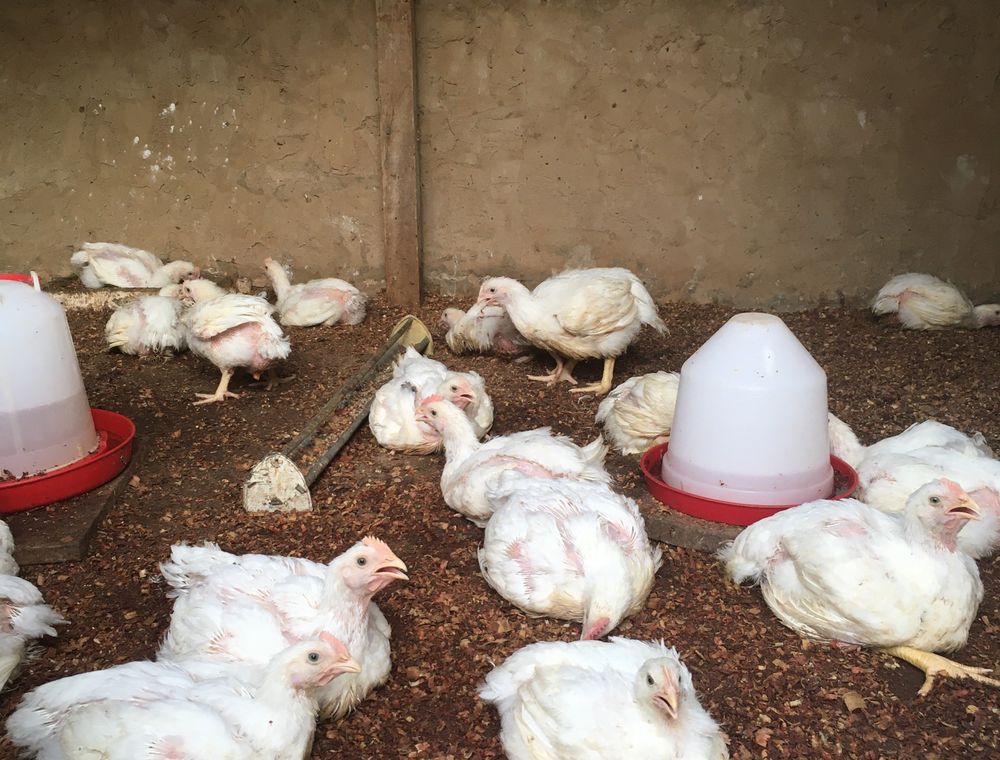
Short answer: A breeding cockerel supplies half of the genetics in every chick you hatch, and a poor one can quietly ruin a whole season of eggs. Choose him for sound legs, a clean vent, good body condition and a known parent record, then give him a fixed group of hens, a rest from over-mating and regular fertility checks. Replace him when the eggs stop hatching well, not when the calendar says so.
Key takeaways
- Judge a cockerel on legs, eyes, vent and body condition at least as much as on size or colour.
- Most light breeds are ready to mate somewhere around five to seven months, while heavier breeds take longer, so check the breed before you rely on him.
- Fertility and hatch rate tell you more about a cockerel than his appearance, so candle eggs and record the results each week.
- Too many hens per cockerel, or too many cockerels per pen, leads to damaged hens and poor fertility, not extra eggs.
- Store hatching eggs cool and pointy end down, and set them within about a week for the best results.
- Keep spare cockerels apart from the breeding pen, and replace the main sire on performance and rotation, not on impulse.
The cockerel supplies half of the next generation
Keepers often put their effort into the hens, because the hens are the ones laying the eggs. The cockerel is easy to overlook. He is the other parent of every chick, and he is the one bird who can spread a fault through the whole flock in a single season. A cockerel with weak legs, poor fertility or a habit of bullying the hens can pass those traits to dozens of chicks before anyone notices the pattern.
The job of a breeding cockerel is simple to state and hard to do well. He must be fertile, he must mate the hens without injuring them, and he must pass on the traits you want. Everything else, from his crowing to his colour, matters much less. Treat him as a working animal with a clear record, not as an ornament in the yard.
When a cockerel is ready to work
A young cockerel starts to show interest in the hens well before he is fertile. The first crowing, the first attempts to mount and the first chasing of pullets are not a sign that he is ready. Fertility depends on the testes and the sperm he produces, and that takes time. Light breeds usually mature earlier than heavy breeds, and the local birds of Ghana vary a great deal depending on the line.
The table below gives typical starting points. These are general figures from common practice, not rules, and your own birds will tell you more over a few weeks. Start with a younger cockerel alongside the hens if you must, but check his eggs carefully before you rely on him.
| Type of bird | Usual age he starts to mate | Hens per cockerel (typical) | Watch for |
|---|---|---|---|
| Light laying breeds | About 5 to 7 months | About 10 to 12 | Over-mating of young pullets |
| Medium dual-purpose breeds | About 6 to 8 months | About 8 to 10 | Size gap with smaller hens |
| Heavy meat-type breeders | Often 7 months or later | About 8 to 10, managed closely | Weight gain and leg problems |
| Village and local birds | Varies, often 6 to 8 months | About 10 to 15, in free range | Bullying and wandering |
Heavier cockerels also need closer watch. A heavy bird that is allowed to get too fat becomes less active, and a fat cockerel is often a poor breeder. Use the table as a guide and the eggs as the final judge.
Buying a sire: what to inspect before you pay
Inspect the cockerel before you hand over money. Look at his legs first. They should be straight, clean and firm, with all toes present and no swelling on the feet or hocks. Crooked toes, a limp or a bird that struggles to stand on one leg will be a problem for mating, and the defect may be passed on. Check the eyes, which should be bright and clear, and the nostrils, which should be dry. Any discharge or wheezing is a reason to walk away.
Look at the vent, which should be clean and free of droppings or wet feathers. Check the body for straight keel and an even shape. A cockerel with a crooked back or a sunken chest is likely to struggle. Ask for the hatch date, the parent stock and any laying or hatching record the seller holds. A cockerel from a known line is a better bet than an anonymous bird from a crowded market pen.
Meat cockerels are not the same as breeders. White cockerels are sold at GH₵ 3 as a starting price, which suits the table, not the breeding pen. A bird grown for fast weight gain may have legs that cannot carry a breeding programme. Before you buy, the price list for day-old chicks is the place to confirm current figures, since each order is priced separately.
Quarantine and the first weeks in the pen
A new cockerel should not go straight into the breeding pen with the hens. Keep him in a separate pen for two to three weeks, where you can watch for coughing, runny eyes, lice, mites, lameness and any sign of diarrhoea. This is the cheapest insurance you can buy, because a bird that carries a respiratory infection can spread it to the whole flock in a few days.
Use the quarantine period to weigh him, check his feet every few days and make sure he is eating and drinking normally. Note his weight in the record book. A bird that is losing weight in quarantine will not improve once he starts to mate. Only introduce him to the hens when he looks steady and the records are clean.
Fertility: what a good cockerel actually does
A cockerel that struts and crows is not necessarily fertile. Judge him by the eggs. The simplest method is to set a batch of eggs from his pen in an incubator, then candle them after about a week. Fertile eggs show a network of blood vessels and a developing embryo, while infertile eggs look clear. Count the fertile eggs, then count the hatch at the end of the incubation period. The two numbers together tell you how well the cockerel is doing.
Breeders commonly aim for fertility in the mid to high eighties per cent or better, though the exact target depends on the breed, the hens and the season. A sudden drop in fertility is a signal to check the cockerel first. Look for injuries, lameness, poor body condition and a change in his mating behaviour. Also check the hens, because a flock with poor feed or a health problem can show low fertility even with a good cock.
For incubation timing and the candling step, the egg incubation calculator helps you set the right dates and plan the check.
Storing hatching eggs so the cockerel's work is not wasted
A good cockerel can produce fertile eggs that never hatch if the eggs are stored badly. Collect eggs at least three times a day in the breeding season, so they do not sit warm in the nest for long. Remove dirty or cracked eggs, and do not wash them, since washing removes the protective bloom that keeps bacteria out.
Store the eggs in a cool, steady place, ideally around 13 to 18 degrees Celsius, with the pointy end facing down. Turn them gently each day if they are kept for more than a day or two. Set the eggs within about a week for the best hatch, and fertility falls the longer they wait. A cool room and a little patience will do more for your hatch rate than any new cockerel.
Over-mating, damaged backs and the hens that suffer
Too many cockerels, or one cockerel with too many hens, leads to damage. A hen is mated repeatedly in a crowded pen, and her back and neck lose feathers, the skin becomes raw and the comb can be torn. Once the skin is broken, the hen is at risk of infection, and a hen with a bare, bleeding back will not lay well. Watch for hens that hide in corners, avoid the feed, or move stiffly.
Remove any hen with a bad back to a separate pen to heal. Check the cockerel's spurs and comb for injuries from fighting. If two cockerels are in one pen, expect fights, and expect the hens to take the blows. Keep the pen size and the number of birds in line with what the breed can handle, and add a second pen rather than a second cockerel where you have the space.
Rotation and replacement without losing the line
Many keepers replace the main cockerel every season or two, and some do it more often. The reason is not simply age. A long-serving cockerel mates with the same hens for months, and his offspring become closely related to one another. Over time this can concentrate weaknesses and reduce hatch rates. A planned rotation with an unrelated cockerel from a different family spreads the genetics and reduces that risk.
Replace a cockerel when the records show that his fertility has fallen for two or more hatches, when he is injured or lame, or when his chicks are consistently weaker than the rest. Do not replace him just because he has a bad day. Keep the pedigree of each cockerel written down, so you can see which lines are close and which are distant.
Spare cockerels and the surplus males
Every hatch produces more male chicks than the breeding pen needs. Some keepers keep one or two spares in a separate pen as a backup, which is sensible if the main cockerel is injured or unexpectedly infertile. The spares should be kept apart from the hens, so they do not wear down the pullets or trigger fights in the breeding group.
A bachelor group of cockerels can be kept together if they are of similar age and size, and if the pen gives each bird room to move away from the others. Keep an eye on the group for bullying, and separate any bird that is being pecked or chased. Surplus males that are not needed for breeding can be sold as table birds or kept for a later purpose, but do not let them linger in the breeding pen where they will cost you feed and crowd the hens.
Need chicks for your next batch?
Send breed, number and town. We reply with price, hatch date and delivery cost in writing.
Feeding a working cockerel without making him fat
A breeding cockerel needs enough protein to stay fit and enough energy to stay active, but not so much that he gains weight quickly. A grower or layer mash fed in controlled amounts, with a scatter of grain in the evening, suits most light and medium breeds. Heavier cockerels need closer control of their intake, since excess weight can damage their legs and reduce their desire to mate.
Check his body condition every few weeks. You should be able to feel the breastbone without difficulty, and the body should feel firm rather than soft. The poultry feed calculator can help you estimate how much mash the pen needs, so the breeding birds are not overfed while the hens go short. Give clean water at all times, and provide shade in the hot season, since a hot cockerel will mate less and sometimes not at all.

Health problems a cockerel can hide
Cockerels are good at hiding illness, which is one reason fertility drops are often the first clue. Check the feet for swollen, cracked or sore pads, a condition commonly called bumblefoot, which can make a cockerel reluctant to mate. Look for lice around the vent and under the wings, and for any sign of coughing or sneezing, which may point to a respiratory infection spreading through the flock.
Vaccinations should be kept up to date for the whole breeding group. Ask a vet or veterinary officer to set a schedule and to examine any cockerel that is lame, thin or not mating. The poultry vaccination schedule calculator gives a starting timetable to take to that discussion.
Culling an old or unproductive cockerel
A cockerel does not stay productive for ever. When his fertility keeps falling despite a healthy pen, when he is lame or when he has become more trouble than he is worth, it is time to remove him from breeding. Keeping a poor cockerel out of pride costs you eggs, feed and hatch rate, and it passes his weaknesses to the next generation.
Decide the method in advance and carry it out quickly and humanely, using a method that a trained person or your vet recommends. Many keepers sell older cockerels for the table once they are no longer useful for breeding, which recovers some of the cost. Record the decision and the reason, so the next choice of sire is informed by it.
Mistakes that cost a breeding pen its fertility
Most breeding problems come from a short list of errors. Each is easy to avoid once it has a name.
- Choosing a cockerel for his size or colour and ignoring his legs and vent.
- Putting too many hens with one cockerel, so the hens are over-mated and damaged.
- Keeping an old or injured cockerel because replacing him feels wasteful.
- Storing hatching eggs warm, dirty or for many days before setting them.
- Feeding the breeding birds too heavily, which makes the cockerel fat and less active.
- Keeping no records, so a fall in fertility cannot be traced to its cause.
A breeding pen that is watched closely and recorded honestly will outperform a larger pen that is left to run itself.
Where to go next with your breeding pen
Start with one pen, one sound cockerel and a clear set of records. Learn what his eggs and chicks tell you over one full breeding season before you expand. Once you are confident, you can add a second pen or bring in a new line for rotation.
If you are building a flock from the start, the how-to-start guide covers housing and timing in plain steps. For a broader view of breeds and their uses, the breeds page is a useful next stop, and questions on ordering and delivery are answered on the FAQ page, and other management notes sit in the blog.
Questions farmers ask
How old should a cockerel be before he is used for breeding?
Light breeds usually reach fertility somewhere around five to seven months, and heavier breeds often take longer. Do not rely on crowing or mounting as proof. Test a batch of his eggs before you count on him, and check the breed's typical timing for your birds.
How many hens can one cockerel cover?
For light breeds, about ten to twelve hens is a common working number, and medium breeds often take around eight to ten. Free-range village birds can manage more because they spread out, but the hens still need protecting from over-mating. Adjust the number to the cockerel's condition and the hens' backs.
Why are my eggs not hatching when the cockerel looks healthy?
Fertility can be low for several reasons. The cockerel may be injured or past his best, the hens may be short of feed or unwell, or the eggs may have been stored too warm or too long. Work through these before you replace the cockerel, and candle a batch to see where the problem sits.
Can I keep the same cockerel for several seasons?
Many keepers do, provided he stays fertile and healthy. The risk is that his offspring become closely related over time, which can reduce hatch rates. A planned rotation with an unrelated cockerel from a different family spreads the genetics and helps protect the line.
What should I do with spare cockerels?
Keep one or two spares apart from the breeding hens as a backup, and sell or use the rest as table birds. A bachelor group works if the birds are similar in age and size and the pen gives them room to move away from one another. Watch for bullying and separate any bird that is being chased.
How do I tell if a hen is being over-mated?
Look for bare patches on the back and neck, scratches on the comb, and hens that avoid the feed or hide in corners. A damaged hen should be moved to a separate pen to heal. If the problem keeps recurring, reduce the number of hens for that cockerel or split the flock.
Is it worth buying an expensive cockerel for the breeding pen?
Not always. Price matters less than soundness, parentage and performance. A cheaper cockerel with strong legs, a clean vent and a known record can serve a pen better than a costly bird with no history. Buy for the traits you need and check the seller's answers before you pay.


