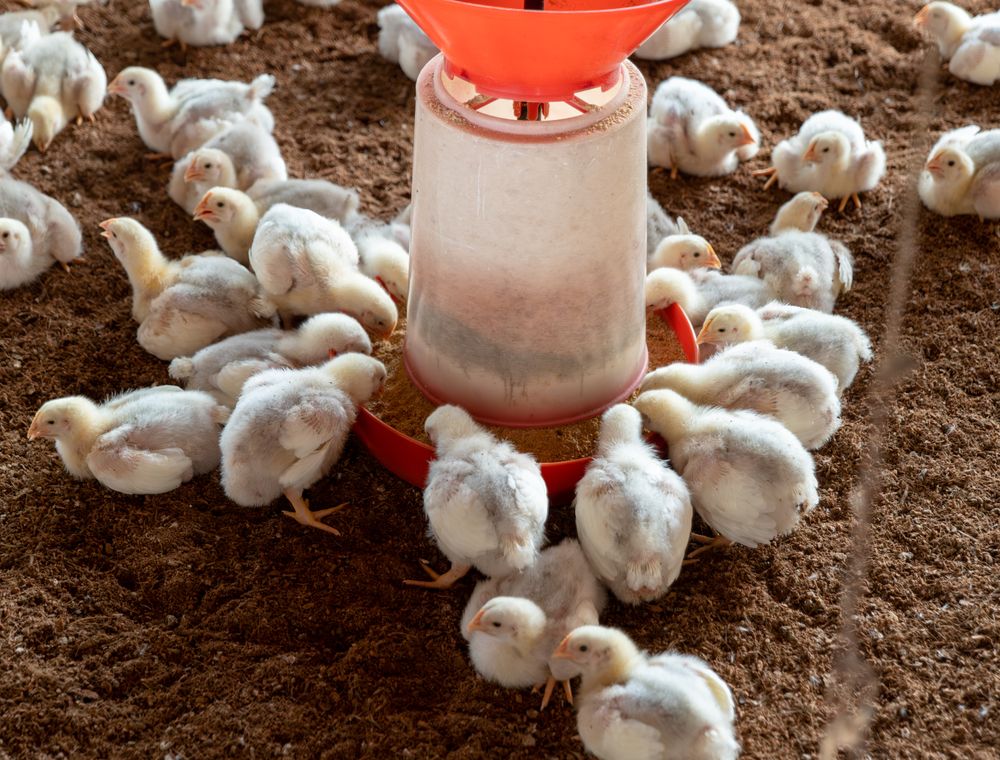
Short answer: Fermented feed is wet mash left to sour for about a day in shade, which lowers the pH and gives birds a sharp, appealing meal. It can lift intake, especially for young birds and in the heat, but the benefit is modest and spoilage is a real risk. Make small batches, judge them by smell and colour, and throw out anything grey, mouldy or rotten.
Key takeaways
- Fermented feed works by souring: lactic acid lowers the pH and keeps many spoilage bacteria out.
- Make a thick porridge, roughly one part water to one part mash, and cover it loosely in shade.
- In the heat, check the batch at 12 hours and judge it by smell, colour and texture.
- Feed within the same day, and clean the bucket and troughs after every batch.
- Throw out grey, mouldy, rotten or fly-blown batches without argument.
What fermenting does to the mash
A bucket of wet feed left in the sun for a day will either turn sour in a useful way or rot in a useless one. The difference is in how you set it up, and the farmers who get good results are the ones who understand why the first step works.
Wet mash carries bacteria, some of them the lactic acid kind that live naturally on grain and in water. Given moisture, a little time and a warm bucket, those bacteria multiply and turn the sugars in the feed into lactic and acetic acid. The pH drops, usually to around 4 or 4.5 in a good batch, and the mash smells sour, a bit like yoghurt. That acid is the reason for the whole exercise. It keeps many spoilage organisms out of the bucket and gives the mash a taste that many birds like.
Research on fermented feed in poultry reports better feed intake, and in some trials better growth and feed efficiency. Other trials show little change. Our honest read is that fermentation helps some flocks, mainly young birds that are slow to eat dry mash and birds in the hot season. It does not turn a poor ration into a good one.
Which ingredients ferment well
Starchy mash ferments best. A layer mash or starter mash based on maize, with soya or groundnut cake and a premix, will sour without much trouble. Medicated feed is a different question. The active ingredient may behave differently in a wet, warm bucket, so ask your vet before you ferment anything with a medicine in it, and do not change the feed of a sick flock without their advice.
Water matters as much as the feed. Use clean water, and boil or treat it if your supply is doubtful, because whatever is in the water goes straight into the bucket. Do not add sugar or molasses to speed things up unless you have a reason. Extra sugar makes the batch ferment faster and harder to control, and in Ghana's heat you already have enough speed. Our home mixing guide explains how to keep a home-mixed ration consistent, which matters just as much here.
Leave out any mash that is already mouldy, damp from the store, or infested with weevils. Fermentation does not clean up a bad ingredient. It multiplies whatever is there.
Making a batch, step by step
Work in the same order every time. The steps look fussy until the first sour batch goes wrong, and then they look sensible.
- Wash the bucket or drum with hot water and a little detergent, rinse well, and let it air dry. Use food-grade plastic with a lid.
- Weigh the mash you plan to use for the day. Weighing beats guessing, because the water ratio depends on the weight.
- Add water at roughly one part water to one part mash by weight, and stir until you have a thick porridge rather than a soup or a crumbly heap.
- Cover the bucket loosely, so gas can escape, and keep flies out with a cloth or fine mesh held down with a weight.
- Put it in shade, away from the sun and away from the house door.
- Check it at the times set out in the next section, stir it, and smell it before you feed it.
- Feed what the birds will clean up the same day. Take leftovers out of the troughs before the next batch goes in.
How long to leave it in Ghana's heat
Time is the part you cannot copy from a book. In the dry season, with afternoons in the thirties and a warm bucket, fermentation can run fast. Many farmers find a batch is ready in about 12 to 24 hours. On the cooler harmattan nights, the same bucket can take a day or more. The honest answer is that you have to watch the batch rather than the clock.
Start by checking at 12 hours. Stir the mash, smell it, and look at the surface. If it smells sour and pleasant, with a few bubbles, you are on track. If it still smells of raw grain, give it a few more hours and check again. Never leave a batch for days in the hope that more time will make it better. It will not. It will make it rot.
In the rains, the store and the air are damp, and mould gets in more easily. Make smaller batches, use them faster, and keep the lid and troughs clean. Smaller batches also mean less ends up in the bin, and a wasted kilo costs you the same whether it was fermented or not.
Reading the smell and the colour
You do not need a laboratory. A good batch smells sharp and clean, like yoghurt or a young beer, with no rotten edge. It looks cream or light brown, may have a few bubbles on top, and the texture is still porridge-like. A bad batch smells of the bin, sulphur, rotten egg or ammonia, looks grey, black or pink in patches, or grows fuzzy mould.
Between the two is a zone where the batch is sour but very sharp, very runny or frothy. That is the zone most farmers get wrong. Feed it quickly, in small amounts, and check the droppings the next day.
If you have pH strips from a shop that sells school chemistry kits, a reading around 4 to 4.5 is what a sound fermented batch aims for. A reading well above that points to a batch that has not soured enough. A reading far below it, with a very sharp smell, points to a batch that has gone too far.
Good, borderline and bad: the quick reference
Print this and pin it by the bucket. It is the difference between a useful feed and a bucket of trouble.
| Sign | Good batch | Borderline, act now | Bad, throw it out |
|---|---|---|---|
| Smell | Sharp, like yoghurt or young beer | Very sharp or vinegary | Rotten egg, sulphur, ammonia or rot |
| Colour | Cream or light brown | Darker, with a sheen | Grey, black, pink or green patches |
| Surface | Smooth, a few bubbles | Frothy, or liquid separating out | Fuzzy mould or visible flies |
| Texture | Thick porridge | Thin soup | Slimy or stringy |
| Use by | Feed within the same day | Feed within a few hours, in small amounts | Do not feed at all |
Which birds gain most from wet feed
Young birds that are slow to eat dry mash often do well on fermented feed. A chick that has just come off a long journey may not have the energy to tackle a dry starter, and a soft, sour porridge gives it an easy first meal. Keep the amount small, watch the droppings, and move the birds onto dry feed as they settle. A chick that only ever eats wet feed will not learn to eat from a normal trough, and you will pay for that later. Chicks on the first days should still get the proper starter described in our chick starter guide.

Layers and growers in the hot season are the other group. When the house is 33 degrees at two in the afternoon, many birds eat less, and the smell and moisture of a fermented batch can coax them back to the trough. The energy in the feed is the same, but the birds eat more of it. That helps in the heat, when intake drops and the flock falls behind.
Birds on dusty mash in the harmattan may also take to wet feed, because it cuts the dust. That is a real benefit, but it is a side benefit, not the main reason to ferment.
Need chicks for your next batch?
Send breed, number and town. We reply with price, hatch date and delivery cost in writing.
What it costs in time, buckets and labour
Fermented feed costs almost nothing in cash, because the feed is the same feed you were already buying. The cost is in the bucket, the lid, the mesh, the scrubbing and the half hour a day it takes to do it properly. On a small farm that is a real cost, and it has to be weighed against what you gain in intake and bird condition.
Here is a worked example with round numbers. A flock of 100 birds eats about 10 kilograms of mash a day. You make a batch of 10 kilograms of mash with 10 litres of water. Mixing, cleaning and feeding take about 15 minutes, and scrubbing the troughs adds another 10 minutes. That is roughly half an hour a day. If it lifts intake by a few per cent in the heat, you have paid for your time with feed you already owned. If it does not, you have spent half an hour a day making sour porridge for nothing.
Test it on one pen first. Keep the other pen on dry feed as the control, weigh both, and count the feed in and out for two weeks. The decision should come from your own birds, not from the enthusiasm of a neighbour.
Hygiene: buckets, troughs and flies
Wet feed attracts flies, rats and mould, and a sour trough becomes a breeding ground for trouble if you let it sit. Wash the bucket after every batch, not once a week. Scrape the troughs daily and remove what the birds did not finish. Birds scratch droppings into wet feed, and a dirty trough can spread disease through a flock faster than a dry one.
Keep the bucket lidded between uses, and keep the lid clean. Stand the bucket on a clean base, off bare ground, and keep rats out of the store where the buckets live. Do not top up old wet feed with a fresh batch. Empty the bucket, clean it, and start again.
If you run several buckets, label them. Mixing yesterday's batch into today's makes it hard to know which one went wrong when a bird gets sick. Good records are the cheapest diagnostic you have, and our record-keeping guide shows how to keep them without spending your evenings on paperwork. If the batch is going into the trough at the same time as drinkers are being checked, our water management guide covers the other half of the job.
Mistakes we see with wet feed
The first mistake is making too much. A bucket that holds two days' feed will be past its best by the second morning, and the birds will leave the sour part in the trough. Make what the flock will eat within the day, and no more.
The second is letting the trough fill up overnight. Wet feed left in a trough at dusk is a meal for rats and a risk for the birds in the morning. Take it out before the lights go off.
The third is switching in one go. Moving a flock from dry mash to wet feed overnight can upset the gut and cut intake for days. Change over across a week, and mix the two feeds at first so the birds learn the new texture. The drinker side matters during a switch too, so check that your drinkers are delivering enough water as intake changes.
The fourth is blaming the feed for a disease. A bird with diarrhoea or a drop in lay needs a look from your vet, not a change of bucket. Fermentation is a feeding method, and it cannot fix a sick flock.
A checklist for your first week
Run one pen on wet feed for a week, with a control pen on dry mash, and tick these off each day.
- The bucket is clean, lidded, and standing off the ground.
- The water is clean, and the ratio is about one part water to one part mash by weight.
- The batch is checked at 12 hours and smelled before it goes in the trough.
- The troughs are emptied and scraped before the next batch.
- Droppings and appetite are noted in the record.
- Weight and feed used are compared with the control pen at the end of the week.
- A decision is made: keep, adjust or stop, based on the numbers.
If you are still choosing the birds for the trial, our layer chicks and broiler chicks pages set out what you can start with, and you can order here.
Questions farmers ask
Is fermented feed safe for day-old chicks?
It can be, in small amounts, once chicks are eating and drinking well on a proper starter. Do not use it as their only feed in the first days. Chicks need reliable intake and clean water first. Keep batches small and fresh, and watch the droppings. Loose, watery droppings or chicks that stop eating are a reason to stop and call your vet, not a reason to make a stronger batch.
How much water should I add?
Roughly one part water to one part mash by weight, stirred to a thick porridge. Too little water and the mash will not sour evenly. Too much and it turns into soup that sours too fast and sits in the trough. Adjust a little by feel, but write the ratio on your record so you can repeat a good batch.
Can I ferment medicated feed?
Ask your vet first. A medicine in the feed may not behave the same way in a wet, warm bucket, and it may not be taken at the level the label expects. Do not change the feed of a sick flock on your own. If your vet agrees, keep the batch small, use it fast, and follow the withdrawal advice exactly as they give it.
Does fermented feed kill salmonella and other germs?
Some trials report lower counts of certain bacteria in fermented feed, because the acid works against them. It is not a disinfectant, though, and it does not replace vaccination, biosecurity or clean water. Feed that is contaminated before it goes into the bucket stays contaminated. Clean ingredients and clean equipment matter more than the acid, and our <a href="/faq/">frequently asked questions</a> cover the basics of keeping a flock healthy.
Will fermented feed save me money?
Not on its own. The feed costs the same as the dry mash you were buying. The saving only appears if the birds eat more, grow better or lay better in a way you can measure. Test it on one pen, keep the other on dry feed, and compare weight gain and feed used over two weeks. The numbers will tell you more than any sales talk.
Why are my birds refusing the wet feed?
Usually the batch has gone too sour, too far, or has been left out too long. Birds also refuse feed fouled with droppings or feed that smells off to them. Smell the batch yourself, check the trough, and clear out the old feed. If they still refuse a fresh, good batch, check water, heat and health before you blame the feed.
What do I do with leftover fermented feed?
Do not put it back in the bucket. Remove what the birds have not eaten by the next morning and throw it away, or compost it well away from the house and water. Leftover wet feed draws flies and rats. A smaller batch the next day costs far less than a bin full of sour waste.


