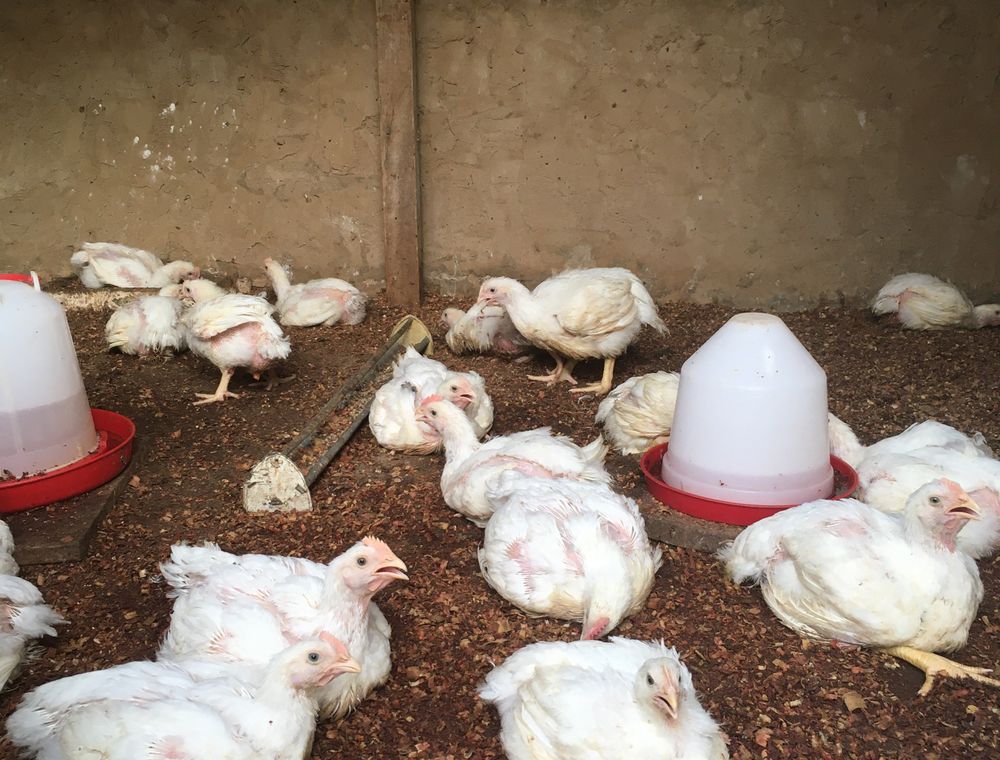
Short answer: Chick starter is the high-protein crumble or mash that day-old chicks eat for their first few weeks, usually around 20 to 23 per cent crude protein for meat birds and 18 to 20 per cent for layer-type chicks. Plan roughly 0.5 kg of starter per meat chick to two weeks, and about 1.3 to 1.6 kg per layer chick to six weeks. Switch phase when the weigh-in says so, not when the bag says so.
Key takeaways
- Starter builds the frame of the bird, so cutting its protein to save money costs weight later.
- Meat-chick starter usually runs 20 to 23 per cent crude protein; layer-type chick starter sits lower, around 18 to 20 per cent.
- Use crumble or fine mash that a day-old chick can pick up. Pellets come later.
- Switch phase by weight first and age second, and change the feed over several days.
- Buy only what you can use within two to three weeks, and keep the bags dry and off the floor.
What starter does that no other feed does
Starter is the feed a chick eats while its frame, feathers and gut are being built. A meat chick can roughly double its weight every few days in the first weeks, and the protein in the ration has to supply the building blocks for that growth. A starter that is short of protein does not show the damage on day five. It shows up on day fourteen, when the flock looks even and the average weight is simply lower than your buyer expects.
A good share of the calls we take come from farmers who moved their chicks onto a cheaper, lower-protein feed early. It looks sensible on the invoice and fails on the scale. The birds eat more to make up the gap, feed conversion gets worse, and by the time the mistake is obvious you have paid for two weeks of feed that did not build much meat.
Starter is also where the chicks learn to eat. A cold chick eats less, so keep the brooder warm too, as our brooder temperature chart explains. Its particle size, smell and texture decide how quickly the flock finds the trough. A chick that does not find its feed loses time, and time in the first two weeks is the most expensive time on the farm.
If you are still choosing between breeds, the meat-chick page and the layer-chick page cover what each group needs, and the starter you buy should match the group you bought.
Protein: the number on the bag to check first
Crude protein is the figure on the label that tells you how much of the feed is protein, and in the first weeks it is the number to check before anything else. The usual ranges are a fair guide. A meat-bird starter commonly sits around 20 to 23 per cent crude protein. A layer-type chick starter is usually lower, around 18 to 20 per cent, because those chicks are not being pushed for muscle the way a broiler is.
Protein is not the whole story. Energy, amino acids, calcium, phosphorus and vitamins all matter, and a good mill balances them. But the protein number is the easiest to see and the easiest to compare between bags. If a bag does not state its crude protein, ask the seller for the analysis before you pay, and walk away if they cannot give it.
In Ghana, soya and fishmeal are the usual protein sources, and their prices move with the market. A mill that quietly cuts protein to hold a price is cutting growth, and the savings disappear in the weights. Ask for the price per bag and the protein percentage together, then compare once both answers are on the table.
Crumble, mash or pellet for the first week
A day-old chick needs a feed it can pick up and swallow without effort. Crumble, which is pellet broken into small particles, is the standard choice for meat chicks. It is dense enough to draw pecking and fine enough to eat. Mash works too, and some layer keepers prefer it for the first weeks because it is cheaper and the chicks take to its texture. The problem with mash is dust. Dust in a brooder carries respiratory trouble and wastes feed, so keep the mash on the damp side of dry, not floury.
Pellets are for later. Cockerels raised for the Christmas trade, covered in our cockerel farming guide, follow the same logic. A chick raised on crumble and moved to larger pellets too early will often pick out the fines and leave the rest, and that sorting wastes money. Change the form when the birds are big enough to handle it, and when the sorting stops, not on a set date on the calendar.
How much a chick eats, and how to plan for it
If you are still choosing the breed, the breeds page compares the options side by side. Intake depends on breed, temperature, water and how much the chicks waste. The figures below are planning numbers for a batch on a sound brooder, not promises. Your breed's guide and your own weekly weigh-ins should replace them as you learn your flock.
| Chick type | Starter until | Typical protein | Feed per bird before switching | What decides the switch |
|---|---|---|---|---|
| Meat chick (broiler type) | About 2 weeks | 20 to 23% | About 0.5 kg | Weight against target, usually days 14 to 21 |
| Layer-type pullet chick | About 6 weeks | 18 to 20% | About 1.3 to 1.6 kg | Age and weight against the breed guide |
| Dual-purpose or cockerel-type chick | About 4 to 6 weeks | 18 to 20% | About 0.9 to 1.2 kg | Weight, because growth is slower |
The layer row is where most budgets go wrong. A pullet chick eats more in its first six weeks than most keepers expect, and the total is much larger than the first bag suggests. Here is the week-by-week shape for 100 layer-type chicks on a steady brooder. The daily figures per bird are typical intake for each age, and the weekly totals follow from them.
| Week | Feed per chick per day (g) | Feed for 100 chicks this week (kg) | Running total (kg) |
|---|---|---|---|
| 1 | 12 | 8.4 | 8.4 |
| 2 | 20 | 14.0 | 22.4 |
| 3 | 30 | 21.0 | 43.4 |
| 4 | 38 | 26.6 | 70.0 |
| 5 | 45 | 31.5 | 101.5 |
| 6 | 52 | 36.4 | 137.9 |
So a hundred layer-type chicks eat roughly 138 kilograms of starter to six weeks, which works out at about 1.4 kilograms each. Add 10 per cent for spillage and for the bag that gets damp and has to be thrown away, and you are near 150 kilograms. Put that figure into your budget before you buy the first bag, not after.
Switching phase by weight first, age second
Feed bags are labelled by age, but chicks do not read labels. The starter-to-grower switch should follow the flock's weight against the target for its breed, with age as a rough guide only. Weigh ten birds chosen at random each week. If the average is on or above target, you can move to grower on schedule. If it is behind, stay on starter for a few more days, and look at water, heat and health before you blame the feed.
On a meat-chick batch the switch usually falls in the second or third week. On a layer pullet it comes later and is tied to the grower phase, with the layer ration arriving near the end of the rearing period. Do not change feed on a bad day, such as when birds are sick or the house has just been through a heat spell. Change it when the flock is steady, so you can tell whether the new feed is helping.
Our broiler feeding schedule sets out the week-by-week plan for meat birds, and the layer feeding guide covers the rearing and lay phases for laying flocks.
Watch for sorting, and change feed without a dip
Sorting is the clearest sign that a chick is either ready for a new feed or not getting the one it has. Look in the trough. If the chicks have left the crumbs and are picking out the fine dust, the feed is probably too fine for them. If they are leaving the fine material and eating only the larger pieces, the feed may be too coarse. Adjust the form or the depth of the trough before you change the phase.
Our first 48 hours guide covers the first feed trays, which is where the sorting habit starts. When you do change feed, blend it in the feeder rather than in the bag, and give the flock a day or two to meet the new feed. Pour a little new feed over the old, let the chicks find it, then increase the share as they settle. If the flock slows in the first two days after a change, go back to the old feed for a day and try again more slowly.
Need chicks for your next batch?
Send breed, number and town. We reply with price, hatch date and delivery cost in writing.
Buying and storing starter in Ghana's humidity
Starter goes off faster than most farmers expect. In the rains, and on humid harmattan mornings, a bag left on a damp floor for two weeks can smell sour and grow mould. Mould means toxins, and the worst of them are not visible. Our FAQ page covers the common storage questions as well. Buy only as much starter as you will use in two to three weeks, and keep it on a raised pallet, away from the wall and out of the sun.
When a bag arrives, check the production or batch date, smell the feed and look for clumps, grey patches, insects and webbing. Feed that smells musty or looks damp does not go to the chicks, however cheap it was. Keep bags closed between uses, and use the oldest bag first. If you ever mix your own ration, the feed formulation basics article shows how the protein figures are built up from ingredients.
Mistakes that cost weight in the first weeks
- Cutting protein to save money, then wondering why the flock is light at week three.
- Putting pellets in the trough on day three because the bag says "grower" on the front.
- Filling the trough too full, so the chicks waste feed by scratching it onto the litter.
- Leaving the trough empty overnight during a cold spell, then finding the chicks have slowed down.
- Buying a six-week supply in the rainy season and stacking it on the floor.
- Changing phase on a calendar date while the average weight is behind the target.
A starter buying checklist
- Read the crude protein on the label, or ask for the analysis before you pay.
- Confirm the form: crumble for meat chicks, mash or crumble for layer chicks, and no large pellets.
- Check the production or batch date, and buy only what you can use in two to three weeks.
- Smell the bag and look for damp patches, clumps, mould, insects or webbing.
- Work out the planned intake from the table above, add 10 per cent for waste, and check the total against your budget.
- Write the bag date and lot number on your record, so you can trace any problem later.
- Keep the feed off the floor and out of the sun until the day it goes into the trough.
If you want a second opinion on the mix for your flock, WhatsApp is the fastest way to reach us, on +233 24 915 1503. We can tell you what the chicks we dispatched are used to eating in the first days, which helps you avoid a sudden change in the first week. Ready to order? The order form is the quickest route, and you get the price in writing before any payment.
Questions farmers ask
How much protein should chick starter have in Ghana?
For meat chicks, look for a starter at roughly 20 to 23 per cent crude protein. Layer-type chick starter is usually lower, around 18 to 20 per cent. Always check the crude protein on the label, or ask the seller for the analysis before you buy, because the figure is the easiest way to compare bags.
Can I use layer starter for broiler chicks?
It is better not to. Meat chicks grow fast and need more protein in the early weeks than layer-type chicks do. A layer starter may keep them alive, but it often leaves them light at two or three weeks. Use a meat-chick starter for broilers and a layer-type starter for pullets.
How much starter does a day-old chick eat?
A meat chick eats roughly 0.5 kg of starter to about two weeks. A layer-type pullet chick eats around 1.3 to 1.6 kg to six weeks. These are planning figures, and your own feed records and breed guide should replace them. Add about 10 per cent to your order for waste and damp bags.
When should I switch chicks from starter to grower?
Switch when the flock is steady and the average weight is on or above the target for its breed, not on a fixed calendar date. Meat chicks usually move in the second or third week, and layer pullets later. Change the feed over several days so the birds can adjust.
Why are my chicks picking out the crumbs?
Sorting usually means the feed is the wrong particle size for the age of the chicks. If they leave the fine dust, the crumble may be too coarse. If they leave the larger pieces, it may be too fine. Adjust the form or the depth of the trough, and check the feed is fresh.
How long can I store starter feed?
Keep starter for no longer than two to three weeks, on a raised pallet, out of the sun and away from damp walls. In the rains and humid harmattan mornings, mould can start within days if bags are left open or on a wet floor. Throw away any feed that smells sour or looks mouldy.
Is mash or crumble better for chicks?
For meat chicks, crumble is the usual choice because it is dense and easy to pick up. Mash is cheaper and some layer keepers prefer it, but it dusts more and wastes more if it gets wet. Pick the form that the chicks eat cleanly, and change it only when sorting stops.


