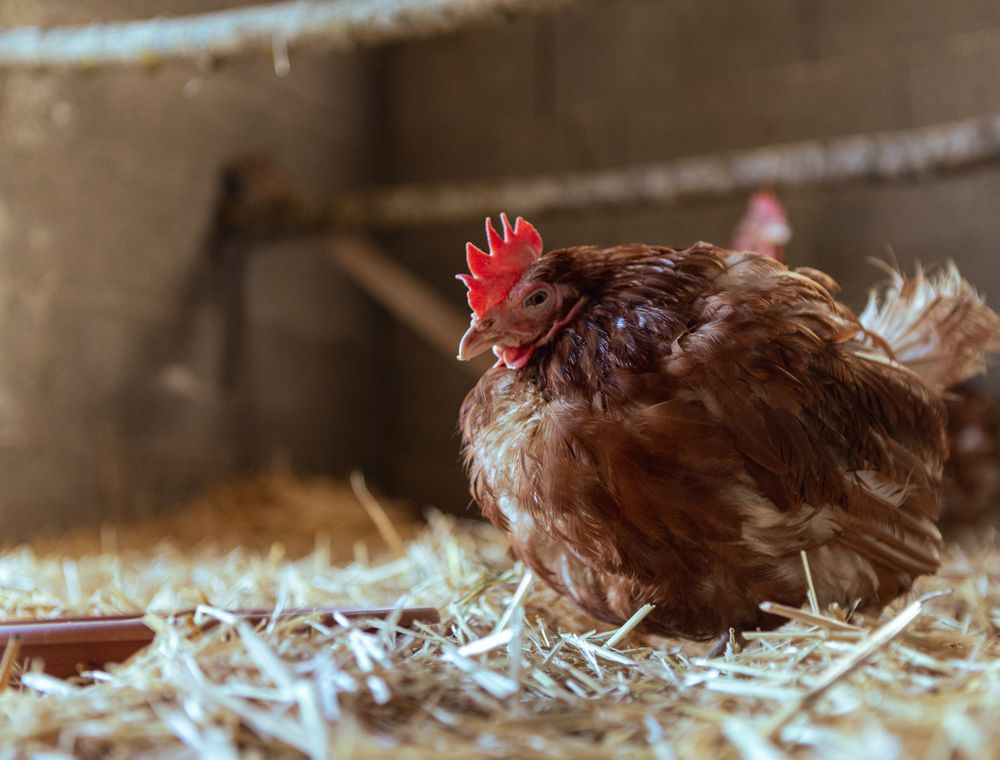
Short answer: Infectious coryza is a bacterial respiratory disease that gives birds a swollen face, watery eyes, nasal discharge and a sour, foul smell. It spreads through direct contact with infected birds and through mixed-age flocks and stress, and it can cut egg output sharply in layers. Isolate sick birds, keep flocks age-matched, and follow your vet's advice on diagnosis, any treatment and any vaccination plan.
Key takeaways
- The swollen face and foul smell are the signs that set coryza apart from many other problems.
- Mixing birds of different ages in one house is one of the fastest ways to bring it in.
- Layers often drop egg output before the birds look seriously ill, so watch the tray each morning.
- Keep sick birds separate, but do not try to fix the flock with medicines you have not discussed with your vet.
- Clean water, dry litter and a strict rule on new birds do more than any single product.
What coryza is and why the face gives it away
Infectious coryza is caused by the bacterium Avibacterium paragallinarum. It attacks the upper airway, the sinuses and the eyes. The name comes from the discharge that runs from the nostrils, but most farmers remember it for the swelling. One side of the face or both sides puff up under the eyes, and the bird looks as if it has been stung.
We first learned to take this seriously from farmers who call us about a bird with a swollen face and a smell they cannot describe. The smell is important. Many coryza outbreaks have a sour, fishy or rotten odour that you notice when you walk into the house, even before you find the sick birds.
It is not usually a single-bird problem. Once one bird in a mixed flock shows the signs, the others are often carrying the bacteria, and the disease moves through the house over days or weeks.
The signs, in the order you are likely to see them
Coryza tends to start quietly. The first thing many farmers notice is a small drop in egg count or a bird that stays on the perch longer than usual. Then the signs build:
- Watery discharge from the eyes and nose, sometimes with sneezing or head shaking.
- Swelling below the eye, which can spread to the cheek and the wattle.
- Thick, sticky, sometimes foul-smelling discharge that crusts around the nostrils and beak.
- Reduced appetite, slower growth in young birds and a rise in the number of birds that stand apart.
- In layers, a noticeable drop in egg production and sometimes softer or misshapen eggs.
A bird with a swollen face and a bad smell is almost always worth a closer look, and a vet can confirm whether it is coryza or something else. Do not rely on the smell alone, because a bird with a bacterial infection or a crusted eye can smell similar.
How it moves through a house
Coryza spreads mainly through direct contact with infected birds and their discharge. A bird that has recovered can stay a carrier for some time, and new birds brought into the flock can carry the bacteria without showing signs. That is why we tell customers that coryza is a disease of movement: birds going in, birds going out, and people and equipment moving between houses.
Four things make it spread faster on Ghanaian farms:
- Mixed ages. A pullet house with older hens, or a broiler house with birds from two different hatches, gives the bacteria a host at every stage.
- Stress. Crowding, heat, a sudden change of feed and rough handling all lower resistance.
- Poor ventilation. Ammonia from wet litter irritates the airway and makes birds more susceptible.
- Shared equipment. Feeders, drinkers, crates and trays that move between houses without cleaning.
In the dry season, dust carries the problem. In the rains, damp litter and humid air keep the bacteria alive for longer in the house. Neither season is safe if the routine is loose.
Why layers feel it first
If you keep layers, you will usually see the problem in the egg tray before you see it on the bird. Egg count drops by a few per cent, then more, and the eggs may come out with thinner shells. Farmers often blame the feed, the heat or a bad week, and they only realise coryza is involved when the swollen faces start.
This is the main reason a good egg record matters. A simple daily count, kept on paper or in a notebook, lets you see the drop early. Our record-keeping guide shows the columns we suggest, and the same sheet tells you when a pen is behaving differently from the others.
Layers that have already been through a drop in production may take weeks to recover, even after the signs clear. Plan for that in your egg sales, and do not restock the house before your vet has looked at the flock.
Coryza, cold, or something else: a quick comparison
Respiratory signs overlap a lot. Use this table to decide what to tell the vet, not as a diagnosis.
| Sign | Points towards coryza | Points elsewhere |
|---|---|---|
| Swollen face under the eye | Swelling is one-sided or both sides, with a foul smell | Fowl pox, eye infection, injury |
| Discharge from nose and eyes | Thick, sticky and smelly, with crusting | Simple cold: clear, runny, no smell |
| Egg drop in layers | Fall in count with some soft eggs and birds with faces | Heat, feed change, lighting, moult |
| Coughing and gasping | Breathing noise is less prominent than the face signs | Infectious bronchitis, CRD, ammonia |
| Deaths | Few deaths, weak birds lagging behind | Sudden deaths point to a more serious problem |
If the picture is unclear, the honest answer is to get the vet to look at a live bird and, where possible, a fresh dead one. Do not treat a guess as a diagnosis.
Isolating sick birds without making things worse
When you see the first swollen face, the instinct is to pull the bird out and carry on. That is a good start, but there is a right way and a wrong way to do it.
- Move the sick bird to a separate pen or coop, with its own feeder and drinker. Keep it upwind of the main house if you can.
- Wash your hands and change boots before touching the healthy birds again.
- Do not share buckets, scoops or egg trays between the sick pen and the main house.
- Keep a note of which birds were isolated and when, so you can track whether the problem is spreading.
- If a sick bird does not improve, or more birds show the signs, call your vet.
Isolation is a holding step. It does not cure the flock, and it can fail if the same person walks between the pens without changing anything. Follow your vet's advice on what happens to isolated birds next.
Vaccination as one part of the plan
Vaccines against coryza are available and are used in some flocks, particularly layers and breeders in areas where the disease has been diagnosed. Whether your flock needs one, and when, depends on your vet's assessment of your birds and your local history.
As a typical example only, a layer flock might be given a first dose in the pullet stage and a booster before the birds reach point of lay, with the exact timing set by the vet and the product label. Treat that as a picture of how a schedule can look, not as a schedule for your flock. Follow your vet's advice on every dose, including the age and the interval.
Vaccination helps most when the house is already clean and the birds are age-matched. A vaccine cannot make up for mixed flocks, wet litter or water that smells. Think of it as one line of defence among several.
Water and air: the two things we check first
Most coryza problems we hear about start in the water or the air. Birds drink more in the heat, and a drinker that sits in spilled water, grows slime, or has not been cleaned in a week becomes a shared source of bacteria. Empty and scrub the drinkers at least weekly, and daily if the water looks cloudy.
Air quality is the other side. If you can smell ammonia when you enter the house, the birds are breathing it too. Open the side curtains in the morning, lift the wet litter, and move drinkers so that spills do not sit under them. Our coccidiosis article goes into litter in more detail, because wet litter is the common thread across many of these problems.
Need chicks for your next batch?
Send breed, number and town. We reply with price, hatch date and delivery cost in writing.
The rule about new birds
Every time we speak to a farmer who has had a coryza outbreak, the same question comes up: where did it come from? Usually the answer is a bird that joined the flock without a quarantine period, or a batch of mixed ages added to an older house.
Our advice is simple. Keep new birds apart for a few weeks, watch them for signs, and only then let them mix. Buy from sources you trust, ask for the vaccination record, and do not pick up birds from a market and put them in with a healthy flock on the same day. If you are planning a layer house, our layer day-old chicks page explains how we set up orders so that a whole house arrives together.
A coryza prevention checklist for every house
Use this list every week, and tick off each item in the house before you close the door.
- Keep flocks age-matched, and separate pullets from layers and broilers from older birds.
- Check every bird each morning for swollen faces, watery eyes and bad smells.
- Clean and disinfect drinkers and feeders weekly, daily if the water is cloudy.
- Keep litter dry and move drinkers so spills do not sit under them.
- Open curtains in the morning and check for ammonia at bird height.
- Isolate any bird that looks unwell, with its own equipment.
- Quarantine new birds before they join the main flock.
- Record egg counts or mortality every day and compare with the previous week.
- Follow your vet's advice on the vaccine schedule and keep the record up to date.
What we do on our side of the business
We hatch and dispatch day-old chicks at our hatchery in Opeikuma, Kasoa, and we are careful about the chicks we send out. Every chick is vaccinated at the hatchery, and we provide a batch record so that the farm knows what the birds have already received. That record does not protect a flock from a bad house, but it gives your vet a clear starting point.
When farmers ask us how to stop coryza, we send them back to the basics: age-matched flocks, clean water, dry litter and a quarantine for new birds. Those are habits, not purchases, and they are the ones that hold up over years. If you are weighing up which breed to keep, our breeds page lists what we hatch and what suits different systems. For the broader picture of what we supply, start with our day-old chicks overview.
Keeping swollen heads out of your flock
Infectious coryza is preventable in most farms. It needs a few things to take hold: birds that are mixed in age, stress, poor air, dirty water and new birds that arrive without a pause. Remove those and the bacteria have far less to work with.
If you are planning a new flock, check our current price guide, look at how delivery works to other regions, and speak to us on WhatsApp at +233 24 915 1503 about the house and the numbers. When you are ready to order, you can use the order form, and we will confirm the price in writing before any payment.
Questions farmers ask
What does infectious coryza look like in chickens?
The most recognisable sign is a swollen face, usually under the eye, with watery eyes and a sticky nasal discharge. Many farms also notice a foul, sour smell in the house. Egg production can drop in layers, and young birds may grow more slowly. A vet should confirm the diagnosis.
How is coryza different from a simple cold?
A cold usually gives clear, runny discharge without a bad smell or much swelling. Coryza tends to produce thicker, smelly discharge, a swollen face and a bigger drop in egg output. The two can look alike at first, so ask your vet to examine a live bird before deciding.
Can coryza come in with new birds?
Yes. Birds can carry the bacteria without showing signs, so new birds can bring the disease into a healthy flock. Quarantine new birds for a few weeks, watch them closely, and only let them mix once your vet is satisfied. Do not add birds straight from a market.
Will the sick birds recover on their own?
Some birds recover, but others stay sick or become carriers. Recovery is not the same as clearing the flock. Follow your vet's advice on whether to keep recovered birds, how long to isolate them and whether a further check is needed.
Does vaccination stop coryza completely?
Vaccination can reduce the risk and the severity of disease, particularly in layers and breeders, but it is not a complete guarantee. It works best in a clean, well-ventilated house with age-matched birds. Ask your vet whether a vaccine suits your flock and when to give it.
Why does the egg count drop so much in coryza?
Respiratory infections cause stress and inflammation, and the hen's body diverts energy from laying to fighting the infection. Egg production can fall sharply and take weeks to recover. A daily egg count is the easiest way to notice the drop early.
Can I use a medicine from the shop?
Do not give any medicine without your vet's advice. Some products treat the wrong thing, some mask the signs and delay diagnosis, and some used without a proper plan can cause problems later. Your vet can tell you whether treatment is needed and what is suitable for your flock.


