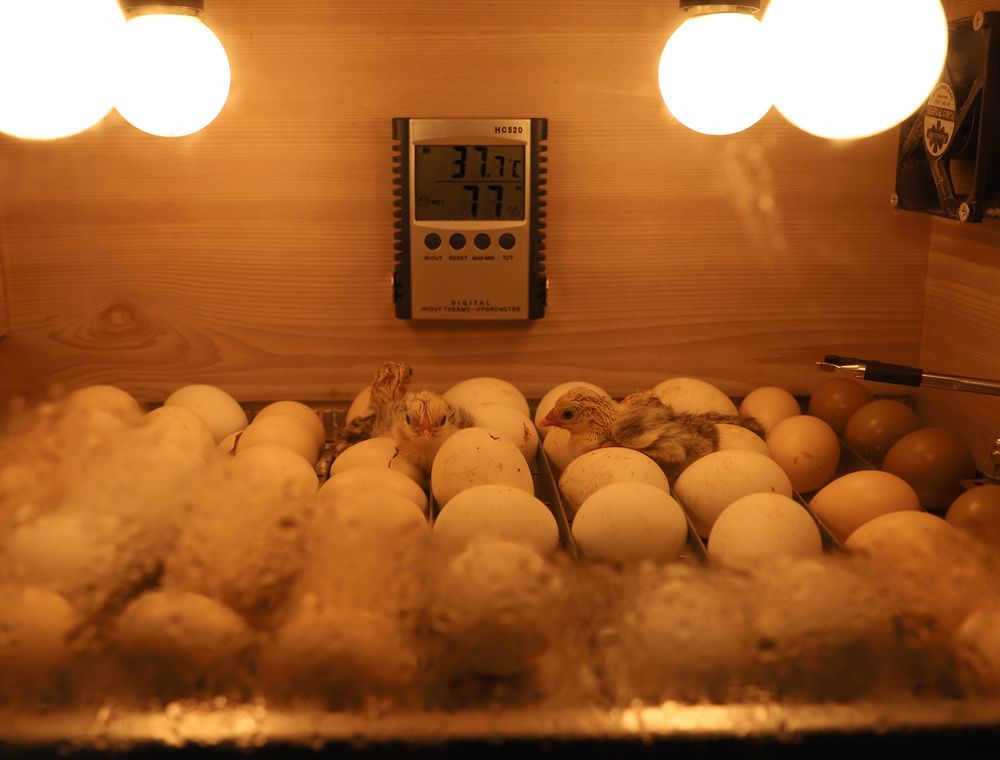
Short answer: Candle at day 7, day 14 and day 18, and each check answers a different question. Day 7 separates clears and early deaths from live embryos. Day 14 confirms development and catches late deaths. Day 18 checks the air cell and position before lockdown. Remove clears and dead eggs promptly, mark air cells, and keep a count for every check.
Key takeaways
- Candle three times, and let each check answer one question: fertile or clear, developing or dead, and ready for lockdown.
- Keep the candling room dark and the session short, and return eggs to the incubator quickly to protect the temperature.
- Remove clears and dead eggs promptly, bag them carefully, and keep them away from the live set and from animals.
- Mark the air cell end of each egg on day 18 so you can keep the orientation right at transfer and hatch.
- Record a count at every candling, because the numbers show where the set went wrong.
- When in doubt about a borderline egg, mark it and check it again at the next candling rather than discarding it on a guess.
Three candlings, three different questions
Candling is the simplest way to see inside an egg without breaking it. A bright light held behind the shell shows the blood vessels, the embryo, the yolk and the air cell, and it lets you sort the set into groups before the hatch. Many farmers candle once and then forget about it, which wastes most of the information the eggs can give. Three checks, at about day 7, day 14 and day 18, answer three different questions, and each one needs a different kind of attention.
At day 7, the question is whether the egg is fertile at all, and whether the embryo has started to develop and then stopped. At day 14, the question is whether the embryo is still growing well, and whether any egg has died in the middle of the set. At day 18, the question is whether the air cell is correct and the egg is ready to move into lockdown. Keep those three questions in mind, and the candling session becomes a quick decision rather than a guessing game.
The exact days depend on the species and the set, and the poultry calculators page lists the planning tools that help you set the dates, and some farmers check a little earlier or later. For chicken eggs, the three points above are a sound working plan. Write the planned days on the machine or in your log so that you do not forget a check during a busy week.
A candler that shows the detail and a routine that stays short
A simple candler is a box or cone with a strong light inside and a small opening for the egg. A torch works too, if you can hold the egg steadily against it in a dark room. What matters is that the light is bright enough to show the vessels and the air cell, but not so hot that it warms the egg. LED candlers run cool and are easy to clean, which is an advantage in a dusty Ghanaian store.
Work in a dark room, away from windows and direct sun. Light from outside makes shadows hard to read. Wipe each egg with a dry cloth before you hold it up, because dust and dirt on the shell scatter the light and make the inside look cloudy. Hold the egg for a few seconds, decide, and move on. The whole session for a tray of 30 eggs should take a few minutes, not an hour.
Keep the eggs out of the incubator only for as long as the check takes. Set the tray on a clean surface, candle it in batches, and return the eggs promptly. Cold air or a long wait in a hot room changes the temperature of the eggs, and a set that is repeatedly chilled can lose ground even when the machine itself is working well.
Day 7: spotting clears and early deaths
At day 7 a fertile egg should show a network of fine blood vessels spreading out from a dark centre, the embryo, which sits on the yolk. The vessels look like a web of thread on a bright background. A clear egg is different: the yolk shows as a faint round shape with no network of vessels, and the egg looks bright and empty around it. These clear eggs were never fertile, or the fertility was lost before the set began, and they should be removed.
An early death looks different again. You may see a ring of blood around the embryo, sometimes called a blood ring, or a dark spot that has stopped growing. The vessels may be faint or broken, and the egg may look cloudy or patchy. These eggs were fertile but the embryo died in the first week. Remove them too, because a dead egg left in the set can burst, and the smell and the bacteria can spread to the eggs around it.
Some eggs at day 7 are hard to read. A weak embryo may show vessels that are patchy, and a shadow from a shell mark may look like a spot. When you are not sure, mark the egg lightly and check it again at the next candling. A careful second look is better than a rushed decision made on a poor light. Count the clears and early deaths, and write the numbers down before you remove them.
Day 14: the dark egg and the sunken shadow
By day 14 the embryo has grown a great deal, and most of the egg interior looks dark. A living embryo fills much of the space, and only a small part of the yolk and the air cell remains bright. That makes the candling harder, and it is the reason many farmers find day 14 more difficult than day 7. Look for a dark shape that is consistent with a developing chick, with vessels visible around its edge. A healthy embryo at this stage looks solid and full.
A dead embryo at day 14 often looks different. The dark mass may have shifted or sunk, the vessels may have disappeared, and the egg may look uneven or patchy rather than evenly dark. Some dead eggs show a clear band where the blood has settled. Movement can be a helpful sign in a live embryo, but it is not reliable in every egg, and a still egg is not always dead. Use the whole picture: shape, colour, vessels and position together.
Remove the clear eggs that remain, and the dead ones you can identify with confidence. Keep any uncertain eggs in the set, mark them, and check them again at day 18. A dead egg removed early is one less source of contamination in the set, so err on the side of removal when the evidence is clear.
Day 18: air cell, position and the last cull before lockdown
Day 18 is the last candling before lockdown, the point where most farms stop turning the eggs and move them to a hatcher or a stable hatch tray. The air cell is the main thing to check. It should be a clear, defined pocket at the blunt end of the egg, with a flat or gently curved top. An air cell that is far too large or has a ragged, uneven edge tells you the set was too dry, and the same check helps you see whether the embryo is in a good position.
Look at the embryo as well. At day 18 the chick should be well developed, and the egg should be dark with a clear shape inside. Eggs that look clear, or that show a dark shape that is shifted, broken or patchy, should be removed. Do not waste time on eggs that show a clear sign of death. If you want to check your planned lockdown date against the set, the egg incubation calculator gives you the day-by-day schedule. Each dead egg in the hatcher can affect the eggs around it, so the cull at day 18 protects the hatch that follows.
Be careful with eggs that appear cracked or that have a damaged shell. A crack that lets air in can change the air cell and make the candling misleading. Mark any cracked egg and decide whether it should stay in the set based on your records, the rest of the batch and the advice you have from an experienced operator. In most cases, a cracked egg is better removed than kept.
Removing clears and dead eggs without spreading a bad smell
A dead egg can burst if you move it roughly, and a burst egg releases a smell that is hard to forget. Handle every egg you remove gently, with a clean hand or a clean cloth, and place it in a sealed bag or a bowl with a lid. Do not drop it into a bin in the house, and do not leave it on the work bench while you finish the rest of the session. Clean the bench and the candler after each batch, so bacteria do not transfer to the next egg.
Dispose of dead eggs in a way that keeps dogs, cats, rats and other animals away from them. Burying them deep enough, or burning them where it is safe and legal, are common approaches on small farms. Wash your hands thoroughly after handling dead eggs, and keep the clear eggs separate from the dead ones so that you do not confuse the two in your records.
Clear eggs can be handled more casually than dead ones, but they still need care. Some farmers sell clear eggs as table eggs, which is not a good idea, because the eggs may have been stored or handled in a way that makes them unsafe. Treat clears as waste unless you have a clear, proven use for them that does not put people at risk. If you are unsure, ask the local food safety office or a vet what is appropriate in your area. Common questions about handling and ordering are answered on the FAQ page.
Marking air cells so turning and transfer stay right
On day 18, mark the air cell end of each egg with a soft pencil. A simple dot or a short line on the shell, placed at the blunt end, tells you which way is up. This matters for two reasons. The first is that eggs moved to a hatcher need to sit the right way up, and a mark makes that easy to check. The second is that eggs with a mark can be checked later, if you need to look at a dead chick and see how it lay in the shell.

Use one mark for the air cell and a different one for other notes, such as a shell defect or an egg you want to recheck. Keep the marks light and simple, and avoid writing so heavily that the ink soaks through or rubs off in the humidity. A small grid on the tray, with each position numbered, helps you link a mark to a record.
Do not rely on memory when you move trays. Trays are easy to bump, and an unmarked egg can end up upside down in a hatch if you are working quickly. The marks take a few seconds per egg, and they save a lot of trouble when the chicks start to pip.
Need chicks for your next batch?
Send breed, number and town. We reply with price, hatch date and delivery cost in writing.
What a candling record should show at each check
A candling record turns a set of impressions into information you can use. At each check, write down the date, the day of incubation, the number of eggs in the set, the number of clears, the number of early or late deaths, and any eggs you are unsure about. The table below sets out what each check should answer and what you do with the result. Keep the table in your log, and add the numbers after every session.
| Check | What you look for | What you record | Typical action |
|---|---|---|---|
| Day 7 | Clear yolk with no vessels; blood ring or dead spot; healthy network of vessels | Clears, early deaths, uncertain eggs | Remove clears and dead eggs; mark uncertain eggs for recheck |
| Day 14 | Dark developing embryo with vessels; sunken or patchy dead eggs | Late deaths, uncertain eggs, any cracks | Remove clear and dead eggs; keep uncertain eggs marked |
| Day 18 | Air cell size and shape; embryo position; shell cracks | Air cell faults, dead eggs, cracked shells | Mark air cell end; remove dead and cracked eggs; transfer the rest |
Over several sets, the record shows where the trouble lies. A high number of clears at day 7 points to fertility or storage problems in the parent flock or the eggs. A cluster of late deaths at day 14 can point to temperature drift or humidity problems. A ragged set of air cells at day 18 usually means the moisture was off during the set. You can work through those patterns with the egg incubation calculator, which helps you plan the days and the hatch window.
When a weak set leaves a gap in your plans, you can order ready birds from our day-old chicks in Ghana range while you work out the cause. The delivery page explains how the cost is quoted.Ghana conditions: power cuts, harmattan dust and a hot room
Ghanaian conditions add a few challenges to candling. Power cuts are common enough that every incubator keeper needs a plan. If the power goes off during the candling session, do not panic. Keep the eggs covered, finish the batch in daylight or with a battery torch, and return the eggs to the machine as soon as you can. Record the time and length of the outage, since a long power cut can change the temperature enough to affect the next check.
The harmattan leaves a fine dust on the candler lens and on the eggs. Dust scatters the light and makes the inside of an egg look cloudy, which can lead to a wrong decision. Wipe the lens and the eggs with a dry cloth before each session, and keep the candler covered when it is not in use. Dust is also a problem for the people working in the room, so keep the room as clean as possible.
A hot room is another risk. Eggs taken out of a warm incubator and held in a hot room lose their temperature control. Candle in the coolest room you have, and keep the time out of the incubator short. If the room is hot all day, plan your candling for the cooler hours of the morning.
Anyone planning a flock from scratch will find the stages laid out in our starting guide, and the blog has more notes on incubation through the year.Candling mistakes that cost a hatch
- Candling in bright light. Shadows from the room make a fertile egg look like a dead one, and the wrong decision removes good eggs.
- Holding the egg too long. Every extra second in the light warms the egg and gives you no extra information.
- Reading shell marks as blood spots. Dirt, feather stains and shell thickness can all look like spots.
- Removing uncertain eggs on the first look. A borderline egg is often clearer at the next check, so mark it first.
- Skipping the count. Without numbers, you cannot tell whether the set is going well or badly.
The most damaging mistake is candling too often. Each session disturbs the eggs and changes their temperature, and frequent handling early in the set adds stress that a live embryo does not need. Stick to the planned days and avoid unnecessary checks, unless you have a specific reason to look again. Starting prices for chicks are listed on the day-old chick prices page, and each order is confirmed before payment.
A second mistake is failing to mark the air cell. A set that has been turned by mistake, or a tray that has been bumped, can end up upside down. The marks cost very little time, and they prevent a loss that is hard to recover from.
Questions farmers ask
Can I candle eggs before day 7?
Very early candling can show whether an egg is fertile, but it is easy to misread and it disturbs the eggs. Most farms wait until about day 7, when the vessels and the embryo are clear enough to read reliably. Keep early checks brief if you do them.
What is a blood ring and does it always mean death?
A blood ring is a circle of blood around the embryo that often means the embryo died in the first week or so. It is a strong sign of death, but read it with the rest of the egg. If the vessels are still visible and the egg looks healthy, mark it and check again.
How do I know if an egg at day 14 is alive?
A live embryo looks dark, solid and full, with vessels visible around its edge. A dead embryo often looks patchy, sunken or uneven. Movement can help, but it is not reliable in every egg, so judge the whole picture before you remove anything.
Should I throw away eggs with cracks at day 18?
In most cases a cracked egg is better removed. A crack can let in air and bacteria, and it changes the air cell and makes the candling misleading. Mark the egg, record it, and remove it unless an experienced operator advises otherwise for your situation.
Can I eat or sell clear eggs?
No. Treat clear eggs as waste. They may have been stored or handled in ways that make them unsafe, and selling them could harm buyers. Ask the local food safety office what is appropriate for your area if you have doubts about a particular egg.
Why do I need to mark the air cell end?
The mark tells you which way is up, so eggs can be moved and transferred without being turned the wrong way. It also helps you examine dead chicks later, because you know how they lay in the shell. A soft pencil works well and does not rub off easily.
What should I do if the power goes off during candling?
Cover the eggs, finish the session in daylight or with a battery torch, and return the eggs to the incubator as soon as you can. Record the outage and its length, and watch the next check closely for any effect on development.


