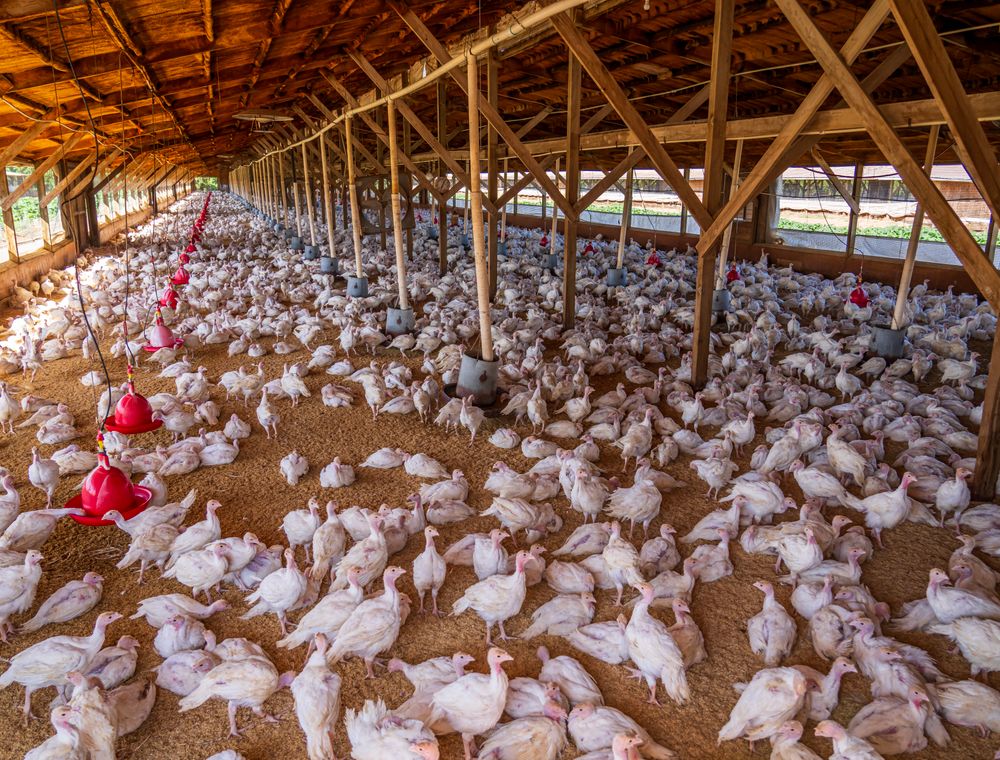
Short answer: If bird flu is suspected on your farm, the next three days decide how far it spreads. Count and log every bird and death, keep people, eggs, litter and birds on the farm, and handle dead birds in sealed bags only. Call your vet or district veterinary office early, and treat the official reporting and quarantine steps as a separate process that they will guide you through.
Key takeaways
- Walk the house quietly and count from the door before you disturb the birds.
- Only named people enter the house, and visitors stay at the gate with a clear, polite message.
- Log every count, death, feed and water change and egg collection with a time next to it.
- Keep eggs, litter, manure and equipment on the farm until the vet gives written advice.
- Do not start treatments or change the feed on your own, because they blur the picture for your vet.
- Call early. A call that turns out to be nothing costs you an afternoon, while a late call can cost the whole flock.
Walk the house before you count it
The first thing we ask a farmer who calls us in a panic is what the birds were doing when they walked in that morning. Not how many died. What the birds were doing. Did they crowd the back wall? Were the ones at the drinker standing with their heads down? Was the feed pan still full at seven?
Those answers tell a vet more than a bird count does, so get them down before anyone starts moving birds about. Walk the house slowly along the outside of the pens. Stay at the door for a minute and just look. Then count from the door, not from inside the pen, because walking through a flock that is already stressed pushes the healthy birds into a heap and makes the count wrong.
- Note where the birds are sitting: near the heat, near the wall, or spread across the floor.
- Note which birds are standing with the feathers puffed up, and which are hunched away from the rest.
- Check the drinkers from the door: are they full, and are birds crowding them or leaving them alone?
- Check the feed pan for how much is left from yesterday, not just whether there is feed in it.
- Only then step in, count the dead, and count the living in each pen separately.
A count that a stranger could repeat is worth more than a fast one. If the numbers from the door and the numbers from inside do not match, say so in the log and give both.
Who walks in, who waits at the gate, and what you say to them
Most farms that have been through a scare have a visitor list that looks like market day. Feed drivers, egg buyers, the man who fixes the drinker lines, motorbike riders selling spare parts, neighbours who want to see. Each of them is a route in and out. During a suspected outbreak, the rule we give farmers is simple: if the person does not need to touch a bird, they do not come past the gate.

Turn that rule into a short script for each type of visitor. You will say the same thing forty times in a day, so make it easy to say politely.
| Who is at the gate | What to do today | What to say |
|---|---|---|
| Feed delivery driver | Unload at the gate. The truck does not enter the yard. | "Leave the sacks there. I will carry them in myself." |
| Egg buyer or trader | No collection this week. Eggs stay in the store. | "We are not selling right now. I will call you when that changes." |
| Neighbour or friend | Keep them outside the fence. | "Please stay out for now. I will tell you when it is safe." |
| Vet or official team | Let them in straight away. Hand over the log and show the dead birds as they ask. | Nothing to hide. Answer each question with the number you wrote down. |
| Your own workers | Only the named people go into the house. Others work on the far side of the yard. | "Tell me the moment you find a bird down, even if it seems small." |
Vehicles follow the same logic. A car that has just come from a farm with sick birds should not drive into yours on the same day, and a delivery van that has been to the feed mill, the market and your yard in one morning is a van you should keep at the gate. Ask the driver where they came from before you let them near the house, and write the answer down.
Dead birds: bagged, labelled and kept in one place
A dead bird can tell you a great deal, but only if it stays intact until someone qualified has looked at it. Do not open carcasses to see what is inside unless your vet asks you to. Do not hang a bird on the fence to show a visitor, and do not let children or dogs play with them.
Use one bucket, one bag roll and one shovel for dead birds only. Pick up each bird with gloves, or with a bag over your hand, and tie the bag before you carry it anywhere. Label every bag with the house, the pen and the time found. Then count the bags, not the birds you think you put in them, because it is easy to lose one under the litter.
- Keep bagged birds in a closed container, out of the sun and out of reach of dogs, cats and rats.
- Write the number of bags and the time in the log each time you add to the container.
- Do not sell or give away a dead bird, however fresh it looks.
- Never feed carcasses to dogs, cats, pigs or other birds on the farm.
- Do not bury birds in a shallow hole or throw them into an open pit that scavengers can reach.
How you finally dispose of them should come from your vet or the official team, because they may want samples taken first. Our dead bird disposal guide covers the methods normally used on a small farm, and you can read it alongside this.
A log a vet can read in under a minute
Ask any vet what they need from a farmer on the phone and they will say the same thing: a clear count with a time on it. Not "a lot died last night", but "six found dead overnight, four in the north pen, two in the south, first seen at 06:10." That one sentence lets a vet judge whether this is a sudden problem or a slow one, and it takes you five minutes a day.
Keep the log on a clipboard that stays in the house, and write one line at each check. Put down the time, the birds alive in each pen, the birds found dead, the feed and water you put out, the eggs you collected, and anything that looks wrong. A fall in feed and water is often the first sign, and it is the easiest thing to miss on a busy morning. For the signs themselves, our avian influenza guide lists what to look for.
| Date and time | Alive (per pen) | Found dead (count and pen) | Feed and water | Eggs collected | What you saw |
|---|---|---|---|---|---|
| Day 1, 06:10 | North 118, south 121 | 6 (north 4, south 2) | Feed pan half full, drinkers full | Not yet | Hunched birds at back wall |
| Day 1, 17:30 | North 116, south 120 | 3 more (north 2, south 1) | Feed pan almost empty, drinker low | 24 trays | Watery droppings in north pen |
The figures above are an example of how to lay the log out, not a record from any farm. Use your own numbers. If you cannot count every bird, write that down and say why. A note saying "could not count south pen, birds on top of each other" is more useful to the vet than a neat total you cannot stand behind.
Feed and water: keep the routine steady, and resist the quick fix
Farmers under pressure do two things with feed and water that make matters worse. They change the feed because they feel they have to do something, or they tip something into the drinker that a neighbour swore by. A sudden change tells your vet nothing about the disease, and it stresses birds that are already struggling.

Keep the same feed, the same feeding times and the same amounts you were using before the problem started. Keep drinkers clean and full, and check the water lines for blockages, because birds that cannot reach water stop eating within hours. If you have to change anything, write down what, when and why. Your vet can only judge the disease if they know exactly what the birds were given.
The same caution applies to medicines. Do not start antibiotics, herbal mixes or a drug recommended by a friend. Our broiler feeding schedule is a useful reference for what a normal day looks like, so you can spot a change quickly. Some of these can hide the signs your vet needs to see, and some make it harder to test the birds properly afterwards. If the rest of the flock needs something, your vet will tell you what it is and how to give it.
- Keep the feeding routine and quantities as they were, unless your vet changes them.
- Check drinkers by hand every few hours and top them up with clean water.
- Remove wet or soiled feed from the pans rather than leaving it to rot.
- Write down any bird that stops eating, and any bird that cannot stand.
The equipment that quietly travels between houses
On a small farm, equipment does not stay put. The crate goes to the market and comes back with a bit of dirt in it. The feeder pan moves to the next house when one runs short. A neighbour borrows your sprayer to clean his own shed and forgets to bring it back. During a suspected outbreak, every one of those moves is a risk you can close off today.
Give each house its own equipment and put a line on the wall saying so. Anything that has come in from outside, or from a house you are worried about, stays on the farm until your vet has said how it should be cleaned. Anything that has left a house with birds in it goes nowhere until it has been through the cleaning routine and your vet has signed off.
Footwear is the hidden carrier. A worker who goes from the sick house to the feed store to the egg room in the same boots has taken the problem with them, even if they did not touch a single bird. If you do not have spare boots for each house, keep a scrubbing brush and disinfectant at every doorway and change the footbath solution every day. A footbath full of yesterday's dirty water does very little, and it gives a false sense of safety.
For a fuller view of the disinfectants and footbath routine, see our guide to disinfectants and footbaths.
Eggs, litter and manure stay on the farm
Eggs are the item farmers most want to move, because they are the only thing still earning money in a bad week. The trouble is that a tray can carry contamination on its surface and on the cardboard it sits in, and the person who carries it to the shop has probably touched other things too. Keep the eggs in a clean, closed store, label each tray with the house and date, and hold them until your vet has advised on what is safe to do with them.
Litter and manure are heavier, slower and less obvious, so they get forgotten. Do not load wet droppings onto a trailer for the vegetable plot, and do not give litter to a neighbour as fertiliser until you have spoken to your vet. Litter left covered and dry in one place is a different problem from a trailer of wet manure driven across the district. Good biosecurity on the farm starts with that kind of small discipline.
Put the eggs and litter into the log as well. "Twenty-four trays collected, all held in store" is the kind of line a vet will want to read, and it protects you if anyone later asks what left the farm and when.
Need chicks for your next batch?
Send breed, number and town. We reply with price, hatch date and delivery cost in writing.
Wild birds, dogs and the free-range problem
If your birds range outside the house, you have less control over who they meet, and in an outbreak that matters a great deal. Wild birds, neighbouring flocks and scavengers can all pass through a range area. Keep the free-range birds in a closed run or shed until your vet says otherwise, and check the fencing for gaps where small birds or rodents can slip through. Birds you have bought in from a market or a motor park belong in a proper quarantine pen, not mixed in with the flock.
Dogs and cats are the quieter risk. A dog that eats a carcass from your yard, or that sleeps in the poultry house, can carry material on its coat and paws. Keep dogs and cats out of the sheds and keep dead birds out of their reach. Rats and mice get in through feed sacks and under doors, and they move between farms more than most people expect.
If you keep guinea fowl, ducks or turkeys alongside chickens, count them separately in the log. A vet needs to know which species is affected, and a mixed count makes that impossible to work out.
Your neighbours matter too. A short, calm word over the fence about what you are seeing is worth more than silence. Blaming a neighbour for your losses does nothing useful, and it makes people hide their own problems. The farmers who get the most help are usually the ones who keep talking to the people around them.
When the vet has been, and what changes in your day
Once a vet or an official team has seen the birds, your job shifts from containing the problem to following instructions. Some of those instructions will feel heavy-handed. You may be asked to keep the house closed, to allow sampling, to hold birds in place for a set period, or to destroy a group of birds. Follow them, and where you can, ask for each instruction in writing so you have it to show anyone who asks later.
The formal side of reporting and quarantine has its own steps and its own paperwork. We cover those in our reporting and quarantine guide, because the process and the timing are set by the authorities and can change from one case to the next. On the farm, what you control is how cleanly you carry out what they tell you, and how complete your records are.
Keep the daily log going after the vet has come. The timeline will matter if the authorities ask questions, and it will matter again if you ever make a claim for losses. Do not stop writing just because the worst of it seems to be over.
A checklist for the first 72 hours
Print this, pin it inside the house door and tick each line as it is done. Most farmers who handle a scare well do these things without thinking. Most who handle it badly skip one or two of them in the rush of a bad morning.
- Gate closed, sign on it, and nothing leaves the farm: no birds, eggs, litter or manure.
- Named people only inside the house, in dedicated boots and overalls.
- Vet or district veterinary office called, and the time of the call written in the log.
- Dead birds bagged, labelled with house and pen, and kept in a closed container.
- Log updated every few hours with alive count, deaths, feed, water and eggs.
- Feed and water routine unchanged unless the vet has advised otherwise.
- No treatments started on your own. Anything the vet gives is written in the log.
- Footbaths refreshed daily, and each house keeps its own equipment.
- Neighbours and buyers told, without blame, that you are not selling for now.
- Next call with the vet booked, and every instruction you were given written down.
When the hold is finally lifted and you are ready to think about birds again, send us a WhatsApp message on +233 24 915 1503 to ask for the batch record and the price in writing, or go through the order form. We will talk you through the batch record and the price in writing before you pay anything, and you can check the day-old chicks page for the breeds we keep. Restocking has its own sequence, which we cover in our restocking guide.
Questions farmers ask
Should I sell the birds that still look healthy before the problem spreads?
No. Selling moves the risk to the buyer's farm and to the market, and it may well be against the rules while the authorities are involved. Birds can carry disease before they show signs, so a bird that looks fine on Monday may not be fine on Thursday. Keep the birds on the farm, keep the log running, and ask your vet or the district veterinary office in writing what you are allowed to do with them.
Can I keep the eggs from a farm under suspicion for my own kitchen?
Ask your vet before you use them, and keep them separate from eggs you intend to sell. Normal kitchen hygiene, washing your hands and cooking eggs thoroughly are sensible habits. The decision on whether eggs from a suspected farm can be eaten or sold should follow official advice, so hold them until you have that advice in writing.
The vet cannot come for two days. What do I do with the dead birds?
Keep them bagged, tied and labelled inside a closed container, out of reach of dogs and rats, and in the coolest shaded place you have. Write the count and the time in the log. Call the vet again to ask how to dispose of them, and tell them how long they have been held. Do not bury them in a shallow hole or throw them into an open pit.
Do I need to tell the traders and buyers who collect from me?
Yes, but briefly. Tell them you are not collecting or selling this week and that you will call when that changes. You do not need to share the details of the investigation. A short, calm message avoids rumours and protects your relationship with the buyer, and it stops a driver from turning up at the gate with an empty truck and an argument.
Are my workers at risk, and what should I ask of them?
They can be, so ask them to wear the dedicated boots and overalls, wash their hands before they eat, and tell you at once if they feel unwell. If anyone has flu-like symptoms, they should see a doctor and tell them about the birds. Limit the number of people who handle birds, and do not let anyone who is ill work in the house.
Can I vaccinate the rest of the flock while I wait for the vet?
Only if your vet tells you to. Vaccination during a suspected outbreak is a decision for the vet and the authorities, because some vaccines behave differently in a flock that is already sick, and vaccinating can change what the tests show. Do not start a new vaccine on your own, even one you have used before.
How long does the hold on my birds last?
The authorities set the period, and it depends on what the vet finds and how the situation develops. Ask for the start date, the expected end date and the conditions in writing, and keep the log running until the hold is formally lifted. Restocking should wait until you have that clearance.


