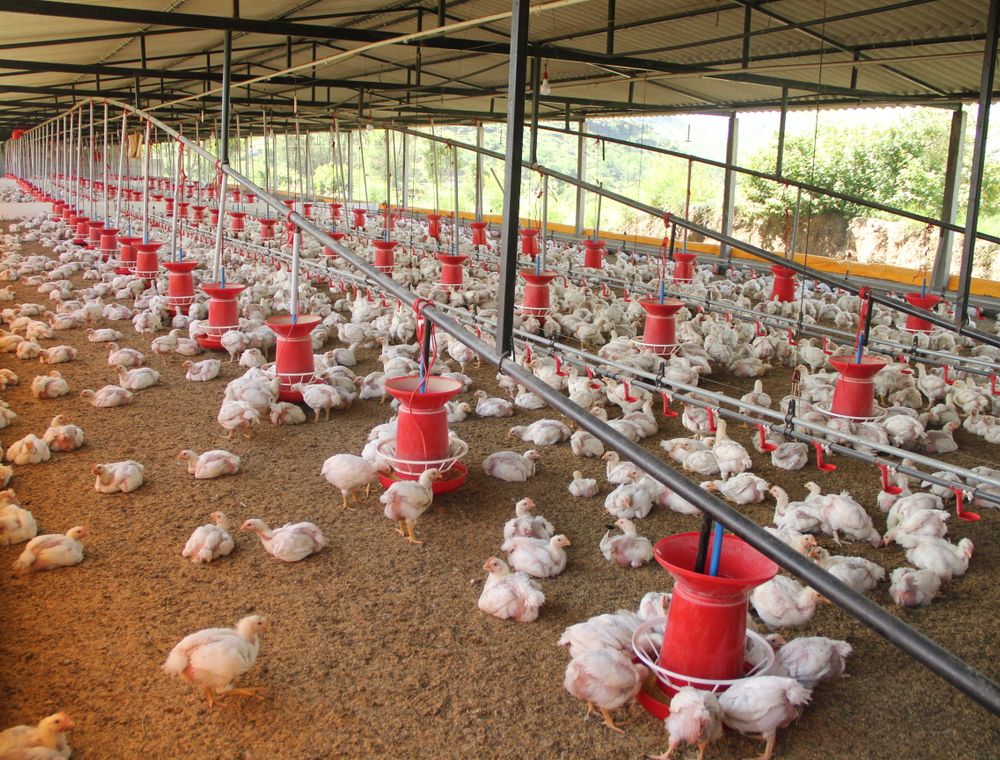
Short answer: Restock only when the authorities have cleared the farm, your vet has signed off the house, and the cleaning has been finished in the right order. Dry-clean, wet-clean and disinfect each house, then leave it empty and dry for as long as your vet advises, since the calendar is the wrong measure. Start with one house, bring in birds from a source with a clear vaccination record, and watch the first week closely before you fill the next house.
Key takeaways
- Restock on written clearance and vet sign-off, not on the date you feel ready.
- Work through the stages in order: remove, dry-clean, wet-clean, disinfect, rest, check, restock.
- Judge the rest period by the house: dry litter, no smell, no rodent signs, and a clean water system.
- Bring in the first birds from one source, with batch and vaccination records, and quarantine them on arrival.
- Restock one house first, watch it for at least a week, and only then fill the next.
- Budget for the chicks, feed and a cash cushion, so that a bad first week does not force a second restock.
Three things must be true before you order chicks
The most expensive mistake we see after a disease outbreak is restocking too soon, and it is rarely the chicks' fault. A farmer who is tired of an empty house orders a batch in the same week the last bird leaves, puts them into a half-cleaned shed, and then spends the next month wondering why they are not thriving. The birds were fine on the day they left us. The house was not ready for them.
Before you place an order, three things should be true. First, the authorities have cleared the farm in writing, or told you in writing that restocking is allowed. Second, your vet has looked at the house, or at least at the cleaning record, and agreed that it is finished. Third, you have the money and the labour to look after a new batch properly, including the days when it does not go to plan.
If any of those three is missing, the order can wait. Chicks that are booked but not collected while a house is still wet are a cost you pay twice, once for the birds and once for the stress they bring to a building that is not ready.
The order of work, from the last bird out to the first chick in
The stages below must happen in this order. Skipping one to save a week usually means doing the step again later, with worse results, because the material you missed is still there. Use the right-hand column as the test for whether each stage is really done, not the date on the calendar.
| Stage | What you do | How you know it is done |
|---|---|---|
| 1. Removal and disposal | Remove all birds and dead material as your vet and the authorities direct | Written record of numbers removed and how they were disposed of |
| 2. Dry clean | Take out litter, feathers, dust and cobwebs before any water touches the house | No loose litter or feathers remain on floor, walls or fittings |
| 3. Wet clean | Wash walls, floors, feeders and drinkers with detergent and water, from top to bottom | Surfaces look and feel clean, with no greasy film or visible dirt |
| 4. Disinfect | Apply the disinfectant your vet recommends, at the strength and contact time on the label | Written record of product, strength, date and the time it was left to work |
| 5. Rest | Leave the house empty, dry and closed for the period your vet sets | Dry litter, no odour, no rodent signs, and the vet's sign-off |
| 6. Equipment check | Check every feeder, drinker, fan, light and water line for damage and residue | Each item listed as working and clean in the restock sheet |
| 7. Restock | Bring in the new birds on the day the house is ready, not before | Batch record received and quarantine arrangements in place |
Keep the table pinned in the store, and sign each line when it is done. The brooder temperature chart is useful for the heat check in the last stage. A signed sheet is the only thing that will tell you, a year later, which house was ready and which one was rushed.
Dust, litter and the places nobody looks
Dry cleaning is where most farms cut corners. The litter is out, the floor looks bare, and the job is declared finished. But the infection that caused the trouble does not sit only on the floor. It sits in the dust on the ceiling beams, in the cracks of the concrete, under the lip of the feeder and inside the nipple drinkers where a film builds up that a quick rinse will not touch.
In Ghana, the dust problem changes with the season. During harmattan, fine dust from the north settles on everything in a closed house, and a farmer who cleans in December can end up sweeping the same dirt back into the air. In the rainy season the trouble is damp, and a house that looks dry at the door can be wet in the corners where the sun never reaches. Plan the cleaning around the weather you have, and do not try to hurry a wet floor into being dry.
- Brush down the walls and beams from the top, so the dust falls to the floor and is removed with it.
- Pull the feeders and drinkers apart and clean the joints, where the film is thickest.
- Check the fan housings, light fittings and vents, which collect dust and are easy to forget.
- Look for rodent holes at the base of the wall and fill them before you disinfect.
- Remove the litter and the wet patches under the drinkers, which is where the damp holds longest.
Our guide on cleaning between batches goes into the wet-clean stage in more detail, and it is worth reading alongside this one, especially if you have not done a full cleaning before.
A rest period set by the house, not the calendar
Ask a farmer how long a house should rest and you will get a number that was true for someone else's shed. The rest period belongs to your house, your climate and the disease you were dealing with, and it should be set with your vet. What you can do is make the house pass a set of plain tests before you accept the answer that it is ready.
Walk in with the door shut for a minute and smell the air. A house that still smells of ammonia, wet droppings or disinfectant that has not dried is not ready. Pick up a handful of litter from the floor and press it. If it feels damp at the bottom of the pile, it is not ready. Look at the corners and along the feed line for droppings and gnawed feed bags, which tell you rodents have been living in the house while it was empty.
- Dry litter or bare floor, with no damp patches under the drinkers.
- No smell of ammonia, rot or disinfectant when the door has been shut for a while.
- No fresh rodent droppings, gnawed bags or new holes in the walls.
- Water lines flushed, with no residue coming out of the nipples.
- Your vet's agreement written into the restock sheet.
Some farms bring in a small group of birds ahead of the main batch as a check, and that can be sensible if your vet thinks it fits your case. Ask first. A test batch is only useful if you know what you will watch for and how long you will wait before you commit.
Water lines and the slime you cannot see
A water system can carry a problem for longer than any other part of the house. Our broiler house setup guide shows how the water and feed lines are usually laid out. Inside the pipes and the drinker lines, a biofilm forms, which is a slimy layer that bacteria live in and that disinfectant poured into the tank does not always reach. The birds drink from it every hour, and it is the last thing most farmers think about when they restock.
Drain the tank, scrub it, and refill it with clean water. Flush each line with a proper cleaning product and then rinse it well, working from the far end back to the tank so that the dirt is pushed out. Check the nipples and bell drinkers one by one. If you see a film that does not wipe off, the line needs more than a rinse, and your vet may want to advise on a suitable product.
Test the water you will give the new birds. A clear colour does not prove it is clean. Use the source you intend to use from the first day, and keep the same source for the first weeks, so that any change in taste or colour is easy to notice and easy to explain.
Where the first birds come from
The chicks you bring into a freshly cleaned house are the start of a new record, and that record should begin with paper. Ask every supplier for the batch record and the vaccination details for the birds you are buying. Ask where the parent stock came from, when the birds were hatched and whether they were vaccinated and against what. A supplier who cannot answer those questions is not a supplier you want for a restock.

Before a chick leaves our Kasoa hatchery it has been vaccinated against Marek's, Newcastle, Gumboro, infectious bronchitis and coccidiosis, and the paper that comes with it lists each one. We hatch locally from European parent stock, and we import from the Netherlands, Belgium and Germany. Those details matter to a restocking farmer because they tell you what the chicks already carry and what they still need from you.
Do not mix sources in the same house in the first weeks. If you buy part of the batch from one place and part from a market, you have two records, two vaccination histories and two levels of risk in one shed. Pick one source, keep to it, and if you must add birds later, bring them into a separate pen and quarantine them before they join the rest.
We also recommend a quick look at our imported day-old chicks page if you are weighing up local hatching against imported stock, because the choice affects the vaccination record you will be working from.
Start with one house, then fill the next
A farm that has just come through a disease event is short of cash, short of sleep and short of confidence. The urge is to restock every house on the same day, so the place feels full again. That urge is the one to resist. One house restocked and watched for a week will teach you more than four houses restocked on the same morning and watched by a tired farmer who is hoping for the best.

Choose the house that is easiest to clean, closest to your water source and furthest from the old houses. Restock it first. Keep a daily record of mortality, feed and water, and walk through it at least twice a day in the first week. If it goes well, restock the next house once you have a second clear week behind you. If it does not, you have saved the rest of the farm from the same problem.
Hold back enough money to restock a second house if the first one has a bad week. A farm that needs to restock twice in a single cycle loses far more than a farm that has a spare plan.
- Keep the new house separate from the old houses, with its own boots and equipment. Our day-old chicks page explains how a batch is packed and dispatched.
- Note the time of every feed and water check in the first week.
- Record each death, with the house, the time and a short description.
- Do not move birds between houses until the vet has said it is safe.
Need chicks for your next batch?
Send breed, number and town. We reply with price, hatch date and delivery cost in writing.
What a restock costs in cash, before the birds grow
Many restocking plans fail on the money, not the birds. The chicks are the easy line on the budget. The harder lines are feed, litter, fuel for the brooder, labour and the cushion for a bad week. Work them out before you place the order, and write the total at the top of the page.
Here is a worked example for one 300-bird house of Hy-Line Brown layers at our starting price of GH₵23 per chick, confirmed at order. Our prices page has the current starting figures. The chicks alone come to GH₵6,900. Add the feed you will need until the birds start laying, the litter, the brooder fuel or electricity, and the wages for the people who will look after them. Then add a cushion worth at least one extra box of chicks for a bad first week, so the loss of a few birds does not stop the plan in its tracks.
Check today's prices before you commit, because the figures on your order will be the ones that count. For the larger batches we quote individually, so speak to us early if you are restocking more than one house at once.
What we do at our end when you restock
You have enough to think about on the farm, so here is the short version of what happens on our side. Birds go out on the day they hatch, travelling in ventilated boxes of 50. Delivery reaches every one of the sixteen regions, and the cost is confirmed before you pay. If the trip is not practical, the farm in Opeikuma is open for collection.
On arrival, count the birds where you are standing, before they go into the brooder. Anything that died on the road is replaced free in the following hatch, and a photo of the count sent to us the same day closes the loop. Our smallest order is a box of 50, and anything from 1,000 birds up is priced by hand.
If you want to place a restocking order, use the order form, or read our broiler chicks page or layer chicks page to see what suits your house. Our delivery page has the regions and the order of steps, and our FAQ answers the questions we are asked most.
A checklist before the chicks arrive
Run through this on the day before the delivery, and again on the morning it is due. If one line is still open, ask yourself whether the chicks should arrive that day or wait for a clear house.
- Written clearance from the authorities, filed with the restock sheet.
- Vet's sign-off on the house, with the date.
- Every stage in the restock table signed off.
- Litter laid to the depth your brooder setup needs, and dry.
- Heat source tested, with a thermometer placed at chick height.
- Feeders and drinkers filled and set to the right height for small birds.
- Water lines flushed and the tank filled from the source you will keep using. Our disinfectants and footbaths guide covers the products people use at the door.
- Feed on hand for the first days, stored under cover and off the floor.
- A dead bird bag and a log sheet ready, and a person assigned to check the house twice a day. Our first-week mortality guide explains what to look for.
- Phone charged, and the vet's number and our WhatsApp number written on the wall.
Questions farmers ask
How long should a house be left empty after a disease outbreak?
There is no fixed number that fits every house. Set the period with your vet, using what they saw during the outbreak and what the house looks like now. Use the house as the judge: dry litter, no smell, no rodent signs and a clean water system. A house that passes those tests after the period your vet gave you is ready. One that does not should wait a little longer.
Can I restock with birds from the market if they look healthy?
It is a risk you should not take during a restock. Birds from markets come without a batch record, often with mixed histories, and healthy-looking birds can still carry disease. If you must buy from a market, keep them in a separate quarantine pen for a long period before they join the flock, and ask your vet to set the length of that wait.
Should I use the same disinfectant as before the outbreak?
Your vet should choose it, based on what they know about the disease and the house. Do not repeat a product you used during the outbreak without checking, and do not mix products unless the label or your vet says it is safe. Keep the product name, strength and time in the restock sheet, so you can show what was used.
What if the authorities ask me to wait before restocking?
Then you wait. A restriction on restocking is part of the official process, and it is written into the clearance you should have received. Use the time to clean the houses properly, service equipment, check your finances and talk to your vet about the sourcing plan. Restocking early can undo the clearance and cost you the batch.
Should I restock all my houses on the same day?
Usually not. Restocking one house first and watching it for at least a week lets you find problems on a small scale. If the first house goes well, restock the next. If it does not, you have saved the rest of the farm. The only reason to restock everything at once is a fixed contract or a market deadline, and even then you should check the first week carefully.
What is the most common mistake farmers make when restocking?
In our experience, it is restocking the house before it is ready, because the farmer wants the birds in and the house looks clean. The second most common is mixing sources in the same shed in the first weeks. Both mistakes are easy to avoid if you keep the restock sheet, sign each stage and wait for the house to pass the plain tests before you fill it.
Will a day-old chick I buy from you come with a vaccination record?
Yes. Every order comes with a batch record that shows the vaccinations given at the hatchery, which include Marek's, Newcastle, Gumboro, infectious bronchitis and coccidiosis. Count the chicks when they arrive and send us a photo the same day. Any dead on arrival are replaced free in the next hatch.


