
Short answer: Ramadan is a month of steady poultry demand that peaks at the evening meal and rises again for Eid al-Fitr, so one sale date cannot carry it. Plan a separate batch for each sale week and count back about seven weeks from each. The first 2027 batch needs chicks around 21 December 2026, in the middle of the Christmas rush, so that order goes in early.
Key takeaways
- Ramadan is about 30 days of steady demand, with Eid al-Fitr as the single biggest peak.
- The Islamic calendar moves the month about eleven days earlier each year, and the 2027 start is expected on 7 or 8 February.
- Plan weekly batches, each with its own chick date and weight band, rather than one large sale day.
- The first Ramadan 2027 batch needs chicks in late December, so place that order in early November.
- Halaal Farms hatches chicks. Slaughter and any halaal arrangements are made by the buyer and their slaughterer.
A month of demand that peaks at sunset, then again at Eid
Plan Ramadan like a one-day sale and you will be out of birds by the second week. Ramadan is a month of steady buying. Muslim households break the fast at sunset, and the evening meal is where most of the chicken goes. Chop bars and caterers who cook for iftar buy through the afternoon, and some families buy eggs for the pre-dawn meal before the fast begins. The buying is spread across the days, which is the opposite of the short, sharp Easter weekend.
Eid al-Fitr is the peak. In the days before the feast, buyers want larger orders for family meals, rice dishes, stews and grilled chicken, and many want the birds a day or two early. Then the market goes quiet for a short while as families travel and visit. A farm that has sold a steady weekly flow through Ramadan will have one large sale at the end, and that sale is where much of the month's margin is made or lost.
The moon sets the start, so the dates move every year
The Islamic calendar is lunar. Ramadan begins when the new moon is sighted, so the month falls about eleven days earlier each year and the dates for Eid al-Fitr move with it. The 2027 start is expected on 7 or 8 February, and Eid al-Fitr is expected around 9 or 10 March. Treat both as estimates until the national Islamic authorities announce the actual start, because a sighting can move the date by a day.
Eid al-Adha, the festival of sacrifice, comes about ten weeks after Eid al-Fitr in the same year, and in 2027 it is expected in mid-May. It has a different market. Rams and goats dominate the Eid al-Adha trade in Ghana, and chicken is secondary. Do not chase that market with a second set of chicks unless a buyer has asked for it in writing. The poultry peak that matters most in 2027 is Eid al-Fitr in March.
| Occasion | Expected 2027 date | Where chicken demand sits | Plan |
|---|---|---|---|
| Ramadan | About 7 to 8 February into early March | Steady daily demand, peaking at iftar | One batch for each sale week |
| Eid al-Fitr | About 9 to 10 March | One peak in the days before the feast | A final batch timed to the three days before |
| Eid al-Adha | Mid-May (estimate) | Rams and goats first, chicken second | A small extra batch only if a buyer asks |
What iftar buyers want, and the bird size that sells fastest
Iftar buyers are cooking for a crowd on a short timetable. A family that wants a bird for sunset needs it dressed, cleaned and ready by the middle of the afternoon. A chop bar buying for its evening trade wants a regular count every day for the whole month, and it expects the same weight each time. Caterers want the largest birds on the day, and they pay for consistency more than for a single heavy bird.
Weight matters. A household iftar needs a bird that feeds four or five people, and a very large bird can be too much for one pot. A medium broiler that reaches the buyer's band on time sells faster in the middle of Ramadan than a heavy bird kept back for the Eid peak. Agree the band with each buyer in writing, in kilograms, and check it against your own samples before the day.
Ask buyers for the weekly count in advance. The most useful question is simple: how many birds do you need each week, and which day do you want them? A buyer who can say that, even roughly, lets you hatch to the number. A buyer who says "whatever you have" will leave you with birds in the wrong week.

Timing the last batch to the Eid al-Fitr peak
Eid al-Fitr is a few days of heavy buying, not one afternoon. Buyers order from about five days before the feast, the bigger orders land in the last two or three days, and some want the birds collected the day before the holiday so they can clean and cook at home. Plan the final batch so the birds reach weight in the window that covers those days, then keep a spare group one day behind for the buyers who ring at the last minute.
Travel is the part that catches people out. Many families travel home for Eid, so the roads into the cities are slow in the days before the feast and quiet after it. A buyer who promised to collect on Eid morning may be on the road, or may have decided to skip cooking chicken altogether. Confirm the collection day, and confirm it again the evening before.
Keep the Eid batch separate from the weekly Ramadan batches on your sheet. Mixing them is how a farm ends up selling its best birds on a quiet Tuesday and its lightest birds on the feast itself.
Halaal slaughter: what buyers will ask, and what a hatchery can say
Muslim buyers often ask how the birds were slaughtered. It is a fair question, and it is the right one to raise before the birds are ready. Here is our honest position. Halaal Farms is a day-old chicks hatchery and importer. We hatch and sell chicks. We do not slaughter birds for customers, and we do not issue a halaal certificate for any flock's slaughter.
That means the answer belongs to whoever does the slaughter. If you process your own birds, you follow the method your imam and your buyers accept, and you tell them what you did. If a processor or slaughterhouse does it, ask for their method in writing, and ask whether they are recognised by the Islamic body your buyers trust. Do not promise a buyer a certificate you have not seen.
The chicks are a separate question, and buyers sometimes mix the two. The hatchery can tell you about vaccination, batch records and health, which all affect the bird on the table. Keep those records clean, and keep the slaughter arrangements separate and written down on the same sheet as the buyer's order.
Hatching backwards from each sale week, with the 2027 dates worked out
Ramadan is a run of weekly sales, so the chick plan is a run of weekly batches. The example below uses 120 birds for each of the four Ramadan weeks and a final group of 150 for the Eid al-Fitr days, with a little spare in each group for losses. Change the numbers to suit your own buyers, but keep the method.
The first chick date is the one to watch. A sale in the week of 8 February needs its chicks about seven weeks earlier, which is around 21 December 2026. That lands in the middle of the Christmas chick rush, so the order for the first Ramadan batch has to be placed in early November, while there is still room to confirm it in writing.
| Sale window (2027) | Chicks due (about 7 weeks earlier) | Batch | Note on the plan |
|---|---|---|---|
| 8 to 14 February | 21 December 2026 | 120 birds | Harmattan dust and cold nights during the brooding weeks |
| 15 to 21 February | 28 December 2026 | 120 birds | Brooding runs over New Year, so arrange staff cover |
| 22 to 28 February | 4 January 2027 | 120 birds | Finisher feed bought before the February price moves |
| 1 to 5 March | 11 January 2027 | 120 birds | Watch the heat as the month turns |
| 6 to 9 March (Eid al-Fitr) | 16 January 2027 | 150 birds | A spare group one day behind for last-minute buyers |
Each sale week gets its own chick order and its own weight samples. Do not let the first batch's weights set the plan for the last batch without checking them, because the weather in January and February is not the weather in March. If the feast moves by a day, move the Eid batch by a day with it.
To lock in the batch orders, WhatsApp us on +233 24 915 1503 or use the order form. The broiler chicks page shows the box sizes, and orders of 1,000 or more are quoted one by one on the bulk page. Our delivery page explains how chicks reach your region, and the price page lists starting prices, which are confirmed at the time you order.
The harmattan lands on your first batch
The harmattan blows dust off the Sahara from about December to February, and its cold, dry nights are hardest on young birds. A chick set for the first Ramadan week spends its brooding weeks in exactly that season. Dust in the air gets into eyes and airways, and the brooder has to work harder on the coldest nights of the year.
Plan the first batch's brooder for the harmattan, not for the average. Test the heater on a cold night before the chicks arrive, seal the house against draughts without trapping ammonia, and keep the drinkers warm enough that the birds drink. Our harmattan care guide sets out the night routine, and it is worth reading before the boxes arrive.
The flock does not fast, so its feed and water stay on the clock
Some farmers wonder whether to change the flock's feeding when people in the household start fasting. They should not. The birds eat through the day, and they need water and feed at the times they have always had them. Shifting the feed to match the sunset meal will cut intake in the hours when the birds are growing fastest.
What changes is the staff rota. Workers on the farm may be fasting, and the morning feed round and the afternoon water check need someone who can do them on a light stomach in the heat. Plan the shift so the heavy tasks, lifting feed and carrying crates, happen before the fast is fully underway or after sunset. Write the hours down, so a worker who is tired in the last week of the month does not miss the evening water check.
The buyers' clock is the one that moves. Many want birds before the evening meal, which means catching in the afternoon for a late collection. Agree the collection window in writing, so the catching, the chilling and the handover all happen in hours the buyer can receive them.
Need chicks for your next batch?
Send breed, number and town. We reply with price, hatch date and delivery cost in writing.
Pricing across a month and a feast
Prices tend to rise through Ramadan and rise again into Eid al-Fitr, because demand is steady and the final days are crowded. Do not push the price up every week. A buyer ordering for the whole month needs a price for the month, and a farm that changes it weekly loses the regular who was going to commit for four weeks.
Agree a price for the month in writing, with a separate line for the Eid days, and give the cut-off date for each line. A chop bar that signed for the month should keep the monthly price even if the feast falls on a Sunday. The extra money belongs to the Eid days and to the buyers who came in at the last minute, and that is where you charge it.
Keep your costs on the same sheet. The chick cost is fixed once the order is placed, but feed, transport and the losses you expect are not, and a harmattan week can change all three. The break-even guide shows how to work the price back from the cost, so you know the floor before a buyer names a number.
Eggs, the product that keeps its shape through the month
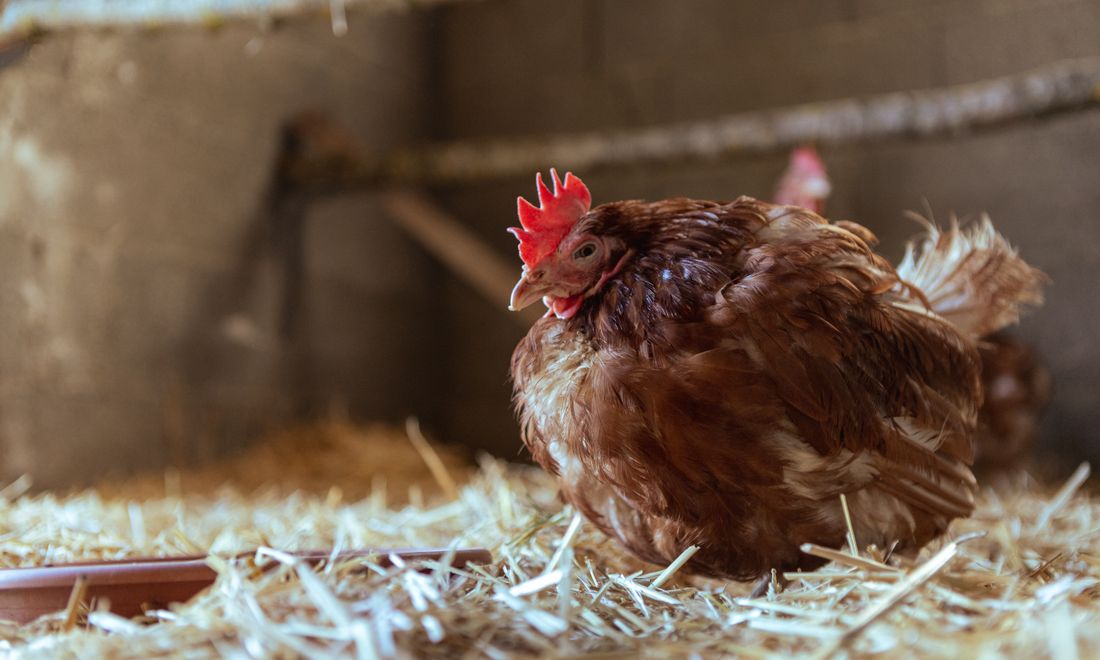
If chicken is the peak, eggs are the steady line. A laying flock gives you a collection every day, and a household that eats eggs before dawn buys them every day too. Eggs can carry the weekly rhythm of Ramadan better than broilers do, and they suit a farm that wants a quieter income through the month.
The planning is longer. Hens must be in lay before the month starts, which means pullets placed months ahead, and the flock needs to sit in the middle of its laying curve rather than at the start or the end of it. Read our egg farming guide before you commit a number to a buyer, and check the laying curve against your own records.
Collect eggs at least twice a day, keep them cool and clean, and grade them to the buyer's sizes. For a buyer who takes eggs every morning during the month, the most useful thing you can offer is a collection time that never slips. Keep table eggs and hatching eggs apart on the sheet. Our fertile eggs page covers the hatching side, which follows different rules.
Checklist for the month
Work through this list before the first chicks are ordered, then again a week before the Ramadan start.
- Ramadan start and Eid al-Fitr dates written down, with a note to check the official announcement.
- A weekly batch order for every sale week, each with its own chick date.
- The first batch's chick order placed by early November 2026, ahead of the December rush.
- Harmattan brooder tested on a cold night before the first chicks arrive.
- Weekly count and weight band confirmed with each buyer in writing.
- Slaughter method and processor's name recorded for each buyer who asked.
- Price for the month and for the Eid days agreed in writing, with cut-off dates.
- Egg collection twice a day, with table eggs and hatching eggs kept apart.
- A rota for workers who are fasting, with heavy lifting outside the fast.
- A reserve group one day behind the Eid batch for last-minute buyers.
After Eid: a review that feeds next year's batch sheet
When the last Eid buyer has collected, sit down with the sheet. Look at each weekly batch in turn: the chick date, the sample weights, the sale day, the buyer and the payment. Ask which week the flock was furthest behind, and whether the reason was the weather, the feed or a late order. Mark the weeks where the farm had birds it could not sell, because those are the weeks the next plan should trim.
Keep the same sheet for the Easter and Christmas plans too. Ramadan moves by about eleven days a year, so next year's dates will not match this year's, and the batch sheet is what lets you move them quickly. Our festive planning guide sets out the other peaks, and the farming calendar puts them in order through the year.
Finally, write the first chick date for next Ramadan in the diary before you close the file. It is the date most farmers miss, because it falls in the rush at the end of the year.
Questions farmers ask
When does Ramadan start in 2027?
The start is expected on 7 or 8 February 2027, depending on the moon sighting. Eid al-Fitr is expected around 9 or 10 March. Treat these as estimates until the national Islamic authorities announce the dates, and move your chick dates by a day if the announcement moves.
How many batches should I plan for Ramadan?
One batch for each sale week, plus a final group for Eid al-Fitr. Each batch needs its own chick date, about seven weeks before its first sale day. Splitting the month this way means one bad week affects one batch, not the whole month.
Does the flock need a special feed during Ramadan?
No. The birds keep the same feeding programme as any other batch. The changes worth making are to the buyer's collection window and to the staff rota, so that people who feed the birds can do it safely while fasting.
Can Halaal Farms certify the halaal slaughter of my birds?
No. Halaal Farms is a day-old chicks hatchery and importer. We do not slaughter birds for customers and we do not certify slaughter. Ask your processor for their method in writing, and agree the arrangement with your buyers before the birds are ready.
Is Eid al-Adha a good time to sell chicken?
It is a smaller chicken market than Eid al-Fitr. Rams and goats dominate Eid al-Adha in Ghana, and chicken is secondary. Unless a buyer has asked for chicken in writing, put your main chicken plan into the Eid al-Fitr week.
Should I order chicks in December for a February Ramadan?
Yes, if you want the first batch. Chicks for the first sale week of Ramadan 2027 are due around 21 December 2026, in the Christmas rush. Place the order early, confirm the number and the date in writing, and check the brooder for harmattan cold.
Do eggs sell well through Ramadan?
They suit the month well, because a laying flock gives a daily collection and some households buy eggs for the pre-dawn meal. Hens must be in lay before the month begins, so plan the flock months ahead, and keep table eggs and hatching eggs separate.


