
Short answer: Maize is the biggest single source of energy in most Ghanaian poultry rations, and it often makes up more than half the bag. Its price per kilo sets a large part of your feed bill, so a rise in maize goes straight into your cost per bird or per egg. Buy maize dry and clean, check every lot for mould and insects, and treat any substitute as a change to trial rather than a swap to make overnight.
Key takeaways
- Energy in a Ghanaian ration mostly comes from maize, so its price moves your whole feed bill.
- A rise of GH₵1.50 a kilo on maize adds about GH₵870 to every tonne of feed made with 58 per cent maize.
- Check each lot for moisture, mould, broken grain and insects before it goes into the store.
- Sorghum, broken rice and rice bran can cut cost, but each has a limit and a risk to manage.
- Store maize dry, off the floor and turned over, so the grain you buy is the grain you feed.
Why maize is in nearly every bag
Ask a poultry farmer what keeps the birds going and the answer is usually maize. It is cheap for the energy it gives, it is grown and sold widely in Ghana, and birds take to it readily. Maize delivers starch, which the bird turns into energy, along with a little oil. A ration built on maize gives the bird the calories it needs for growth and egg production at a price most farmers can carry.
Maize does not supply much protein, and most of the protein it does contain is low in lysine, one of the amino acids a bird must get from its feed. That is why maize always sits next to a protein source in a sensible ration. Maize is the fuel. Soya, fishmeal and cakes are the building materials. A ration with too much maize and too little protein makes birds look fat and grow slowly, and nobody wants to pay for that.
If you are just starting, our broiler chicks and layer chicks pages describe the birds. The feed plan is the part that decides whether they reach their targets.
How the grind changes what the bird gets
How you grind maize changes how the bird uses it. Chicks need fine material, because their gizzard is small and they cannot handle large pieces well. Broilers and layers do better on a medium grind, which keeps dust down and gives the gizzard something to work on. Whole maize thrown on the ground as a scratch feed suits older birds on free range. It is a supplement to a complete ration, not the ration itself.
Grinding also shows up quality problems. A ground maize full of fines and dust may be old, or may have been broken by rough handling. A ground maize that smells sour or mouldy was stored wet, whatever the miller tells you. Grind only what you will use within a few days, because ground maize goes off faster than whole grain. For a sense of how much of it a flock gets through, see our daily intake figures.
Maize quality: the defects that matter
Walk the lot with your hands and nose before you agree a price. Most of the trouble in maize shows up in a few clear ways.
| Defect | What you see or smell | What it does to birds | What to do |
|---|---|---|---|
| Damp grain | Feels warm, clumps, smells musty | Mould growth, lost energy, toxin risk | Refuse the lot, or dry it properly before storing |
| Mould | Grey, green or white patches, dusty black spots | Aflatoxin and other toxins, poor growth | Reject. Do not feed it to any bird |
| Insect damage | Holes, powdery dust, weevils | Lost energy and openings for mould | Reject if heavy; clean the store before the next lot |
| Broken or small kernels | Lots of dust and fines | Dusty feed, waste, uneven mix | Ask for a cleaner lot or sieve before use |
| Faded or chalky colour | Pale or dull grain | Often older grain with lower energy | Ask when the lot was harvested |
Dry maize should feel hard, and the lot should not feel cool and damp when you push a hand in. If your hand comes out with a clammy feel, the middle of the pile is wetter than the top, and you should look deeper before you pay.
Price swings and the harvest calendar
Maize prices move with the seasons, and in Ghana the cycle matters. The main harvest in the south tends to come in after the rains, and prices often ease in the weeks after harvest, when supply is high. As the store empties through the lean months, prices usually climb again before the next crop arrives. Check the local market for a few weeks rather than trusting one price from one seller. If you are costing a new flock from scratch, our farm start-up budget puts feed beside the other running costs.
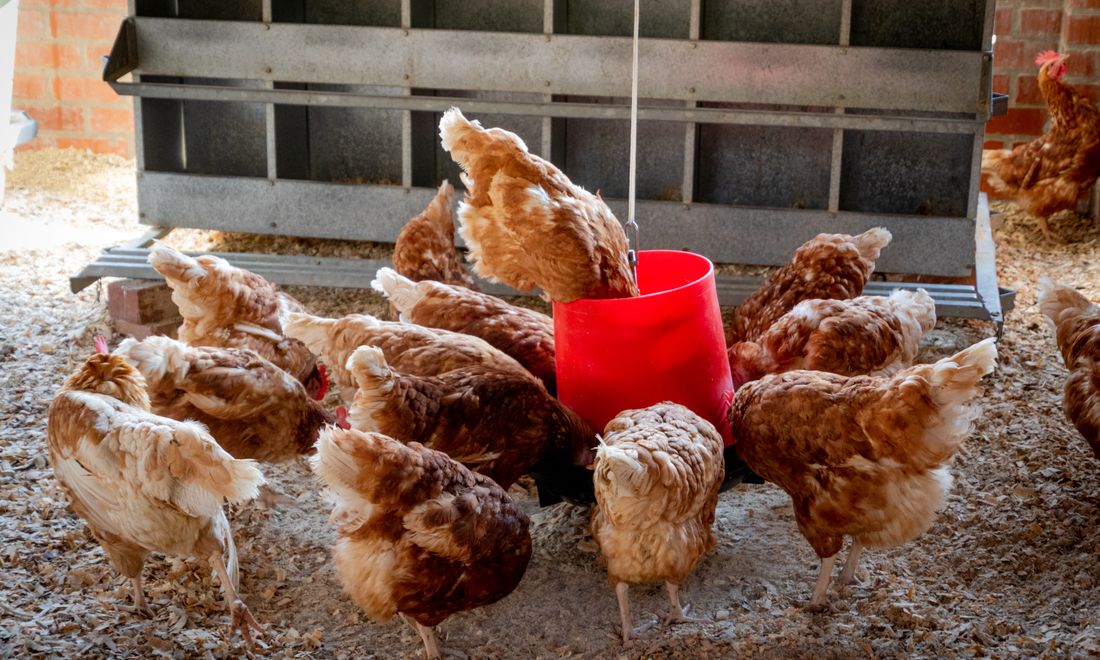
A farmer who buys at the top of the cycle, because the flock needs feed now, pays for the season and for the risk of the store. A farmer who buys in the dip and keeps the maize dry for a few weeks has a cheaper ration. The trick is knowing how long you can keep the grain without losing quality. In a humid store, that is not long.
What a price rise does to a batch
Here is a worked example with round numbers. A broiler house grows 1,000 birds to market. Over the batch the flock eats about 3.7 kilos of feed per bird, so the batch uses about 3,700 kilos. Suppose the ration is 58 per cent maize. That puts about 2,146 kilos of maize into the batch.
If maize rises from GH₵5.50 to GH₵7.00 a kilo, a rise of GH₵1.50, the maize bill for that batch goes up by about GH₵3,219. That is the rise on the maize alone, before any change to the other ingredients. Spread across 1,000 birds, it is about GH₵3.20 per bird, roughly a sixth of the price of a Ross 308 chick on our price list.
The same logic works on the way down. A farmer who buys maize in the dip, and keeps it in good order, protects the margin for the whole batch. Put the maize price on the batch record next to the chick cost and the feed used, so the cost of each batch is visible before you decide the next one.
Substitutes that can stand in for part of the maize
Substitutes can cut cost, but each one changes the energy, fibre or palatability of the ration. Treat a substitute as a formulation change. It needs a small trial, a check of the energy and a close watch on the birds.
| Substitute | Energy compared with maize | Main caution |
|---|---|---|
| Sorghum | Slightly lower, and varies by variety | Some tannin-rich varieties reduce digestibility. Use a known variety |
| Broken rice | Similar, with low fibre | Keep it dry, and check for insects and mould |
| Rice bran | Good energy, but high in oil | Goes rancid quickly. Buy fresh and use within weeks |
| Wheat bran | Much lower, and high in fibre | Use as a diluent in small shares, not as a maize replacement |
| Cassava chips or meal | Good energy when dry, very low protein | Must be properly dried and processed. Poorly processed cassava is toxic |
Introduce a substitute in steps. Replace a small share of the maize, watch intake and weight for a week, then move a little further if the birds are fine. Never replace all of the maize in one step, and never assume a cheap ingredient is a like-for-like swap for a dear one.
Mould, aflatoxin and why a lot can be refused
Mouldy maize is the most serious grain problem on Ghanaian farms. Some moulds produce aflatoxin, and birds exposed to it grow slowly, have weaker immunity and can die. The same toxin turns up in groundnuts and other grains, so maize is not the only ingredient to watch.
The rule we would follow is simple. A mouldy lot is not a discount, it is a return. A farmer who takes a cheaper load with a few bad cobs in each sack has bought the risk along with the grain. Open several sacks from the lot, not only the top one, and check deep into the pile. Mould sits where the grain was wet, and that is often the middle of the sack.
Need chicks for your next batch?
Send breed, number and town. We reply with price, hatch date and delivery cost in writing.
Buying maize at a bus station, a market or from a truck
Maize arrives in Ghana by truck, by bus and on the back of a motorbike, and it changes hands in busy places where nobody has time to check. A handover at a bus station is often rushed. The sacks are stacked in the sun, and the price is agreed in a few words. That is how a farmer ends up with a lot that was damp when it was loaded.
Slow down. Agree the moisture level, the grade and the price before the sacks come off the vehicle. Weigh a sample from several sacks on your own scale, not the seller's. Keep a sealed sample of every lot, labelled with the date and the supplier's name, so that if the birds react you can check what they were eating.
Storing maize for the lean months
Storage is where a cheap lot becomes an expensive one. Keep maize off the floor on pallets, away from walls, in a dry and ventilated store. Stack sacks so air can move between them, and rotate the stock so the first sacks in are the first sacks out. Weevils and rats both like a store that is not kept clean, so sweep, check and treat the store on a regular schedule.
In the rainy season, a store that stayed dry in the dry months can turn damp within weeks. Check the stock every week for warmth, clumping and smell. If a sack feels warm when you lean on it, open it and look, because heating is an early sign of mould. Our feed formulation basics article covers storage quality for the whole ration.
A checklist before you buy a load
Keep this list on the wall of the store. Do not buy the load until you can tick at least six of the seven lines.
- Agree the moisture level and the grade with the seller before loading.
- Open at least three sacks from different parts of the lot.
- Check for mould, insects, dust and broken grain.
- Smell the grain. Refuse anything sour or musty.
- Weigh a sample on your own scale and record the weight per sack.
- Plan where the lot will be stored, dry and off the floor, and when you will rotate it.
- Keep a sealed sample with the date and the supplier's name.
If you cannot get a clear answer on most of these points, walk away and come back when the next lot is in. A good supplier will not mind the questions, and a poor one usually shows you why you should have asked them.
Questions farmers ask
Why is maize used so much in poultry feed?
Maize is cheap for the energy it supplies, widely available in Ghana, and birds digest its starch well. It sits at the centre of most rations because nothing else on the market matches its combination of cost, supply and palatability. Its weakness is protein, so it always needs a protein source alongside it.
Can I feed whole maize to my chickens?
Yes, as a scratch feed or a supplement for older birds on free range. It is not a complete ration. Whole grain passes through the bird without all of its nutrients being used, and it does not give young birds what they need. Feed a complete ration and use whole maize as a treat. Our <a href="/blog/layer-feeding-guide-ghana/">layer feeding guide</a> covers the ration side for laying birds, and our <a href="/#order">order form</a> is the place to start when you need chicks to feed.
How do I tell if maize is mouldy?
Look for grey, green or white patches, dusty black spots and clumps. Then smell it. A musty, sour or mouldy smell means reject. Mould can hide in the middle of a sack, so open several and check deep. If you are unsure, leave it out of the feed.
Can I replace all the maize with sorghum?
Not in one step, and not without knowing the variety. Sorghum is a useful substitute in a trial share, but some varieties carry tannins that reduce digestibility. Start with a small share, watch intake and weight, and increase only once the birds are steady.
Should I buy maize when prices are low and store it?
Often yes, if you have a dry, clean store and can use the grain within a few weeks. Storage is the real risk. Maize bought cheap and stored badly can cost more than the saving, because you lose grain to weevils, damp and waste. Work out how many weeks you can keep it in your store before you buy the bulk.
Is cassava safe in poultry feed?
Only if it has been dried and processed properly. Fresh or poorly processed cassava contains compounds that can be toxic. It is also low in protein, so it cannot replace maize in full. Use a known, dried product in a small share and watch the birds closely. For the general questions, see our <a href="/faq/">FAQ page</a>.
How much maize should a broiler ration contain?
There is no single figure, because the share depends on the rest of the ration, the stage of the birds and the protein sources. As a rough guide, maize sits at a little over half of many Ghanaian rations. Your formula or your supplier's guide gives the share for your birds, so use that figure rather than a generic one. Our <a href="/blog/broiler-starter-grower-finisher-ghana/">phase feeds guide</a> shows how the ration changes as the bird grows.


