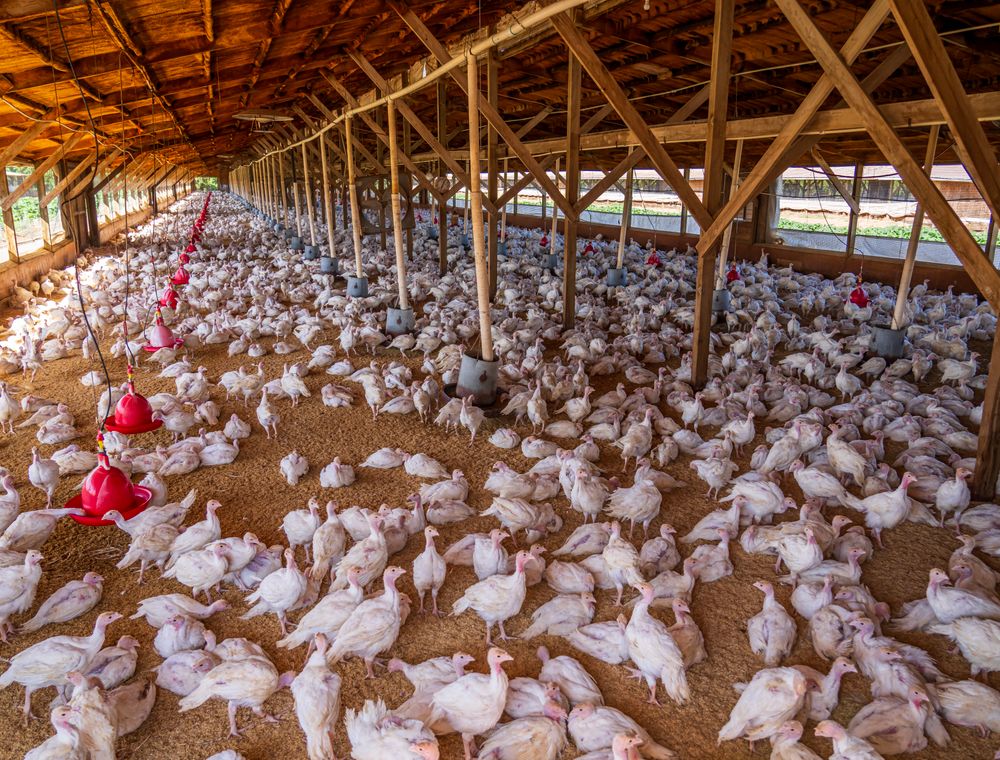
Short answer: In Ghana's dry season, egg numbers usually fall before any bird looks sick. The culprits are heat inside the house, water that runs short or warms up, and feed eaten at the wrong hours. Measure the house temperature, keep water flowing and cool, feed in the cool hours, and hold a steady light day of about 14 to 16 hours.
Key takeaways
- Measure the temperature inside the house at bird height, because the outside reading understates the heat the flock is living in.
- Water is the first check each afternoon, and extra drinkers are cheaper than a drop in lay that takes weeks to recover.
- Feed in the cool hours, keep feed fresh, and protect the ration's nutrient level when intake falls.
- Hold a steady light day of about 14 to 16 hours total, using lamps that run cooler, and avoid sudden changes.
- Keep litter dry and ventilation working through the harmattan, since dust and damp both hurt the flock.
- Call a vet or the veterinary officer early if birds are gasping, dying or stop eating for more than a day.
Why egg numbers drop before the birds look unwell
The dry season rarely announces itself as a disease. Instead, the first thing a farmer notices is a slow slide in the egg count. The flock looks normal from the door, the feed bins are not empty, and the birds are still moving about. Yet the trays hold fewer eggs each morning, and some of the eggs are smaller or softer than they were a month before. That slide is usually the body adjusting to heat and a shortage of water, which slows the hen's laying process before it harms her health.
Layers are more sensitive than most people assume. When the house runs hot, a hen eats less, and lower intake means less of everything she needs for egg production. Shell quality suffers first, then egg size, and then the number of eggs laid. Recovery is slow. Some hens take weeks to return to their earlier rate once conditions improve, so a few hot days can cost a month of output if they are not managed.
This is why the dry season needs its own routine, not just a hope that the birds will cope. Watch the trays as closely as you watch the feed bins. A falling count across three or four days is a signal to check the house, not a reason to wait and see what happens next.
Reading the house thermometer, not the weather report
The temperature on the weather app describes the air outside, usually under the shade of a tree at a height above the birds. The temperature that matters is the one inside the house, at the height of the birds' backs and in the middle of the flock. A tin roof, a dense flock and poor airflow can make the house several degrees hotter than the outside air in the afternoon.
Place a maximum and minimum thermometer in the middle of the house and read it at the same time each day, preferably mid-afternoon. Record the highest reading, and compare it with the trays the following morning. If you have a tin-roofed shed with little shade, you will often find the house is warmer than the reading you heard on the radio. Once you know your own shed, you can decide when to act.
| House temperature | What you may notice | Practical response |
|---|---|---|
| Below about 18 °C | Cool mornings in the harmattan; birds bunch up | Close lower vents at night, keep litter dry, avoid draughts at bird height |
| About 18 to 25 °C | Normal feed intake and steady lay | Keep the routine, check water and records |
| About 26 to 30 °C | Appetite starts to fall; water intake rises | Add drinkers, improve shade and airflow, move feeding to cooler hours |
| Above about 30 °C | Panting, low feed intake, smaller eggs and weaker shells | Full cooling measures, check water flow, reduce crowding, call a vet if birds die |
These bands are rough guides, not laws. Breeds, bird weight and the shed design all shift them, and some strains handle heat better than others. The breeds page is a fair place to compare them. What matters is that you know your own house well enough to see the warning signs before the trays show the damage.
Water first: the check to make every afternoon
In hot weather a hen drinks a great deal more than she does in cool weather, and the water she drinks also carries heat out of her body. A shortage of water is the quickest way to cut egg output in the dry season. Hens that are short of water stop eating, and the feed they leave behind is the calcium and protein they need to keep laying. Water is the first thing to check each afternoon, before you look at anything else.
Walk the line of drinkers and watch the flow. Nipples should release water when pressed, bell drinkers should be full, and no line should be dry at the far end. A common guide for nipple systems is roughly one nipple for every 10 to 12 birds, but your equipment supplier's recommendation for your flow rate is the one to follow. If birds crowd one end of the house, add a second line or extra drinkers before the heat peaks.
Water also warms up. Tanks in the sun can reach a temperature that birds find unpleasant, and warm water tastes poor and is drunk less. Shade the tanks, keep the pipes covered where possible, and flush the lines if the water has been standing. Clean drinkers matter as much as enough drinkers. Algae and slime put birds off, and they also carry bacteria.

Cooling the house with the options a small farm can afford
Cooling does not have to be expensive, but it does have to be deliberate. Start with airflow. Open the sides of the house wherever the design allows, and keep lower vents clear so that air can enter at bird height and leave near the roof. Stagnant air holds heat and moisture, and a crowded house with no air movement can become hotter than the outside air within a few hours.
Shade comes next. A shade net over the roof or along the west side of the house can reduce the heat the roof passes into the shed. Planting or keeping trees around the house helps as well, but only if the trees do not block the airflow. Some farmers wet the roof in the late morning or early afternoon, which cools the air as the water evaporates. Use this only where humidity allows it, since a damp, still house makes heat stress worse, not better. For more on housing and ventilation, see the poultry farming in Ghana guide.
Fans help where there is power, but place them to move air across the flock rather than blowing hard into one corner. Many small farms rely on fans during the hottest hours and switch them off at night. Power cuts are a real risk in Ghana, so have a plan for them. A house that depends entirely on fans will suffer when the power goes out in the afternoon.
Feeding in the cool hours and keeping feed fresh
Digestion produces heat, so a hen that eats in the hottest part of the day is adding to a load she is already carrying. In the dry season, plan the feeding round around the cool hours. Fill the feeders early in the morning, give the flock a good meal before the house heats up, and top up again in the late afternoon or early evening once the air starts to cool. Many birds eat more during these windows, and you will see it in the feeder.
Feed that sits in a hot bin or a warm store can lose quality quickly. Mould and rancidity are a risk, especially with mash that contains fats. Buy feed in amounts that will be used within a few weeks, store bags off the floor in a dry room, and remove any clumped or smelly feed rather than mixing it into fresh stock. Good feed in good condition is one of the simplest ways to hold lay in a hot spell.

Expect hens to eat less in the heat, and plan for it. If the flock is eating noticeably less, check the ration with your feed supplier rather than adding random extras. The aim is to keep the energy, protein and calcium levels balanced for the amount the birds actually eat. You can estimate a month of feed for your flock with the poultry feed calculator, which helps you spot a sudden change in use.
Keeping the ration balanced when intake falls
When a hen eats less, she takes in fewer nutrients, even though the bag on the shelf has not changed. The ration has to make up for that, at least in the nutrients that matter most for laying. Calcium is the first to watch, because the shell is formed overnight and a hen that eats less during the afternoon will start the night short. Keep a free-choice shell feeder in the house, so that the birds can top up their calcium when they need to.
Protein and the essential amino acids also matter. A hen that eats less may fall behind on these, and the eggs are often the first place this shows. Some farmers use a slightly more concentrated layer feed during the hottest months, but that decision should be made with the feed supplier, based on the actual intake and the flock's condition. Changing the ration without a reason can upset the birds and make things worse.
Vitamins and minerals in the premix also matter when birds are under stress. Check that the feed you buy is within its best-before date, and that it has been stored in a way that protects the vitamins. A premix that has been stored hot and humid for months loses potency. Ask your supplier how long the feed has been in their store before you take it.
Lighting that holds the laying day steady
Ghana sits close to the equator, so day length changes very little across the year. In most places the natural day is roughly 11 to 13 hours of light. A layer flock that is kept on a fixed lighting programme usually needs about 14 to 16 hours of total light to keep lay steady. In the dry season, when the natural day is at the shorter end of that range, supplementary light in the early morning or evening makes a real difference.
Choose the light source with heat in mind. Incandescent bulbs throw out a lot of heat, which is the last thing a hot house needs. LED lamps run cooler and use less power, which matters when the generator or the solar system is the limit. Keep the intensity at a level that lets birds see the feeders and drinkers without being overly bright, and avoid placing lamps directly above the nest boxes or the birds' resting spots.
Consistency matters more than the exact hours. Set the timer once, then leave it alone. Sudden changes in the lighting programme can knock a flock off its laying rhythm, and it can take weeks to recover. If you have to change the timer, shift it by small steps over several days. A simple written note of the programme, pinned near the switch, saves confusion when someone else is minding the house.
Need chicks for your next batch?
Send breed, number and town. We reply with price, hatch date and delivery cost in writing.
Harmattan dust, ventilation and dry litter
The harmattan from about December to February brings dry, dusty air, and it often comes with cool mornings and hazy afternoons. The cool mornings can tempt a farmer to close the house tightly, but a shed with no air movement quickly builds up ammonia from the droppings and dust from the litter. Both are hard on the respiratory system. Keep enough ventilation running at night to clear the air, while closing lower vents on the coldest nights to protect birds from draughts.
Litter needs to stay dry, and the dry season is generally kind to litter, but there are exceptions. Water leaks from nipples and drinkers can make the area under them wet, and wet litter releases more ammonia and encourages problems on the feet and the breast. Check the litter under the drinkers every few days. Turn it or replace the wet patches so that the flock is not standing in damp material.
Dust is also a reason to keep the house tidy. Sweep the walkways and the perches in a way that does not blow the dust back into the air, and store feed and shell with the lids closed. A clean, dry house with steady ventilation is easier on the flock and on the people who work in it.
A health watch for the dry months
Heat and dust do not cause all the illness you may see, but they make some problems harder to manage. Watch for birds that stand with their beaks open, pant heavily, sit apart from the flock, or stop eating for a day or more. Watch also for coughing, sneezing, watery eyes or swollen faces, which can point to respiratory trouble. A sudden rise in deaths, or deaths in birds that looked well the previous day, needs urgent attention.
Keep your vaccination programme on time, since the dry season is a poor time to let protection lapse. The poultry vaccination schedule calculator can help you lay out the dates so that no booster is missed. If you are unsure what a sign means, do not guess and do not start treating the flock on a hunch. Contact a qualified vet or the veterinary officer, describe what you have seen, and follow their advice and the label on any product they recommend.
Keep notes of the daily count, water checks, house temperatures and any changes in behaviour. A clear record turns a vague worry into a useful description, and it helps the vet work out whether heat, feed, water or disease is behind the change.
A dry-season plan to write down before the heat arrives
The best time to prepare for the dry season is before the first hot week, not during it. In October and November, check the drinkers, repair any leaks, and clean the lines. Order the feed you expect to need, store it properly and check its condition. Test the shade and the airflow while the weather is still mild, and decide where you will add extra drinkers or shade if the house runs hot.
Write a short plan for the season and keep it on the wall near the store. It should say when you check water, when you feed, what temperature triggers extra measures, who does what if you are away, and what the power backup is. Make the plan simple enough that a worker can follow it on a bad day. A plan that only exists in your head will be forgotten the first time you are busy.
Finally, price the season. Compare the feed you buy, the water you pump, the power you use for fans and lamps, and the eggs you expect to sell. If you plan to restock before the next season, the layer chicks for sale in Ghana page shows what we hatch. The layer and egg profit calculator lets you test different egg numbers against those costs, so you can see how much a drop in lay would cost you before the heat arrives.
What to watch when the heat finally breaks
Many farmers relax when the first rains arrive, but the weeks after a hot spell need attention too. Lay often recovers slowly, and the eggs laid in the first few days after a change in weather may still be smaller or softer than normal. Keep the water and feeding routine in place for a while, and keep recording the daily count until the rate settles back to where it was before the heat.
Rain brings its own challenges. Damp litter, wet feed bags and humid air can all cause trouble, so keep the store dry and the litter turned. Watch for a flare-up of respiratory signs or diarrhoea as the weather changes. If the flock is still struggling a month after the heat has gone, look again at feed intake, water flow, lighting and health, and do not assume that the weather alone explains everything.
A flock that is kept well through the dry season tends to recover faster when the rains return. The farm that keeps records, checks water every afternoon and feeds in the cool hours is the farm that sees the trays fill again quickly. The blog has more notes on managing layers through the year, and the FAQ answers common questions about ordering birds and planning a new flock.
Questions farmers ask
Why are my hens laying fewer eggs but still eating?
Heat can reduce egg output while feed intake stays fairly steady, especially if the birds are eating in the cooler parts of the day. Check the house temperature, water flow and the shell feeder, and watch the trays for smaller or softer eggs. These are often the first signs.
How often should I check water during the dry season?
Check it at least twice a day, and more often during a hot spell. The afternoon check is the most important, because that is when the house is hottest and the birds drink most. Look at the line, the flow and the temperature of the water.
Will adding a light help my hens lay in the dry season?
Often, yes. Ghana's natural day is short for lay in some months, and a fixed programme of about 14 to 16 hours of total light helps keep lay steady. Use lamps that run cooler, and change the timer gradually rather than all at once.
Should I change the feed when the weather gets hot?
Do not change it on impulse. First confirm that the feed is fresh and stored properly, then check intake and the calcium supply. If the nutrient level needs adjusting, make that decision with the feed supplier based on how much the flock is actually eating.
Is it safe to spray water on the birds in the heat?
Wetting the roof or the air around the house is a common cooling measure. Spraying the birds directly can chill them at night or in a draught, and it can wet the litter. If you cool the birds directly, do it carefully and only in the hottest hours, and make sure the house can dry out.
What if the power goes off during the hottest part of the day?
Plan for it before it happens. Keep extra drinkers and shade in place so the house does not depend only on fans, and make sure you have a backup plan for water pumping. If birds show signs of distress, call a vet or the veterinary officer without delay.
When will my layers return to normal after the heat?
It varies by flock and by how hard the heat hit. Many hens take several weeks to return to their earlier rate. Keep the routine steady, keep records of the daily count, and be patient, but also look for any sign that the decline is not recovering.


