Short answer: A machine pays on a small Ghanaian farm when it removes a bottleneck you feel every season, such as ploughing before the rains or shelling a big maize harvest. Hire for one season first, log every hour, and buy only when the yearly cost of owning the machine is lower than what the same hours cost you by hand or by hire.
Key takeaways
- Hire a machine for one full season before you commit money to buying one.
- Count the hours in a notebook. A machine that sits idle still costs you every month.
- Price the yearly cost of ownership, not the sticker price on the dealer's card.
- Ask your district MoFA office which mechanisation services are open to you, and check current terms.
- Keep guards on every power take-off shaft and keep children well back while anything runs.
Hire before you buy, and let one season teach you
The tractor turns up at seven, the driver wants his money before the first furrow, and by noon the field is half ploughed because the soil under the top few centimetres has dried into a crust. Most small farmers in Ghana meet mechanisation this way, through a hired service that arrives at the worst possible moment.
Hiring is still the sensible first step. You learn what your land needs, how many hours a field really takes and whether your planting date is set by the rain or by the operator's diary. Ask around the district for ploughing and planting services, compare the charge per hour or per acre, and ask whether the operator will wait for the soil to reach the right moisture. Rates differ from town to town and season to season, so check current local rates before you agree anything. Our farm record-keeping guide shows how to keep those hours and costs in one book from the first week.
Keep a notebook for the whole season. Write the date, the field, the task, the hours and what you paid for each job. At the end of the year that notebook will tell you more about buying a machine than any dealer brochure.
Match the machine to the job that holds you back
A machine only earns its keep when it fixes the slowest part of your work. Before you look at a catalogue, walk the farm and mark the jobs that eat the most days. It is usually one of six: ploughing, planting, weeding, spraying, shelling or grinding. The table sets out the common machine for each job and the point to check before you pay.
| Job | Usual machine | What to check before buying |
|---|---|---|
| Land preparation | Tractor or two-wheel tiller | Can it reach the field by the access track, and does a tiller cope with your soil depth |
| Planting | Seed planter, or a hand planter | How easily seed spacing changes, and how much seed drops off the metering plate |
| Weeding between rows | Rotary weeder or brush cutter | Blade guard, fuel use, and whether your row width suits the machine |
| Spraying | Knapsack or motorised sprayer | Nozzle type, tank size, and the protective kit the operator will wear |
| Maize shelling | Hand sheller or motorised sheller | Output per hour, and how dry the cobs must be before they go in |
| Grinding and grating | Hammer mill or cassava grater | Power source, screen size, and how fast the feed material spoils |
The cheapest machine is not always the one with the lowest hourly cost. A hand sheller that needs four people for an afternoon can cost more in labour than a motorised one hired for a single morning.
Two-wheel tillers on a compound-sized farm
On a compound plot or a small holding, a two-wheel tiller often beats a tractor. It turns soil in narrow strips, fits between trees and walks down a footpath, and it burns far less fuel than a tractor sitting idle in the yard. The purchase price is only part of the story. Attachments, operator skill and spare parts in your town decide whether the machine stays useful after the first season.
Tillers struggle with hard pan, the compacted layer that forms just below the surface where the same depth has been ploughed for years. If the machine bounces and leaves slabs of unbroken earth, the problem is usually depth and moisture rather than power. Work the soil when it crumbles in your hand. Working it when it is bone dry raises dust and tires the operator, and working it when it is waterlogged smears the surface and leaves clods that set like brick.
Before you buy, ask which attachments are sold for that model in Ghana and whether a spare clutch cable or blade is in stock in Accra or Kumasi. A tiller that waits three weeks for one part is an expensive ornament during the planting window.
Shelling and milling: where machines pay soonest
Post-harvest work is often where a small machine pays fastest, because the labour it replaces is heavy, repetitive and tied to a narrow window. Hand shelling a large maize harvest can take days, and cobs left in heaps too long go mouldy or attract weevils. A motorised sheller clears that bottleneck if you can keep it fed and the grain is dry enough.
Moisture is the rule that matters most. Grain that goes into a bag before it is dry enough heats, sprouts or grows mould, and the aflatoxin risk that follows is serious for anything you sell as feed or food. Dry the cobs on a clean surface away from the goats and the chickens, and check the grain before it is bagged. The regional MoFA office can tell you which moisture levels buyers in your area ask for.
Cassava and groundnut work follow the same logic. A cassava grater or chipper saves hours of hand work, but the mash must be dried quickly or it sours. A groundnut sheller pays most when the crop comes out of the ground in one push and the pods are dried properly before shelling, rather than sitting in the sun for weeks while the family waits.
Sprayers and the hand-spraying bill nobody counts
Hand spraying with a knapsack takes the operator's back, time and skin. A motorised sprayer covers more ground, but it needs fuel, a service plan and a second person to handle the hose when the tank runs low. Either way the sprayer is the machine where safety matters most, because the operator is breathing and touching the product for hours.
Wear the protection the label asks for, and do not eat, drink or smoke in the spray area. Rinse the tank after every job, store chemicals away from feed and children, and never tip leftover spray into a well, a pond or a drain. Calibrate the sprayer with clean water before you open a product, so you know how much solution the nozzles deliver per minute. Extension officers at the district office can show you how to do this on your own knapsack. If your spraying runs alongside a flock, keep the poultry house and its feed store out of the spray path, and read our poultry record-keeping guide so product dates and bird movements go in the same book.
Follow the label for timing, dose and the waiting period before animals or people eat the crop. The Environmental Protection Agency registers pesticides in Ghana, so check that a product is approved for your crop before you buy it. If you are not sure, ask the agric extension officer before the spray goes on.
Add up the yearly cost before you sign anything
A machine's yearly cost is the share of its price you pay each year it lives on your farm, plus the running costs. Fill the letters below with the quotes you have actually been given, not the figures a salesman quotes on the phone:
Yearly cost = (P minus R) divided by Y, plus I, plus M, plus F, plus O
- P is the purchase price, including delivery and the first service.
- R is what the machine would sell for at the end of its working life on your farm.
- Y is the number of years you expect the machine to last on your land.
- I is the interest on the money tied up in it, or the return you give up if you use your own savings.
- M is the yearly repair and spare-parts bill.
- F is fuel, oil and filters.
- O is the operator's time, plus any second person you pay to help.
Run the same sum for every enterprise you are weighing, not only for the machine. Our comparison of farming ventures explains how to set the cost of a machine against the margin it protects. Divide the yearly cost by the hours you really use the machine. If that figure per hour is higher than what a hired operator would charge for the same work, hire. If it is lower, and your hours are steady from year to year, buying starts to make sense. The sum only works if the hours are honest, which is why the season notebook matters so much.
Fuel, spares and the mechanic who lives nearby
Most machine trouble on a small farm is not dramatic. A blocked fuel filter, a loose belt or an oil level that dropped while nobody looked takes the machine out for a week. Keep a small kit with the spare plugs or blades that fit your model, the right oil, a set of spanners and a clean funnel. Store fuel in a locked, ventilated place away from the house, and label the drums so no one tips petrol into a diesel tank.
Find the mechanic before you need him. Ask a dealer in the nearest town whether he carries parts for your model and how long a common part takes to arrive. Service intervals are printed in the manual. Write every service in the notebook with the hours on the meter, because a machine with no service record is harder to sell and easier to neglect.
If fuel is the line that hurts most, a solar pump may cover some water jobs without a diesel bill. Our solar power guide for farms sets out where the sun works and where it does not. Plan for a breakdown in the planting window. Ask a neighbour with the same machine whether you can borrow a part or swap a job, and agree that before the rains start, not in the middle of a dry week when the seed is already in the bag.
Need chicks for your next batch?
Send breed, number and town. We reply with price, hatch date and delivery cost in writing.
Safety in the first month, not after the first accident
Most machine accidents on farms happen in the first few weeks, while the operator is still learning how the controls respond and where the guards sit. Read the safety section of the manual before the first start, not after the first scare. Keep bystanders, especially children, well back from any machine that is running.
Power take-off shafts, belts and chain drives are the most dangerous parts. Keep their guards on. Never push a stick or a hand into a moving feed hopper, and switch off and wait for the blades or rotors to stop before you clear a blockage. Loose cloth, long scarves and bare arms near a turning shaft have ended farm work for good. Keep a first-aid box and a charged phone in the shed.
Ear protection matters on engines that run for hours. A pair of ear defenders is cheap next to a lifetime of hearing loss, and an operator who can hear the machine properly is a safer operator, not a less alert one.
What mechanisation changes for the family
A machine does not remove the work. It moves the work to different people and different hours. A tiller needs a strong operator who can hold the handles on rough ground. A sprayer needs someone who reads the label and keeps the mixing clean. A maize sheller needs a feeder and a bagger. When one family member becomes the machine's owner, the others often take on the jobs it created, and the farm can end up arguing about who is doing what.
Write the jobs down. Give a younger member the service record and the parts list, and give the older farmers the final say on planting dates. Many women already run the seed, feed and sales side of a holding. A machine that frees their hours for that work is worth more than the labour it saves in the field, so count it in the plan from the start.
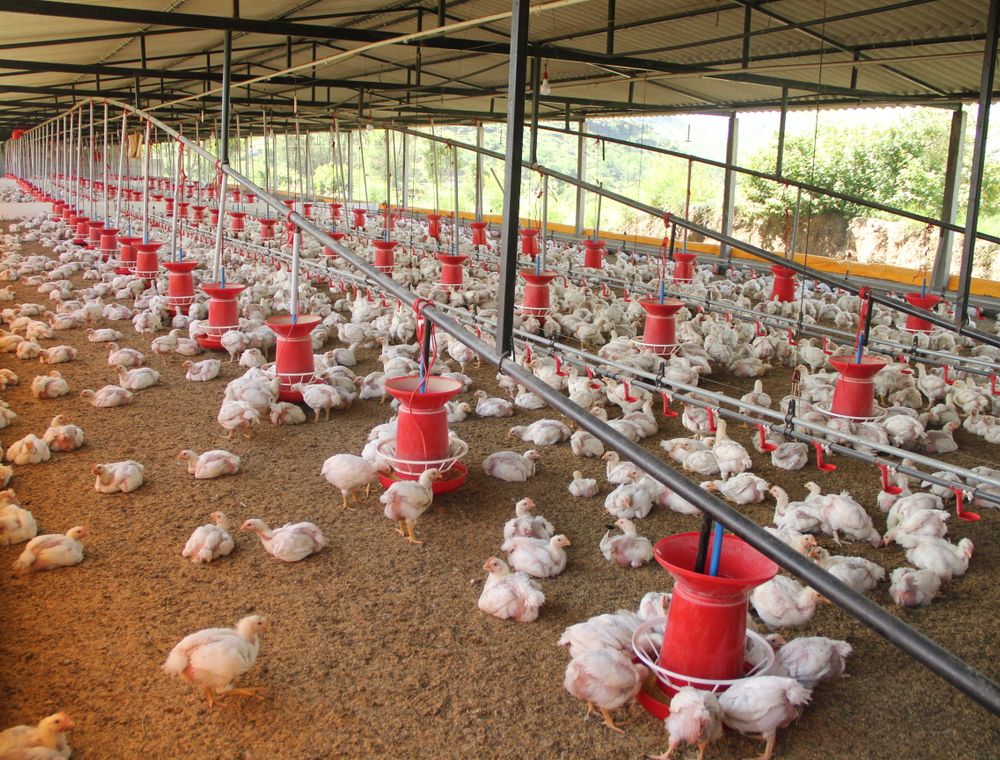
The same logic holds on the poultry side. A house with automatic drinkers and feeders needs less daily lifting, but someone still walks the water line each morning and checks the nipples. Our guide on automatic drinkers and feeders sets out where the savings are real and where they are not.
Where to ask for help in Ghana
Start at the MoFA district office. Ask for the agricultural engineering staff or the extension officer who handles mechanisation, and ask whether your district has a mechanisation service centre or access to one through Planting for Food and Jobs. Terms, eligibility and the list of centres change between programme phases, so check current terms before you travel or sign.
Ask dealers for a demonstration on your own land, not only in the showroom. Ask which spare parts are in stock in your nearest town, how long the warranty runs, and who will service the machine when it breaks. Insist that the warranty is written down. A dealer who will not put the warranty on paper has already told you something about it.
For the money side, banks and agricultural lenders usually want to see the yearly cost sum and the hours you plan to run the machine. Our guide to GIRSAL and farm finance explains how risk-sharing lending reaches farms like yours, and what a lender will ask for before a machine loan goes through. Many machine owners also form a farmers' group to share costs and buying power.
Poultry jobs a small machine can take over
Poultry is where many of these farms start, and it has its own small machinery list. A mash mixer saves hours on a farm that blends its own feed. A small pump lifts water from a borehole or tank to a drinker line, so nobody carries buckets across the yard twice a day. A pressure washer makes brooder cleaning between batches faster and more thorough.
None of these is essential at a hundred birds, and each one adds a power bill and a maintenance job. Buy for the job you have now. If you are still choosing your first flock, you can start with day-old chicks from Halaal Farms, and we will help you decide which breed suits your feed, your time and your market. For a first flock on a budget, see our poultry business plan guide before you buy the house or the machines. If money is tight across the whole farm, read how to start with little money first.
If the poultry side is where you want to begin, the order form is the quickest route, and the team can talk through breed and batch size on WhatsApp. Our delivery page covers dispatch from Opeikuma, Kasoa.
Checklist before you buy or hire a machine
Before the next season, go through this list with everyone who will touch the machine:
- Write down the three jobs that take the most days on your farm.
- Hire a machine for one full season and log every hour and cost.
- Fill in the yearly cost sum with real quotes before you sign.
- Confirm that spare parts and a mechanic are within reach of your town.
- Get the warranty and the service terms in writing.
- Name the operator and a backup who can run the machine if the first person is ill.
- Check every guard before the first run of the season.
- Agree written sharing rules if anyone else will use the machine.
Questions farmers ask
Can a small farm in Ghana use a tractor without owning one?
Yes. Many farms hire a tractor for ploughing and planting, paid by the hour or the job. Ask your district MoFA office and local operators what is available, compare rates and agree the timing before the rains start. Hiring also lets you test whether the work justifies buying. Keep the hours in a notebook so the decision rests on your own figures.
Is a two-wheel tiller better than hiring a tractor?
It depends on the size and shape of the field and what the soil allows. A tiller suits narrow, irregular or compound plots and fits between trees. A tractor suits larger open fields where the work is deep and wide. Many farms use a tiller for seedbed work and hire a tractor for the heavy first ploughing. Write down the hours of each before you decide.
Do I need training before I run a tiller or a sprayer?
Yes, even a short demonstration is worth the time. Ask the dealer or the extension officer to show you the start-up, the controls, the guards and the shutdown. For sprayers, learn calibration and the protective equipment the label asks for. A badly run sprayer wastes product and puts the operator at risk, so training is cheaper than a mistake.
Which machine should a poultry farmer buy first?
Start with the job that takes your hours each week. For many poultry farms that is water supply to the house or the cleaning between batches, not a large machine. A small pump or a pressure washer can be a better first buy than a mixer. Buy the machine that removes the job you dread most, and leave the rest until the flock grows.
How do I check that a machine dealer is genuine?
Ask for the business registration details and a written quote. Visit the showroom or yard and ask for a demonstration on a field. Check that spare parts are stocked in your town or the nearest regional centre, and get the warranty in writing. Ask other farmers who bought from the dealer how the after-sales service went when something broke.
Does Planting for Food and Jobs give farmers machines?
The programme has included mechanisation services and access to equipment through service centres, but the exact support changes between phases. It is not a guaranteed free machine for every farmer. Ask the district MoFA office what is running this season, who qualifies and what you must pay or contribute, and check current terms before you plan around it.
How do I decide between buying and hiring?
Use the yearly cost sum. Work out the cost per hour of owning the machine, including depreciation, interest, repairs, fuel and the operator, then compare it with the hired rate for the same hours. If you use the machine only for a few weeks a year, hiring usually wins. If the hours are steady and the work cannot wait, buying can pay.


