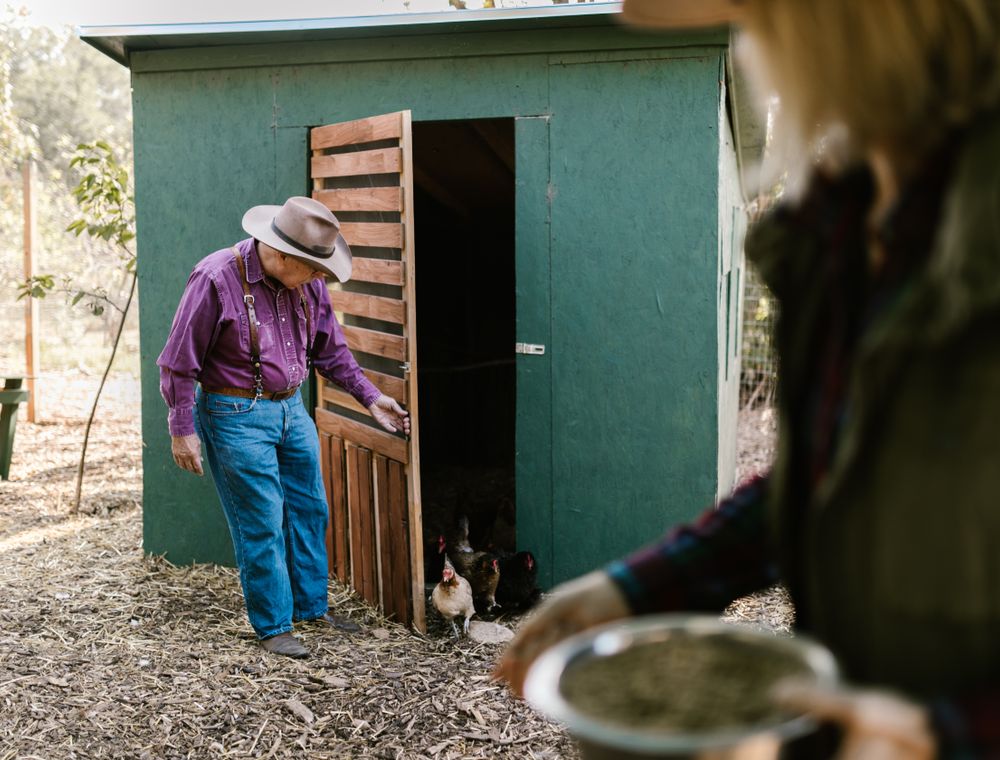
Short answer: Yam and plantain peels from fufu makers, chop bars and kitchens are free, but they are mostly water and fibre with very little protein. Once dried, they can stretch the ration for goats, sheep, cattle and mature birds when they are paired with a proper protein source. They should never be the main feed for day-old chicks or starter birds.
Key takeaways
- Dry peels until they snap cleanly, because damp peel sours and grows mould, and some moulds leave toxins that drying does not remove.
- Peel is bulk and fibre, not protein, so always pair it with groundnut cake, soya, fish meal or legume haulms.
- Keep peels away from day-old chicks and starter birds, and give mature birds only small measured shares.
- Leave out bitter yam peel and any peel that is mouldy, sprouting, heavily oiled or from fruit you cannot wash clean.
- Introduce new peel gradually over about a week so goats, sheep and rabbits do not get loose dung or go off their feed.
- Plan your drying space before collection starts, because fresh peel spoils within a day in the Central Region heat.
The peel that goes in the bin, and what it is worth
Every fufu pounding spot, chop bar and household kitchen in the Central Region throws out yam and plantain peel by the bucket. It is one of the most common farm wastes in Ghana and one of the cheapest feed sources you could ask for, because the raw material is already sitting in someone else's rubbish. The real question is not whether peel can be used. It can. The question is which animal can use it, how much of it to give, and how to stop it rotting before it reaches the trough.
Peel is a bulk material, not a nutrient-rich feed. Fresh peel is mostly water, its dry matter is mostly fibre and starch, and its protein is low. In practice peel fills the stomach and gives some energy, but it does not build muscle or lift egg output on its own. A goat that eats dried yam peel with a protein supplement can do well. A laying hen fed peel alone will lose condition and stop laying. Use peel to stretch a ration, not to build one.
Many farmers start with peel for ruminants, because goats, sheep and cattle can digest fibre that a chicken cannot. That is a sensible place to begin. Before you change anything, it helps to know how much feed your birds actually eat in a week, and our poultry feed calculator is a practical place to start that count. If the peel project later grows into keeping birds on the same compound, our guide to starting poultry farming in Ghana covers the basics in order.
What is in a yam peel, and what is in a plantain peel
A yam peel is thin, firm and fibrous. Most of the tuber's weight is flesh, so the peel from a fufu pounding is a small share of the yam, and it carries less energy than the flesh it came from. The dried peel is mainly fibre and carbohydrate with a modest amount of minerals. Protein is usually a small percentage of the dry weight, which is exactly why peel needs a partner in the ration.
Plantain peel behaves differently. It is thicker, very wet when fresh, and its sugar content rises as the fruit ripens. Green peels from kelewele sellers and boiled plantain stalls are firmer and dry more slowly. Ripe yellow peels are softer and begin to ferment faster when they sit in a heap. Both types arrive at the farm mostly water, so the first job is always drying, and the second is keeping the dried product dry.
Moisture is the real problem
Fresh peel can be far more water than dry matter. That is useful to a farm that wants a cheap source of liquid for a ruminant on a hot afternoon, and a disaster for a feed store. A heap of wet peel left in the sun for two days turns sour and warm, and mould follows quickly. Once peel is mouldy, do not feed it, even when the smell seems mild, because some moulds produce toxins that survive drying.
Bitter yam and the peels you should never feed
Not every yam belongs in the feed bin. The white, yellow and water yams sold in Ghana's markets are the peels most farmers collect. Bitter yam, a wild species often found in the bush, contains compounds that are toxic unless it is processed with care, and its peel should stay out of animal feed. If you cannot tell which yam a peel came from, leave it in the bin, and ask the seller where the yams were grown.
Even edible yams carry an irritant. Raw yam contains needle-shaped crystals of calcium oxalate, which can make the mouth and throat sting when a person chews raw flesh. Animals can react in the same way. Cooking, or wilting the peel thoroughly in the sun before feeding, reduces the sting. This is one reason we advise drying peel fully before it goes into a trough. Boiled peel from a chop bar is therefore not the same thing as a raw heap collected from a yam pile.
Plantain peels from kelewele shops bring a different problem. They can carry oil, pepper, salt and spice from the frying pan. A little salt is tolerable, but heavily spiced or oily peel should not go to animals, and it attracts flies and rot faster than plain peel. Ask the seller to keep the peels separate from the frying waste.
Collecting peels from fufu makers, chop bars and kitchens
The best sources are places that already separate peel from food. Fufu pounding spots, kelewele sellers, plantain chips makers, chop bars that peel plantain for boiling, and institutional kitchens all produce peel every day. Ask for a bucket a day and agree a collection time before the rubbish truck comes. Many sellers are glad to give peel away, and a few will ask for a small payment for a sack, so agree the terms before you start rather than after.
Collect in the morning if you can. Peel heats up in a closed bucket, and fermentation often starts within a day, sometimes sooner in the heat of the dry season. Keep yam and plantain peel in separate bins, because they dry at different rates and you need to know which one you are feeding. Use a clean bag or a bucket with a lid, and remove sand, plastic bags and food waste before you spread anything out to dry.
For the wider picture of keeping birds on a Ghanaian compound, our poultry farming in Ghana pages are a good next read, and the blog has more low-cost feed ideas.
Washing, chopping and getting the peel ready to dry
Wash peel in clean water to remove soil, sap and the dust from the market floor. Plantain peels from market heaps may carry insects and pesticide residue, so a quick scrub helps, and it is wise to avoid peels from fruit you know was heavily sprayed. Drain the peel well and spread it out. Wet peel drains slowly, and any water left in a heap keeps it wet for days.
Chop the peel into pieces about two to three centimetres long. A cut surface dries much faster than a whole curled peel, and chopped peel mixes evenly into a ration later. A manual chopper or a kitchen knife is enough for a small batch. For larger volumes, a hammer mill with a coarse screen can grind dried peel into meal, but grind only when the peel is fully dry, or the meal clumps in the bag.
Sun drying on a raised mesh tray instead of bare ground
Dry peel on a raised mesh or a clean tarpaulin, not directly on sand or bare earth. Sand and grit get into the feed, and the bottom layer stays damp against the ground. A wooden frame with chicken wire or plastic mesh works well, and the tray should sit high enough for air to move underneath. Spread the peel in a layer thin enough that you can see daylight through the gaps between pieces.
In good dry-season sun, chopped yam peel usually dries in about two to four days. Plantain peel can take longer, especially ripe peel, which holds more water. Turn the peel once or twice a day so the underside dries as well. Bring the tray under cover at dusk, and again during the afternoon showers that arrive early in the rainy season, because damp peel left out overnight can start to sour. A simple roof over the tray pays for itself quickly in the wet months.
Do not rush the drying by piling peel thick on the tray. A thick heap dries on top, stays wet underneath, and then heats and mould sets in from the inside before you notice anything wrong.
Checking for dryness with a bend and a sealed jar
Peel is dry enough to store when a piece snaps cleanly when bent, rather than folding back. It should not feel cool, leathery or soft in the centre when you press it. If you have a grain moisture meter, test a sample of ground meal, and aim for a moisture level of about 12 percent or lower for storage. Without a meter, rely on the snap test and be strict about it, because a peel that feels almost dry will mould in a damp store within weeks.
A simple home check is to seal a handful of dried peel in a clean glass or plastic jar for a day or two. If droplets form on the inside of the jar, the peel still holds too much water. Put it back in the sun, let it dry again, and repeat the test. This takes patience, but it is far cheaper than losing a full sack to mould. When you are working out whether peel saves money at all, put your real feed costs into our layer egg profit calculator and compare.
Goats, sheep and cattle: fibre that earns its place
Ruminants make the best use of peel, because their stomachs break down fibre. Goats and sheep can take dried yam or plantain peel as part of the roughage portion of the ration, mixed with crop residues, dry grass or hay. Cattle can take it the same way on a farm that already feeds dry-season forage. Peel should not replace grass or residues entirely, because the rumen needs a steady supply of long fibre to work properly.
Start small. Give the new feed for a week, mixing a little more in each day, and watch the dung. Loose, watery dung or a sudden drop in appetite means you have moved too fast. Goats that have been on dry grass will often take peel readily, but they still need clean water and a salt lick. An animal in good condition on peel plus a protein supplement does far better than one that is hungry on peel alone.
Need chicks for your next batch?
Send breed, number and town. We reply with price, hatch date and delivery cost in writing.
Rabbits and grasscutters: fresh peel in careful amounts
Rabbits and grasscutters have sensitive digestive systems. A sudden switch to a new, wet food can cause scouring, bloating or a sharp drop in appetite. For rabbits, add dried peel beside the pellets and fresh greens, in very small amounts. If you offer fresh peel at all, give only a small handful and clear away anything left uneaten before the afternoon heat sets in.
Grasscutters kept in pens can take dried peel as a bulk supplement alongside grass, leaves and their usual ration. Keep their water clean and fresh, and store the peel off the floor so damp and rodents stay away from it. If any animal goes off feed for more than a day, or if its droppings change, stop the peel and speak to a vet who understands small livestock.
Poultry: small shares for mature birds, never for chicks

Poultry is where peel needs the most caution. Chickens have short digestive tracts and high energy and protein needs, and peel supplies little of either. Dried peel meal can go into the ration of mature layers and broilers in small measured shares, but only as a supplement to a balanced feed. Start with a low share, watch egg production and droppings for a week, and return to the normal feed at once if you see any change.
Day-old chicks, and birds still on starter or grower feed, should not get peel at all. Young birds need the protein, vitamins and minerals in a proper starter ration, which is formulated for fast early growth. Peel in the brooder can dilute the starter intake and slow growth at the most important stage of a flock's life. If you are planning a new flock, our day-old chicks page is the place to check what is available, and the starter feed should come first in the plan.
Watch the weight of your birds as well as the eggs. A flock that loses weight on a peel-heavy ration is telling you the protein share is too low, and it is better to correct the balance than to keep feeding peel and wait for the problem to go away. If you are still choosing a breed for the flock, the breeds page is a good place to compare options first.
The protein gap and what to buy alongside the peel
Peel is cheap, but it is not complete. Every animal fed peel needs a protein source that the peel cannot supply. For poultry this usually means soya meal, groundnut cake, fish meal or a commercial protein concentrate. For ruminants, legume haulms such as cowpea and groundnut residues provide protein and calcium. The aim is a ration in which the peel fills the bulk and the protein source does the heavy work.
| Animal | Peel form | Conservative starting share | Watch for |
|---|---|---|---|
| Goats and sheep | Dried yam or plantain peel, chopped | Part of the roughage, increased over about a week | Loose dung, dropping appetite |
| Cattle | Dried peel mixed into dry forage | Part of the roughage, never the only feed | Weight loss, reduced cudding |
| Rabbits | Dried peel beside pellets | A small handful a day as a treat, not a staple | Scouring, bloating |
| Grasscutters | Dried peel with grass and leaves | Small supplement, not the bulk of the diet | Changed droppings, refusal to feed |
| Mature layers and broilers | Dried peel meal | Low share in the mix, checked with a feed adviser | Egg output, droppings, weight gain |
| Day-old chicks and starter birds | None | Not recommended | Not applicable |
These are starting points, not fixed rules. The right share depends on the animal's age, weight, breed and everything else it eats. If you mix your own poultry ration, use our poultry feed calculator to work out total feed needs, and have a feed formulator check the protein and energy before you mix a full batch.
Storage that keeps weevils and mould out of the store
Dried peel is still food, and it attracts the same pests as grain: weevils, moths and rodents. Store it in clean, dry woven sacks or sealed plastic bags on a raised pallet, away from the wall. A dry shed with good airflow works better than a closed box, which traps humidity. Keep peel well away from fertiliser, pesticide and fuel, and out of reach of dogs and children.
Inspect the store every week. Look for clumps, warm spots, a musty smell or fine webbing from insects. Remove affected peel at once and do not mix it back into good stock. Peel is most at risk in the rainy season, when the air is humid and the store feels damp. Use the oldest stock first, and plan to use a batch within a few months rather than leaving it for a year. Topping up an old sack with a fresh batch is a common way to spoil the whole lot.
Signs that peel is causing trouble, and what to do next
Most problems with peel come from speed, not from the peel itself. Animals fed too much fresh peel too soon can develop loose dung, bloating or a drop in appetite. Animals fed mouldy peel may show weakness, poor growth or lower egg output. Stop the peel, offer clean water and the normal feed, and watch closely for a day. Do not try to treat a sick animal with a random drug bought over the counter.
If an animal is bloated, collapsed, drooling, passing blood, or refusing feed for more than a day, call a qualified veterinarian or your district veterinary officer straight away. Bring a sample of the peel you were feeding if you can. A vet can confirm the cause and advise on treatment and dose, so follow their instructions and the product label rather than guessing.
Questions farmers ask
Can I feed raw yam peels straight to my goats?
You can give small amounts, but dried or well-wilted peel is safer. Raw peel can irritate the mouth, and a sudden change can upset the rumen. Start with a little mixed into dry grass and increase the share gradually over about a week.
Are plantain peels safe for chickens?
Dried plantain peel can be a small supplement for mature layers and broilers when it is mixed into a balanced feed. It cannot be the main feed, and it should never go to day-old chicks or birds on starter feed.
How do I know the peel is dry enough to bag?
The peel should snap cleanly when bent and should not feel cool or soft in the centre. Seal some in a clean jar for a day or two. If droplets form inside the jar, put the peel back in the sun and test again.
Can I use bitter yam peels?
No, not unless you know exactly how the yam was processed and you have advice from someone experienced. Bitter yam contains compounds that are toxic, so leave its peel out of animal feed altogether.
Do peels replace feed?
No. Peels add bulk and some energy, but they are low in protein and short of many nutrients. Use them to stretch a ration that already includes a proper protein source and clean water.
What should I do if my goats get loose dung after I start peels?
Reduce the peel share and give more dry roughage. Keep clean water available at all times. If the scouring continues or the animal looks unwell, call a vet rather than waiting it out.
Is it worth collecting peels from chop bars?
It can be, if you can collect fresh peel daily and dry it quickly. Peel that sits overnight in a closed bucket often sours, which adds labour and risk. Plan your collection route and drying space before you start.
Can I store dried peel for a year?
It is better to use it within a few months. Keep it dry, off the floor, and checked weekly. Long storage raises the risk of weevils and mould, even in a well-kept store.


