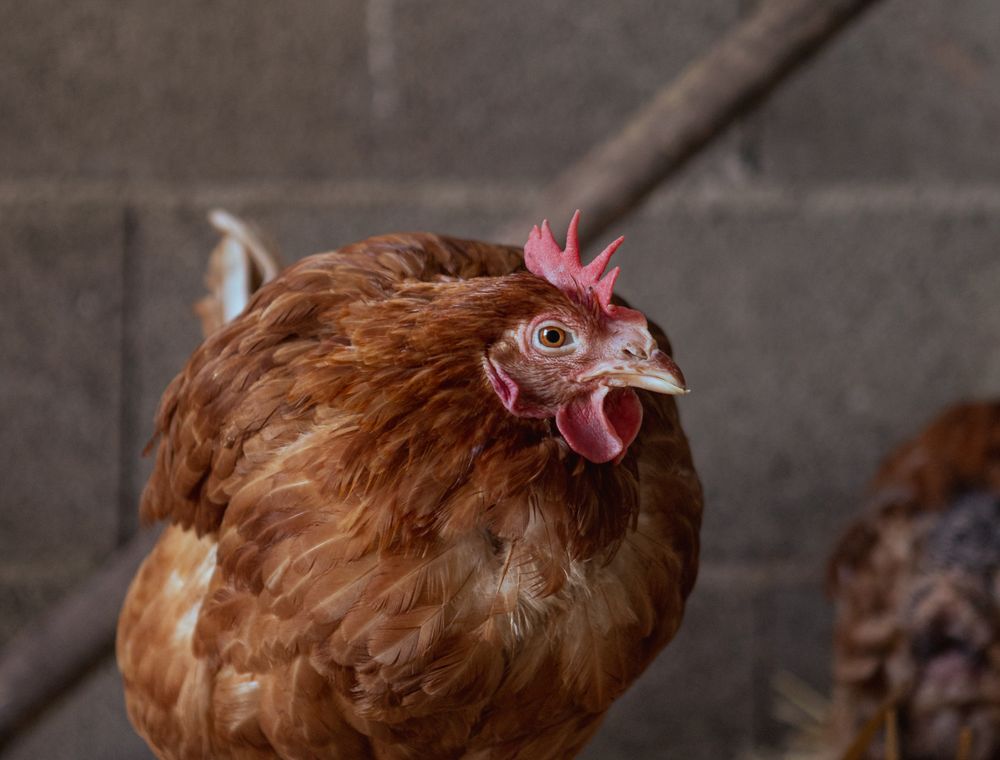
Short answer: Plan one nest hole for every four to five hens, build each hole about 30 cm square and deep enough for a hen to turn round, and fill it with dry clean litter. Most floor eggs come from too few holes, nests that are wet or dirty, or nests that a hen has taken over as a roost. Train the pullets into the nests two or three weeks before lay, and collect eggs at least twice a day. A 400-hen flock needs about 90 nest holes, which is about 14 metres of nest front in two tiers.
Key takeaways
- Plan one nest hole for every four to five hens, and add more in the hot months or for heavy breeds.
- Build each hole about 30 cm square with a front lip, and keep the bottom row off the litter.
- Use materials that stay dry, clean and off the ground, and that do not turn into termite food.
- Train pullets into the nests two or three weeks before lay, and shut them in at night for the first days.
- Collect eggs at least twice a day, and treat every floor egg as a sign that something in the nest set-up needs changing.
When a flock is laying on the floor, count the nests first
When a layer house starts losing eggs to the floor, most farmers look at the feed. The feed matters, but the first thing we count on a farm visit is the nest holes. A flock of 400 hens with 40 nest holes will lay on the floor, however good the ration is, because the hens cannot all find a place to lay at the same time.
A hen wants to lay in a private, dry place, and she wants it before the morning gets busy. If the nests are full, she looks for the next best place, which is usually a corner, under a feeder, or behind the house door. Those eggs are dirty, often cracked and sometimes eaten. Fixing the nests is the cheapest way to fix the floor eggs, and it is the fix most farmers leave until last.
How many nest holes you need
The figure we start from is one nest hole for every four to five hens. The house has to hold the nests as well as the birds, so check the floor sum in our house size guide. In a cool month with a steady flock of a single breed, four is enough. In the hot months, or with heavier hens, plan for the lower end of that range, because the hens spend longer in the nests in the heat, and more of them want the same cool hole at the same time.
Count holes, not boxes. A box with four holes is a useful unit to build, but the hens only care about the holes, and a box with three holes and an empty corner is a box that has lost a place. The table gives the usual counts for a few flock sizes, using one hole per four to five hens and boxes of four holes.
| Hens in the house | Nest holes needed | Boxes of four holes | Collection rounds a day |
|---|---|---|---|
| 100 | 20 to 25 | 5 to 7 | Twice, morning and afternoon |
| 300 | 60 to 75 | 15 to 19 | Twice, morning and afternoon |
| 500 | 100 to 125 | 25 to 32 | Two or three times |
| 1,000 | 200 to 250 | 50 to 63 | Three times in the hot months |
Two rules sit alongside the table. Add holes in the hot season, not after the eggs start to hit the floor. Heat is the other reason, so our piece on cooling a poultry house in hot weather covers the shade and airflow side. And do not wait for the flock to peak before you build, because the flock reaches peak lay quickly, and at peak almost every hen wants a nest in the same few morning hours. A set-up that coped at the start of lay will not cope at peak.
Size and shape for the birds you keep
A nest hole should be about 30 centimetres square for most commercial brown hens. Heavy breeds and larger local birds do better with a little more width, and a slightly deeper front, so that they can turn, settle and stand up without clawing at the lip. Do not make the holes much bigger than that. A large open nest invites two hens to share it, and a shared nest is where eggs get broken.
Give each hole a front lip of about 10 to 15 centimetres, so an egg that is laid while the hen is shifting does not roll out onto the floor. Slope the nest floor slightly toward the back or the front, depending on how you collect. The aim is that a freshly laid egg settles where the hen can sit on it, not where it can roll out or be trodden on.
Height matters for the bottom row. Set it high enough that birds cannot perch on top of the lower boxes and foul them, and low enough that a hen can climb in without a struggle. Many farms raise the lowest row well off the litter, and put a step or a short ramp in front, which suits the flock better than a steep ladder. Watch the birds on the first day. Any hen that hops up and misses the lip needs the step lowered.
What a hen looks for when she chooses a nest
Hens choose by what they see and what they smell. A nest with a clean, dry litter, a little straw and an egg already in it is a nest a hen will use. An empty nest with bare boards, or one with the litter stale and dusty, is one she will ignore, however well you built it.
The light matters too. A hen likes a nest that is dim enough to feel private but bright enough for her to find the front. Put the holes along a wall, not in the middle of the house, and make sure the front is shaded from the afternoon sun. A nest that catches the afternoon sun stays hot long after the hens have laid in it, and the birds will look for a cooler hole next time. For the wider question of what makes a nest feel private, our guide to why layers eat their eggs goes into the detail.
Materials that suit Ghana's heat and dust
There is no single right material. Pick the one that stays dry, can be cleaned, and lasts the length of the flock.
- Plywood or timber boards. The most common choice on Ghanaian farms. Seal the surfaces so the litter does not soak in and the wood does not swell. Raise the boxes off the floor on blocks or a concrete plinth, because termites will find any wood that touches the damp ground.
- Plastic crates. Light, easy to wash and easy to move, and cheap for small flocks. Cut a few ventilation holes in the sides, add a lip and place them in shade, because a plastic crate in full sun gets very hot inside.
- Metal sheet. Simple to clean and rodent-resistant, but it heats up quickly in the sun and sweats in the early morning. Shade it, and line it with litter, or it will be the hottest place in the house.
- Bamboo, cane and other local materials. Cheap and readily available, but the cracks and rough joints hide mites and dust. If you use them, keep them dry, plan to replace them more often, and check the joints every week. Red mites hide in those joints, and our guide to mites and lice explains how to keep them down.
- Brick or block. Strong and cool, but hard to clean and hard to move. Good for a permanent layer house with a clear cleaning routine.
Whatever you choose, keep the boxes off wet ground and out of direct rain. If you are still choosing between floor and cage systems, our battery cage versus deep litter comparison sets out the costs, and our housing designs guide shows where the nests fit. Rain driven in under an eave wets the litter in the nest, and a damp nest is the fastest way to lose a hen's interest.
Nest litter: what to use and how often to change it
Use dry, clean material that the hen can scratch into and that will not clump. Wood shavings, dry sawdust and rice husk all work well if they are kept dry. Clean straw is good, and it is what most hens are used to. Avoid damp husk, which goes mouldy in a few days in the humid months, and avoid anything with mould already on it, because the spores go into the hen's lungs when she settles.
Change the nest litter weekly at least, and sooner when it is soiled. Scrape out the old material, check the boards for droppings and mites, and put in fresh material to a depth of a few centimetres. In the harmattan months, fine dust blows into the house and settles on the nests, so a light sweep of the nests every morning keeps the hens from breathing dust while they lay.
Training pullets into the nests
Pullets do not know what a nest is for, and most of them need showing. Get the nests in the house at least two or three weeks before the first hens come into lay, so the birds grow up seeing them. Our guide to when layers start laying shows the signs that the first eggs are close, and our point-of-lay pullets guide covers what to look for when you buy them.

- Put one real or dummy egg in each hole. A hen that sees an egg in a nest will go back to it.
- Close the nest front or the pop-holes at night for the first few days. A pullet that spends the night in a nest will roost there, and a roosting hen fouls the nest and leaves the floor for the next lay.
- Each afternoon, lift any hen that is crouching or sitting in a corner and place her in a nest. Do it gently, and keep the lifts short, because a hen that is handled too much will stop trusting the nests.
- Remove droppings and wet litter from the holes every day. A pullet will avoid a dirty nest for the same reason you would.
- Watch the first lay. The first egg on the floor tells you that a pullet has not found the nest yet, and the fix is to check the nest, not to blame the bird.
Floor eggs: finding the cause
A floor egg is information. It tells you which part of the nest set-up is failing, and most of the time the cause is one of a short list.
- Too few holes for the number of hens. Count the holes against the table. If the flock has grown, the nests have not.
- A hen roosting in a nest. Look in the nests at dusk. A hen sitting in a hole at night will keep the next hen out in the morning.
- Dirty or wet litter. Hens avoid a nest they find damp, sticky or smelly.
- Nests that are too bright, too open or too hot. A nest in full afternoon sun, or open to the whole house, invites the hens to look for a better place.
- A bullying top hen. A dominant bird can keep the others out of the nests. Watch for one bird that sits in front of the holes and chases the rest away.
- A bottom row that is too high or too steep. Hens that cannot climb in will lay where they can reach.
- A flock that has just come into lay. The first weeks are the worst, and they settle when the pullets learn the holes.
To find the cause, count the floor eggs for a week and note where they are. If the eggs are also cracked or thin-shelled, read our guide to soft-shelled eggs, because the nest is not the only suspect. If they cluster by one wall, look at the holes on that wall. If they are scattered, the cause is more likely the flock than the nests.
Need chicks for your next batch?
Send breed, number and town. We reply with price, hatch date and delivery cost in writing.
Collection, handling and egg quality
The nest is only as good as the collection routine. An egg left in a nest for hours gets trodden on, soiled by a hen that stands in the hole, or pecked by a bird that has learned to eat eggs. Collect eggs at least twice a day, early in the morning and again in the afternoon. Hens tend to lay in the first half of the day, and our lighting program for layers covers how the light schedule sets that timing. In a big flock, or in the hot months, a third round at midday keeps the eggs cooler and cleaner.
Handle the eggs gently and keep the crate clean. Do not wash the eggs in cold water or leave them in a wet crate, because the shell can take in moisture and bacteria. If an egg is dirty, wipe it with a dry cloth. Remove broken or cracked eggs at once, and clean the nest where they fell. Our article on storing table eggs covers the next stage, once the eggs are out of the house.
Worked example: 400 hens in a floor house
Take a house of 400 hens kept on litter, which is a common size for a farm that is just moving into layers. At one nest hole for every four to five hens, the flock needs 80 to 100 holes. We would plan for about 90, to keep a margin for the hot months.
Ninety holes in boxes of four is about 23 boxes. That is a lot of wall. Stacking the boxes in two tiers, with about 12 boxes in each tier, puts the nests at roughly 14 metres of nest front, which fits along one long wall of a house about 10 by 12 metres, with room left for the door. The lower tier needs its step or ramp, and the upper tier needs a rail so the hens do not fall off the edge when they hop up.
Then count the work. Two collection rounds a day on 400 hens is a manageable job for one person with a crate and a clean cloth. Check the nests at dusk for the first two weeks, and count the floor eggs each morning. If there are more than a handful on the floor after the first few days, go back to the causes list and work down it. If you are starting a layer house and want the pullets to match it, message us on WhatsApp at +233 24 915 1503, or see our layer day-old chick page for the breeds we hatch. You can also place the order directly through our order form.
Mistakes we see with nest boxes
- Building the nests after the flock arrives. The pullets need to see the nests before they start laying, not after they have started on the floor.
- Counting boxes, not holes. A box with a missing hole is a box with a hole missing from the count.
- Letting the nests fill with droppings. A nest that is never cleaned becomes a place the hens avoid.
- Putting the nests in the sun. A nest that heats up in the afternoon becomes the place the hens leave.
- Ignoring the bottom row. If the lowest holes are hard to reach, the hens will lay somewhere easier.
- Leaving eggs in the nest all day. The longer an egg stays in a nest, the more chance it has of being broken or soiled.
Nest box checklist
- Holes counted against the flock, with one hole for every four to five hens
- Each hole about 30 cm square, with a front lip of 10 to 15 cm
- Bottom row off the litter, with a step or ramp that every hen can reach
- Nests along a shaded wall, away from afternoon sun and open doorways
- Materials sealed or cleaned, raised off wet ground, and checked for termites and mites
- Dry, clean litter in every hole, changed weekly or sooner if soiled
- Pullets shown the nests two to three weeks before lay, with pop-holes shut at night
- Eggs collected at least twice a day, with broken eggs removed at once
- Floor eggs counted each morning and traced to a cause on the list
Questions farmers ask
How many nest boxes do 100 layers need?
Plan one nest hole for every four to five hens, which gives 20 to 25 holes for 100 hens. In boxes of four holes that is five to seven boxes. Add holes in the hot months, and collect the eggs at least twice a day so the hens are not waiting for a clean nest.
What size should a layer nest box be?
About 30 centimetres square for most commercial brown hens, with a front lip of 10 to 15 centimetres to keep eggs from rolling out. Heavy breeds and larger local birds do better with a little more width and depth. Keep the holes close to the size of the hen, because a very large nest invites sharing, and shared nests break eggs.
Why are my hens laying eggs on the floor?
The most common causes are too few nest holes for the flock, hens that roost in the nests at night, dirty or wet litter, and nests that are too bright or too hot. A bullying top hen and a bottom row that is too high can also cause it. Count the floor eggs for a week and check the nests at dusk to find out which one applies.
Should I use straw or wood shavings in nest boxes?
Either works if it is dry and clean. Wood shavings, dry sawdust and rice husk are easy to find and keep their shape. Straw is what most hens are used to. Change the litter weekly, or sooner if it is soiled, and never use damp or mouldy material, because it can harm the hens' lungs as well as putting them off the nest.
When should I put nest boxes in the house for pullets?
Put them in the house at least two or three weeks before the first hens come into lay. Pullets that grow up seeing the nests are much more likely to use them. Put one egg or dummy egg in each hole, shut the pop-holes at night for the first few days, and lift any hen that crouches in a corner into a nest in the afternoon.
Can I use plastic crates as nest boxes?
Yes, for small flocks, if they are shaded and have a few ventilation holes cut into the sides. Plastic crates are light, easy to wash and cheap, but they heat up quickly in full sun. Add a lip to the front and keep the crates off wet ground. For bigger flocks, a permanent wooden or block nest set-up is easier to keep clean.
How often should I collect eggs from the nests?
At least twice a day, early in the morning and again in the afternoon. In big flocks, or in the hot months, add a third collection at midday. Collecting regularly keeps the eggs cleaner, reduces breakage and means the hens are not sitting on eggs they have already laid, which can encourage them to stay in the nest and block the next hen.

