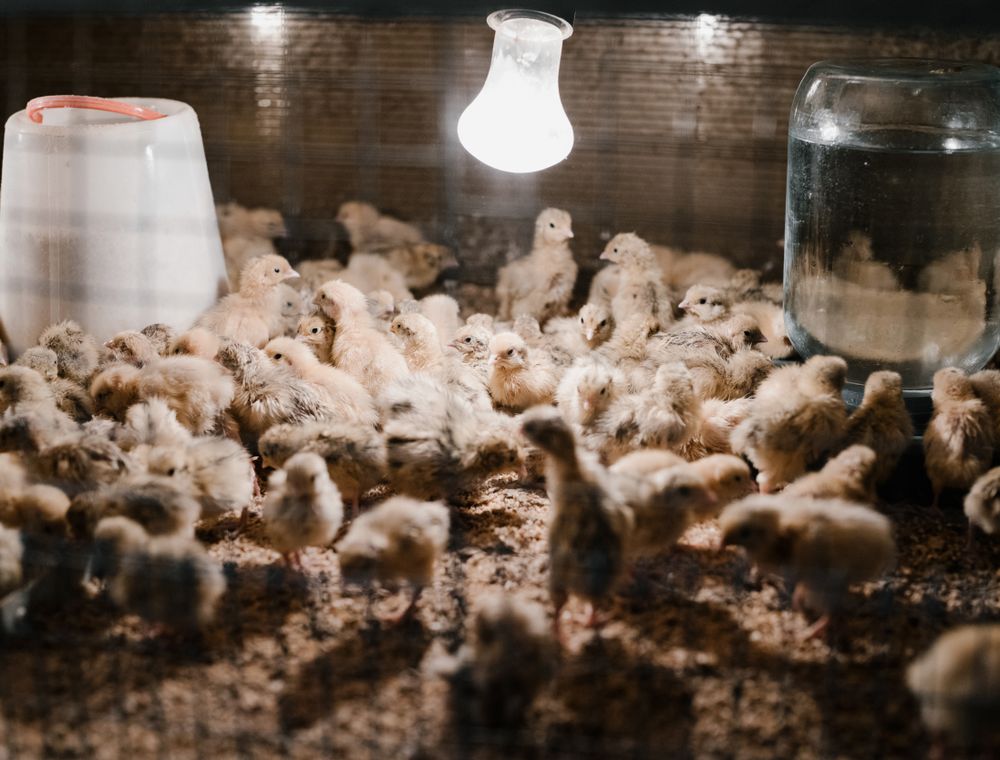
Short answer: Rickets is a bone disease in young, growing birds. The bones do not harden properly, so the legs bow, the beak turns rubbery and the bird struggles to stand. It comes from too little vitamin D3, too little available calcium or phosphorus, or a calcium and phosphorus balance that is wrong for the bird's age. Feed the right phase, keep the litter dry and the house warm, and follow your vet's advice if the legs start to go.
Key takeaways
- Rickets is a mineral and vitamin problem in growing bone, and the feed bag is the first place to look.
- Calcium and phosphorus work as a pair. Too much calcium in a chick feed can block the uptake of phosphorus.
- Fast growth and heavy birds put the joints under load, so leg weakness can appear even on decent feed.
- Joint infections and injuries look similar, and they need a vet rather than a bag of minerals.
- Keep oyster shell out of chick and grower feed. Shell belongs in the layer diet.
What happens inside a bone that is still growing
A young chicken's skeleton starts out as a great deal of cartilage. Cartilage becomes bone only when calcium and phosphorus are laid down in it, and vitamin D3 helps the gut take those minerals from the feed into the blood. Without enough of it, the growing ends of the long bones stay soft, and the bone cannot carry the weight of a growing body.
The picture on the farm is simple enough. A chick that does not get the minerals or the vitamin it needs grows the wrong shape of bone. The legs bow, the joints swell at their ends, the beak stays soft, and the bird starts to sit down instead of walking.
That is rickets. Leg weakness is the wider name, and it covers rickets along with a few other problems that give a similar walk.
The signs you can check in the house
- Bowed or twisted legs, or birds that walk with the hocks close to the litter.
- A beak that bends or feels rubbery when you press it.
- Beading on the ribs, where small bumps show along the side of the chest.
- Swollen, knobbly joints at the ends of the leg bones.
- Birds that sit more than they stand, or cannot reach the feeder.
- Reduced feed intake and slow growth in the affected birds, with the rest of the flock looking normal.
Pick up a few birds from the back, the front and the side of the house, and look at the same birds each week. A chick that has sat in the warm corner for three days needs checking, and so does a bird that refuses to stand when the feed bucket rattles.
Calcium and phosphorus: the pair that has to balance
Calcium and phosphorus are needed in the right amounts and in the right ratio. Too little of either weakens bone. Too much calcium, especially in a young bird's feed, can reduce how well the bird takes up phosphorus, so the bones suffer even though the bag looks rich in minerals.
A growing bird needs both in its feed, and needs less calcium in a starter than a laying hen needs for her shell. That is why the feed phases are split the way they are. A chick starter, a grower and a layer feed each carry a different level on purpose. Our guide to chick starter feed explains what to expect on the label.
| Mistake | What it does | What to do instead |
|---|---|---|
| Oyster shell in a chick starter | Adds calcium without phosphorus, so bones stay soft | Keep shell out of starter and grower feed |
| Eggshell fed to chicks | Calcium only, hard to measure, and can carry bacteria if not dried and sterilised | Use a balanced feed, not kitchen shell |
| Home mix without a formulation | The mineral level is a guess, and phosphorus is often short | Use a formulation, or ask your feed maker for one |
| Maize-heavy diet | Much of the phosphorus in grain is bound up and hard to use | Balance the diet, and ask whether the formula includes phytase |
| Feed stored damp | Vitamin D3 and minerals lose strength | Dry store, dated bags, closed lids |
For the layer side of the same story, see feeding calcium and oyster shell to layers. The advice flips at point of lay, when shell becomes the right answer.
Vitamin D3, the feed and the house
For indoor flocks, the dependable source of vitamin D3 is the feed, not the sun. A brooder house with the doors shut gives the birds no route to make it, so the premix in the bag is the thing that matters most.
The premix is also the easiest place to lose the vitamin. D3 is sensitive to heat, damp and time. A bag left open, or feed stored in a hot room, can fall well below the label before the flock reaches the age that needs it. Farmers who call us about bowed legs very often have a feed bag that has sat for months. Our feed storage guide covers the store that keeps those losses down.
Why fast growth puts legs under strain
A broiler that grows quickly carries its weight on legs that are still forming. The joints take the load early, and any weak spot shows up as a limp or a sit-down. Leg problems are more common when birds get heavy too fast, when the floor is slippery, and when the litter is wet and the birds keep sliding.
This is where feed phase and weight management meet. A feed that pushes growth without the mineral and vitamin balance to match will give you a flock that looks big on the scale and walks badly. Our broiler weight chart by week gives the targets to measure against. The Ross 308 guide and the Cobb 500 guide both cover how fast each strain builds its weight and what that asks of the legs.
Floors, litter and the first walk
A chick that cannot grip the floor will spread its legs and slip, and that is an injury waiting to happen. Put a non-slip base under the brooder from the first day, usually litter or a clean sack, and keep the litter dry so the feet are not wet and cold.
Wet litter also brings ammonia, which irritates the eyes and the skin of the feet. Check the litter at bird height each morning, and fix the drinker or the ventilation before you add more bedding. Our broiler litter guide shows how to read the litter in your own house.
How to tell rickets from a joint infection
Not every leg problem is rickets. Viral arthritis, tenosynovitis and bacterial joint infections can swell the joints and make birds limp. Infection tends to pick out a few birds, with hot, painful joints and a general sickness. Rickets tends to show across a group of birds, with a gradual change in the shape of the bone and the beak.
A vet can tell them apart on live birds, and sometimes from a post-mortem on a bird that has been put down humanely. Do not treat the flock on a guess. Follow your vet's advice on any feed or water additive, and on whether the birds need a closer look.
Need chicks for your next batch?
Send breed, number and town. We reply with price, hatch date and delivery cost in writing.
A prevention plan for soft bones
Most soft-bone problems are prevented by feed and floor habits, not by a single product. This is the list we give farmers who want to keep their chicks walking.
- Feed the right phase at the right age, and keep oyster shell and kitchen eggshell out of chick and grower feed.
- Use a formulated feed with the vitamin D3 and available phosphorus the bird needs, and ask the maker for the analysis.
- Keep feed and premix dry and cool, and use each bag before its date.
- Give a non-slip floor and dry litter from day one.
- Weigh a sample of birds every week and keep a curve. If they run far ahead of target, talk to your vet about the feed.
- Note leg signs on the morning walk. A bird sitting apart is a finding, not a mood.
When a farmer calls us after losing birds to bad legs, the first thing we ask is what the feed was and when the bag was opened. The second is where the birds spent the first two weeks: on a slippery sack, in a cold corner, or with the drinkers dripping on the litter. Most of the answers are in those two places. Bring the feed bag and a photo of the house to your vet, and let the vet tell you whether the birds need a closer look at the bone or the joint.
Harmattan, rains and the leg
In the harmattan the house can run cold at night. Birds that huddle lose heat and eat less, and bones miss the minerals they need when feed intake falls. Keep the brooder warm enough that the chicks spread out instead of piling. Our brooder temperature chart gives the week-by-week targets, and the heat source guide covers what to run when the power is off.
In the rains, damp litter and slippery floors cause more leg injury. Keep the house ventilated so the litter does not hold moisture, and check that drinkers are not dripping onto the litter.
In the hot months birds eat less in the afternoon. Put the main feed out in the cool hours so the bird takes in its minerals and vitamins, and keep the house from overheating.
What arrives with the chick, and what it still needs
Our day-old chicks leave the hatchery vaccinated against Marek's, Newcastle, Gumboro, infectious bronchitis and coccidiosis, and each batch comes with a record. Nutrition is not a hatchery vaccine. The bone health of a chick is built in the feed and the house across the first weeks, and that part sits with you.
Ask for the feed analysis, buy the phase your birds' age needs, and check the bag date before the first scoop goes out. Our broiler day-old chick page covers what to expect from the order. Count the birds on arrival and send a photo to +233 24 915 1503 on WhatsApp that day. If you are placing an order, use the order form, and we will confirm the price in writing before payment.
Questions farmers ask
Can chicks get rickets in a few days?
Rickets takes time. It usually needs a couple of weeks of inadequate feed or conditions before the bone change is clear. Limping and splayed legs can come quickly from a slippery floor or an injury, though. If several chicks walk badly within days, look at the floor, the litter and the feed first, and call your vet if it does not settle.
Is eggshell a good calcium source for chicks?
Not really. Eggshell is mostly calcium, and chicks also need phosphorus and other minerals in balance. It is hard to measure, and if it is not dried and sterilised it can carry bacteria. A balanced chick starter already contains what a chick needs at that age.
Can I give extra vitamin D to the flock?
Do not add it on a guess. Too much vitamin D is also harmful. Check the feed analysis before you add anything, and follow your vet's advice on any supplement, including how long to use it. A complete starter feed is the safer base for most flocks.
Why are my broilers walking badly when they are growing well?
Fast growth loads the joints before the bone has caught up. A bird that gains weight quickly on a feed high in energy but short on minerals can look big and walk badly. Check the mineral balance and the litter, and talk to your vet if the weight curve runs well ahead of target.
What is the difference between rickets and tibial dyschondroplasia?
Rickets is a broad term for soft, poorly mineralised bone caused by a nutritional problem. Tibial dyschondroplasia is a specific disorder of the growth plate in the shin bone, linked to fast growth and nutrition, where the plate does not turn into bone properly. A vet can tell the two apart on the bird and on the feed history.
Are leg problems in chicks always about nutrition?
No. Joint infections, injuries, slipping on floors and some toxins can all cause limping. Nutrition is one cause among several, which is why the signs need checking against the feed, the floor and the bird's age together.
How often should I weigh chicks?
Weigh a sample every week from the first week, and keep a note. A flock that falls behind the weight curve is often the first sign of a feed or mineral problem, well before the legs show anything. Use the same scale each week and weigh the same number of birds from different parts of the house.


