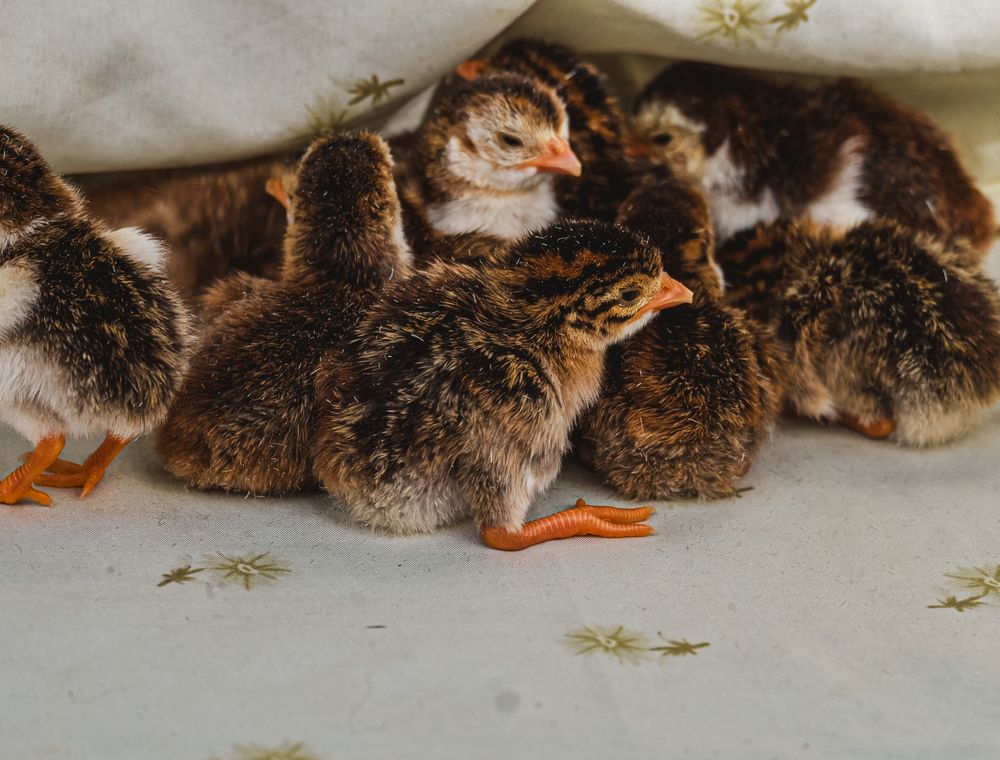
Short answer: Pearl, lavender and white guinea fowl look different as adults, and the colour shows in the down before the feathers, but the colour a keet shows on the day it hatches is not always the colour it will carry as an adult. Colour is inherited, so a flock with mixed colours will throw mixed offspring unless you pair on purpose and record each pen. Choose the colour after you know who will buy the birds, and ask the hatchery which colours are in the batch before you pay.
Key takeaways
- Pearl grey is the usual colour in most flocks; lavender and white are less common and need planned pairing if you want them to breed true.
- Keet down colour is a clue, not a guarantee, so judge the adult colour only after the feathers come through.
- Mixed colours in one pen give mottled offspring, and mottled birds are harder to sell as a set.
- Keep a written pairing record for every pen and label the eggs by pen before they go into the incubator.
- Colour does not change how a guinea fowl grows or lays much, but it can change what a buyer expects to get.
- Ask which colours are in the batch before you pay, and write the colour on your order.
Pearl, lavender and white: what the three colours look like grown
Which colour should I buy? It is the first question on the phone, and the honest answer depends on what you intend to do with the birds.
Pearl is the colour most people picture. The body is a dark slate grey and every feather carries small white spots, which is where the name comes from. Lavender is a paler, softer grey, with the spotting lighter and less contrasted. White birds are white through the plumage, with no pattern to speak of. In a yard or on open bush they look very different from each other, and they catch the eye in different ways.
Most of the guinea fowl we see in Ghanaian villages are pearl, and that is no accident. A pearl bird blends into dry grass and dusty ground, and it has been the default for as long as birds have been kept here. Lavender and white are newer to most farms. They sell because they look different, not because they are tougher, and that difference is worth thinking about before you spend on a colour.
- Pearl: dark grey body, white spotting on each feather, the most common colour in most flocks.
- Lavender: paler grey body, lighter spotting, a softer look that some buyers ask for by name.
- White: all-white plumage, the most visible colour on open ground.
None of these colours makes a guinea fowl a different animal. The bird is still a guinea fowl, with the same needs for dry brooding, careful feed and a fence it cannot easily fly over. The colour is a decision about the market and the breeding plan, and nothing else. If you are still weighing species against each other, our breeds page sets out the options side by side.
Reading the colour in a keet's down
A keet hatches covered in down, not feathers, and the first colour you see is the colour of that down. People want to judge the adult bird from the chick, and most of the time they guess wrong.
In our hatchery trays a pearl keet usually looks the darkest of the three in the first days, with a greyish head and body and the first hints of spotting coming up later. A lavender keet is paler and more even. A white keet is a soft cream or buff at hatch, and it looks more like a fluffy yellow chick than a guinea fowl until the feathers start to show. Those are general impressions, not rules. Keets vary, and the light in the hatchery and the light in the box change how a colour looks to the eye.
Give it time. The pattern of the adult feathers arrives over several weeks, and the first real test is the moult into juvenile plumage. If you need to sell a colour, wait until the birds are old enough to show their true feathers before you promise a buyer anything. Telling a buyer a keet is pearl or lavender at hatch, and then having it come through differently, is the quickest way to lose a customer in a small town.
How colour passes from parents to keets, and why records matter
Colour is inherited, and the way it passes from parents to young follows rules that differ for each colour. That is not something you can settle with a guess, and it is why a mixed flock with no written records can produce a surprising batch.
The practical lesson is simple. If you pair a pearl cock with a lavender hen, you will not get a clean line of either colour in one step, and the offspring will vary. Pairing two birds of the same colour gives you a better chance of a predictable result, but a predictable result still needs a record to prove it. Without a record you are back to guessing at the next hatch.
- Give each breeding pen a number and write the colour of every bird in it.
- Write the date you put the pairing together and the date you first collected eggs.
- Label each egg by pen before it goes into the incubator, not after it hatches. Our guide to hatching guinea fowl eggs covers the set itself.
- Record the colour of each keet as it dries off, and check it again when the feathers come through.
- Keep the notebook in the same place every day, next to the feed records.
When you buy fertile eggs or keets from us, ask which colour the hatch is before you pay. We would rather tell you than let you find out at the gate. Write the colour on the order, so that both sides have the same expectation.
Mixed flocks and the mottled bird you did not plan for
A flock with two or three colours running together is where most surprises come from. The cock might be pearl, the hens might be a mix of pearl and lavender, and the first young birds come out in a pattern that nobody planned.
Mottled birds are not defective. They are guinea fowl with a mix of colour that the parents carried. The problem is for the seller. A buyer who wants a set of lavender birds for a small flock will not be happy with a set of four where one is pearl and another is patched. If you sell by colour, you need to keep the colours apart or accept that some of the birds will be sold as mixed.
The picture below shows how varied a single batch of young birds can look. Those are chicks, not keets, but the principle carries across: colour variation within one hatch is normal, and a buyer will notice it immediately.

Our advice is to decide the colour before the eggs go into the incubator. If the eggs come from a mixed flock, expect a mixed hatch. If you want a clean colour, separate the pen, and accept a smaller number of birds for a while in return for a flock you can sell by name. Our guinea fowl egg production guide covers how to collect from a mixed flock without losing track of who laid what.
A breeding plan for one colour: one cock and three hens
Most small breeders run one cock with three or four hens. The exact number depends on the cock's fertility, the hens' laying and how much space you have, but three hens is a sensible start for a farm that is still learning the birds.
Here is a worked example for a single colour line. Say you keep one lavender cock and three lavender hens, in a pen that gives them room to range and a nest area they can use without fighting. Over a laying season you might expect each hen to lay in bursts, with some weeks heavy and some weeks almost empty. A realistic target for a small trio is a few dozen eggs in a good month, and you should not plan around a peak week.
| Colour line | Typical adult look | What to check in the first weeks | Breeding note |
|---|---|---|---|
| Pearl | Dark grey with white spotting | Spotting coming through on the back and wings | Common, so records matter less than in the other lines, but still needed |
| Lavender | Soft, pale grey with lighter spotting | Even body colour and no dark patches | Pair with care and label every egg by pen |
| White | All-white plumage | Clean feathers without grey or buff patches | Mixed matings produce coloured young, so keep the pen closed |
Take the same care with the cock. Keep him with the hens he is paired with, and watch whether he chases birds from the other pen through the fence. A cock that roams between pens will sire young you cannot account for, and then the record is useless.
Ring or mark the birds if you can. A coloured leg ring is cheap and it lets you tell the trio apart when they are running together in the bush.
What buyers ask for, and how to find out before you hatch
The honest answer to which colour sells is that it depends on your town and on the buyer you already have. Colour is a preference, and the preference can change from one market to the next. We do not know every buyer in every town, and we would be guessing if we told you one colour always pays more.
What you can do is ask. Before you order, speak to the people who will actually buy the birds. Ask whether they want a particular colour, whether they buy by the bird or by the set, and whether a mixed flock is acceptable. A quick conversation costs you nothing, and it prevents a batch of birds that nobody wants to pay for.
- Ask two or three buyers what colour they have bought before, and why.
- Ask whether they will pay the same for a mixed set as for a matched set.
- Ask when they buy, because a festive buyer and a monthly buyer want different things.
- Write down the answers before you choose the colour, not after the birds are grown.
In our view, colour does not change how a guinea fowl grows, lays or eats in any way that matters on a commercial farm. It changes what the buyer expects to pay for. That is a fair reason to choose a colour, and it is not a reason to expect a better bird.
Colour on open ground: visibility, cover and predators
If your birds range freely, colour affects how they look to the people and animals around them. A pearl bird blends into dry grass, bush edges and the dusty ground near a house. A white bird stands out from a long way off, and that is a real consideration on open land.
We think a white guinea fowl on open ground is easier to spot for hawks and for anything that hunts from the bush, and so it needs more shelter nearby than a pearl bird does. This is an opinion from how the colours show, not a measured result from a trial. If your birds range far from the house, plan cover, fencing and a roost that protects them at night before you buy a pale colour.
Lavender sits between the two. It is less visible than white and more visible than pearl, and most farms with lavender birds treat them like the pearl ones in terms of shelter and routine.
Visibility also matters for the people who look after the flock. A white bird is easier to count across a yard, and a dark bird is easier to miss at dusk. If you count birds every evening, the colour can help or hinder you.
Need chicks for your next batch?
Send breed, number and town. We reply with price, hatch date and delivery cost in writing.
A colour sum for a hatch of 30 keets
Here is a sum to use for planning, with the numbers invented for the example so you can change them to your own. Suppose you hatch from a mixed flock and get 30 keets out of a set. Of those, 16 are pearl, 9 are lavender and 5 are white, by the time the feathers have come through and the colours are clear.
If a buyer wants 10 birds of one colour, you have 16 pearl ones to offer, which covers the order with room to spare. If the same buyer wants 10 lavender birds, you have 9, which falls short by one. If they want 10 white birds, you have 5, which is half of what they need.
The lesson is the same as before. The count of a colour is what your records tell you, not what you hoped to hatch. Plan the set, and if a buyer needs a specific colour, decide on the pairing before you collect eggs, so that the numbers are on your side when the order comes in.
Keets from us come at 17 GH₵ each, in boxes of 50, and fertile eggs are 10 GH₵ each. Check our current price list before you plan the budget, since prices are confirmed at order. If you want a specific colour, tell us before you order so we can say honestly what is in the next hatch.
Keeping a colour line apart on a small farm
A colour line is a matter of fences and records more than anything else. Two pens, one gate that stays closed and a notebook on the wall are enough for most small farms. Anything more elaborate is a lot of work for a bird that is still a guinea fowl.
Keep the pens far enough apart that the birds cannot see into each other all day. Guinea fowl call a lot, and a cock that can hear a rival across a fence will often try to get through it. Use a second fence, a strip of bare ground or a solid panel at the place the two pens meet.
When a bird escapes from one pen into another, do not add it to the wrong record. Note the date, the bird and the pen it came from. Then decide whether to keep its eggs separate for a while or to accept that the next hatch will be mixed.
If you run two colours on the same farm, use different egg trays, different labels and different collection times. Mixing eggs in one tray at the end of the day is how a lavender line gets a pearl chick in the wrong box.
Mistakes that spoil a colour plan
Most colour problems start with a decision that felt small at the time. These are the ones we hear about most, and they are all avoidable.
- Choosing a colour because it looks good in a photo, without asking a single buyer.
- Judging a keet's adult colour from the down and selling it as a finished bird.
- Putting two colours in one pen and hoping the offspring will sort themselves out.
- Collecting eggs from several pens into one tray and losing track of which pen laid them.
- Letting the cock roam between pens because the fence was never finished.
- Forgetting to write the colour on the order, so the buyer and the farm remember different things.
A colour line that is kept clean and recorded is worth more than a larger mixed flock, because you can sell it by name and repeat the sale next season.
Checklist before you choose a colour
Work through this before you order keets or fertile eggs in a particular colour.
- Two or three buyers have told you which colour they want, and whether they pay for matched sets.
- You know whether your birds will range far or stay close, and what cover you can give them.
- You have a pen or a pair of pens ready to keep the colour separate.
- You have a record sheet for pairings, egg collection and keet colour, and it sits where you will see it every day.
- Your egg trays and labels are set up to keep each pen's eggs apart.
- You have asked us which colours are in the next hatch, and the answer is written on your order.
When you are ready, see our guinea fowl keets page, or send us a WhatsApp message on +233 24 915 1503 with the colour you want, or place your request on the order form. Our questions and answers cover the common cases. For the wider picture of raising these birds, our guinea fowl farming guide covers housing and feed.
Questions farmers ask
Which guinea fowl colour is the easiest to sell?
There is no single answer that holds across every town. Pearl is the most common and the one many buyers expect, while lavender and white can command interest from people who want something different. Ask two or three buyers in your area before you choose, and write their answers down. The colour they ask for is worth more than any general claim we could make.
Can I tell a keet's adult colour from the down?
Only partly. Down colour is a useful clue, but the adult pattern comes through over several weeks, and the first moult into juvenile plumage is the real test. Wait until the feathers show before you promise a colour to a buyer, and do not sell a keet as a finished colour on the strength of the down alone.
Why did my pearl pair produce a lavender chick?
Colour is inherited, and the parents can carry genes the eye does not show. A pair that looks like one colour can still produce young of another. This is why we recommend a written pairing record and labelled eggs. Without a record you cannot say which parent contributed which colour, and the next hatch will be a guess.
Do lavender or white guinea fowl lay fewer eggs?
Colour does not change laying in any way we would bet on. Laying depends more on feed, light, space, health and the age and condition of the hens. Keep your pen records for each colour line, so that you can compare the laying figures yourself over a full season rather than relying on what someone told you.
How many hens should I keep with one cock?
Three or four hens with one cock is a common starting point for a small breeding pen. The right number depends on the cock's fertility and the space you have. Watch the fertility of the eggs closely in the first season, and adjust the number of hens if the eggs are consistently infertile.
Can I mix colours in one flock for sale?
You can, and many farms do, but a mixed set is harder to sell by name. If a buyer asks for a matched set, a mixed flock will not meet the request. Decide whether you are selling birds for the pot, for breeding or as a colour line, because each one needs a different kind of flock.
Do you sell keets in every colour?
Please ask us before you order. We will tell you honestly which colours are in the next hatch, and we will write the colour on your order. Keets are priced at 17 GH₵ each, and fertile eggs at 10 GH₵ each, with delivery confirmed before payment. Our <a href="/delivery/">delivery page</a> explains the regions we reach.


