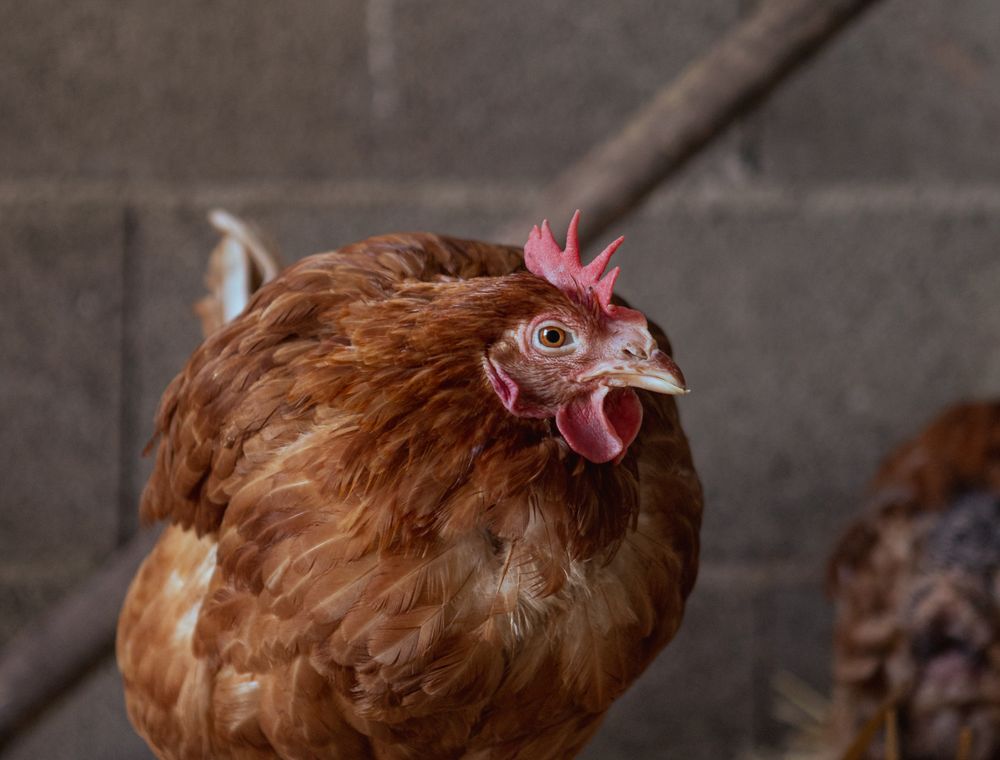
Short answer: Egg size in layers is set mostly by the hen: her breed, her age and her body weight when she starts to lay. You can move the average up within that range with the right protein and energy in the lay feed, steady water, and control of heat. Expect a gain of a few grams over several weeks, not an overnight change, and never chase size with a ration that cuts lay.
Key takeaways
- Age does most of the work, because eggs keep getting heavier for many weeks after first lay.
- Body weight at point of lay sets the floor for egg size, so rear pullets to standard weight.
- Protein and amino acids in the lay feed matter more than the volume of mash you put in the trough.
- Heat and water shortage cut egg size quickly, so fix those before you touch the ration.
- Give any change four to six weeks before you judge it, and keep weighing samples while you wait.
What sets the size of an egg before you touch the feed
Start with the hen, not the bag. Egg size is largely written into the bird before she lays her first egg. Her breed sets the normal range, her body weight at the start of lay sets the floor, and her age carries the average up over the following months. Feed, water and heat can move the average within that range, but they cannot make a small-egg breed into a large-egg breed, and they cannot make a young hen lay like a mature one.
This is good news for planning. Once you accept that size is mostly fixed by the bird, you stop chasing a number on the scale every morning and start looking at the trend. The question becomes whether your flock is following the curve it should follow for its age, and whether any part of its daily life is holding it back.
Age and the first eggs: why the average rises with time
The first eggs from a young hen are small, often much smaller than the flock average. Those eggs are not a fault. They are what a young reproductive tract produces while it is still building up to full output. Over the following weeks and months the eggs get heavier, one size class at a time, until the flock settles into its normal range.
That is why a flock's average can look poor when it is only twenty or thirty weeks old, and fine when it is older. A farm that judges its layers by the first month will often make changes it does not need. Keep the weekly weigh-in running from the first egg, so you see the climb for what it is. Our guide to when layers start explains what the first weeks normally look like.
Body weight at point of lay sets the floor
A pullet that reaches lay under weight will lay smaller eggs than her breed can manage, and she may keep that gap for life. The fix is in the rearing house, not the laying house. Weigh a sample of pullets every two weeks through the rearing period and compare the average with the target for the breed. A flock that falls behind in rearing rarely catches up with feed alone once it is in lay.
If you are buying point-of-lay birds, ask for the rearing weights, not only the age. Our point-of-lay pullet guide sets out what to check before you pay, and the breed pages give the general picture for the common layers we supply. A bird bought at the right weight gives you a head start that no ration can match.
Protein, amino acids and the lay feed
Egg size depends on the protein the hen can use, not just the protein figure on the bag. The egg is built from amino acids, and some of them run short before others. Methionine and lysine are the two most often mentioned in layer nutrition, and a ration that is low in either tends to produce smaller eggs even when the total protein looks adequate. That is why two bags with the same protein on the label can give different results on your farm.
Check the lay ration against the phase first. The right protein for a bird in full lay is different from the right protein for a pullet still in rearing, and a flock that stays on a grower feed too long will often lay small. Our layer feeding guide lays out the phases and what each one should provide. If you suspect the protein is too low, ask your feed supplier for the amino acid profile of the mash rather than adding protein by hand.
| Factor | What it does to egg size | What to change | How long to show |
|---|---|---|---|
| Age of the flock | Eggs grow heavier for many weeks after first lay | Nothing; keep the weekly weigh-in running | Several months |
| Body weight at point of lay | Sets the floor for the whole lay cycle | Rear to the breed target before the birds go in | Across the whole flock life |
| Protein and amino acids | Short supply holds eggs back | Confirm the phase and the amino acid profile of the mash | Four to six weeks |
| Energy and daily intake | Low intake means small eggs and weight loss | Feed in cooler hours and check the trough at midday | Two to three weeks |
| Water supply | Shortage cuts intake and egg weight quickly | Check drinkers twice a day, every day | Days, not weeks |
| Heat | Hot hens eat less and lay smaller eggs | Shade, airflow and feeding in the cooler hours | Days, during a heat spell |
Energy and intake: why hot hens eat less and lay smaller
A hen does not eat to match her egg size. She eats to meet her energy needs, and when the house is hot she eats less. Less feed means less of everything, including the amino acids that build the egg. Farmers often see smaller eggs in the hottest weeks and blame the ration, when the real problem is the afternoon temperature and a trough that sits empty at midday.

Check intake before you change the ration. Look at the trough at noon and again at dusk. If the feed is mostly gone by midday in the hot months, the hens are probably eating in the wrong hours or the feed is too dry to take in quickly. Feed the main meal in the cool of the morning and early evening, and keep the trough topped up but not overflowing, so the feed stays fresh.
- Check the trough at noon and at dusk every day for a week.
- Move the main feed to early morning and late afternoon in hot weather.
- Keep the trough topped up in small amounts rather than a full load.
- Record the trough check next to the weekly egg weight.
Water and heat: the quick levers
Water is the cheapest lever on the farm, and it works faster than most others. A hen that drinks less eats less, and an egg that is short of feed comes out smaller. In Ghana's dry spells the drinkers can run low between visits, and a flock that goes a few hours without water will lose weight and egg size in days.
Check the drinkers twice a day, every day, and not only when you remember. Clean them on the same schedule, because a dirty drinker puts birds off drinking. Heat has the same kind of effect. Shade, airflow and cool water on the hottest days protect egg size as much as any ration change. If you cannot cool the house, at least make sure the hens have shade in the run and clean water within easy reach. For the wider picture on lay rate, our guide to increasing egg production covers the same levers from the other side.
Uniform flocks give uniform eggs
A flock that mixes ages, or that has pullets added to a house already in lay, will show two averages in the same tray. The older hens lay large eggs and the younger hens lay small, and the mixed crate looks poor even when both groups are healthy. Keep flocks of the same age together, and if you must add birds, put them in a separate house or pen for a few weeks.
Uniformity also helps you judge the feed. A mixed flock hides the effect of a ration change, because the young birds push the average down. With one age group, a change in protein or water shows up in the weekly sample much more clearly.
Need chicks for your next batch?
Send breed, number and town. We reply with price, hatch date and delivery cost in writing.
A worked example: a flock of 400 that needs bigger eggs
Here is how we would work through it. Suppose you have 400 hens at 28 weeks, and the weekly sample averages 53 g. Your buyers want large eggs, which means the average needs to sit at 63 g or above to hold the large class. That is a long way off, and the first question is whether it is realistic at all for this flock.
Start with the records. Pull the weekly weights since first lay. If the average has been climbing steadily, the flock is on its curve and the gap will close with age. If it has been flat for a month, something is holding it back. Check the body weight of the pullets at point of lay, the protein of the current mash, the water and the heat over the last six weeks. Pick the one lever that looks most out of line and change only that.
Say the trough checks show the feed runs out by midday in the hot weeks, and the drinkers ran low twice last month. Fix the water and move the feed to the cool hours. Hold the ration steady for six weeks, keep weighing, and watch. A realistic outcome is a few grams gained over that period, and the average moving up through the medium class toward the large, not a jump to 63 g in a fortnight. If the average does not move at all, call your vet and your feed supplier, because something deeper is going on.
Changing the feed without a shock
A sudden ration change can cost more in lay than it gains in size. Hens are creatures of habit, and a new mash that tastes or feels different will sometimes be eaten badly for several days. Switch gradually over about a week, mixing a little more of the new feed into the old each day, and watch the trough to see that intake holds up.
Do not change the ration and the lighting in the same week. Do not change the feed and the water additives together. If you have to change two things, separate them by at least two weeks, so you know which one moved the eggs. A clear record of each change is the only reliable way to learn what works on your farm.
What not to do: the expensive shortcuts
The most common shortcut is adding more protein by hand, usually by mixing in a cheap high-protein ingredient at the trough. That raises the cost, unbalances the ration and often lowers lay rate, which costs more than the bigger eggs are worth. Another is adding vitamin or mineral supplements without reason. Extra supplements do not make an egg larger if the hen already has enough of them, and they add to the bill.
Do not push the lights hard to get more eggs in a hurry, because a sudden day-length increase can unsettle the flock and reduce size for weeks. Our lighting programme guide shows how to step up the light gently. And do not judge a change by one day's eggs. A single morning tells you almost nothing about the average.
Checklist for bigger eggs in six weeks
- Weigh a sample of ten eggs every week and record the average against the flock age.
- Confirm the pullets reached the breed weight target at point of lay.
- Check the lay ration is the right phase, with its amino acid profile on record.
- Check the trough at noon and at dusk, and move feed to the cool hours in heat.
- Check the drinkers twice a day, and clean them on a fixed schedule.
- Keep flocks of one age together, and avoid mixing in new birds during the test.
- Change only one thing at a time, and give it four to six weeks before you judge it.
If you are planning a new laying flock and want to start at the right weight, our layer day-old chick page is the place to begin. You can also place an order when you are ready, or call us on WhatsApp at +233 24 915 1503 to talk through the flock you have.
Questions farmers ask
Can I make small eggs bigger in a few days?
Not in a few days. Egg size reflects the hen's body and her recent intake over a period of weeks. Water and heat can move the average within days, but a real gain comes from steady feed, healthy weight and age. Expect to see a trend over four to six weeks, and judge the change on the weekly average, not on one tray.
Why are the eggs from my young hens so small?
Young hens produce small eggs while their reproductive tract is still building up to full output. Eggs grow heavier over the following weeks and months. Keep the weekly weights running from first lay, and compare them with the flock's own curve rather than with a mature flock on another farm.
Does more protein in the feed give bigger eggs?
Only if the protein is short in the first place. Egg size depends on amino acids, especially methionine and lysine, as well as total protein. Adding protein to a ration that is already adequate raises the cost and can lower lay rate. Check the lay ration against its phase and ask your supplier about the amino acid profile before you change it.
Does heat make eggs smaller?
Yes. Hot hens eat less, and the energy and amino acids they miss come out of the egg. Shade, airflow and feeding in the cooler hours protect size during a heat spell. Watch the trough at midday, because an empty trough then is often the first sign of the problem.
Will adding vitamins make my eggs bigger?
Not usually. If the hens already have enough of the vitamins they need, extra supplements do not enlarge the egg. Supplements have a place when a deficiency is confirmed, and your vet or feed supplier can check the ration. Otherwise they add cost without changing the size.
How long before a feed change shows in egg size?
Plan on four to six weeks. The hen's eggs reflect her recent intake, and a new feed needs a week or so to be accepted in full. Keep the ration steady during the test, record each weekly average, and resist the urge to change anything else in the same period.
What size should a mature layer's egg be?
It depends on the breed, the flock's age and how well it has been reared. Use the breed guide for the typical range, then judge your own flock against its own weekly curve. A flock that is climbing steadily toward the normal range for its breed is doing well, even if the first month looked poor.


