
Short answer: Avian encephalomyelitis, often called epidemic tremor, is a viral disease that causes staggering, head tremors and paralysis in chicks between about one and four weeks old. Chicks usually get the virus through the egg from an infected hen, so the protection starts with breeder vaccination. There is no specific cure, so the work is keeping affected chicks warm, dry and able to reach feed and water while the vet confirms the diagnosis.
Key takeaways
- A chick that paddles, staggers or tips over with a fine head tremor in its first weeks needs a vet check, not a guess.
- The virus usually comes through the egg, so the parent flock's vaccination matters more than anything you do in the brooder.
- Newcastle disease and a vitamin E or selenium shortage can look similar, which is why a vet should confirm the cause.
- There is no specific cure, so keep the affected chicks warm, dry, and close to shallow feed and water.
- Some chicks recover in days while others keep cloudy eyes or poor growth, so keep records of each affected bird.
A chick paddling on its side at two weeks
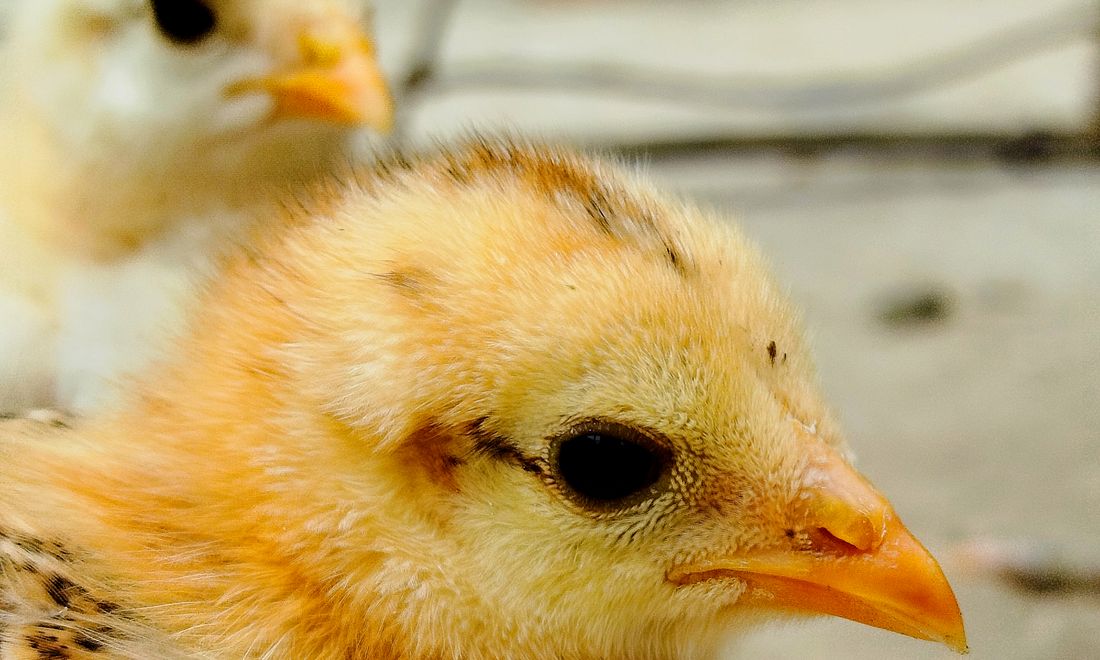
Pick up a chick that is trying to walk and it tips over sideways, paddling its legs as if it were swimming. It may right itself and then fall again a few steps later. Other chicks in the same brooder move in a wobbly line and bump into the walls. When you see that in more than one chick at once, you are looking at epidemic tremor, which vets call avian encephalomyelitis.
The name tremor comes from the fine shaking of the head and neck that many affected chicks show, especially when they try to peck at feed. Not every chick shakes, and some only lose their balance. Watch the whole group rather than one bird, because the pattern across the brooder tells you more than a single chick.
What the virus does to a young nervous system
Avian encephalomyelitis virus belongs to a group of small viruses related to the enteroviruses that infect people. In chicks it attacks the nervous system, particularly the parts of the brain and spinal cord that control balance and co-ordination. The damage shows as staggering, trembling and weakness in the legs. Most chicks are affected between about one and four weeks of age, which is the window when the protection from the hen is wearing thin.
The virus itself does not stay in one place. It can spread through the flock and into the next batch, and it survives well in the environment, so a brooder used for one hatch can still hold virus when the next batch arrives. That is why the house clean-out matters as much as the birds you buy. Our common chick diseases guide covers the other causes of chick losses that can look similar at first.
The signs you can count in the brooder
Epidemic tremor often starts with a few chicks and spreads through the group over several days. Count the affected chicks every morning and write the number down, because the trend tells the vet more than a single bird does.
- Staggering and loss of balance, with chicks falling over when they walk or run.
- A fine tremor of the head and neck, most visible when a chick reaches for feed.
- Weakness in the legs, with chicks lying on one side and paddling.
- Chicks that cannot reach the feeder or drinker and become dehydrated as a result.
- Chicks that pile up in corners, which can smother the bottom ones in a crowded brooder.
- In some survivors, cloudy or dull eyes that appear a few weeks later.
Many chicks recover within days, but some do not, and a few deaths in a group of chicks that are struggling to reach food is common. The eyes are often the only clue left after recovery, so look at them before you assume the bird is fine. A chick that is simply weak, without the tremor, may fit the picture in our healthy versus weak chick guide better.
Look-alikes: what to set against epidemic tremor
A chick that falls over has several possible causes, and some of them need very different action. The table below helps you prepare for the talk with your vet. It is not a way to diagnose the birds yourself.
| Condition | What it tends to look like | What separates it from epidemic tremor |
|---|---|---|
| Epidemic tremor (avian encephalomyelitis) | Staggering, head tremor and leg weakness in chicks around one to four weeks | Mainly a nervous signs disease in young chicks, with few respiratory signs |
| Newcastle disease | Nervous signs, twisted necks, drooping wings and sometimes sneezing or green droppings | Breathing and gut signs are common, mortality can be high, and a vet must rule it out early |
| Vitamin E or selenium shortage | Chicks that are weak, stagger and may have swollen heads or legs | Linked to the feed and the age, and often corrected by a proper feed review |
| Botulism | Limp, paralysed chicks that cannot hold their heads up | Flaccid weakness rather than tremor, often linked to contaminated feed or carcasses |
| Chilling or overheating | Huddling, shivering or panting, sometimes staggering in very cold or hot chicks | Improves quickly when the brooder temperature is corrected |
Do not treat the chicks for the wrong thing. If the chicks improve within a day after you warm the brooder, the problem was probably temperature. If they keep falling, call the vet.
How the virus reaches a chick through the egg
The most important route for this virus is the egg. A hen can carry the virus and pass it into the developing embryo, so a chick can hatch already infected. When the chick is born it may show no signs at first, and then develop the tremor a week or two later as the infection takes hold in its nervous system. That delay is one reason farmers blame the feed, the weather or the brooder before they think of the parent flock.
Chicks do not get the virus only from the egg. An infected flock can spread it in droppings, and chicks can pick it up from contaminated litter or from the feet of birds that have walked through it. The egg route is the one that breeders control, and the litter route is the one a farmer controls in the house.
What the virus does in a laying flock
Laying hens can also carry the virus, and the disease in the layer flock is usually milder than in chicks. A hen that becomes infected while in lay may have a short fall in egg output, and some eggs may be smaller or have weaker shells for a while. Because the change is mild and short, it is easy to put down to the season or the feed.
The bigger concern is the chick that a laying hen produces. If the flock has not been protected, its chicks are at risk of the tremor in their first weeks. If you keep layers and sell chicks or eggs for hatching, your vet should look at the vaccination history of the hens and at the timing of any vaccines in relation to the start of lay.
Keeping chicks upright in the brooder
There is no specific cure for epidemic tremor, so the most useful work happens in the brooder. Affected chicks need to stay warm, reach their food and water, and rest on dry, soft litter. A chick that cannot stand is at risk of chilling, dehydration and being trampled, and most of the losses we hear about come from those three problems rather than from the virus alone.
Lower the feeders and drinkers so that a chick lying on its side can still reach them. Use shallow drinkers, and put clean stones or marbles in them so that a weak chick cannot put its head under the water and drown. Keep the litter dry, and check the brooder temperature on the floor where the chicks sit rather than at the thermometer on the wall. Our brooder temperature chart sets out the typical ranges by week, and the brooder ring setup guide shows a layout that keeps chicks close to the heat and the feed.
In the Ghanaian harmattan, the night air can drop fast, so a brooder that is warm at dusk may be cold by the early morning. In the rainy season the litter takes longer to dry and the chicks spend more time on damp patches. Either way, a chick that is cold or wet will show the same tremor-like shivering, so check the environment before you blame the virus.

What the vet looks for at post-mortem
A confirmed diagnosis usually needs a post-mortem on a few affected or recently dead chicks, along with samples sent for testing. The vet looks at the nervous system, the eyes and the other organs, and some lesions can be seen under the microscope. The lesions in the brain can be subtle, so the vet may combine the post-mortem with the history of the flock and the test results before deciding.
Bring the vet the facts. Tell them the age of the chicks, the number affected, how many died, what the parent flock was vaccinated against and when, and whether the feed or the brooder had changed recently. A few notes in the brooder book can save a vet visit, because the vet can then decide quickly which samples to take.
Need chicks for your next batch?
Send breed, number and town. We reply with price, hatch date and delivery cost in writing.
Breeder vaccination, and what our chicks carry
Because the virus comes through the egg, the best protection for chicks is the protection the parent flock gives them. Breeder hens are commonly vaccinated before they start to lay, so that they pass antibodies into the yolk and the chicks are protected in their first weeks. The exact timing and the choice of vaccine are for the breeder flock's vet to decide, and they vary between flocks and suppliers.
The vaccines we give chicks here cover Marek's, Newcastle, Gumboro (IBD), infectious bronchitis and coccidiosis. Epidemic tremor is not among them. When you buy chicks, ask the supplier whether the parent flock was vaccinated against this virus, and ask your own vet whether the chicks need any further protection in your area. For the typical timings of the other vaccines, see our poultry vaccination schedule guide.
Feed, vitamin E and selenium in the starter
A chick that staggers from a shortage of vitamin E or selenium can look very like a chick with epidemic tremor. The feed is the first place to check. A starter feed that has been stored too long, that is missing the right premix, or that was mixed poorly at home can leave chicks short of the nutrients that support the nervous system and the muscles.
Check the feed bag for the date, the premix and the feeding instructions, and ask the feed supplier to confirm the levels. Do not add supplements on your own because a chick is wobbly, since too much of some vitamins causes its own problems. Our chick starter feed guide and the vitamin deficiencies guide explain the signs of a shortage and how a proper feed review works.
A small batch of Kuroiler chicks and a bad fortnight
Picture a farmer who buys 150 Kuroiler day-old chicks at GH₵11 each, which is GH₵1,650 before feed and heat. In the second week, 12 chicks start staggering and eight of them die over the next four days. At GH₵11 each, the eight deaths cost GH₵88 in chicks alone, and the feed and labour for the rest of the batch add to that.
The harder cost is the survivors. A chick that spends a week lying on its side may come out smaller than its brood mates, and a bird with cloudy eyes can lose growth for the whole cycle. The numbers are invented for the example, yet the pattern is the one that catches farmers out, which is why we ask buyers to plan the brooder and the feed before the chicks arrive. The Kuroiler and Noiler page explains what to expect from the breed in the first weeks. Replacement chicks can be booked through the order form, and the timing questions are best raised on WhatsApp at +233 24 915 1503.
A checklist for the first three weeks
Keep this list in the brooder book. It is the routine we would ask a farmer to follow for any batch, and it covers what matters most when a chick starts to wobble.
- Ask the supplier whether the parent flock was vaccinated against avian encephalomyelitis.
- Clean and disinfect the brooder before each new batch, and let it dry fully.
- Set the brooder temperature and check it on the litter where the chicks sit.
- Lower the feeders and drinkers, and use shallow drinkers with clean stones in them.
- Count the chicks that are staggering or tremoring every morning, and write the number down.
- Check the feed bag for date, storage and premix before you use it.
- Separate any chick that cannot reach food or water, and keep it warm and dry.
- Call your vet early if the count rises for two days running.
More questions about brooding and chick care are answered on our FAQ page, and if you need a fresh batch to replace losses, our prices page lists the current starting prices.
When the tremor is a vet case today
Call your vet the same day if chicks are falling over in more than a few birds, if the number rises over two mornings in a row, or if chicks are dying faster than you can remove them. Those are signs that the problem is spreading through the batch, and the vet should confirm the cause before the flock loses more birds.
Newcastle disease must be ruled out early, so do not wait for the look-alikes to be sorted out one by one. Our guide on Newcastle disease prevention explains why that disease is so serious and how to spot it.
Questions farmers ask
Can chicks recover from epidemic tremor?
Many do, often within days, once they can reach feed and water and stay warm. Some chicks die, and some survivors keep cloudy or dull eyes or grow more slowly than their brood mates. Keep count of the affected chicks and their eyes so the vet can judge the outcome.
Is avian encephalomyelitis the same as Newcastle disease?
No. Both can cause nervous signs, but Newcastle disease also affects breathing and the gut and can cause high losses. Newcastle must be ruled out by a vet early. Epidemic tremor mainly affects the nervous system of young chicks.
Is there a treatment for epidemic tremor?
There is no specific cure for the virus. The work is supportive, which means keeping chicks warm, dry and able to reach feed and water, and watching for secondary problems. Your vet may advise on other measures for the flock.
Can vaccinating the chicks prevent it?
The usual protection is given through the parent flock, which passes antibodies to the chicks in the egg. Ask your supplier about the breeder vaccination, and ask your vet whether anything else is needed for your flock and your area.
Could feed cause the same symptoms?
Yes. A shortage of vitamin E or selenium can cause staggering and weakness in young chicks. Check the feed date, storage and premix, and ask the feed supplier to confirm the levels. Do not add supplements on your own, because some vitamins are harmful in excess.
Do layers get the disease too?
Layers can carry the virus and may show a short drop in egg output. The bigger concern is the chicks that laying hens produce, which can be at risk in their first weeks if the flock was not protected. Your vet should review the hens' vaccination history.
Can I sell or move chicks from a house where tremor was seen?
Do not move chicks from an affected house until the vet has advised. Moving birds can spread the virus to new places, and the house needs cleaning before any new batch arrives. Keep affected and healthy chicks apart, and follow the vet's guidance on the timing.


