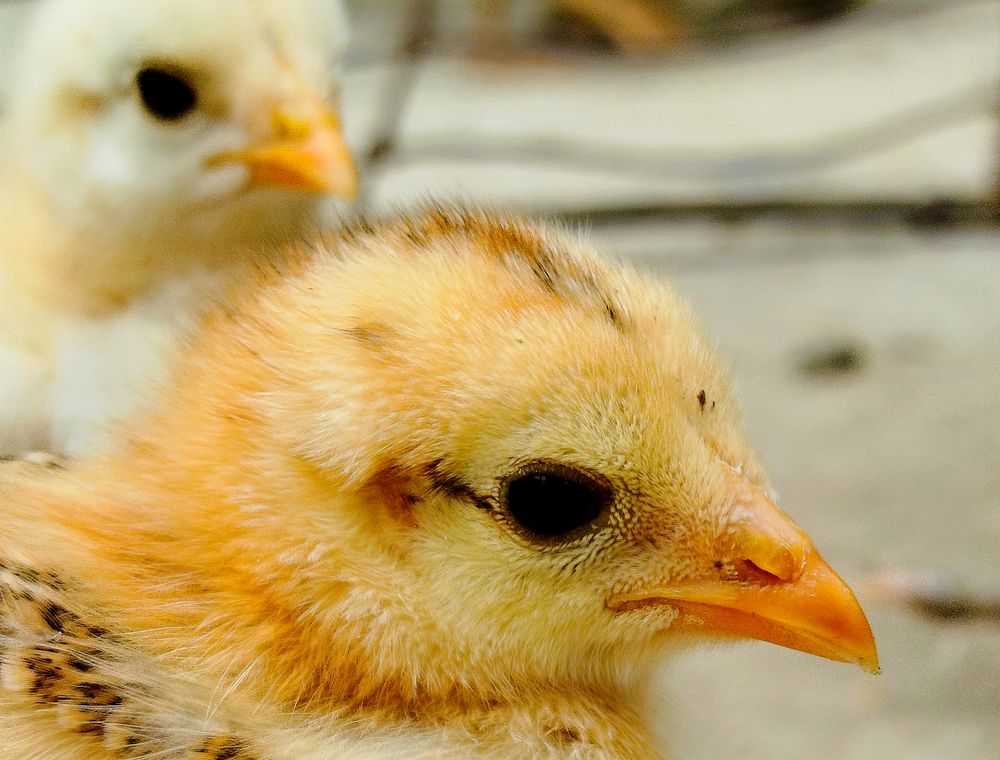
Short answer: A healthy day-old chick is bright-eyed, alert, dry and warm, with a closed navel, straight legs and a clean vent. A weak chick is often flat, cold or wet, with a swollen belly or a navel that is still open. Sample from the top, middle and bottom of the box when it opens, count the birds, and send a photo the same day if anything looks wrong.
Key takeaways
- Judge the chick in the first two minutes, while it is still in the box and before much handling.
- A closed, dry navel and a small absorbed yolk matter more than size.
- Chicks at the bottom of a box may be cold, not weak. Check them again after they warm up.
- Count the chicks on arrival and send the photo the same day.
- Judge the whole brood, but keep an eye on any chick that stands apart from it.
Two minutes at the box, before anything else
The lid comes off, the peeping rises, and you have a short window to judge the chicks before they are shuffled around by hands and stress. Use it. The first look tells you more than the next three weeks of worry.

Lift a few chicks gently from the top, middle and bottom of the box. Chicks at the bottom are often cold rather than weak, because they have been pressed together for the whole journey. Hold them for a moment in your hand, then put them back. A cold chick warms up in the brooder. A weak one does not.
Do not pick up the same chick twice. Handling stresses it, and you will end up judging the stress rather than the chick. The same first look applies whether the chicks are locally hatched or imported, and our page on imported day-old chicks explains where the stock comes from.
Eyes, beak and how the chick behaves
A healthy chick holds its head up, opens its eyes wide, and reacts when you tap the box or move your hand. The eyes should be bright and clear, without crusting or a sticky film. Look at the beak too. It should close neatly. A crossed beak, where the upper and lower parts do not meet, stops the chick feeding properly, so it is worth spotting on arrival.
Listen to the peeping. A settled brood makes a steady, contented sound. A loud, continuous, high cry means distress, usually from cold, hunger or a draught. A brood that has gone quiet is not better, either. Quiet chicks that will not stand are the ones to worry about.
A weak chick often sits with its eyes half closed and its head resting on the floor of the box. It may not respond to your hand, or it staggers when it tries to stand.
Legs, hocks and joints
Legs should be straight, with the toes spread and the hocks in line under the body. A chick that stands on bent or swollen joints, drags one leg, or sits back on its hocks has a problem that may show up again in the first weeks.
Look for splayed legs, where the chick cannot keep its legs under its body and they slide out sideways. The cause is usually a slippery floor or a leg that did not develop well, and it is hard to correct once it has started. A chick that cannot stand on the first try may just be stunned. Give it ten minutes in a warm box, then test it again. A healthy chick usually rights itself almost at once.
Joints that look red or thickened can be an infection. Set those chicks aside and tell your supplier the same day.
Feathers, weight and body feel
Feathers tell you about the journey. Dry, fluffy down means the chick was kept warm and dry. Wet or matted feathers mean it has been chilled, or that a leaking box soaked it. Chicks that are wet on arrival need dry heat and a dry box before anything else.
If you are comparing strains, the breed guide shows how each one differs in size. Weight is useful in a rough way. Most commercial broiler chicks weigh somewhere around 40 grams, and layer chicks are often a little lighter. Within one box, the chicks should look and feel alike. If a few are clearly lighter than the rest in the hand, they are more likely to struggle, and they are the ones to watch in the first week. A small hand scale is enough to show you the spread, so you compare chicks rather than guess.
The body should feel warm and firm. Cold, limp chicks that feel light and papery are in trouble. A swollen or hard belly is not a good sign either.
Healthy and weak side by side
Use this table as the quick reference you check against at the box. Any single sign can be a knock from transport. Two or more together, across several chicks, is a reason to call your supplier.
| Check | Healthy chick | Weak or concerning chick |
|---|---|---|
| Activity | Holds its head up, reacts to a hand or a sound | Head down, half-closed eyes, no response to a tap |
| Eyes | Bright, clear, open wide | Crusted, sticky or sunken |
| Beak | Closes neatly | Crossed or badly misaligned |
| Navel | Closed, dry, clean | Open, red, wet or swollen |
| Yolk | Small and absorbed | Large, soft bulge under the belly |
| Legs | Straight, toes spread, stands at once | Splayed, bent joints, cannot stand after ten minutes |
| Feathers | Dry and fluffy | Wet, matted or stuck together |
| Vent | Clean | Pasted or stained |
| Weight in hand | In line with the rest of the box | Clearly lighter, papery feel |
A clean vent on arrival is the normal state. If you find a pasted one, our guide to pasty butt in chicks covers what to do next.
Cold chicks are not always weak chicks
This is where farmers make the most expensive mistake: they write off a chick that was merely cold. A chick that comes out of a box after a long drive can look dreadful for twenty minutes, then stand, peep and eat within a few hours in a properly warm brooder.
The test is what happens after warming. Put the suspect chicks in a small, warm box under a lamp, with a little water and feed close by, and check again after half an hour and then after two hours. If they are standing and drinking, they were cold. If they are still hunched, cold to the touch, or getting weaker, they were weak to begin with. For how the first hours of brooding should be set up, see our brooder ring guide.
Keep a note of the numbers. If you can see the difference between the chicks that recover and the ones that do not, you have something concrete to show your supplier, and something to compare against the next box.
Need chicks for your next batch?
Send breed, number and town. We reply with price, hatch date and delivery cost in writing.
Counting on arrival and what to send us
Count the chicks before you sign anything, and before the box goes anywhere near the brooder. Count live chicks and dead chicks separately, and write both numbers on the delivery note or in your book.
Dead on arrival chicks are replaced free in the next hatch, and that only works if the count is clear and the photo is sent the same day. Lay the dead chicks out on a plain surface, take one photo with the box label visible if you can, and send it on WhatsApp to +233 24 915 1503. Put the live and dead counts in the message. Do not wait until the next morning, because by then the chicks no longer look the way they did when they arrived.
If you are in Kasoa, our Kasoa page shows the local options. When you place your next order, the order form takes you through the breed and box size. If you collect from the farm yourself, do the count at the gate. The same rule applies. Our delivery page explains how boxes travel to each region, and the delivery cost is confirmed before you pay.
Mistakes we see at the box
- Picking the loudest chick as the healthiest. Loud peeping can be distress. Look for the chick that holds its head up and responds, whether it is making noise or not.
- Judging by size alone. A big chick with an open navel is a worse buy than a smaller one with a closed, dry navel.
- Opening the box in wind or rain. Chicks cool in seconds in a draught. Check indoors or in a sheltered place.
- Handling every chick. Check a sample and the chicks that look wrong. Handling the whole box stresses everyone, including you.
- Skipping the count. Without a count on arrival, a replacement claim is much harder to prove. Our notes on chick mortality in transit explain where most of those losses come from.
- Blaming the feed on day one. A chick that is weak on arrival is usually a transport or hatch question. The feed can wait until the chick has drunk.
A checklist to use at the box
Print this or copy it into your record book. It takes about ten minutes for a box of 50, and it is ten minutes well spent.
- Open the box indoors or somewhere sheltered, and count live and dead chicks.
- Take a photo of any dead chicks before you move them.
- Lift chicks from the top, middle and bottom of the box, and note any that are wet, cold or limp.
- Check each sampled chick's eyes, beak and activity.
- Part the belly feathers and look at the navel. Note any that are open, red or wet.
- Watch each suspect chick stand or roll upright, and give it ten minutes in a warm box if it is slow.
- Check the feathers, and weigh a few chicks in your hand against each other.
- Put the chicks under the lamp, with water and feed close by.
- Recheck the suspect chicks after one hour, and again the next morning.
- Send the count and photo to +233 24 915 1503 the same day if anything is wrong.
For the first night after this, read our guide to preventing chick piling. A weak chick and a piling brood often show up together, and the same night checks catch both.
Questions farmers ask
How can I tell a healthy chick from a weak one in the first minute?
Look at how it holds its head and how it responds. A healthy chick lifts its head, opens its eyes and moves when you tap the box or your hand. A weak one sits with its head down and does not react. Then check the navel and the feathers. A closed navel and dry feathers are the two signs that most often separate a sound chick from one that will struggle.
Are chicks with splayed legs worth keeping?
Some are, and some are not. A chick that stands on its hocks or splays after a rough journey may recover with a dry, warm, non-slippery floor and a few days of careful feeding. A chick with bent, swollen or hot joints, or one that cannot stand after several hours, is not improving. Ask your vet to look at persistent cases, and note how many you have so you can compare with the next box.
What does an open navel mean for my flock?
An open or wet navel usually means the chick was not as strong at hatch, or that bacteria got in during the first hours. It is not something you can fix in the brooder. Note how many chicks show it, send a photo the same day, and watch those birds closely. A few open navels in a box of 50 is worth reporting. A pattern across several boxes is worth a vet visit.
What weight should a day-old broiler chick be?
Most commercial broiler chicks weigh around 40 grams, though the exact figure varies with the strain and the breeder flock. What matters more is evenness. If a few chicks in a box are clearly lighter than the rest, watch them closely, because they are more likely to struggle in the first week. Weigh a sample on a small hand scale and keep the figures in your record book.
How long should I wait before I decide a chick is weak?
Give it at least an hour under the lamp, in a warm box with water and feed close by, and check again the next morning. Cold chicks often look terrible for twenty minutes and then recover. If a chick is still hunched, cold, or refusing water after several hours, or it is getting weaker, it is not just cold.
What if I find dead chicks in the box?
Count them and take a photo before you move them. Dead on arrival chicks are replaced free in the next hatch, and the replacement depends on a clear count and a same-day photo sent on WhatsApp to +233 24 915 1503. Do not wait until the next morning, because the chicks will have changed by then and the photo will not show what arrived.
Can I check chicks through the box lid without picking them up?
You can see a lot from above: how they stand, whether they cluster in one corner, how they peep, and whether the box is damp. You cannot see the navel, the vent or the legs without handling. Handle only the chicks that look wrong. Every extra pick-up adds stress, and a stressed chick is harder to judge.
What should I do if the chicks are wet when they arrive?
Dry them straight away with a towel or dry cloth, move them into a dry, warm brooder, and keep them away from draughts. Wet chicks chill quickly, and the chilling is the real danger rather than the water itself. Give them an hour before you judge them, and note the numbers in your record book.


