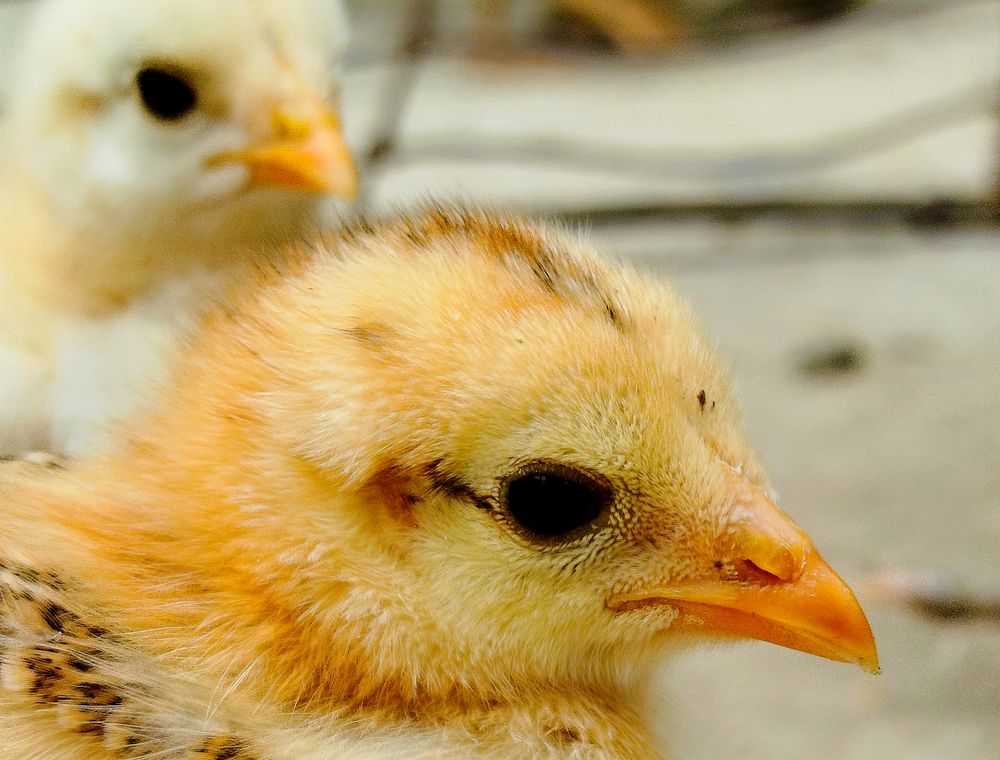
Short answer: Vitamin deficiencies show up as slow growth, weak legs, poor feathering, eye and skin problems, and poor hatch in breeders. In Ghana the usual cause is feed rather than the bird: old or damp feed, premix stored badly, a home mix without a proper premix, or a scrap-fed flock with no balanced feed at all. Buy from a maker you trust, store feed dry, and follow your vet's advice before adding any vitamin product to feed or water.
Key takeaways
- Most vitamin shortages start in the feed bag. Old, hot or damp feed loses vitamin strength.
- Each vitamin leaves its own pattern, but several look like infections, so a vet should confirm the cause.
- Breeders need their vitamins for hatchability, so breeder feed deserves the same care as the chick feed.
- A flock living on maize and scraps alone cannot cover all its vitamin needs, however well it looks in the wet season.
- Do not guess doses from the internet. Follow your vet's advice and the product label.
Why a vitamin shortage is usually a feed problem
Chickens cannot make most vitamins in useful amounts, so they depend on what goes into the feed. A deficiency means the bird is not getting enough of one vitamin. Either the feed never had enough, or the vitamin broke down before the bird ate it.
On farms in Ghana we see three patterns. The first is a home-mixed or cheap feed built without a proper premix. The second is a ready feed that has sat in a warm shed for months, where heat and humidity have worn the vitamins down. The third is the backyard or free-range flock that lives on maize, leftovers and whatever it finds, with no balanced feed at all.
Diagnosis is the other half of the job. Many signs look alike, and several vitamin shortages can pass for infection, parasites or plain bad management. Use the table below to narrow your thinking, and then ask your vet to confirm.
What each vitamin does, and what a shortage looks like
Read this table as a list of suspects, not a diagnosis. A chick that staggers could be short of vitamin E, or it could have a disease, or it could simply be chilled.
| Vitamin | What it helps with | Signs you may see |
|---|---|---|
| A | Eyes, airways, gut lining, immunity | Sticky or swollen eyes, watery discharge, slow growth, more infections |
| D3 | Calcium and phosphorus uptake, bone | Soft bones, rickets, weak legs, poor shell quality in layers |
| E | Muscle and nerve function, protects fats in the feed | Staggering or paralysis in young chicks, fluid-filled swellings under the skin, muscle weakness |
| K | Blood clotting | Bleeding that will not stop after a small wound, bruising, bleeding under the skin |
| B1 (thiamine) | Nerves and appetite | Loss of appetite, head drawn back, bird sits upright on its tail, weakness |
| B2 (riboflavin) | Turning feed into energy, nerves | Curled toes, leg weakness, birds walking on their hocks, slow growth |
| B3 (niacin) | Skin, gut, bones and joints | Slipped tendons, short legs, swollen hocks, scabby feet |
| B5 (pantothenic acid) | Skin and energy | Crusty eyelids and feet, scabby corners of the beak, poor feathering |
| B12 | Red blood cells and embryo development | Poor hatch, weak chicks, embryos dying late in incubation |
The pattern matters more than any single sign. A shortage of one vitamin often comes with others, because they were all in the same bag. If three or four signs appear together across the flock, look at the feed before the birds.
Breeders: where a vitamin gap shows up in the incubator
In a breeder flock the cost of a vitamin gap shows up in the incubator, not on the farm. A hen can look well and still lay eggs that fail to develop. Vitamins A, E, B12 and riboflavin are among the ones that matter most for embryo development and chick strength.
The fix is to feed breeders on a breeder formula, not a standard layer ration from the shop. Ask the feed maker for the breeder feed, check the date on the bag, and keep the feed dry and out of the sun. Store the fertile eggs cool and turn them as our guide to storing fertile eggs describes. A good feed and a poor store will still give a poor hatch.
Keep a note of the feed brand and batch in the breeder records. If the hatch drops, you can then match the drop to a feed change, rather than guessing across three different bags.
What premix is, and what it does for you
A premix is a concentrated pack of vitamins and minerals, added to the feed in a small, measured amount. It is not a feed on its own. A farmer who buys a premix and mixes it with maize and soya is doing the job of a feed maker, and needs the inclusion rate from the label or a formulation, not a handful from the scoop.
Premix is also the most fragile part of the feed. Vitamins break down in heat, damp and time. A sachet left open in a warm room for a month may be worth much less than the label says. Buy in amounts you can use before the date, keep the lid closed, and store it cool, dry and off the floor. Our feed formulation basics explains what a proper mix should contain.
- Check the expiry date on the premix and the feed, and write the opening date on the bag with a marker.
- Keep premix away from pesticides, fertiliser and fuel. Strong smells can taint feed.
- Do not double up by adding a vitamin product to a feed that already contains premix.
- Record the feed brand, batch and date in your flock records, so a problem can be traced back.
How heat and humidity wear the vitamins down
Ghana's coastal humidity is hard on feed. Moisture the bag picks up from the air warms in the store, and the vitamins are the first thing to suffer. Two months in a damp shed can cost a feed more vitamin than the farmer expects, even when the bag still looks fine and smells fine.
The rains make it worse. A store that leaks, or a bag stacked on a wet floor, can lose vitamins and grow mould in the same week. Mould brings its own problems, including damage to the gut and liver that makes the bird less able to use the vitamins it does eat. Our guide to feed storage and aflatoxin goes through what to look for.
The harmattan air is dry, which helps the store. Dust can still carry mould spores into the feed, though, so keep the store closed and clean throughout the year.
The backyard flock that lives on scraps
A village flock fed on maize and leftovers is the classic deficiency case. Maize is an energy grain, not a complete feed. The birds can look fine through the wet season because they forage greens and insects. Then the dry season comes, the greens go, and the gaps in the diet start to show.
The answer is not a random vitamin tub from the shop. It is a balanced complete feed as the base, with scraps and greens as extras. Let the birds forage, but make sure the base diet covers the vitamins, the protein and the calcium. Our kitchen scraps and forage guide sets out what is safe to add. If a flock is already showing signs, see your vet rather than working it out from the bag.
- Start with a complete feed for the bird's age, not maize alone.
- Give greens and insects as chopped extras, in moderation.
- Spread feed and water points so the strongest birds cannot take the lot.
- Watch the dry season closely, when forage drops and the diet is most at risk.
Before you blame the vitamins
Many farmers reach for the vitamin tub first, because it is easy to buy and quick to add. Shortages are real, but several other problems give the same signs. Poor growth can be coccidiosis, a worm burden, or a feed that is simply too low in energy. Weak legs can come from infection, injury or heat. Eye discharge can be an airways disease rather than a vitamin problem at all.
Check the basics first: water, the feed date and type, the house temperature and the litter. Then look at the vaccination and health records. Our article on coccidiosis and the one on common chick diseases cover the other suspects. If the picture still does not fit, your vet can take samples and give you a real answer.
Need chicks for your next batch?
Send breed, number and town. We reply with price, hatch date and delivery cost in writing.
A prevention routine you can keep
Prevention is mostly a question of who checks what, and how often. This table is the routine we would hand to a farmer who wants to keep vitamin problems out of the flock.
| Area | What to do | How often |
|---|---|---|
| Feed purchase | Buy from a maker you trust, and check the bag date and batch | Every purchase |
| Feed store | Keep dry, off the floor, clear of leaks, first in first out | Daily check, weekly clean |
| Premix | Store cool and closed, use before the date, measure exactly | Every batch |
| Water | Clean and flowing; any water product only as your vet directs | Daily |
| Breeders | Breeder formula, fresh eggs, dry and cool egg store | Weekly |
| Flock review | Look at eyes, legs, feathers, growth and shell quality | Weekly weigh and walk-through |
| Vet visit | Confirm any signs before adding a vitamin product | As soon as signs appear |
A checklist before you buy a vitamin product
A product on the shelf is easy to buy and hard to judge. Run through these questions before the money leaves your hand:
- Have I checked the water, the feed date and the feed store first?
- Do I know which signs I am treating, and how many birds show them?
- Has my vet looked at the birds, the feed or the samples?
- Does the label give the amount for my birds' age, and can I measure it accurately?
- Have I written down the product, the batch and the start date?
If the answer to any of these is no, pause. Ask your vet first, and do not add the product to the water on a guess. Our note on vitamins and glucose for new chicks explains when a product earns its place and when it does not.
What we send, and what stays on the farm
Our part of the job is the chick and the batch record. The feed that follows, how it is stored, and the water that goes into the drinkers are yours and your feed supplier's. We would rather say that plainly than leave you thinking a chick from us comes with a vitamin programme built in.
What we can do is help you plan. If you are starting a flock and want the feed and water questions sorted before the birds arrive, WhatsApp us on +233 24 915 1503. Our day-old chicks page explains how the birds are sent, and you can place an order through the order form when you are ready.
Questions farmers ask
Can I put vitamins in the water to fix a deficiency?
Water-soluble products are used on some farms, especially during stress such as a vaccine day or a heat spell. They are not a substitute for a balanced feed, and they will not fix a shortage caused by old or damp feed. Follow your vet's advice on whether a product is needed, how to use it and when to stop.
How do I know which vitamin is missing?
You usually cannot tell from the signs alone. Several shortages look alike, and infections and parasites can copy them. Your vet can look at the birds, the feed and the history, and send samples if needed. Note the signs, how many birds show them, and how fast they started. That history is often more useful than the sign itself.
Does premix go off?
Yes. Vitamins lose strength with heat, moisture and time, so premix can be well below its label value after a few months in a warm store. Buy amounts you will use within the date, keep the lid shut, and store it cool and dry. Do not assume a sealed bag is fresh if it has been in a hot room.
Do free-range chickens need vitamin supplements?
Free-range birds get some vitamins from greens and insects, but not reliably enough across the year. A balanced complete feed as the base, with forage as the extra, is the safer routine. Supplements are a question for your vet, not a default to add every week.
Why do my breeder eggs hatch poorly?
Feed is one of several causes. Check the breeder feed and its date first, then the storage of the eggs, then the incubator's temperature and humidity. A vitamin shortage in the breeders is a real cause, but it is not the only one, so change one thing at a time and note what you did.
How quickly does a deficiency show?
It depends on the vitamin, the bird and how short the feed is. Growth often slows first, and the visible signs follow over days or weeks. That is why a weekly weigh and walk-through catches a problem earlier than waiting for a limp or a fit.
Do your chicks come with a vitamin programme?
Our chicks are vaccinated at the hatchery and each order comes with a batch record. We do not set a vitamin programme for your farm, because that depends on your feed, your water and your region. Ask your vet to build it with you, and tell us which breed you are raising so we can talk through the details.


