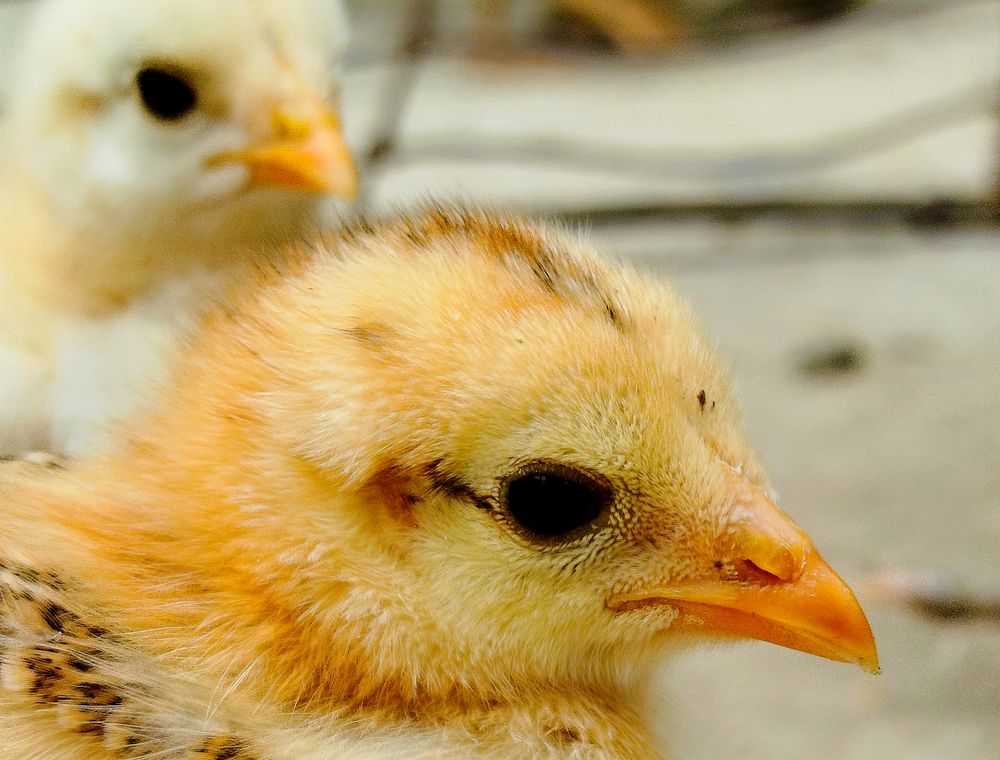
Short answer: The diseases that hit chicks in Ghana depend on their age. In the first three days the main losses come from chilling, dehydration and infections picked up before or during transport. In the first and second weeks, watch for pasted vents, weak chicks and water-borne infections. From the third week onward, coccidiosis and respiratory problems become more likely. Most protection is management, meaning warmth, clean water and dry litter, backed by a vet who knows your vaccination dates.
Key takeaways
- Age tells you what to suspect. A chick that dies on day two has a different problem from one that dies in week four.
- Most early losses start with chilling, thirst or a weak bird that was never fit to travel.
- Pasted vents and white, watery droppings are the signs most often missed in the first week.
- Count, look and weigh a sample of chicks every morning in the first two weeks, because small changes show up early.
- Vaccines protect against several diseases, but they do not replace warmth, water and dry litter.
Age decides the first suspects
A chick does not face one set of diseases. It faces a sequence. Infections it brought from the hatchery or picked up in transit show first. Then problems of management, such as chilling and thirst, take over. Later, the diseases that depend on the environment and the vaccines arrive. If you know a sick chick's age, you already have half the list of suspects.
This article follows that sequence. It is not a veterinary textbook, and the timings are typical rather than fixed. Your vet knows your area, your flock and your vaccination history, and they should make the final call on any sick chick.
Days one to three: what arrives with the chick
The first days are about the box, the road and the first drink. A chick that was chilled in transit, held too long without water or packed beside weak companions can die within hours of arrival. Those losses look like disease, but they usually started long before the box was opened. Our guide on chick losses in transit covers the road side of the problem.
Two problems deserve a close look at this age. The first is the navel. A chick whose navel is wet, swollen, red or smelly has an infection that started while the yolk was being absorbed, and it spreads quickly in a dirty brooder. The second is the yolk sac, which can stay large and soft in some chicks and carry infection into the gut. Neither is something to treat at home without advice. Note them, separate the chick and call your vet.
Pullorum and fowl typhoid pass through the egg, not from the litter. That is why the parent flock, the hatchery hygiene and the testing of breeding birds matter, and why a farm cannot clean its way out of a problem that began inside the egg. Ask any hatchery how it controls its breeding flocks and eggs, ours included, and read the paperwork they give you.
Days three to seven: water, bowels and pasted vents

Once the chick is drinking and eating, the problems change. Pasting up, where droppings stick to the feathers around the vent, is the one farmers see most. It usually comes from a chick that is cold, stressed, too thirsty or fed a mash that is too wet. Clean the vent gently with warm water and a soft cloth, dry it thoroughly, and fix the cause in the brooder rather than cleaning the same bird again and again.
Watery droppings in this window point to water quality, a sudden feed change or a bowel infection. A chick that drinks from a dirty drinker, or from a container left in the sun, can pick up bacteria that cause diarrhoea. Check the water hourly on the first day and at least twice a day after that. Keep the drinkers out of the litter and raised slightly, so chicks cannot scratch in them.
A quick word on salmonella. Some salmonella infections in young birds cause sudden deaths with few other signs, and the bacteria can also be carried by people who handle the birds. Good hand washing, clean feed and dry litter reduce the risk, and a cluster of deaths deserves a call to your vet.
Week two: the window that opens for viruses
In the second week the chick's own defences start to matter more, and the antibodies it received from the parent flock begin to fall. This is the period when some vaccines are timed to work well, and when a virus circulating in the area finds an easy target. Gumboro is the disease farmers worry about most at this age. Our Gumboro guide covers its signs and the typical vaccine timing.
What we add here is the practical side. A chick that is chilled, short of water or stressed by handling responds less well to a vaccine, whatever the date on the schedule says. Warmth and water in week two are part of the vaccination plan, even though they never appear on a vaccine label. Follow your vet's advice on the timing, and watch for sudden depression, huddling and watery droppings.
Weeks three to six: the coccidiosis window
From the third week onward, coccidiosis becomes a serious risk for broilers and for growing birds generally. The parasite multiplies in the gut and sheds oocysts in the droppings, and those oocysts survive in wet litter for long periods. A chick that looks fine in week two can show bloody droppings and a hunched posture in week four, after the damage is already done.
Our coccidiosis article covers the life cycle and the litter in depth. For a young flock the most useful habit is simple. Walk the house every morning and feel the litter around the drinkers and feeders. If it is damp, fix the drinker, the drainage or the ventilation that same day. A vaccine helps, but it works far better on dry litter than on wet.
Noisy breathing in young birds
Chicks that sneeze, rattle or stand with heads low and eyes half shut have a respiratory problem. In young birds the usual suspects include infectious bronchitis, Newcastle disease, mycoplasma-related infections, and the damage done by ammonia and dust. Each needs a different response, and some are much more serious than others.
The house is often the first thing to check. Ammonia from wet litter burns the airways, and harmattan dust makes it worse. A brooder shut up tightly to keep heat in can hold the very air that makes chicks cough. You need enough ventilation to clear the smell without letting cold draughts reach the chicks. Ask your vet to look at the flock if the noise spreads beyond one or two birds. Our Newcastle guide explains which breathing signs should make you call the same day.
A table of ages, signs and first steps
The table gathers the chick problems we see most often in the first weeks, arranged by age. Treat the age column as a typical window, not a rule, and use the first-step column to decide who you need to call.
| Age | What you see | What to discuss with your vet | First step today |
|---|---|---|---|
| Day 1 to 3 | Chilled, weak chicks, wet or swollen navels, deaths in the first hours | Transport conditions, navel infection, chick quality | Warm the brooder, check water, separate weak chicks, keep the batch record |
| Day 3 to 7 | Pasted vents, watery droppings, chicks off their feed | Water quality, feed changes, bowel infections, salmonella | Clean vents gently, check drinkers hourly, review feed and water |
| Week 2 | Huddling, depression, watery whitish droppings | Gumboro timing, antibody status, stress | Call the vet, check the vaccine dates, reduce handling |
| Week 2 to 3 | Noisy breathing, sneezing, watery eyes | Respiratory infection, ammonia, dust, ventilation | Check air quality, ventilation and litter, call if it spreads |
| Week 3 to 6 | Bloody droppings, hunched birds, uneven growth | Coccidiosis, litter condition, drinker design | Dry the litter, fix leaks, ask the vet for an assessment |
| Any age | Sudden deaths in a cluster | Serious infection, poisoning, the environment | Count deaths, record the time, call the vet the same day |
Need chicks for your next batch?
Send breed, number and town. We reply with price, hatch date and delivery cost in writing.
The brooder habits that prevent most losses
Most chick diseases in the first weeks are softened or made worse by the brooder. Good habits are cheap, and they are the first things we would tell a farmer to do before spending money on anything else.

- Switch the heat on before the chicks arrive, and check it at chick height rather than trusting the thermostat.
- Keep the drinkers clean and within reach, with a shallow edge so chicks do not drown or soak their feathers.
- Put feed and water on paper or trays for the first day, so chicks learn where to eat and drink.
- Use clean, dry litter that you can top up in a few places without emptying the whole brooder.
- Remove any chick that stays cold, sits apart or cannot stand, and keep it in a separate box.
- Wash hands and change footwear before touching the chicks, and again after touching the feed store.
- Keep dogs, cats and visitors out of the brooder room.
Our article on setting up the brooder goes through the layout in more detail. The list above is the daily version. For the footbath and disinfection routine that goes with it, see our disinfectants and footbaths guide.
A first-week checklist you can print
Put this on the wall of the brooder house and tick it each morning. The chicks will not tell you what is going wrong, but a few minutes of looking every day shows you early.
- Count the live chicks and the dead ones, and write both numbers down.
- Walk the brooder at chick height and feel the heat with your hand, not only with the thermometer.
- Watch the chicks drink for one full minute and check the water level in the drinkers.
- Look at the vents of ten chicks picked at random, and note any pasting.
- Check the litter at the drinkers and feeders for dampness.
- Check the feed trays for spoiled feed or droppings.
- Listen for noisy breathing or unusual calls.
- Note any chick sitting apart, and remove it if it is cold or weak.
What the hatchery can and cannot control
At our hatchery we vaccinate the chicks we sell against Marek's, Newcastle, Gumboro, infectious bronchitis and coccidiosis, and each batch comes with a record of what was given. That protection is real, and it gives the chick a fair start. It does not make the chick immune to everything, and it cannot protect a chick that spends its first three days chilled in a hot vehicle.
What we control is the hatch, the grading and the packing. What the farm controls is everything after the box. When a buyer sends us photos from a bad week, we read the batch record first and then ask about the brooder, the water and the litter. In many cases the answer is the same first question a vet would ask, and it is one the farmer can fix the same day. Our hatchery page explains what we supply and how each batch is recorded.
When a single chick is a warning
One chick sitting apart is usually a small problem, but it can be a warning. Pull it out, check its navel, vent, breathing and weight, and watch the others for an hour. If the others are fine and the chick recovers within a day, it was probably just cold. If it does not improve, or a second chick follows, you have a flock problem, and the vet should see the birds. Our sick chicken guide covers the first 24 hours, and if several chicks drop at once, our sudden death guide is the place to start.
Questions farmers ask
Why do chicks die on the first night?
Usually because they were chilled in transit, dehydrated or packed beside weak companions. Check the brooder temperature at chick height before the box arrives, make sure the water is ready and clean, and count the chicks as you unload. A few early deaths happen in many batches, but a large number means the transport or the hatch needs a close look. Keep the batch record and ask us about it.
What does pasting up mean, and how do I treat it?
Pasting up is droppings stuck around the vent. It is a sign of a chill, thirst, stress or a mash that is too wet. Clean the vent gently with warm water and a soft cloth, dry it fully and fix the brooder conditions. If it keeps coming back or the chick grows weak, call your vet, who can advise on treatment and on whether the chick is worth keeping.
Can I give antibiotics to all the chicks in the brooder to be safe?
No. Blanket antibiotics in the first week can hide a problem, encourage resistant bacteria and leave residues that matter later. Ask your vet to look at the flock first, and follow their advice on any medicine, including the waiting period before birds are sold or eaten.
Are vaccinated chicks still at risk?
Yes. Vaccines lower the risk from specific diseases, but they do not cover every strain, and a chick that is cold, thirsty or crowded may not respond fully. The most important protection after the vaccine is the brooder: warm, dry and well watered.
When can chicks go outside?
It depends on the weather, the breed and your housing. Most farmers move birds outdoors only after they are well feathered and the weather is steady, which is often several weeks. Ask your vet about timing, and do not let young birds mix with other flocks until the vaccine plan is complete. Our <a href="/blog/poultry-vaccination-schedule-ghana/">vaccination schedule guide</a> shows the typical rows to plan around.
What temperature do chicks need in the first week?
Warm enough that the chicks spread out evenly around the heat source and do not pile together. Check it at chick height, and watch the birds more than the thermometer. A chick that is spread out and drinking is usually comfortable, and a chick that crowds is telling you the heat is wrong.
Should I call the vet for every sick chick?
Call your vet when more than one chick is affected, when deaths cluster, when signs come on suddenly, or when a chick does not improve within a day of extra care. A single weak chick that recovers quickly may not need a visit, but record it anyway, so you can spot a pattern later.
Can I buy chicks from you if my area has had disease?
Talk to us before you order. Tell us what has happened on your farm or in your area, and we will explain what we vaccinate against, what the batch record shows and how to set up the brooder. We cannot promise a disease will never reach your farm, and your vet should be part of the decision. You can start an order through our <a href="/#order">order form</a> once you are ready.


