Short answer: A sick chicken needs three things in the first day: separation from the flock, a proper look at the bird, and a call to your vet if it is getting worse or other birds are affected. Many farmers wait a few days and buy medicine from a shop, which wastes the early hours that matter most. In Ghana the same sign can point to heat, parasites, feed problems or a serious infection, so the first 24 hours are about narrowing the cause, not treating blindly.
Key takeaways
- Move the bird out of the flock quickly, but keep it within sight and sound of the others.
- A five-minute examination on a clean surface tells you more than a shop's medicine can.
- Write down the signs, the age, the number affected and when the trouble started. Your vet will ask for these first.
- Gasping, twisted necks and sudden deaths need a call the same day, not the end of the week.
- Do not start antibiotics or any other medicine without your vet, and do not sell a bird that is under treatment until your vet has said it is safe.
The bird that stands apart is the one to catch
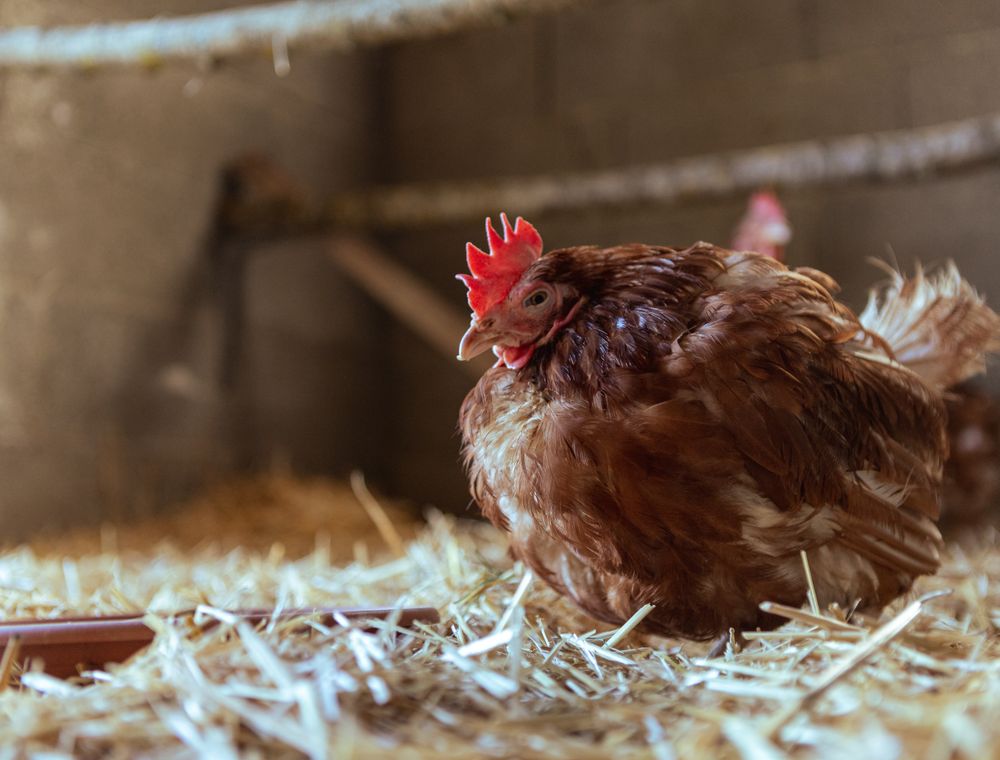
Most sick birds tell you before you see anything wrong. They stop following the flock to the feeder. They sit with feathers puffed out, wings held slightly away from the body and eyes half closed. They drink less, and the one at the back of the house is the first to be left behind when the others move off.
Catch the bird as soon as you notice it, not at the end of the week. A bird that is hunched in the morning can be dead by evening, and each hour you wait is an hour the rest of the flock is in contact with whatever it has. Pick it up in the early morning or evening, when the house is quiet, and handle it gently. Our article on common chick diseases covers the same warning signs in younger birds.
Isolate it, but keep it comfortable
Put the bird in a separate pen, a large box or a crate lined with dry litter or a clean sack. Place it where it can see and hear the flock, because total silence can make a sick bird more stressed. Keep it out of direct sun and out of draughts, but do not shut it into a hot, closed space.
Give it fresh water in a shallow bowl, and a little of its usual feed in a dish it can reach without standing. A bird that cannot stand needs its food brought to it. Clean the bowls every day.
Then wash your hands and change your footwear before you go back to the flock. This sounds small, and it is the habit we most often ask farmers to build. The sick bird is rarely the only route for infection, and the boots that stepped in its droppings can carry the problem to the next house. Our guide to footbaths shows how to set up the step at the door.
A five-minute examination before you touch the medicine

Examine the bird on a clean surface, in good light, before you decide anything. Work through the same checks each time so you can compare one day with the next.
- Breathing: is it breathing with its beak open or its tail pumping, or making a rattle? Note whether the breathing is quiet or noisy.
- Eyes and nostrils: are the eyes closed, swollen or watery? Is there discharge from the nostrils or a crust on the face?
- Comb and wattles: are they pale, dark, blue-tinged or swollen? Colour and swelling both matter.
- Crop: feel gently at the base of the neck. The crop should be soft and empty in the morning. A hard, full crop, or one that smells sour, needs a closer look.
- Vent and droppings: look for pasting, blood, green or white watery droppings, and a dirty or sticky vent.
- Legs and feet: check for swelling, lameness, lifting scales or sores.
- Feathers and skin: look for lice, mites, ruffled or missing feathers and wounds from pecking.
- Weight: hold the bird. A keel bone that feels sharp and thin tells you it has been losing weight for days.
Write down what you find. It takes two minutes, and it is the most useful thing you can give your vet on the phone.
Reading the signs: what each one tends to point towards
No single sign proves a disease. The table lists what farmers in our area most often see, the causes a vet may want to rule in or out, and the first step to take. Use it to organise what you have seen, not to diagnose the bird yourself.
| What you see | Causes your vet may consider | Your first step today |
|---|---|---|
| Gasping, twisted neck, greenish watery droppings, sudden drop in lay | Newcastle disease, a serious viral infection | Isolate, count affected birds, call your vet the same day and report to the Veterinary Services office |
| Bloody droppings, hunched birds, weight loss over several days | Coccidiosis, a gut parasite that thrives in wet litter | Check litter and drinkers, and ask your vet to assess the flock |
| Watery whitish droppings, huddling and depression in young birds | Gumboro (IBD) or another bowel problem | Call your vet at once and check the batch record for the vaccine date |
| Swollen face, puffy eyes, bad smell from the nose | Respiratory or sinus infection, such as infectious coryza | Isolate, check ventilation and call your vet |
| Crop full in the morning, sour smell, bird weak | Crop problem, often linked to feed or water | Check feed and water, and hold back feed only if your vet advises |
| Lice or mites in feathers, pale comb, thin bird | External parasites, possibly with a worm load | Inspect the rest of the flock and ask your vet which products suit your birds |
| Drooping wings, one or both legs not working, paralysis | Marek's disease or another nervous system problem | Isolate, check the batch and vaccine record, call your vet |
If the signs do not fit any row, that is still useful information. Describe the bird in your own words, with the age and the time it changed, and let your vet work through the list with you. For the diseases named in that table, our guides on Newcastle disease, coccidiosis and Gumboro go into the signs and prevention in more depth.
When to call the vet the same day
Some signs cannot wait for a convenient visit. Call your vet the same day, and do not sit on the decision until the weekend, if you see any of the following.
- More than one bird ill, or deaths in the flock in the last 24 hours.
- Any gasping, rattling breath, swollen face or twisted neck.
- A sudden drop in egg laying or water intake across the house.
- Bloody droppings, or birds that stop eating altogether.
- Young birds that huddle, pile up or cry without stopping.
- A sick bird that does not improve within a day of isolation.
If you cannot reach your vet, call the Veterinary Services office for your region and say exactly what you see. Do not wait for a perfect description before you pick up the phone. If the bird is one of several, our sudden death guide shows which checks to make while you wait for your vet.
What you can safely do at home while you wait
Home care rarely cures an infection, but it can stop a bad day from getting worse. Keep the bird warm, dry and quiet. Make sure water is clean and always available, because a bird that stops drinking declines quickly in Ghana's heat. Remove wet litter around the drinker, and clean the drinker itself.
Ask your vet before you add anything to the water, including vitamins, salt, honey or any product that promises a boost. Some additives feed bacteria in the drinker, and a product that helps with one problem can make another harder to read. Follow your vet's advice on any supplement, and write down what you gave and when.
Why antibiotics from the shop are a poor first move
We understand the pull. The agrovet shop is close, the medicine is on the shelf, and it is tempting to hope a course will sort the problem out. In practice the antibiotic often treats the wrong thing. The real cause may be a virus, a parasite or the house itself. The bird gets a few better days, the bacteria learn to survive the drug, and the next flock becomes harder to treat.
There is also the question of what reaches the meat and the eggs. Some medicines leave residues that need time to clear before a bird or its eggs are sold or eaten. Only your vet can give the right waiting period for the product they choose, so take their timing as the rule and do not sell birds from a treatment you cannot account for. Vaccination dates matter here too, and our vaccination schedule guide shows the typical rows to check against.
Need chicks for your next batch?
Send breed, number and town. We reply with price, hatch date and delivery cost in writing.
The sum that makes waiting expensive
Suppose you keep 100 Ross 308 birds bought at our starting price of GH₵20 each. That is GH₵2,000 of stock before you have paid for feed, housing or your own time. If three of those birds die over a week and the rest are off their feed, you have lost GH₵60 in birds, and probably more in slow growth.
Now suppose the first sick bird was left in the flock for four days, and the trouble spread to a third of the house. The slow growth across those birds costs far more than the vet visit you put off. The arithmetic is not complicated. The first call is cheap, and the cost of a late one is spread across the whole flock.
Write down what you did and what happened next
A sick bird becomes useful information only if you record it. Keep a small notebook by the pen, with one line for each bird or group: the date and time you noticed it, its age, what you saw, what you examined, who you called, what the vet said and what you gave. Add the outcome when you know it, whether the bird recovered, died or was culled.
This habit pays for itself the first time a second bird goes down. You can see at a glance whether the signs match the first, whether the water changed, or whether a new batch arrived the week before. It is the same information you will need for your health plan and your flock's history. Our article on poultry record keeping shows a simple format that works in a notebook.
Recovery, return to the flock and the hard decision
A bird that is recovering eats and drinks normally within a day or two, stands steadily and passes firm droppings. Keep it apart for a few more days after it looks well, because some birds carry an infection after the symptoms fade. Return it slowly, watch the flock for the next week, and do not assume the problem has passed because one bird improved.
Some birds do not recover. Your vet may advise culling or humane euthanasia to protect the rest of the flock or to end suffering. It is a hard call, and your vet should help you make it. If it comes to that, carry out the procedure humanely and dispose of the carcass safely, as your vet explains. Never leave a bird that died of an unknown cause where a dog can reach it.
What calls to our hatchery usually look like
When a farmer phones us about a sick bird, we ask the questions your vet will ask. How old is the bird? Was it vaccinated at the hatchery, and does the batch record show the dates? Is it the only one, or are others off? What has changed in feed, water or the house in the last few days? Those answers decide whether the call is about one bird or a flock problem.
We are not the vet on your farm, and we do not treat birds over the phone. What we can do is help you see the pattern and make sure your vet has the dates, the batch information and a clear account of what the birds are doing. The fastest way to lose a flock is to wait for a perfect diagnosis before you call anyone. If a batch from us seems wrong soon after arrival, WhatsApp +233 24 915 1503 with photos and the batch details, and we will check the record with you. For treatment, your vet is the right person, and our FAQ explains how we handle batch questions.
Questions farmers ask
How do I know if my chicken is sick or just resting?
A resting bird is alert, keeps its head up and responds when you approach. A sick bird stays puffed up, ignores the feeder, sits apart for long periods and may breathe with effort. Look at it twice, several hours apart. If the difference does not go away, treat the bird as sick and examine it properly.
Can I give my sick chicken salt or honey?
Not without asking your vet first. Salt in drinking water can harm birds if it is too strong, and honey can encourage fungal and bacterial growth in the drinker. Clean water, shade and a warm spot are safer, and your vet can tell you whether any supplement suits the signs you have described.
Is it safe to eat a sick chicken?
No. Do not eat, sell or give away a bird that is sick or has died of an unknown cause. Some infections can reach people through handling or undercooked meat, and you cannot tell which one from the outside. Ask your vet before any bird from a sick flock goes to market.
How long should I keep a sick bird in isolation?
Until your vet is satisfied, and at least until the bird has eaten and drunk normally for a few days. Some infections carry on after a bird looks fine. Keep the isolation area separate from the flock, and clean and disinfect it before you reuse it.
Can a sick chicken infect people?
Most poultry diseases do not infect people, but a few can. Wash your hands after touching a sick bird or its droppings, wear gloves where you can, and keep children away from the pen. If you develop a fever or an unusual illness after handling birds, see a doctor and tell them about the birds.
What if I have several sick birds?
Treat it as a flock problem and call your vet the same day. Count the birds affected, the deaths and the birds eating less, and check the water and litter at the same time. Do not move birds between houses, and keep visitors out until the vet has seen the flock.
Does Halaal Farms help with sick birds?
We supply day-old chicks, and we are not a veterinary clinic. Our chicks are vaccinated at the hatchery and come with a batch record, which helps your vet. If a batch you bought from us looks wrong soon after arrival, WhatsApp +233 24 915 1503 with photos and the batch details. For treatment, your vet is the right person, and you can also place a new order through our <a href="/#order">order form</a>.


