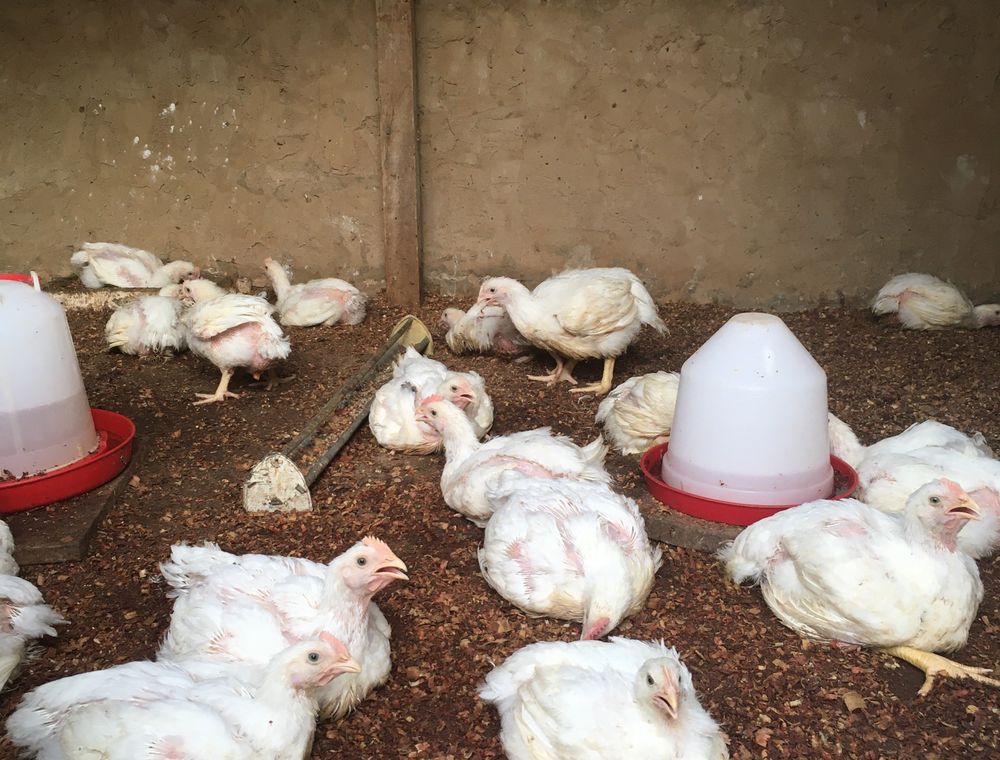
Short answer: Smoked and spiced chicken earns more per kilo than a plain dressed bird, and it gives a home to the mature cocks and spent hens that sell badly live. Brine or rub the birds, smoke them low and slow, take the thickest part to a safe internal temperature, and chill them fast. Smoked birds lose a lot of weight in cooking, so price from the cooked kilo you can actually sell, not the live bird you bought.
Key takeaways
- Mature cocks and spent hens are tough. Long brining and slow smoking turn that toughness into the product.
- Weigh every bird live, dressed and cooked. Your price must come from the cooked kilo, because that is what the buyer takes home.
- Cook to a safe internal temperature and check it with a probe. Smoke colour tells you nothing about safety.
- Write one recipe per product and follow it exactly, so every batch tastes the same to a regular buyer.
- Start with two products. Each extra product adds labels, stock and a new way to make mistakes.
Why smoke a bird that would sell cheaply as it is
A plain dressed bird is a commodity. It competes with every other dressed bird at the market, and the buyer compares it on weight and price. A smoked or spiced chicken is a product. The buyer pays for the flavour and for the fact that it is ready to eat, and the price reflects that.
The people who buy smoked chicken in Ghana are seldom the people who buy whole birds for the pot. They are bar owners who want a grilled chicken platter, small hotels that want a ready side for breakfast, weekend market sellers, and families who will pay for a pack they do not have to cook. Each needs something different. A bar wants a dependable portion, a hotel wants a fixed weight, and a market buyer wants a pack that looks good on the table.
There is a sensible farm reason too. A mature cock is a hard sell live, because buyers want a tender bird and an old cock is not one. Smoked and spiced properly, the same bird becomes something a buyer comes back for. Our guide to selling poultry covers the wider routes to market, and this is one of the better ones for older birds.
Which birds to smoke, and which to keep for another job
Not every bird belongs in the smoker. Use this table to decide before you spend a single cedi on wood or spice.
| Bird | Typical use | Fit for smoking |
|---|---|---|
| Young broiler | Dressed and sold fresh or frozen | Poor. Dries out on a long smoke, so grill it or sell it plain |
| White cockerel | Sold live or dressed for the pot | Fair. Works with a shorter brine and a moderate smoke |
| Mature cock | A hard sell live, because the flesh is tough | Strong. A long brine and a slow smoke suit it well |
| Spent layer hen | Stew pot, or a buyer who likes the flavour | Good, with a long brine and slow cooking |
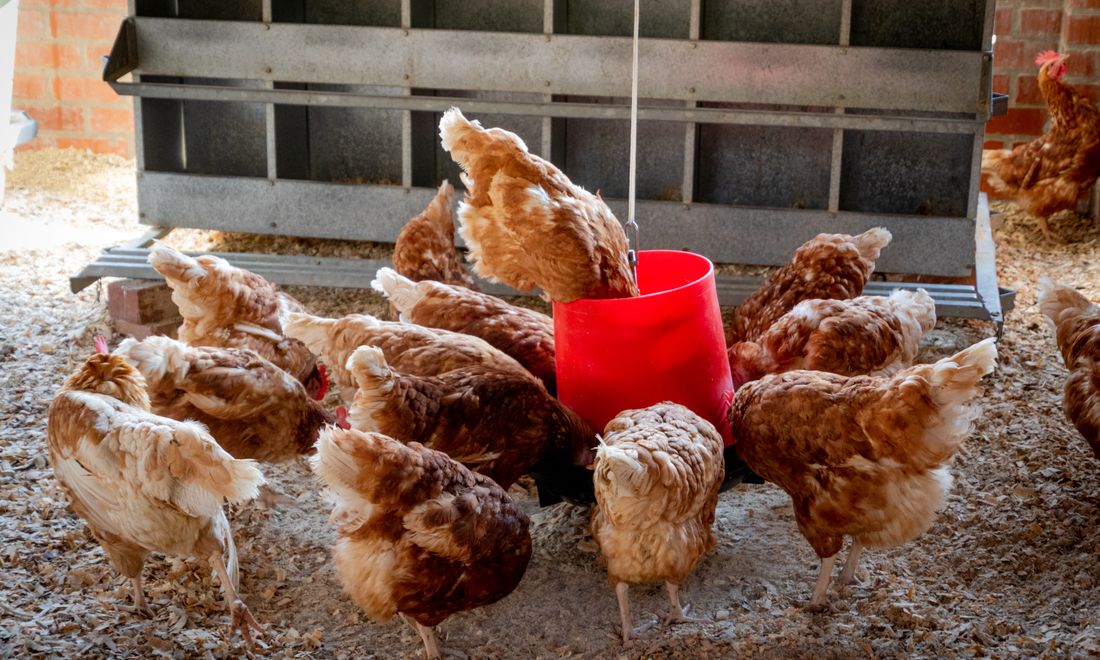
The mature cock in our starting price list is 150 cedis, which is more than a young broiler, so the bird has to earn its place in the product. Smoking a bird you could sell as it is only makes sense when your yield and price cover the extra cost. If you want to build a cockerel line for this kind of product, our cockerel day-old chicks page covers the starting birds, and our selling timing notes help you decide the age to take a bird off the farm.
Brine and dry rub: two routes and one rule
Brining adds water and salt to the meat. It keeps tough birds moist and gives the smoke something to cling to. A simple brine uses roughly 5 per cent salt by weight of the water, with sugar, garlic and a little black pepper if you like. Taste a small cooked piece before you commit a batch, because the salt you think is right is often too strong.
A dry rub is quicker. Rub a blend of salt, ground pepper, ginger, garlic and a suya-style pepper mix into the skin and under the wings, then rest the birds in the fridge. Rubs suit young cockerels and broilers. Long brines suit the mature cock. One rule holds for both: write the recipe on the wall, weigh every ingredient, and keep the same recipe until a buyer asks you to change it.
- Weigh the salt and sugar on a scale, never by the handful
- Brine the birds fully covered, in a clean food-grade container, in the fridge
- Rest rubbed birds for several hours, uncovered, so the skin dries a little
- Keep one batch record with the brine recipe, the time in brine and the rub mix
Smoking without a smokehouse: the yard method
You do not need a commercial smokehouse to make a good product, but you do need control. A drum or barrel smoker with a separate firebox, a lid and a vent works well for a small batch. The fire sits to one side, the birds sit away from direct heat, and the smoke drifts over them from the firebox.
Use clean, untreated hardwood. Never burn treated timber, painted wood, plastic or old tyres, because they put chemicals into the smoke and onto the birds. Sawdust is risky too unless you know exactly where it came from. Chip the wood small, dry it well, and keep the fire steady rather than roaring. Hot smoking is often done at around 100 to 120 degrees Celsius inside the chamber, and you control that with the vent and the fuel, not with a guess.
Turn the birds once or twice during a long smoke so the skin colours evenly. If the skin darkens faster than the middle cooks, the fire is too hot. Lower it, move the birds to a cooler spot, or shield the breast with foil to slow the colour.
Taking the bird to a safe heat, then cooling it fast
Smoke flavour is not a food-safety test. A bird can be dark brown outside and still pink near the bone. Put a probe thermometer into the thickest part of the breast and the thickest part of the thigh, away from the bone, and take the bird to an internal temperature of 74 degrees Celsius. Many food-safety guides use that figure for cooked poultry. Confirm the standard your buyer or the Food and Drugs Authority expects, and hold the heat until the probe reads it in both places.
- Smoke or cook until the probe reads the target in the thickest parts.
- Rest the birds on a clean rack, covered, for a short time so the juices settle.
- Move them into cold water or an ice bath, and bring the middle down quickly.
- Pack once cold, label, and put them straight into the fridge at 4 degrees Celsius or below.
- Log the cook time, the probe reading, the cooling time and the fridge reading.
Cooling is where small operators get caught. A large hot batch left on a table to cool slowly is a risk, even when the cooking was perfect. Split big batches so each one cools fast in its own tray or bath.
Yield: what you lose, and what you actually keep
This section decides whether the business works, so do the sum on paper before the first bird goes into the brine. The numbers below use assumptions for bird weight and yield. Replace them with your own weighing as soon as you have a batch. The example assumes ten mature cocks, each about 3 kg live, a dressed yield of about 70 per cent, and a cooked yield of about 75 per cent of the dressed weight.
| Step | Working | Result |
|---|---|---|
| Live weight, ten birds | 10 times 3 kg | 30 kg |
| Dressed weight | 30 kg at 70 per cent | 21 kg |
| Cooked weight for sale | 21 kg at 75 per cent | 15.75 kg |
| Bird cost, ten mature cocks | 10 times 150 cedis | 1,500 GH₵ |
| Bird cost per kilo sold, before spices and fuel | 1,500 divided by 15.75 | About 95 GH₵ |
Those 95 cedis a kilo still have to carry the salt, spices, wood, packs, fridge power, cooling time and your labour. That is why smoked products are priced by the pack, weighed after cooking. A buyer who asks for a bargain on cooked weight is asking you to smoke for nothing. Replace the assumed weights with real ones quickly, because a weighing error of one kilo per bird moves the answer more than any spice does.
Our broiler versus layer profit guide is the place to test the flock side of that decision, and the dressed chicken guide covers the cutting and chilling steps that come before the smoker.
The spice, salt and wood list, and how to buy them without waste
Keep the spice list short. Two blends done well sell better than six done badly. A basic smoked product needs salt, sugar, black pepper, garlic and ginger, plus a fresh pepper blend for heat. A suya-style mix is ground spice with ground peanut in the local style, and it sells well at a weekend market. Buy in small amounts, keep the spices in sealed tins away from heat and light, and rewrite the recipe whenever a supplier changes the brand.
- Salt and sugar, weighed for each brine, from one supplier
- Ground pepper, ginger and garlic, bought fresh each month
- A pepper blend for heat, made in small batches and dated
- Clean, untreated hardwood chips for smoke, stored dry
- Food-grade bags or trays, and cool boxes for delivery
Be wary of ground spices that have sat in a market sack for months. Stale spice tastes dusty, and harmattan dust settles on anything left open in the yard.
Need chicks for your next batch?
Send breed, number and town. We reply with price, hatch date and delivery cost in writing.
Packs, labels and how long smoked chicken keeps
A smoked product is a packaged product, and the label does a lot of work. Buyers want the product name, the net weight, the ingredients, the cook date, the storage instruction, the batch and a contact number. Do not print a best-before date you have not tested. Keep a retained sample from each batch and check it at the date you propose, so the date rests on your own result.
Vacuum packs in a fridge keep longer than loose bags, and freezing extends the life further. Chilled, the product should be sold within a short window, and anything not sold by its date comes out of your range rather than into next week's pack. Frozen smoked chicken is a sensible way to hold stock between weekend markets, but thaw it in the fridge and never refreeze it.
Keep packs out of direct sun during delivery. A pack that sweats in a hot car has been mishandled, and the buyer will not care that the cook was perfect. If you are also planning the broiler side of the line, our broiler day-old chicks page covers the birds we hatch for that purpose.
Selling to bars, caterers and the weekend market
Bars and grill spots buy by the portion and the timing. They want a steady weekly supply, a fixed portion weight and an invoice they can pass to the owner. A caterer buys in bulk for events and will ask about cooked weight, labelling and whether the product holds on a buffet table. Weekend markets buy by the pack, and the pack has to look right on the table, with the name and price clear from a distance. Our guide to selling chicken to restaurants covers how to approach kitchens, and the same approach works for bars.
Write your price list by pack, not by bird. Name the pack weight, the price and the sell-by, and keep it on one page. Do not change prices every week without telling regular buyers first. A small change with a clear reason keeps an account, while a surprise change loses it. When you quote a bar or a caterer, be clear about delivery days, and be honest about what you can supply on a busy weekend. Our delivery page sets out how birds are sent to customers across Ghana, which helps when you plan your own deliveries. To place an order for the birds that start the line, use our order form.
Start with one bar or one caterer on a trial order. Learn how they cut, plate and reorder before you take on a second account.
Mistakes that cost customers, and the ones we see most often
We are a hatchery, so we do not smoke birds ourselves. We do talk to farmers who do, and these are the faults that come up again and again. If you want the full routine for a cold, clean product, our FAQ is a good place to start with the questions we hear most.
- Smoke that is too hot. The outside darkens fast and the middle stays raw, and the buyer finds out at the table.
- Brine that is too salty because the scale was never checked. Weigh the salt, and taste one piece.
- No probe. A batch cooked to colour and not to temperature is a gamble on every pack.
- Packing while still warm, so the packs sweat and spoil in the fridge.
- Changing the recipe without writing it down, then wondering why a regular buyer says the taste has changed.
- Selling by the bird instead of the cooked weight, so every price bargain becomes a loss on the pack.
Most of these are fixed with a thermometer, a scale and a notebook. None of them needs a bigger smoker.
Licences and inspections before the first pack reaches a shelf
Selling cooked, smoked or packed food involves rules, and they are stricter than the rules for selling a live bird. Start with the Food and Drugs Authority, which sets food-safety standards for processed food. Ask about your premises, your process, your labelling and any registration you need. Your district assembly deals with trading and with the premises where you cook and sell. Ask both offices for their current requirements and fees in writing. We will not guess at either, and you should not rely on anyone who does.
When an inspector visits, they look for clean premises, clean hands, labelled stock, a working fridge and a written batch record. Show them the probe log and the recipe on the wall. A farm that can show its process rarely has a bad inspection.
Questions farmers ask
Can I smoke a mature cock or a spent hen safely?
Yes, with the same food-safety steps as any other poultry. Use a long brine, cook to the internal temperature with a probe, cool fast and keep the product cold. Tough birds need time, not more heat. If a bird looks unwell or you are unsure of its history, do not sell it, and follow your vet's advice on any medicine it may have had.
What internal temperature should smoked chicken reach?
Cook the thickest parts to an internal temperature of 74 degrees Celsius, checked with a probe in the breast and the thigh away from the bone. Confirm the standard your buyer or the Food and Drugs Authority expects. Smoke colour is not a reliable guide, so do not use it as your test.
How long does smoked chicken keep in Ghana?
Chilled in a sealed pack, smoked chicken keeps for a short period, and the exact time depends on your process and your fridge. Test your own product at the date you propose, and print that date. Frozen packs keep longer. Thaw them in the fridge, and do not refreeze.
Is smoked chicken more profitable than selling dressed birds?
It can be, when the cooked weight sells at a price that covers the extra cost. Work the yield table with your own weights, then compare the cost per kilo sold with the dressed price. If the gap does not cover spices, wood, packs, power and time, sell the bird dressed.
What wood should I use for smoking chicken?
Clean, untreated hardwood, dried and chipped small. Do not use treated timber, painted wood, plastic or old tyres, which put chemicals into the smoke. Sawdust is only safe if you know exactly where it came from. Store wood dry and away from feed and litter.
Do I need a licence to sell smoked chicken?
Probably, yes. Ask the Food and Drugs Authority and your district assembly what applies to your premises and product, and ask for current fees and forms in writing. Rules and fees change, so check them directly rather than from a neighbour's story.
Can I smoke birds I raised myself on the farm?
Yes, as long as the birds are healthy at slaughter, you keep proper records of their treatments and withdrawal periods, and you follow your vet's advice on any medicine. Birds that were ill, or that were treated and are still inside their withdrawal window, must not go to a buyer. Keep a simple flock record so you can show what each bird had.


